


04 Nov 2026
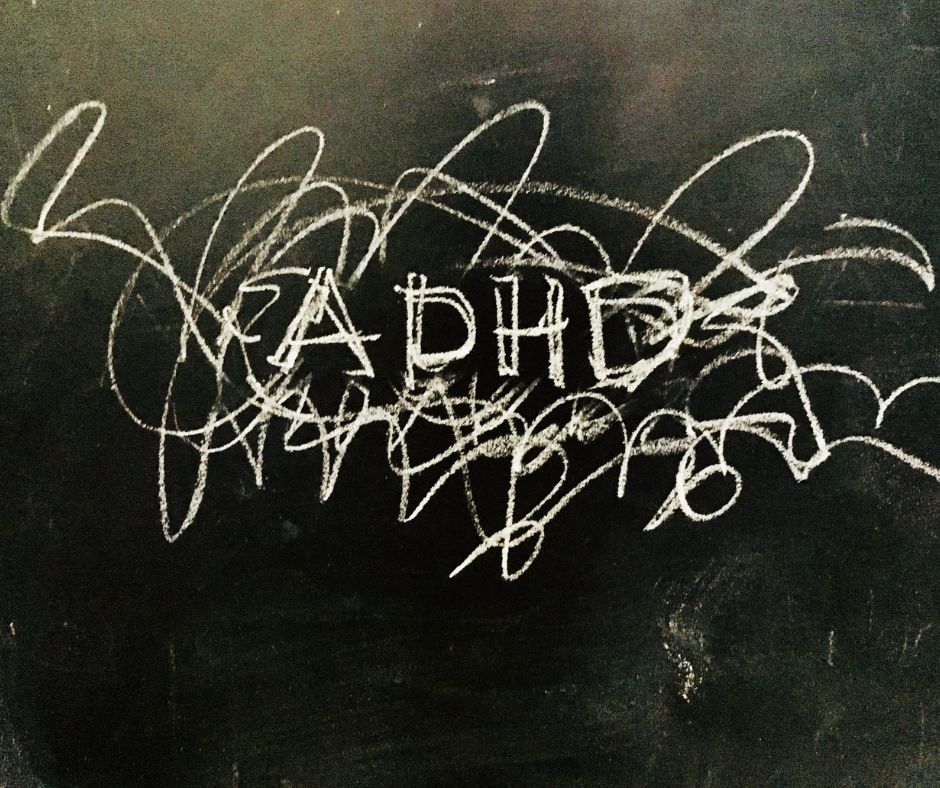
It’s OK To Say founder and CEO Stacey Turner reflects on the different pathways to obtain support for ADHD…
There is something I think we need to talk about when it comes to mental health: why do so many people feel they have to reach breaking point before they are allowed to ask for help?
Perhaps it’s because we have become accustomed to carrying on. We get up, get dressed, go to work, take the children to school, look after our families and answer the messages that keep arriving on our phones. We smile when someone asks how we are, say we’re fine, and move on to the next thing on our list.
Meanwhile, something inside us might be quietly asking for a little help.
Last month, the Government announced plans to reshape mental health support, placing greater emphasis on prevention and early intervention, which for those who have followed our journey, know this is what we have been advocating for over nine-plus years now.
It is an important conversation, because mental health is not something we should only talk about when things go wrong. Prevention matters. Early support matters. And feeling that somebody is listening matters, too.
At It’s OK To Say, we know that asking for help can be a significant step. Sometimes, making contact is an achievement in itself. People arrive carrying all sorts of worries, experiences and unanswered questions. They might not know precisely what is wrong, let alone how to explain it to somebody else.
And that is OK.
You don’t need to arrive with everything neatly worked out. You don’t need to find the perfectwords. You don’t need to convince somebody that you’re struggling enough to deserve a conversation. There’s no tickbox!
Sometimes, you simply need a safe space to begin.
One area in which this is particularly important is understanding neurodevelopmental conditions such as attention deficit hyperactivity disorder, better known as ADHD.
For some people, questions about ADHD emerge during childhood. For others, it might be much later in life, perhaps when the demands of work, relationships, parenting or everyday responsibilities become increasingly difficult to navigate.
Looking back, they may begin to recognise patterns they have struggled to understand for years.
Perhaps they have found organisation difficult, felt overwhelmed by everyday tasks, or wondered why things that appear straightforward for others seem to require so much effort.
There can be a mixture of emotions when those questions arise: relief, uncertainty, curiosity and sometimes grief for the difficulties they have experienced without understanding why.
An assessment can be an opportunity to explore those questions with an appropriately qualified professional. It is not about putting people into boxes or defining them by a diagnosis. It is about developing a better understanding of an individual’s experiences and needs, so that appropriate
support can be considered.
Importantly, a diagnosis is not a measure of someone’s worth, and support should not be something people feel they must earn by reaching a particular point of difficulty.
I am pleased to share that It’s OK To Say is now offering ADHD assessments, carried out by qualified and experienced clinicians, with a limited number of appointments now available for January.
Alongside our full diagnostic assessment pathway, we are also offering what we call a soft diagnosis pathway. This provides a gentler starting point for people who are curious about ADHD and would like to understand themselves a little better before deciding whether to pursue a full formal diagnosis.
Sometimes, having the space to explore our experiences, recognise patterns and begin to understand why we might think, feel or respond in certain ways can be valuable in itself. This pathway offers an opportunity to explore those questions through an interactive, collaborative approach, without the immediate commitment of a full diagnostic assessment.
Think of it as a gateway to greater self-understanding. It allows you to explore whether ADHD might help explain some of your experiences, consider what this understanding might mean for you, and decide in your own time whether you would like to take the next step towards a full diagnostic assessment. There is no pressure to have everything figured out from the beginning. Sometimes, understanding ourselves better is the first step towards knowing what we need.
We welcome full-fee-paying clients and, where funding allows, offer low-cost and funded assessment opportunities, helping to make support more accessible to those who might otherwise
struggle to afford it.
If you would like to find out more, please don’t hesitate to reach out. You can email It’s OK To Say directly or complete the self-referral form on our website.
We are releasing assessment availability month by month, rather than opening our diary too far ahead. This is a conscious decision. We want to ensure that everyone who comes to us receives the care, attention and time they deserve.
Not every assessment is the same, because not every person is the same. We want the process to feel warm, caring and thorough, giving each individual the opportunity to explore their experiences and feel listened to along the way.
If ADHD is something you have been wondering about, whether for yourself or someone you care about, you are welcome to get in touch. You don’t need to have all the answers before taking that first step.
But this conversation goes beyond assessments. It is about the way we respond when somebody tells us they are struggling. It is about creating families, workplaces, schools and communities where people feel able to speak honestly, without worrying that they will be judged or dismissed.
It is also about remembering that we are all human. We can be capable and struggling at the same time.
We can love our lives and still find parts of them difficult. We can be grateful for what we have and still need support.
Perhaps one of the most helpful things we can do is stop comparing our experiences with somebody else’s. We cannot always see what another person is carrying, and we do not need to understand everything about their circumstances to offer kindness.
At It’s OK To Say, our purpose has always been to support people to heal, live and thrive.
Sometimes that begins with therapy or an assessment. Sometimes it begins with a conversation, a question, or the courage to admit that things don’t feel quite right.
And sometimes, the first step is simply walking through the door.
If you have been wondering whether it is time to talk to somebody, perhaps you don’t need to wait for things to become harder before you do.
You matter. Your mental health matters.
And you deserve support, too.
