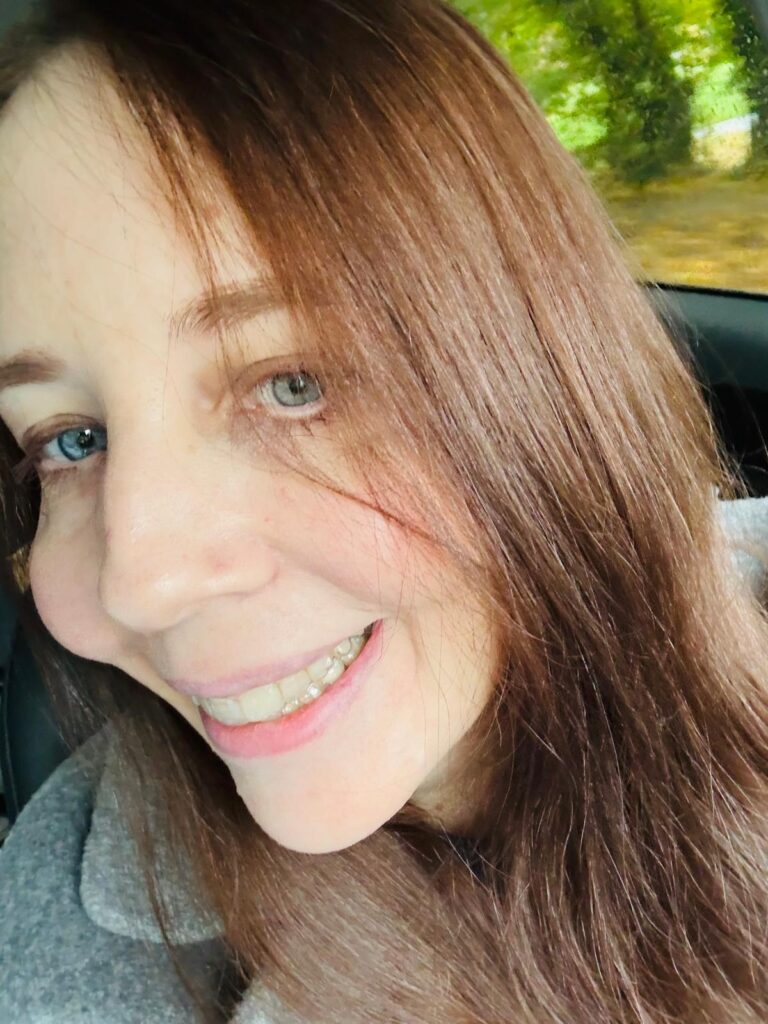
04 Nov 2026
I have always wished for different teeth. I did have orthodontics as a teenager. I remember being carted all the way to Edgeware where a very tall man would tighten my braces and I would feel like my jaw might break with the tension. I would have headaches and huge mouth ulcers and tears in my eyes. I remember my Dad calling him once and saying “Please take it off her teeth. We cannot stand this anymore.” Then I would say it would be worth it in the end and keep pushing through.
Those metal “train tracks” were almost a right-of passage in the nineties at Beaumont and I didn’t really mind the way they looked, just how they felt and the fact that every time I drank a fizzy drink I wondered if I was going to go to hell. Or just have dyed zig-zag orange teeth for the rest of my days. (One of those didn’t happen and I still am not certain about the other one.)
Anyway, I looked into it recently and thought I was probably too old but I was wrong. In fact, Dr Ikjyot Suri told me he treated his own mum with Invisalign in her seventies.
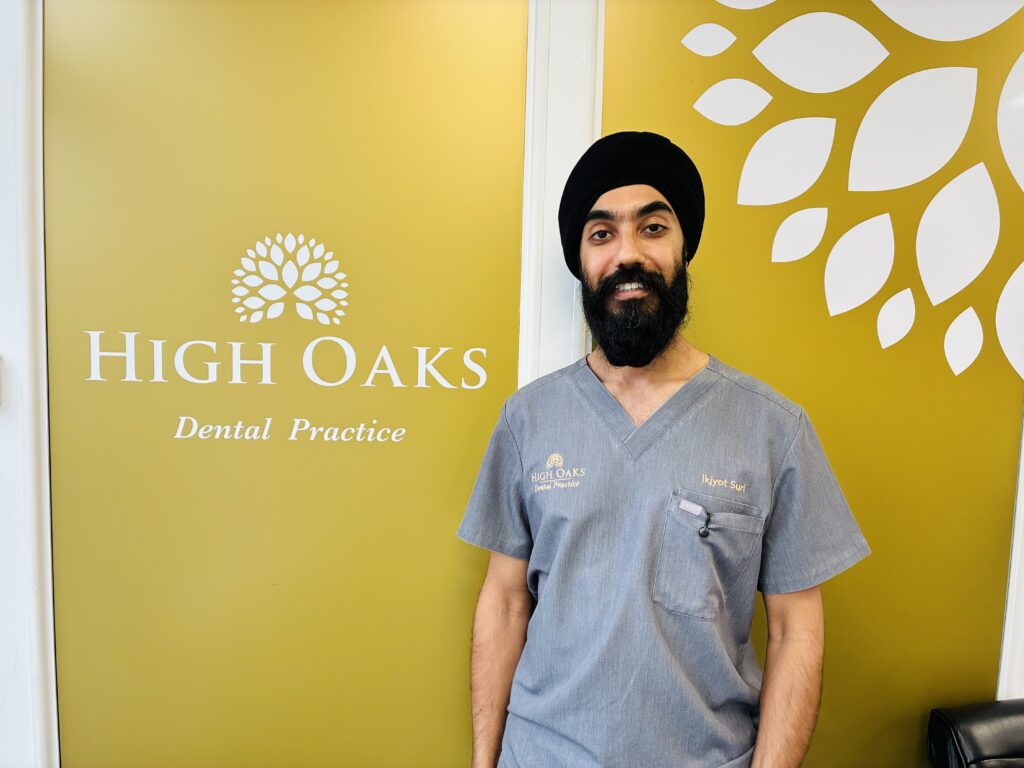
I arrived early at High Oaks Dental Practice and was met by their friendly reception team. It is near enough to be able to get to by bus or car but far away enough to avoid parking nightmares. I parked right outside for free which was handy.
At my first appointment we chatted about what I didn’t like about my smile and what treatment might involve. He created a detailed 3D scan of my current smile and designed a personalised treatment plan for me. This type of digital image helps patients visualise the proposed tooth movements and what their smile could look like after treatment.
He explained that Invisalign is a series of custom-made aligners which fit over the teeth to gradually straighten them. It can take anything between three months and a couple of years, depending on how complex the case is. I’m having a total of 14 (top and bottom) and switching over to a new set each week. It might only take 14 weeks until my teeth are how I want them but there may be a few tweaks at the end needed with more aligners made.
The plastic aligners gently move teeth into their desired positions over time and every month or so, Dr Suri will see me face-to-face to check how it’s all progressing. Although a lot of the “work” is done by me wearing them a minimum of 20 hours a day I find it reassuring to know that I’ll see him regularly and that I can call the practice if I need to.
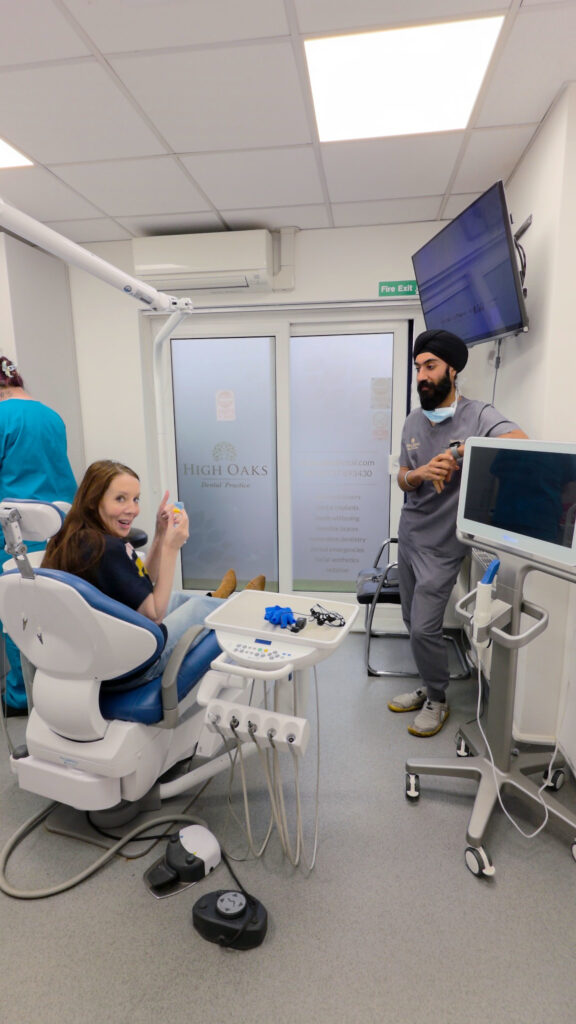
I have an X-ray around the head (clever machine – nothing scary at all) and scans to check my teeth and then he can plan what my aligners will look like and where he might need pressure to be applied to move the teeth in a certain way.
I am so grateful there are no plaster moulds – like there used to be – that make you gag. That was always a low point of any childhood orthodontist journey for anybody I’ve ever discussed this with. I’ve discovered that a lot of people tried braces when they were younger but often didn’t stick it out, or forgot to wear their retainers which they were strongly advised to wear at night once the fixed braces came off. Somebody told me their family dog ate theirs off the table at dinner time. Another said their mum accidentally put their retainer in the washing machine.
The practice has lots of expensive machines which can do stuff like project your future teeth onto a screen in front of you. Impressive. Dr Suri is calm, kind and open about what it will be like. I really like that about him as I am the sort of person who needs to know every eventuality and understand how things work to be able to make an informed decision.
At this time of year many folk are tucked under a scarf or blanket so it feels like a good time to take the leap but it is not very visible at all anyway so anytime of year is fine to start considering it.
The first appointment and assessment forms the basis of the planning that the dentist will do with a five week gap between this and when the Invisalign are ready to be worn.
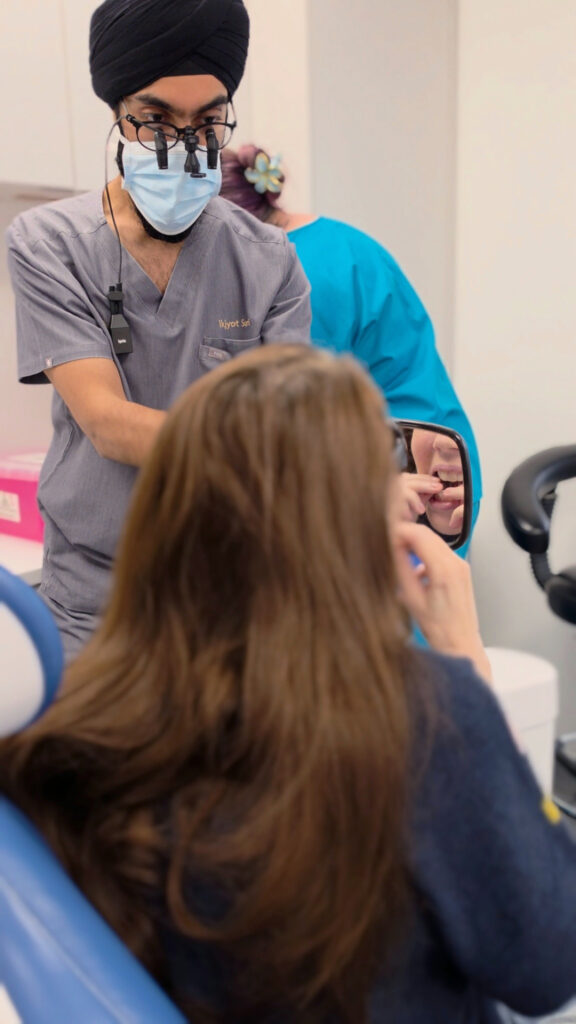
We talk about why people might decide to have Invisalign.
He said: “Many adults tell me they’ve felt self-conscious about their teeth for years, but never had the opportunity to do anything about it.
“Perhaps they missed out on braces when they were younger, or their teeth have moved since previous treatment. For others, it’s simply about reaching a point where they want to invest in themselves.
“Invisalign can fit well into busy adult lives. It uses clear, removable aligners to gradually straighten teeth, making it a discreet option for people balancing work, family and social commitments.
We start by listening to what the patient would like to change. We then assess their teeth and discuss suitable options, so they understand what treatment could achieve and what it would involve.”
How many adults has he treated with Invisalign?
“I’ve treated around 40 adult patients with Invisalign over the past two years. Each has their own reasons for starting, but a common theme is wanting to feel more comfortable smiling, whether in photographs, at work or in everyday life.”
I find out that the machine which scans each tooth is called an intra-oral digital scanner. It’s a small handheld device that is gently moved around the mouth to create a detailed 3D image of the teeth and gums:
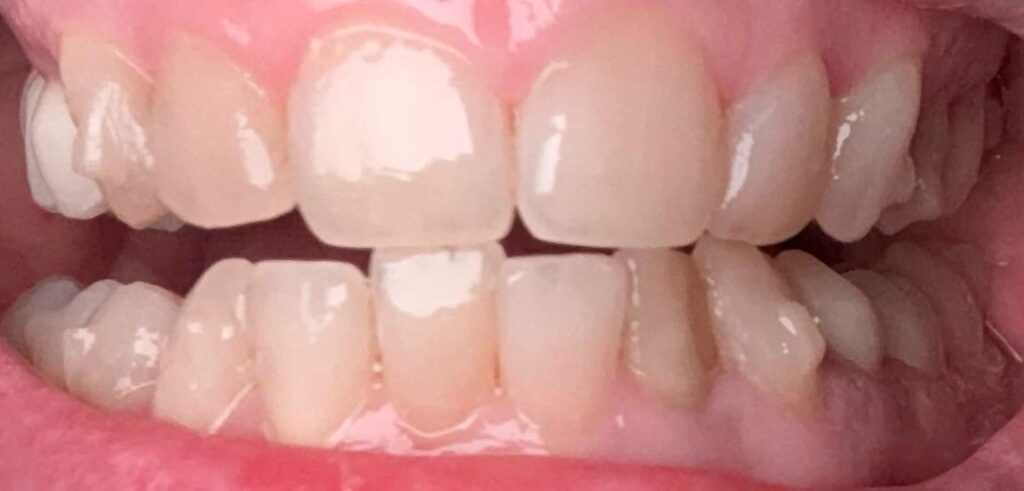
“This is particularly welcome for patients who find impressions uncomfortable or struggle with gagging.
“We can see the scan on screen straight away, check the detail and capture any extra areas we need during the same appointment. It also allows us to share the digital model directly with the laboratory.
“One of the most exciting parts for patients considering Invisalign is being able to see a simulation of how their teeth could look after treatment. It helps them picture the possibilities and ask questions before deciding whether to proceed. The simulation is a guide, rather than a guarantee of the final result.”
Five weeks later, I went back to get started. In the lead up I felt slightly nervous about how they would feel on my teeth, if it would hurt, how it would be eating and drinking and whether I would get used to it quickly.
The night before my appointment I asked my husband to get me a McPlant meal which was my last supper but I also had some vegan fudge in the cupboard which is very soft so if nothing else I decided I could live on water and fudge for a bit at least.
He said: “Feeling nervous about visiting the dentist is very common. Some people have had a difficult experience in the past; others feel embarrassed about their teeth or worry about what treatment might involve.
“We want patients to feel welcome, listened to and comfortable asking questions. Taking time to explain the options, talk through concerns and move at a pace they feel comfortable with can make a real difference.
“For me, good dentistry starts with trust. Patients should understand our recommendations and feel confident that their care is tailored to their needs. Whether someone is coming in for a routine check-up or considering changing their smile, our aim is to help them feel informed and supported throughout.”
The fitting appointment took around an hour and a half but I am a very chatty patient who asks a lot of questions. Who knew?
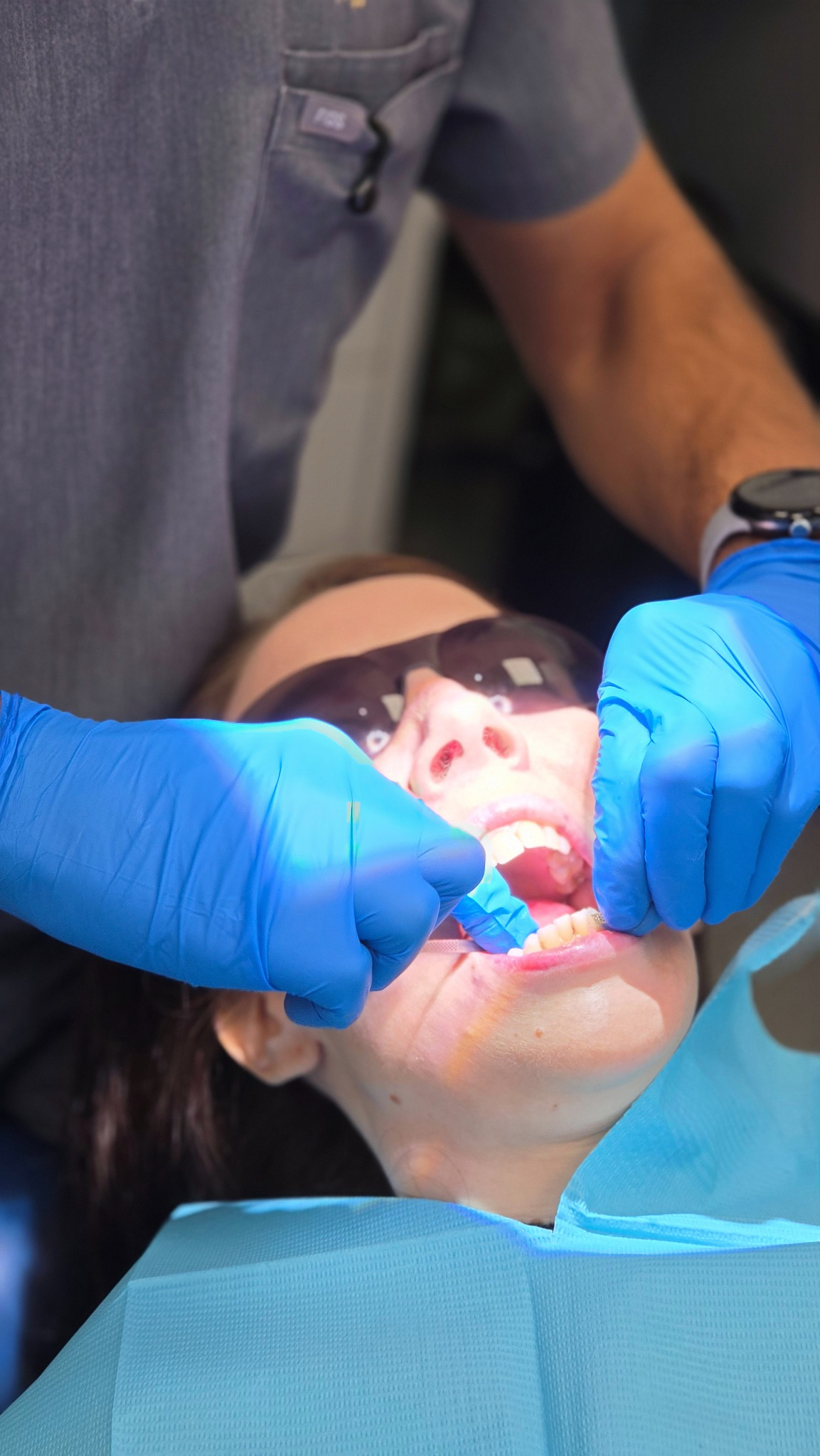
The first thing the dentist did was to polish my teeth ready to attach some little tooth coloured bumps (known as attachments) to a few teeth. These are made of composite, the material white fillings are made of, and are temporary. They help the plastic aligners to grip on and to apply pressure in the correct areas.
He also did some interproximal reduction. He explained that he is carefully removing a very small amount of enamel between selected teeth to create space, where appropriate for the treatment plan. They are tiny spaces and you cant see mine but already my teeth look less crowded. The filing down is painless and the dentist sort of files a tiny amount off the teeth which frees up room for them to be able to move. Not everybody has that, it depends on each individual.
Then for the exciting bit – the dentist showed me how to put the aligners on. I am going to wear these ones for a week and only remove them to eat. It is important they are worn consistently and teeth are kept clean and free from fizzy drinks. It’s water only with them on so that’s going to save me a lot of money in coffee. Win!
As soon as I saw and felt them in I relaxed further. There is no pain and they look a million times better than a traditional brace. Dr Suri showed me how to take them in and out – it’s a bit tricky – which will take some getting used to but isn’t painful at all.
I’m the sort of person who struggles to get the lid off a jar of beetroot so that’s probably part of it. You can get a special plastic hook – mine is blue – and it’s honestly become my best friend.
I had planned to have soft food for a few days and stocked up on soup and potato for mashing. This was more as I got used to how it feels when the aligners are out.
I haven’t had to take any painkillers or anything, have no sore gums or anything like that and don’t feel self conscious at all.
It’s early days and I’m super excited to see my smile improve.
If you are considering a new smile, High Oaks Dental Practice can book you in for a consultation on 01727 893430 or to find out more click here.
Laura is documenting her Invisalign journey as part of a collaboration with High Oaks Dental Practice.