


15 Nov 2026
“In this job no two days are the same.”
It’s been almost seven years since Daisy Cooper was first elected as the MP for St Albans, and she has now firmly established herself as both deputy leader of the Liberal Democrats and party spokesperson across a variety of portfolios, but perhaps the only regular part of her daily routine is the Thameslink commute to Westminster.
There are of course touchpoints and themes to how she spends her time, whether that is sitting in the Chamber, discussing caseloads with her Parliamentary team or meeting Treasury colleagues, but she can never really predict exactly how each day will unfold, despite efforts to plan out her schedule.
She explained: “My day is incredibly structured, and I have lots of different team meetings. My parliamentary team is dealing with casework and policy inquiries, and they meet every single day. I then meet them for a briefing once a week so they can flag up things I need to be aware of, although they’ll WhatsApp me or email me if it’s urgent.
“I do a one-to-one with every staff member ever week as well and go through their individual work areas to see if there is anything that crosses casework and policy.
“I have my economy and business team where I coordinate four different spokespeople in the Commons and their counterparts from the Lords, then we have our party spokesperson meeting, our senior leadership meeting… There’s a lot of different kinds of meetings happening all over the place!”
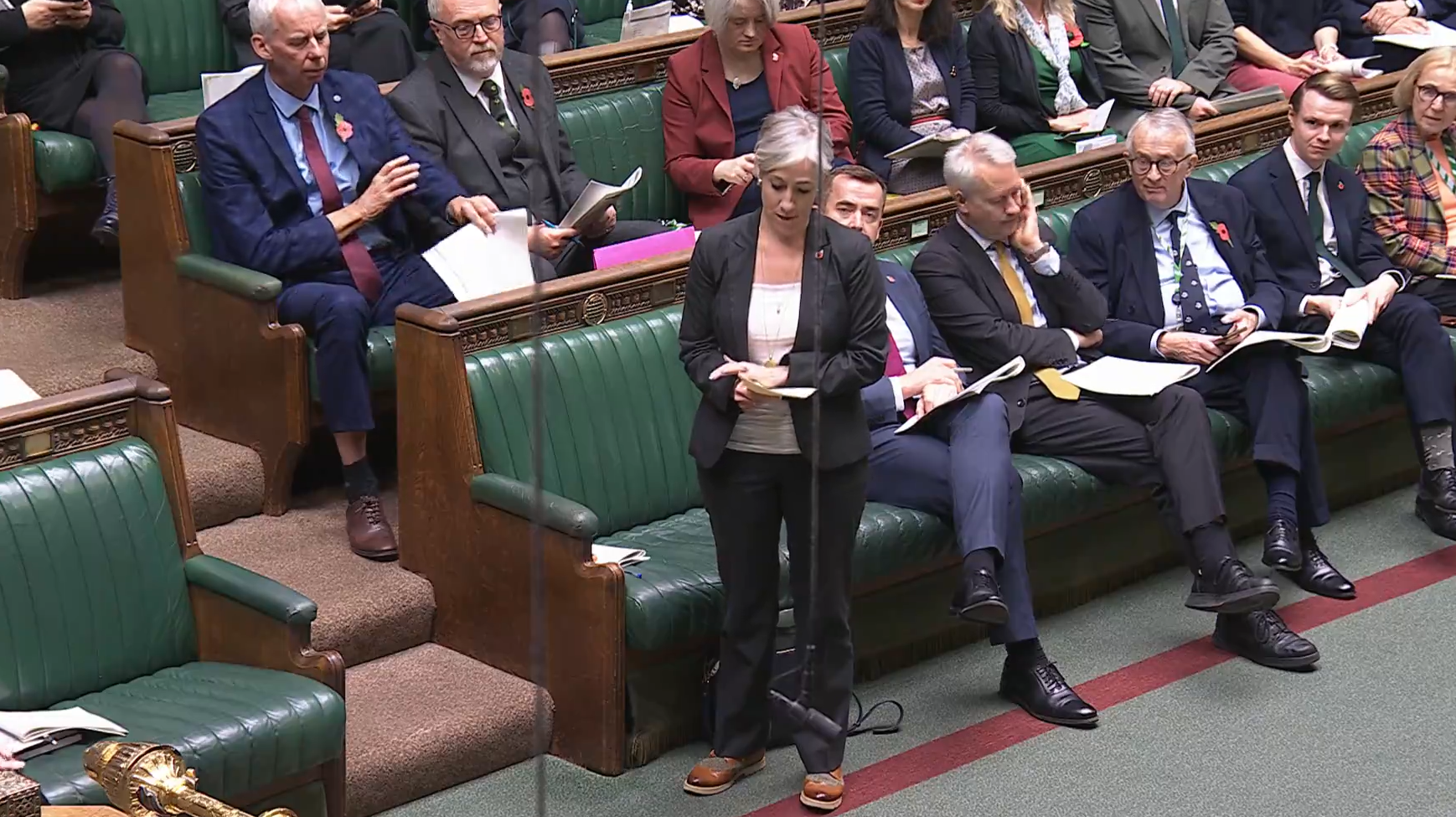
In order to gain an insight into both Daisy’s Commons activities and the rest of her day, the St Albans Times spent Tuesday November 3 in Parliament, including Treasury Oral Questions (TOQ), which came in the wake of Chancellor John Healey’s first Budget the week before…
Monday nights are often spent voting, which can mean not getting home until about 11.30-45, but the previous evening she was fortunate enough to be back in St Albans at around half-past nine. “That was a treat, but I was still on the phone until 11 o’clock making calls.”
Up that morning at 6.30, she listened to the headlines on Radio 4, caught some clips on LBC, and was on the 7.27 into London.
“On the train, I read Politico, which is a summary of what’s going on in Westminster on that particular day; I will check the headlines of the BBC, The Guardian, The Times, The Telegraph and The Economist and see what’s going on; and then I’ll have a quick look at my social media feed – which is where I catch up on all the great stories from the St Albans Times!”
Daisy personally checks to see if she’s been tagged in any stories, and although she cannot respond to every single comment, she says she will flag up any posts where people need her help.
“Across all platforms there are a lot of bots and people who are not constituents, but when local people tag me because they need help, I ask them to email me because then my team can manage it.”
The rest of her journey is spent reading non-confidential reports on her phone: “As many of your readers will know, it’s normally standing room only at that time of the day on Thameslink, so I can’t really do any sit-down work with reports or anything.”
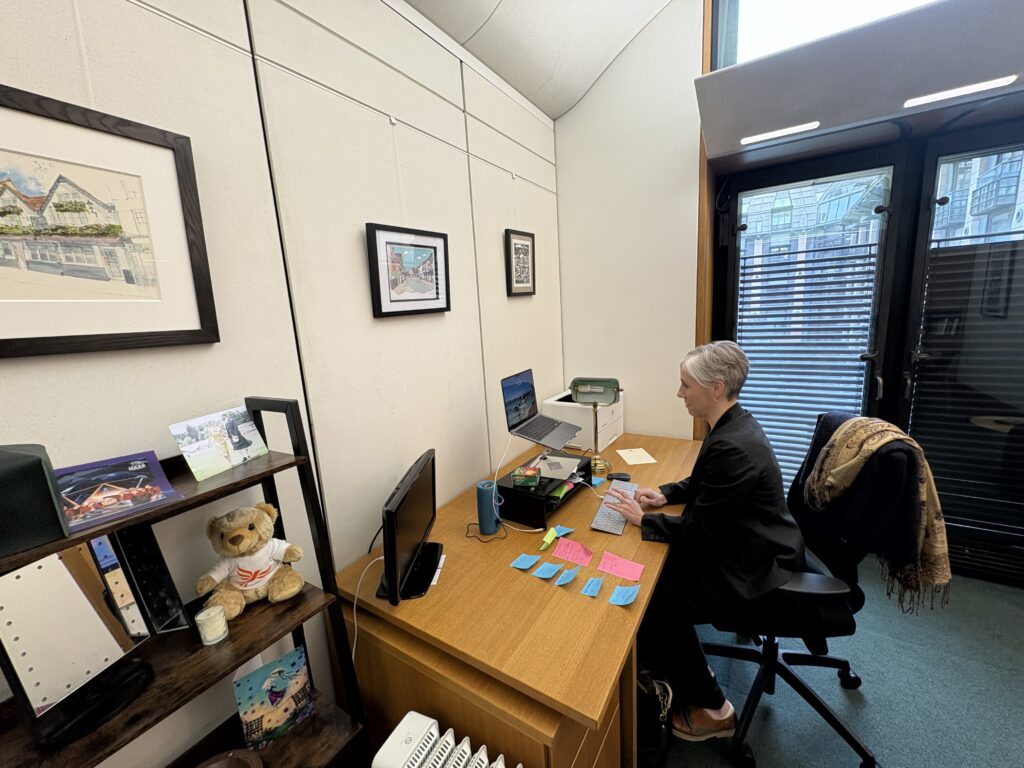
Arriving at around 8, she’d already made four phone calls before 9, at which time all of the Liberal Democrat spokespeople hold their weekly meeting.
“A couple of colleagues made presentations about their work programme and announcements they’re working on, and I talked through how we’re going to vote on the Budget today and canvassed for opinions on that.
“It’s the last day of four days of Budget debate today and I’m leading for the party, so I’m making my Budget speech about 1.30ish.
“Then I’ll be in the Chamber for most of the Budget debate this afternoon, and we have votes starting at 7 o’clock. They’ll go on till about 8.30, and then that’ll be it. Then I’ll prepare for tomorrow where I’m covering for PMQs.”
There have been 108 resolutions submitted for this Budget – specific proposals for taxation which allow the House to legislate for tax changes in the Finance Bill – with votes expected on between six and 15 of these that evening.
At 11am there are Treasury Oral Questions, which take place every four to five weeks, depending on the House of Commons rota, and last an hour. These begin with predefined substantive questions chosen by ballot, followed by a block of “Topical Questions” where MPs can ask unscripted questions on immediate, trending economic matters.
But before then she has a visit from former Lib Dem leader Tim Farron, who visited St Albans when Daisy was campaigning for election in 2017 (and pulled a pint in Dylan’s!), one of many MPs who will drop in unannounced.
Daisy’s office is alongside many of her Lib Dem colleagues on the third floor of Portcullis House, the comparatively new extension to the Commons on Victoria Embankment, sharing the space with her Parliamentary staff in the adjacent room.
She has only occupied the offices since the last General Election, acquiring them through an old-fashioned system of allocation by the Chief Whip after the Parliamentary estate distributes space to the different political parties.
“Obviously the leader gets the first choice, but beyond that the rooms are allocated based on when you were first elected. So our MPs who were elected 20 years ago, who maybe lost their seats for a time and were re-elected, have first dibs over the rest of us.
“For those of us who were elected in the same year, you go in pecking order according to when you were sworn in. In 2019 there were three of us, and it just so happened that I went first!”
The view isn’t quite as commanding as those facing the Thames, overlooking the building’s atrium, but as it’s internal it means the windows can be opened in the summer, unlike those on the exterior. In contrast to some of the pokey spaces in the Palace of Westminster, it’s an airy modern office with a table for meetings and plenty of storage.
It’s also equipped for every eventuality, with a change of clothes, make-up kits, spare shoes, and an overnight bag for late night votes. Prints by St Albans artist Debbie Shrimpton of The Boot and St Peter’s Street hang alongside a painting of Daisy which her artist mother produced in 2008.
(She once joked about me cutting the ribbon on a framed cover of the St Albans Times from when she took to the stage at The Horn last December, so we have a laugh posing for a photo which later turns up on her weekly Facebook update.)
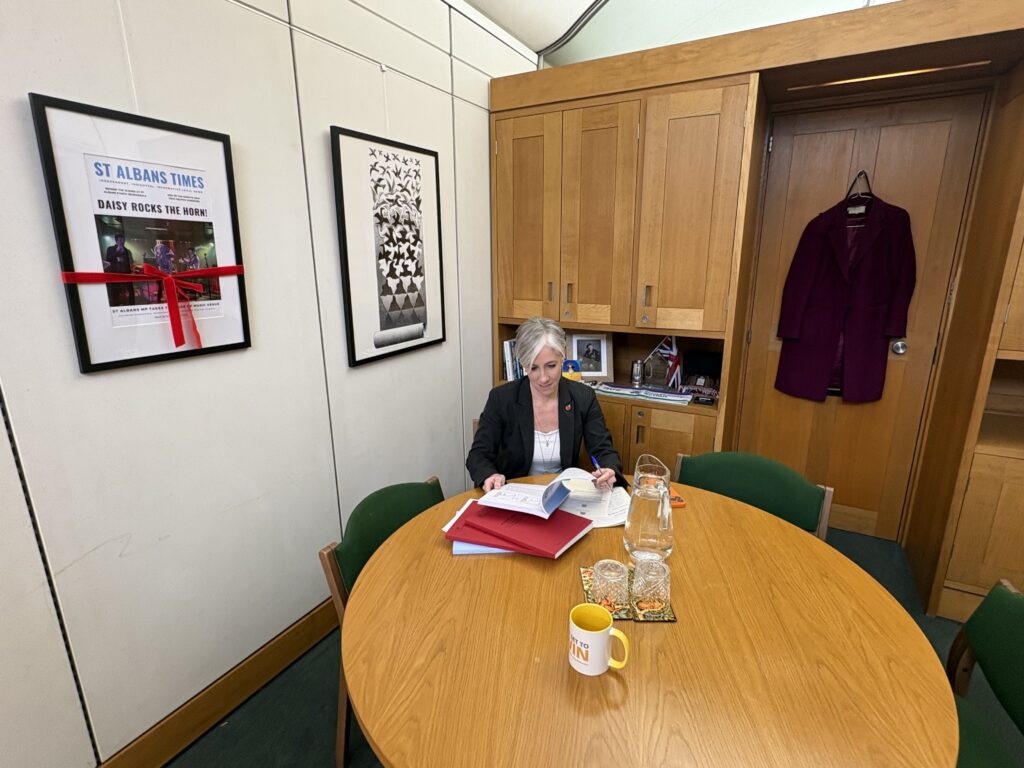
In another corner is MC Escher’s Liberation, painted when the Netherlands were freed from Nazi occupation at the end of the war, which hangs near a photo of her grandad, who was actually involved in the liberation, and memorabilia from his service, little touches which make the space more personal.
“I’m in this room every single day, but I’m in and out all the time. On a day like today, I’m not going to have much time in the office because I’m going to be in the Chamber most of the day.”
It takes seven minutes for Daisy to make her way from her office into the heart of the House of Commons, but as Treasury spokesperson her seat is reserved for this debate, so she doesn’t have to fight for a space.
There’s more than a hint of TV series The West Wing as we whirl through the Commons’ corridors, walking and talking to save time, our conversation occasionally interrupted by passing MPs keen to grab a few words.
Historic prints and artwork adorning the walls are overlooked, perhaps never really given the appreciation they deserve, and we push on to reach the Chamber in time for the start of the TOQs, when she is scheduled to ask two questions.
“I’ve got one question about the cost of living and one question on Europe,” she explains before disappearing inside.
Before heading up to the gallery, there’s time to watch the Speaker’s Procession, a daily ceremonial walk where the Speaker of the House of Commons travels from the Speaker’s House to the Commons Chamber before every sitting, accompanied by the Serjeant at Arms bearing the ceremonial Mace.
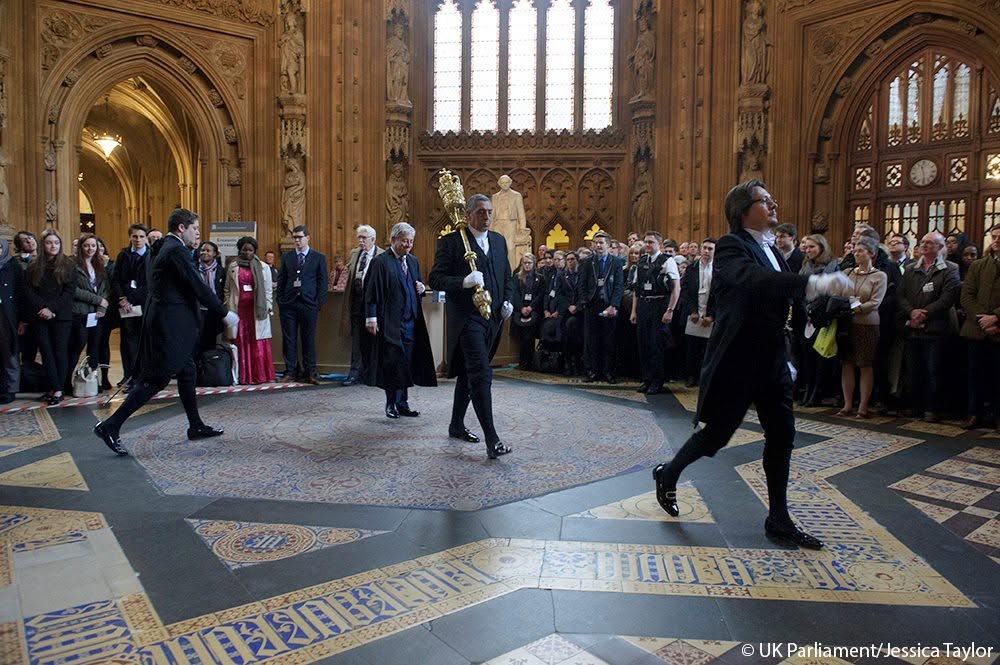
Photographs are forbidden both for the procession and inside the House, with mobiles surrendered into custody before entering, so our images come from Parliament TV and the UK Parliament Facebook page.
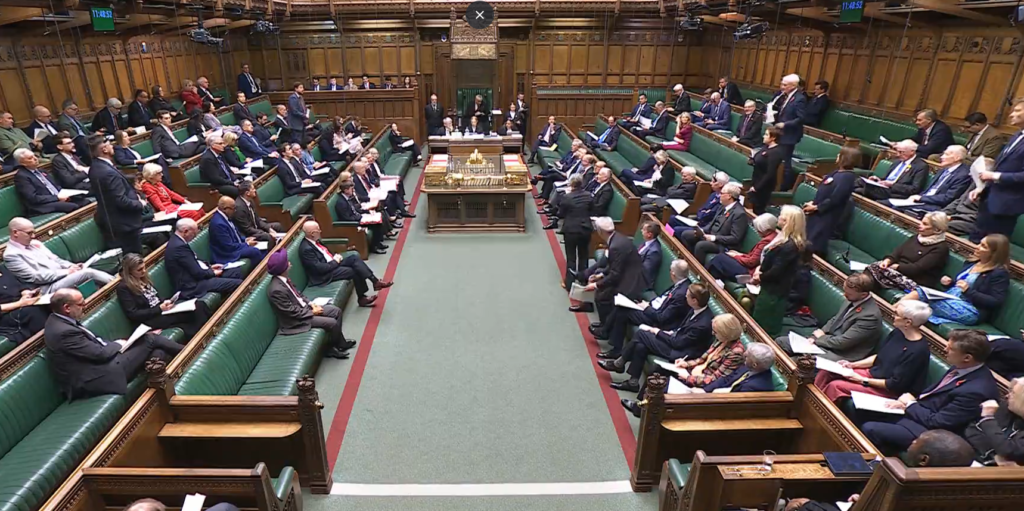
The Chamber itself is much smaller in real life than it appears on television, and the gallery is positioned with the Government benches on the left, with Daisy herself just visible on the bottom right of my view.
The session was heavily focused on the scrutiny of the newly released Autumn Budget, with the Chancellor and his frontbench team facing scrutiny over business rates, economic growth forecasts and the cost of living.
Daisy’s first question focused on the Government’s energy support package, which was based on council tax bands: “[This] has led to an absurd situation whereby between 800,000 and 1.4 million people on low incomes will miss out… while a wealthy couple who have retired early and have downsized are set to benefit. There is absolutely no excuse for this.”
She asked why the Government did not follow the Lib Dems’ plan to use existing DWP and HMRC data to roll out a targeted essential energy guarantee.
The Chancellor responded: “The honourable Lady disappoints me. Nine out of 10 of the poorest households will benefit from the £100 direct payment… I have also put an extra £100 million into the special fund that local authorities have to administer. They can make payments in hardship cases for those under extreme pressure, and I encourage her to point people to that.”
Her second question was about closer ties with Europe: “The Prime Minister and his Cabinet rightly point to Brexit as a major reason for the UK’s doom loop of low economic growth, and in two and a half weeks’ time, the Government will have an opportunity to do something about it.
“Rather than just discussing a timid UK-EU youth mobility scheme that should have been agreed months ago, will they start negotiations for a new growth and defence partnership as the only surefire way to put money back in people’s pockets and make the UK stronger, safer and more prosperous?”
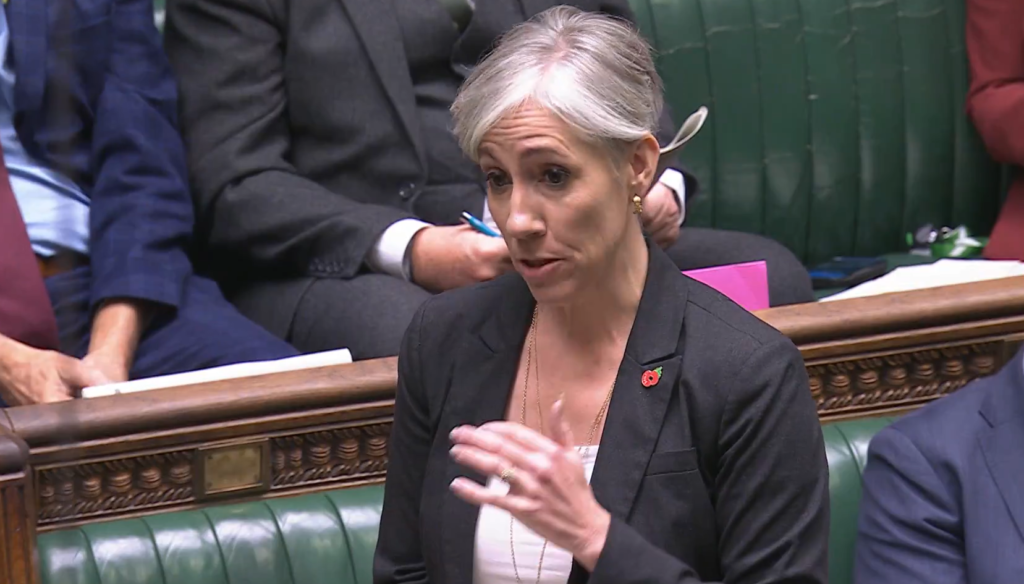
He replied: “We have ‘been there, done that’ on defence. At the EU summit later this month, we are faced with the chance to add billions to our economy and help with prices, with a new deal on food, drinks and farming.
“It is a chance to reinforce the collaboration on illegal immigration that will help to tackle the small boat smuggling gangs, and it is a recognition that the Brexit deal done by the Conservatives has just not been good for Britain. The Conservative party is opposing all the steps we are taking to improve Britain’s business trading, while we look for practical benefits to make it better.”
Daisy would speak again as part of the specific Budget debate after TOQs were over, but we wanted to know how she gauges how her questions are received, and caught up with her later to ask if she thought she had hit a nerve when the Chancellor told her he was “disappointed” in her comments?
“Ha! Generally speaking, there are three kinds of responses Ministers give when you ask a question.
“The first is respectful and helpful, regardless of whether they agree or disagree with the point you’re making.
“The second is a bit of friendly banter, where you might both take the mickey out of something someone has said in an interview, or some internal wranglings going on in their own party. The third is a sort of curt or indignant response, and that’s certainly what I got from the new Chancellor on this occasion! And yes, I think that’s exactly because I touched a nerve in pointing out that his big idea whilst well-intentioned, wasn’t very well thought through? I think it’s a shame as I had genuinely tried to help inform their thinking in advance – but maybe they’ll take up our idea in future.
“The reason is, I think, that the Chancellor had pre-briefed a lot of measures in the Budget, but the one big ‘rabbit out of the hat’ on the day was an announcement of £100 in energy support to some households, based on their council tax band.
“As I said at the time, I’m genuinely pleased the Government is doing something on energy bills but I’ve spent the last week pointing out that this support is too timid and badly targeted. Using the outdated council tax system creates an absurd situation where around 1.4 million people on low incomes but living in bigger houses will lose out on this support whilst a wealthy couple, for example, who may have retired early and downsized will receive it. There are also a lot of unanswered questions around how it’ll impact people living in HMOs and student halls.
“Given that this was the main measure revealed in the Budget it’s absolutely right that we scrutinise it closely, and as I made clear in my question to the Chancellor, the Government could’ve done it differently. They could’ve followed our Liberal Democrat proposal – which I announced earlier in the year – to use existing DWP and HMRC data to give increased, targeted support to those on the lowest incomes and the disabled, and less support to those better off.”
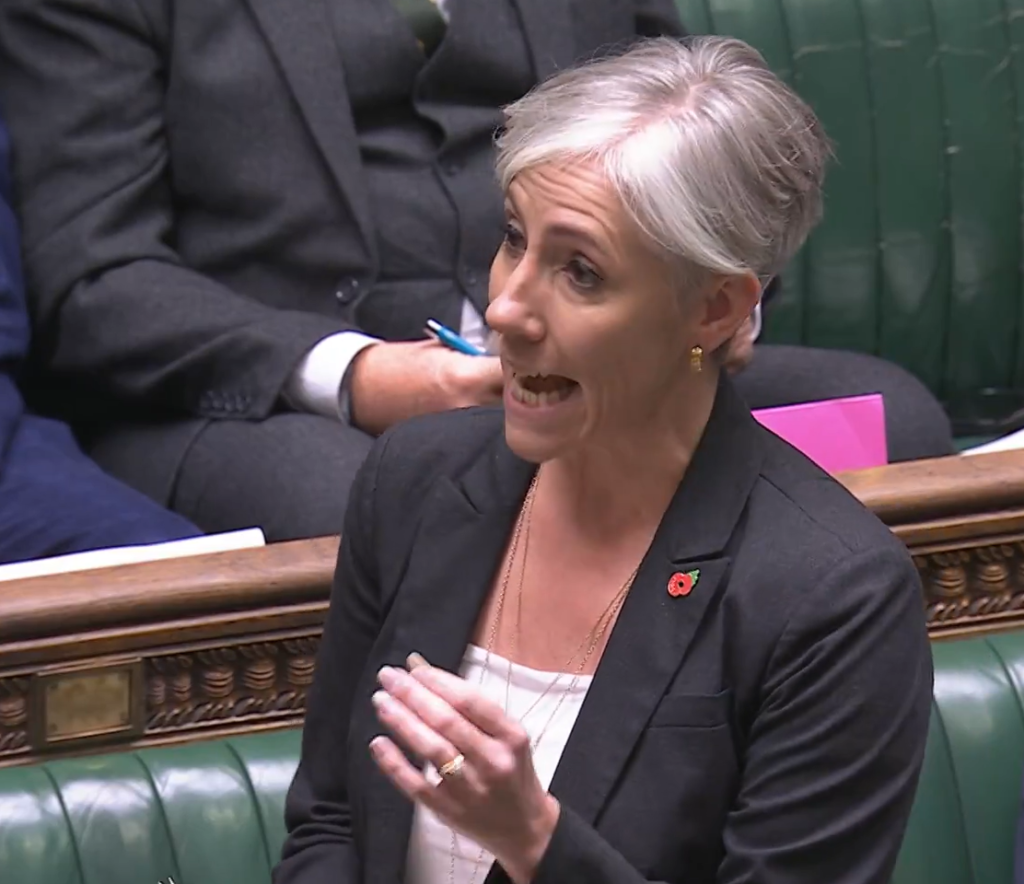
Turning to her second question, is she seeing any signs of the Government following the Lib Dems’ approach to Europe, and if not, what more can you do to push that policy?
“The Government is taking small steps in the right direction, but they really are baby steps. We’re more than two years into this Parliament and they still haven’t agreed any details on the UK-EU youth mobility scheme.
“They’ve now agreed a food deal getting rid of some of the red tape around food imports and exports, which is absolutely a good thing. However, it’s a tiny step towards a much bigger prize.
“I’m pleased that Andy Burnham has said he wants a national conversation about free movement but, at the moment, Labour remains bitterly divided on the issue. And whilst it’s good to have a Prime Minister that talks the talk, what we really need is one that will walk the walk.
“I want to see a lot more ambition on Europe, and my party has set out how. We have plans for a Growth and Defence Partnership which would include joining the single market, a customs union, and helping create a European Rearmament Bank to bring integrated financing and procurement in the defence sector. In turn, as the economy grew, we would be able to raise the income tax threshold to £15,000.”
The full Budget debate followed straight on from TOQs, meaning Daisy had no time for lunch or opportunity to leave the Chamber for any other.
“During the day, it’s normally just a case of grab what you can when you can, but I do like having a proper dinner with my husband when I get home every evening. He’s a great chef and he cooks most days, so I feel pretty lucky!
“I tend to keep a packet of mints in my pocket most of the time when I’m in Parliament, but we’re not allowed to eat or drink in the Chamber, with the exception of water.
“There are a lot of different rules about when you can leave and re-enter the Chamber. If you want to speak in a debate you need to be there for the start and end, you can’t leave the Chamber before you speak and must stay for two speakers afterwards.
“If you’re just making a quick intervention during someone else’s speech you can arrive anytime then leave afterwards, but it’s a bit frowned upon if you don’t stay for a decent amount of time and may mean the Speaker won’t call you as quickly during the next debate. Exceptions are made for medical and other reasons.
“The Chamber itself is far from static – it’s always a very busy environment with MPs and staff coming in and out. Sometimes, MPs may want to hear a bit of the debate even if they’re not contributing, they may be the duty whip so keeping track of speaking lists, whether the debate is running short or long, and when votes might come.”
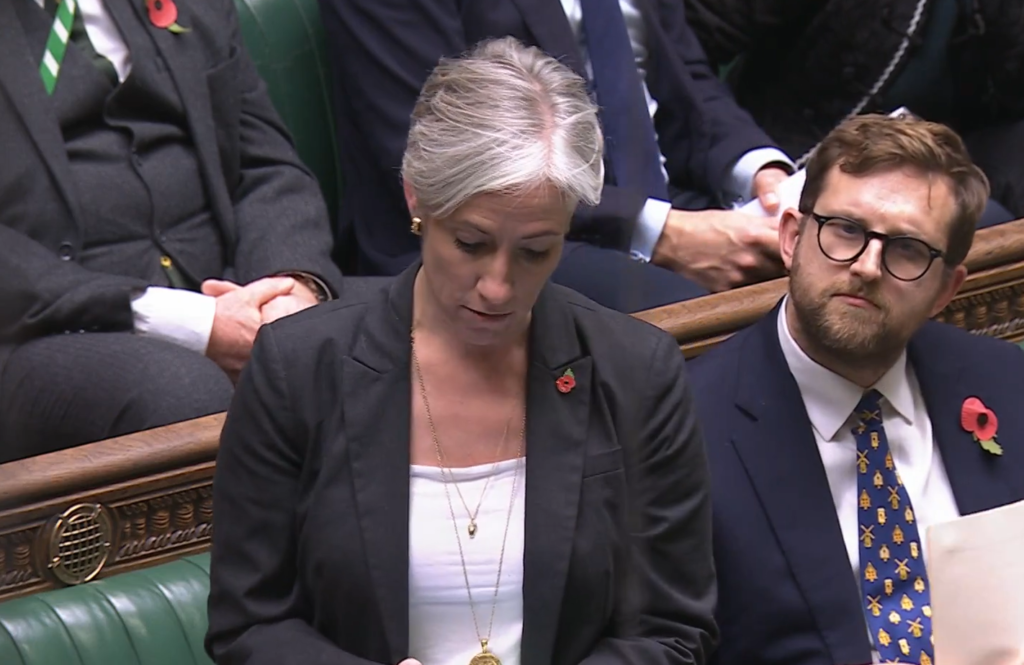
It was approaching 2.30pm when she finally had her opportunity to comment on the Budget itself: “What we needed was a growth Budget, because only by growing the economy can we cut people’s taxes and bills. We Liberal Democrats have repeated our calls for a new growth and defence partnership with Europe, because growth through such a partnership would enable us, in time, to raise the income tax threshold to £15,000. If we can grow the economy, we can put more money in people’s pockets.”
Daisy again mentioned her perceived flaws in the energy support package, but then brought the debate back to a favourite topic of hers, that of business rates reform.
“If we are serious about breathing new life into our high streets, we have to reform the outdated, broken business rates system. In my constituency of St Albans, the rateable values are so high that only eight pubs are set to benefit from the support, and that comes in the face of a whole raft of measures in the last two anti-growth Budgets. The chair of my local Save St Albans Pubs campaign has sent me this: ‘The budget does nothing to help or support most of the pubs in St Albans. Still no business rate reform. Alcohol duties up. No cuts in VAT. No cuts in the horrific employers national insurance jobs tax and a huge increase in wages’. That means one thing: it will put up the price of a pint…”
We won’t repeat her entire speech, as that is easily available for scrutiny, although she did bring the focus back onto St Albans again: “Just five weeks ago, I stood right here and challenged Ministers to contact the Valuation Office Agency because it had issued the wrong valuation to two of my small businesses [Smallford Farm Shop and HATCH].
“I dread to think what will happen to the many people who will want to sell their house and move to other parts of the country to support family members, but who cannot because they are stuck in an 18-month appeal process with the VOA…
“Finally, let me just say that there is a role for optimism; there is a role for talking about real hope. I hope that we can project to the rest of the world the fact that we believe in the future of UK plc.
“If we are going to talk about fresh hope, however, it must be matched with meaningful action. I am afraid to say that this Budget did not deliver the meaningful change that the country expects and deserves.”
During our later catch-up, we wanted to know whether she feels under more pressure to deliver for the party if leader Ed Davey isn’t around?
“It’s my responsibility – as Treasury Spokesperson – to lead my party throughout the Budget process. If the Prime Minister is away – as was the case this week – then it’ll be Deputy PMQs and I’ll respond on behalf of my party.
“It’s clearly incredibly important to prepare, especially as it’s the part of the week that the public tends to notice, and to choose questions that are topical and speak to our party’s values. However, that’s more to do with the visibility of PMQs than my role as deputy leader.”
Although I had the luxury of leaving for home at a decent time, for Daisy it was to be another long day in Parliament, as she revealed later that week.
“On the final day of the Budget, we finished our votes at around 8.30. I then had a post-Budget debrief with the whips, a few calls to make, and got home at about 11.30. But besides Monday (when there’s late votes) it’s not usually that late!”
After such an intense day at Westminster, how does she relax when she gets home?
“I always try to have a late dinner and chat with my husband to unwind, and normally an episode of something before bed – we’re watching The Diplomat at the moment. My brain is never empty though and certainly never empty of politics – I have to admit, I live and breathe my job. It really is a huge privilege to do a job I love, where I can make a difference to people’s lives, put our local issues on the national stage, stand up for our shared values and represent St Albans.”
- Thank you to Daisy Cooper and her communications officer Alice Philbin for arranging this visit.
