


13 Nov 2026
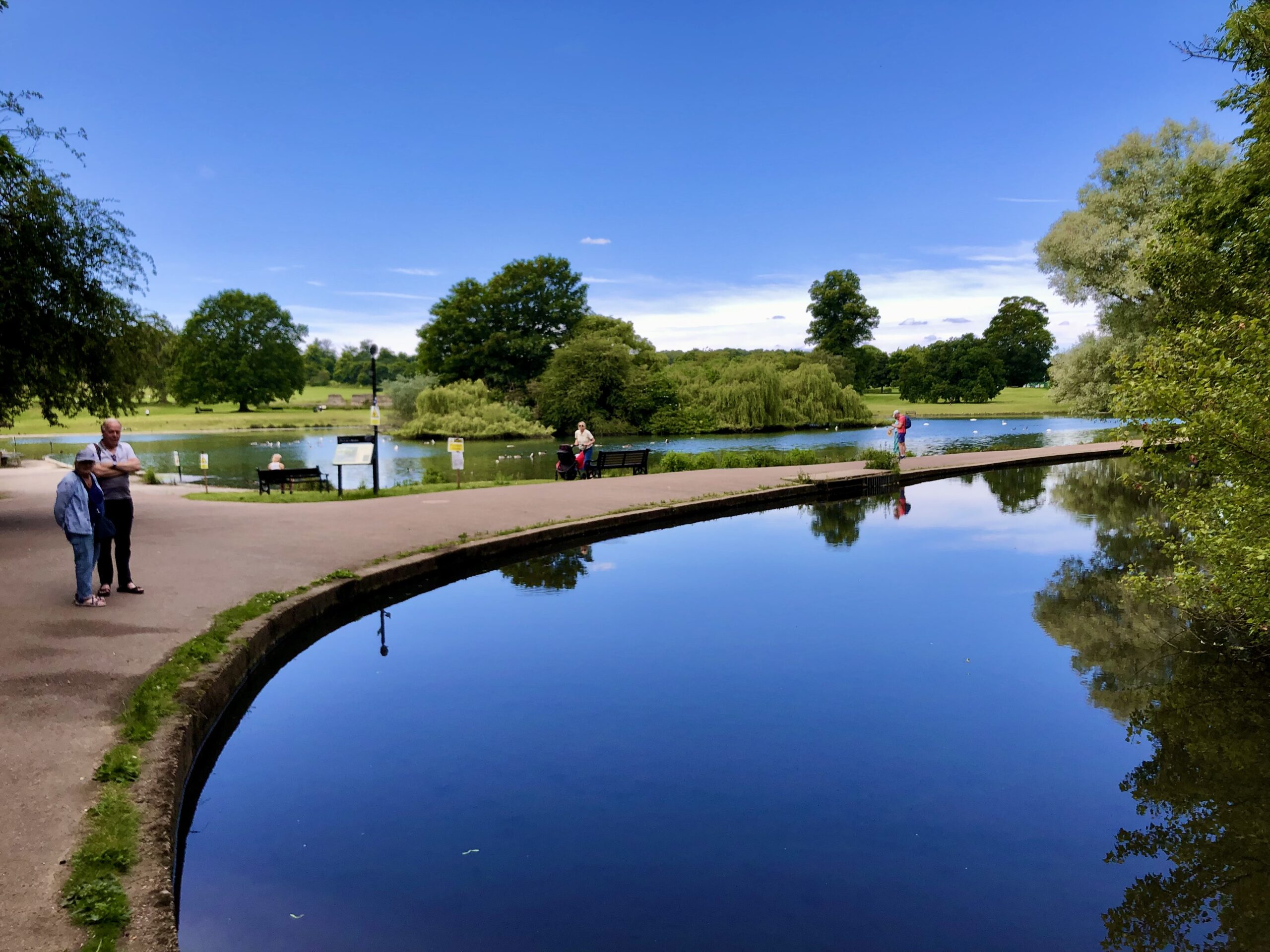
Work is progressing on plans for the restoration and long-term management of Verulamium Lake – including works at Bell Meadow and the River Ver.
SADC has launched a long-term approach to the future of the lake following concerns over its sustainability due to sediment accumulation, declining water quality, ecological pressures and the impacts of climate change.
Members of the public realm committee heard recently that in the wake of feasibility work to investigate potential options for addressing these challenges and improving the environmental resilience of the site, the council is now sourcing a suitably qualified multi-disciplinary consultant team to progress the scheme next year.
Meanwhile, work is continuing on enhancement works within Bell Meadow and the wider River Ver corridor.
The Countryside Management Service (CMS) has successfully obtained a Flood Risk Activity Permit (FRAP) to facilitate a trial natural flood management intervention within the river channel.
The proposed works involve the installation of a woody debris berm (a raised embankment or levee built to slow down, redirect, or hold back water run-off) designed to encourage natural processes, enhance habitat diversity and improve river function while monitoring impacts on flow and sediment movement.
Additional proposals are also being developed to formalise wetland areas and improve public access through the installation of boardwalk infrastructure where appropriate.
Verulam Cllr Julian Degg told councillors: “As we all know, [Verulamiun Park is] one of the district’s most important assets.
“It’s not only as a valued green space for residents and visitors, but it’s also as a site of considerable environmental and historical significance, so there’s a massive challenge in balancing the heritage, the ecology, the visitor experience, and the long-term sustainability.
“But it’s really encouraging to see such a thoughtful and collaborative approach being taken…
“These initiatives demonstrate that this is about much more than the lake itself – it’s about the wider health and resilience of the entire river corridor.”
