25 Apr 2025
SADC leader Cllr Paul de Kort has dismissed suggestions that he is ideologically in favour of making St Albans a car-free city – but other organisations seem more keen.
Keen cyclist Cllr de Kort has re-posted various X posts championing European cities which have imposed a ban on motorised traffic in their city centres, such as Groningen in the Netherlands, Pontevedra in Spain and Copenhagen in Denmark.
But he explained that this did not mean he wanted to introduce the same policy in the district.
“A thriving town centre should include the right mix of access including cars, buses, bikes and walking.
“I would observe that you do not have to be a keen cyclist to recognise the benefits of it as a form of active travel, such as reduced road congestion, environmental improvement or health and wellbeing. Likewise, you do not have to be a keen motorist to recognise the mobility and convenience that having access to a car brings. I own one bicycle and one car and use them both regularly.
“It’s not ideology, it’s what makes sense in the specific circumstances. For example, in my recent visit to Ghent, I arrived by car, parked in a car park, and then walked into the centre comfortably within five minutes.”
He said it was essential to ensure any community hubs remained vibrant and accessible to all residents, and suggested this was what SADC has achieved in Harpenden following the introduction of the new on-street parking charges.
“Let’s take the example of Harpenden, there are four car parks surrounding the High Street. From there it is a two to three minute walk to the centre.
“Recognising there are some people with mobility issues, then you would ensure that there are sufficient disabled bays, properly positioned outside GP’s surgeries and pharmacies.
“You would also be keen to ensure parents could drop off their children close to the day care business and primary schools nearby. You would want there to be some availability in nearby parking bays, rather than have them clogged up with all-day parkers. You would also want them to do this without charge, so you would introduce a free limited stay period and not charge before 9am.
“And you would also want your system to encourage footfall, so as well as making the High Street a more pleasant place to visit and spend time in, you would want drivers to have a good range of viable options in terms of parking availability and the length of need.
“You would also need to have improved enforcement capability to ensure that drivers park in places that do not compromise safety, especially given the large number of vulnerable children and older adults that frequent the commercial space.
“Throughout, listening to local residents’ feedback has been central in designing things this way in Harpenden, as it will be going forward.
“Of course, if significant funds were made available to encourage more active travel that would, in my view, be better for all, but that seems to be a way off across large parts of the country, sadly.”
He insisted his support of active travel initiatives and the way some European cities have tackled city centre congestion in no way influences his policy decisions as leader of St Albans district council.
“The most important thing I have to do as leader, is to ensure that it can sustain all the best elements of its service provision for all its residents. This cannot be done without balancing the budget each year in increasingly challenging circumstances for all local councils. This means there is no room for an ‘ideological’ approach to parking management or any other policy decision.
“Leading is about making choices and, to give one example, we did refuse to go down the local Conservatives’ suggested route of cutting our CCTV coverage, as we believe, under police advice, that this would have sharply increased business losses from shoplifting and endangered residents by the removal of this live deterrent.”
One of his predecessors as leader, Cllr Robert Donald, was a strong supporter of pedestrianising St Peter’s Street – so is this a policy he would also back?
“Transport investment is a matter for the county council, and therefore SADC is not an authority that could affect such change. It’s not on any horizon that I am aware of.”
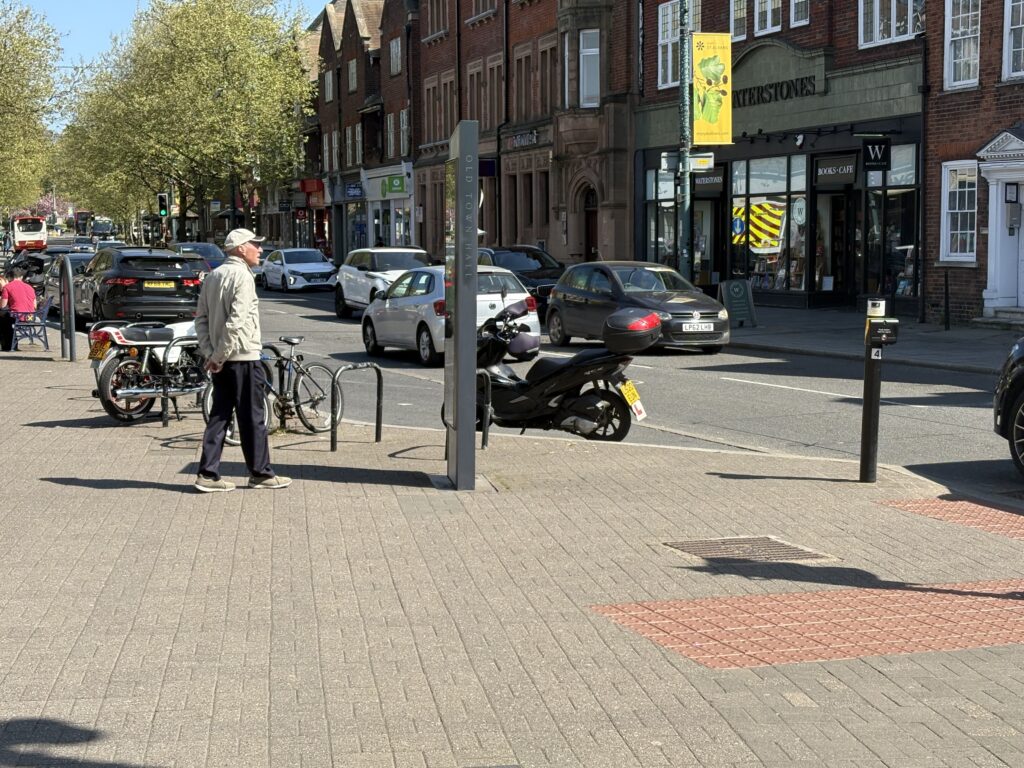
However, St Albans Friends of the Earth says it does support the idea of car-free cities as a way of encouraging sustainable transport, reducing levels of harmful air pollutants and boosting local businesses.
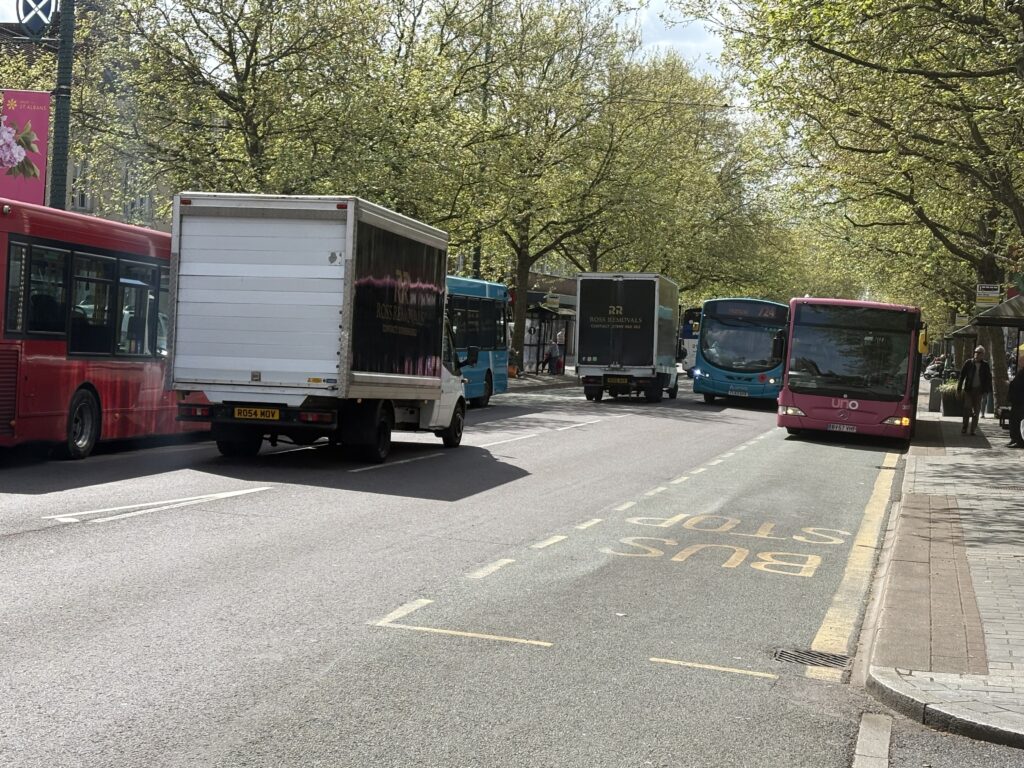
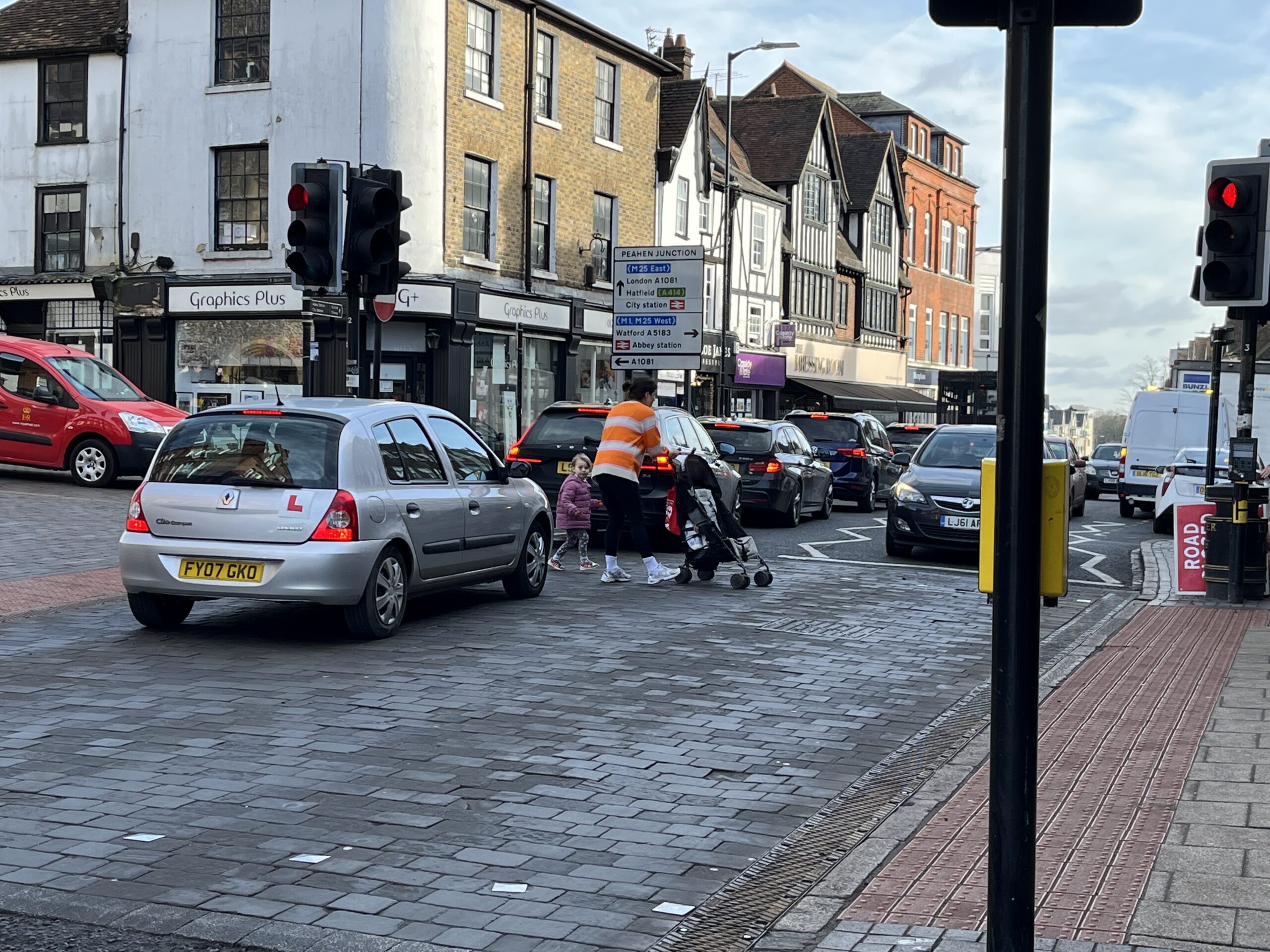
Spokesperson Amanda Yorwerth said: “A city centre that has as many vehicles going through it as St Albans has high levels of health damaging air pollution, it’s noisy and people on foot or on bicycles are crammed into a small space.
“It doesn’t feel like a welcoming place or a pleasant place to spend time, and it’s an unhealthy place for people to work.
“I quite understand why a friend of mine refused to meet in St Albans, saying it was ‘just full of traffic’ and chose to meet in Hitchin instead, where significant areas of the town centre are now pedestrianised.
“Whilst local businesses would be understandably concerned about a huge change like making St Peter’s Street car-free, the evidence suggests that, actually, local businesses should benefit.
“The Pedestrian Pound report, which came out last year and was produced by Living Streets, provides evidence that pedestrian-friendly spaces lead to increased spending in local businesses, with pedestrianised town centres enjoying higher sales.
“If St Peter’s Street was closed to cars, it would be a great opportunity to really kickstart sustainable travel across St Albans by investing in the cycle infrastructure that we would need to get to the town centre without a car.
“I think my main concern is about how the buses would fit into all of this. Buses are an essential part of a sustainable transport system and many people rely on them, but I can’t see how buses and people on foot could safely mix.”
But Cllr Simon Grover, leader of the SADC Green and Independent group, offered a less strict option: “St Albans Green councillors campaign to transform St Albans into a cleaner, healthier urban space. This isn’t about banning cars or being ‘car-free’. It’s about creating a city where people don’t need to use them for every journey.
“We want to see St Albans city centre become a thriving place where people can walk, wheel and cycle safely. The narrow medieval streets of our historic city were never built for heavy traffic. They should be spaces for people to enjoy.
“We call for proper investment in new cycleways and footpaths throughout St Albans. This will help more residents choose active travel for local trips.
“We must tackle air pollution in St Albans. The congestion on routes like London Road and Holywell Hill and many surrounding streets affects our health and wellbeing. We want reliable, affordable public transport to provide real alternatives to cars.
“Other cities show what’s possible. Free bus schemes boost local shops. Pedestrianised areas create vibrant community spaces.
“St Albans should be a place where children can travel safely, where everyone can breathe clean air, and where our historic streets serve communities, not just traffic.”