06 Mar 2026
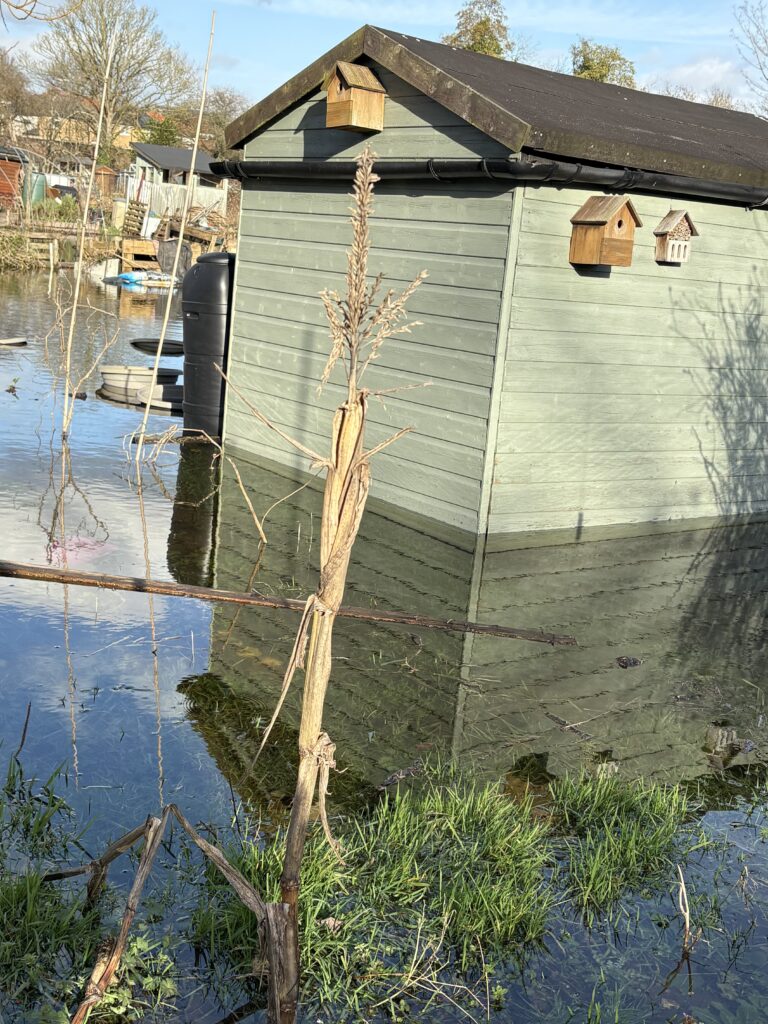
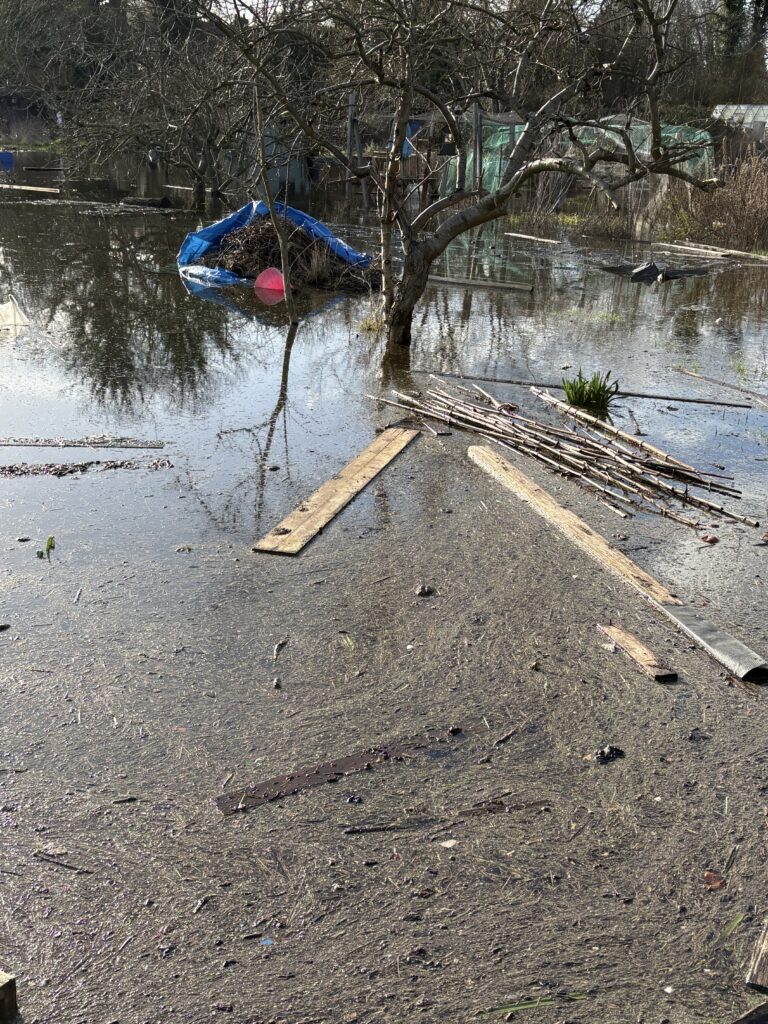
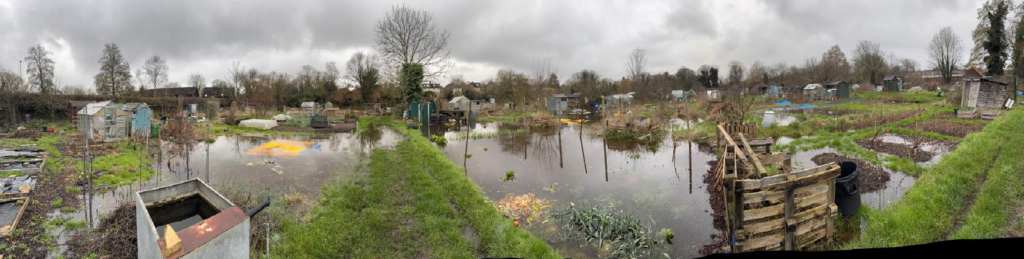
Crops have been ruined, homes are being put at risk, and a valuable community resource has been transformed into a stinking swamp by flooding.
The Cottonmill allotments have been affected by new abstraction limits imposed by the Environment Agency which restrict the amount of water Affinity Water can extract from the River Ver.
In the wake of high demand for water last summer, Affinity Water has been forced to manage extraction to ensure it remains within its annual allowance, which is subject to new limits imposed by the Environment Agency intended to improve the health of the river.
But when the pump at the Cottonmill borehole is turned off, the water table rises, breaking through at what is probably the lowest point in St Albans and flooding the allotments.
Although it is recognised that this site and the nearby Sopwell Nunnery green space are on floodplains, the construction of Cottonmill Lane means water cannot run-off the allotments and rejoin the river downsteam like a normal floodplain would.
Chair of Cottonmill, Nunnery 1&2 and Sopwell Allotments Association Keith Reynolds said they had only just seen recent flooding subside this week: “We were advised in advance of the impending stoppage in abstraction and as predicted the waters came up, really quick. We were told this situation would last for all of March but then it started dropping last Wednesday during the rainy days, which could only suggest that pumping had recommenced and in doing so allowing the water to drain away.
“If this was the case then it sets a precedent whereby its proven that working within the licence terms extraction levels can be met and we do not need to be flooded.
“This is where we need the council [the allotments owner] and the EA to step up and look at the licensing in relation to the various pumping sites and the impact they have on local residents and plot holders. As someone that is passionate for the health of our river I support the intentions, but the method to achieve them seems illogical.
“What is the sense in reducing extraction in the most vulnerable low spot in the Ver Valley? Why not reduce extraction further up the valley where people and property are not affected? Surely there must be a better strategic usage of the different pumping locations?
“After all, if it’s about improving the health of the Ver wouldn’t that be a better logic? As it is, there’s 75 per cent of the length of the river that doesn’t benefit from this current abstraction strategy.
“As it stands it seems that meeting the license commitments means switching off the most volatile pumps, in the most vulnerable area, at the most precarious time of the year, and that cycle need to be addressed.”
Many of the gardeners on the allotments supplement their shopping with fresh produce grown on their plots, but their crops have been destroyed and the soil left like a bog.
Keith said: “The sad thing is that lots of people have already got in early and put in some shallots or potatoes, and it’s all been wasted.
“It will take a lot of weeks of sunny weather for the soil to dry out and you can get onto work on it again, but at the moment you could only walk around if you were wearing waders.”
Another gardener added: “This is extremely upsetting. I grow vegetables all year round, and this forms an important part of our food supply. I’ve had to dig up everything I could salvage, but that’s only a portion of what was there. What about the crops that are still in the ground and were meant for the spring harvest? Who is going to compensate for that loss?
“It’s very hard not to feel frustrated. Those responsible don’t seem to fully understand the real impact this has on us and the time, effort, and reliance we place on what we grow.”
As well as flooding the allotments, the waters rose on the green space near Old Sopwell Gardens, threatening to breach residents’ gardens.
Keith added: “The green space opposite the allotments are on the same flood plain, and surrounds Old Sopwell Gardens. These houses could also be affected with the emerging water combining with existing surface water. Surely residents must be made aware of impending boggy gardens, or worse?
“Affinity Water have previously said that in agreement with the Environment Agency, extraction reduction will be made from the source furthest from Cottonmill, so can we be reassured that this will happen in future? It certainly hasn’t on this occasion, and has unnecessarily caused a lot of lost produce, heartache and stress to a lot of gardeners and residents.”
A spokesperson for Affinity Water told the St Albans Times: “Affinity Water adjust pumps every day over many sites across our supply area to make sure that we can meet customer demand whilst ensuring we do not take more water than our abstraction licenses allow.
“We notify St Albans City and District Council and the chair of the allotment society in advance of changes we make to our pumps which might increase visible water at the allotment site, and maintain pumping, where possible, from the borehole closest to the allotment.
“Given the exceptionally wet weather over the last three months, it is likely that surface water would be visible at the site irrespective of our abstraction rates.”
Keith responded: “Yes, we accept some surface water will occur in periods of excessive rain, but not a damaging and dangerous 5-6ft of flood water.”