


05 Sep 2025
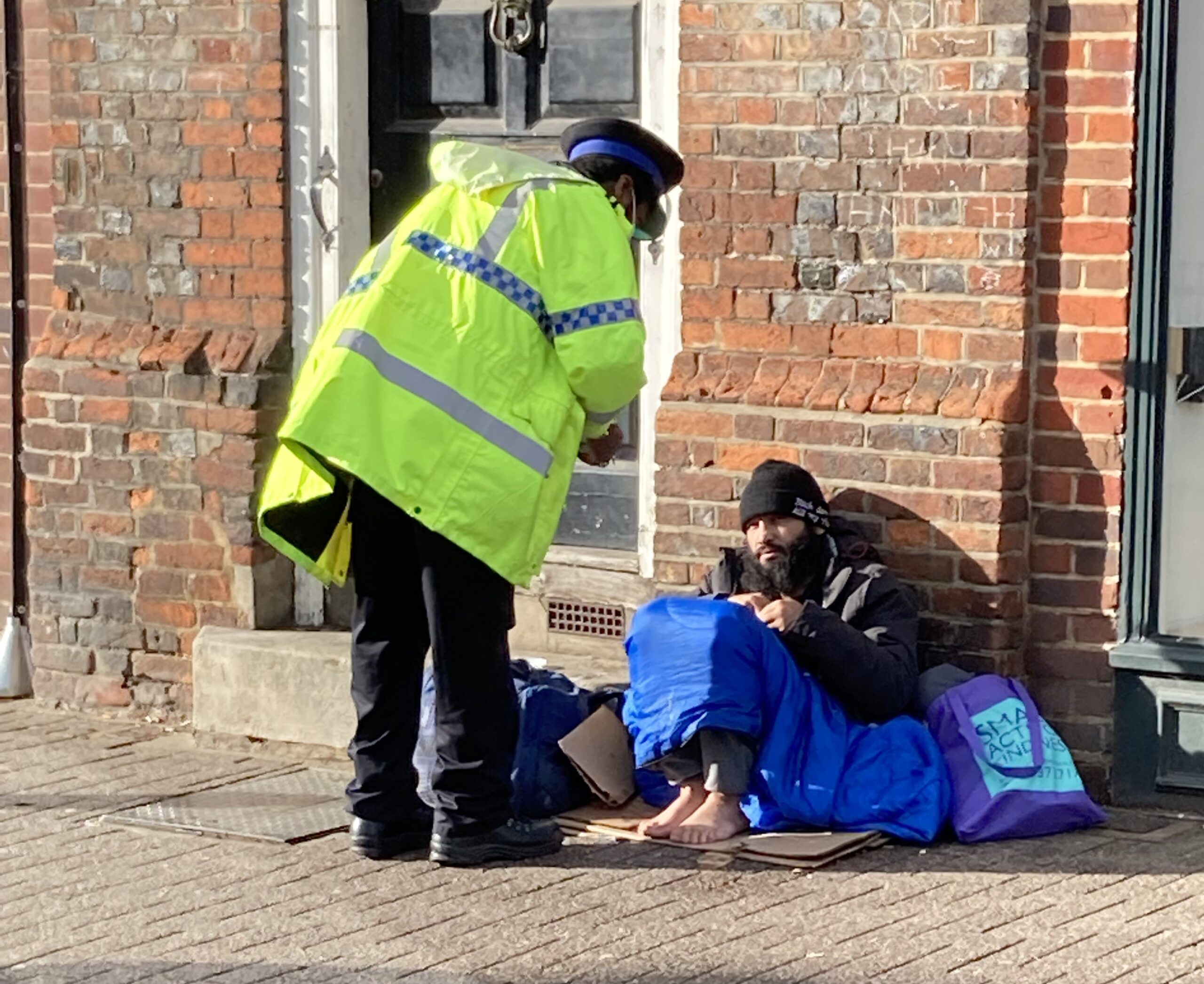
A massive increase in the number of homeless families across the district has placed unexpected pressure on SADC’s finances – and will require urgent action to balance the budget for next year.
Demand for temporary accommodation has far exceeded the number of available properties in the district, with 81 out of 218 homelessness cases at the end of July having to be placed into hotels.
Officers are reviewing available data to understand the causes, and taking action to increase the supply of temporary accommodation within SADC’s housing stock. They are also looking at considering placements outside the district where this is appropriate and cost-effective.
But unless the number of cases reduces, there will continue to be a cost pressure from hotel accommodation of up to £2m.
Council leader Cllr Paul de Kort explained: “The increase in the numbers of households in temporary accommodation locally reflects the national trend.
“The three main reasons for homelessness remain consistent, namely: a breakdown in a relationship; being asked to leave a home by family; and eviction from a privately rented home. It is the increased volume of these occurrences that have made the problem sharply more acute.
“Lib Dem councillors know only too well from supporting our residents just how devastating it is for those who find themselves homeless, almost always through no fault of their own. We recognise that homes aren’t just bricks and mortar, they’re warmth, safety, and they give people a sense of belonging in their local community. That’s why the provision of much more housing at social housing rent levels is a cornerstone of our Local Plan and why I consistently state that the housing crisis is the biggest single problem this district faces.”
He said the council has developed an action plan in partnership with the Ministry of Housing Local Government and Communities to reduce the use of hotels as temporary accommodation and to increase the supply of more suitable self-contained accommodation.
This includes obtaining government funding to purchase properties and working in close partnership with housing associations.
Meanwhile, a further £200K budget shortfall relates to the completion of the fit-out and commencement of the lease for commercial space at Jubilee Square, although this is partly offset by departmental savings across the board and interest on cash balances.
These two issues will result in the council’s reserves being £900,000 below the minimum level of £2.5m, which would reduce the authority’s abilities to respond to unexpected costs or emergencies such as economic shocks, service demand spikes or unforeseen infrastructure failures.
In a bid to make up the difference and fulfil SADC’s legal obligation to set a balanced budget, officers are looking at increasing fees and charges by at least the rate of inflation – or to the maximum allowed where regulations restrict increases – and councillors on SADC’s various committees will now be expected to put forward their budget proposals and savings options.
Cllr de Kort explained: “The budget-setting process kicks off with the September service and scrutiny committees looking at the positions. Ideas are brought forward here by councillors and they will then get examined for their impact. Local councils across the country are all in the position of having to make tough choices, though. 2026/27 budgets are not expected to be any different.”
But even if SADC raises council tax by the maximum of 2.99 per cent, there will still be a shortfall in income, and Cllr de Kort added: “Tucked away in the Government’s most recent Budget announcements was their assumption that all councils would raise their council tax by the maximum. Their funding of local government’s extra need is therefore based on this. As the Government has also announced the cap on council tax increase remains in place, local residents will not have to pay more than the Government has dictated.
“However, even if we raised council tax to the maximum amount – as the Government is effectively telling us to do – that extra money would be outstripped by rising costs and demand for services.
“This will leave us once again between a rock and a hard place, where this Liberal Democrat administration will once again to do all in its power to protect the services that our residents tell us are most important to them, whether that be public leisure facilities, CCTV protection or fly-tipping deterrence.”
