26 Jun 2025
A controversial seven-day markets operation in St Albans city centre has failed to meet expectations – yet councillors are still considering making it permanent.
As part of a 12-month pilot scheme approved last July, SADC provided pitches for at least 10 stalls every day throughout the week, operating as additional markets instead of stand-alone street traders.
At the time markets manager James Ó Nuanáin – who is believed to have recently left the council – insisted the changes would provide the high street with additional economic activity, provide greater parity between the terms, conditions and fees of traders working on different days, and to raise additional revenue to support vital council services.
Dozens of city centre businesses objected to the plans, claiming SADC failed to consider the impact on bricks and mortar premises, which would lead to unfair competition and an imbalance in the local economy.
But Lib Dem councillors on the strategy and resources committee voted overwhelmingly in favour of the proposals, with an extended pilot for 12 months aimed at allowing wider consultation and feedback.
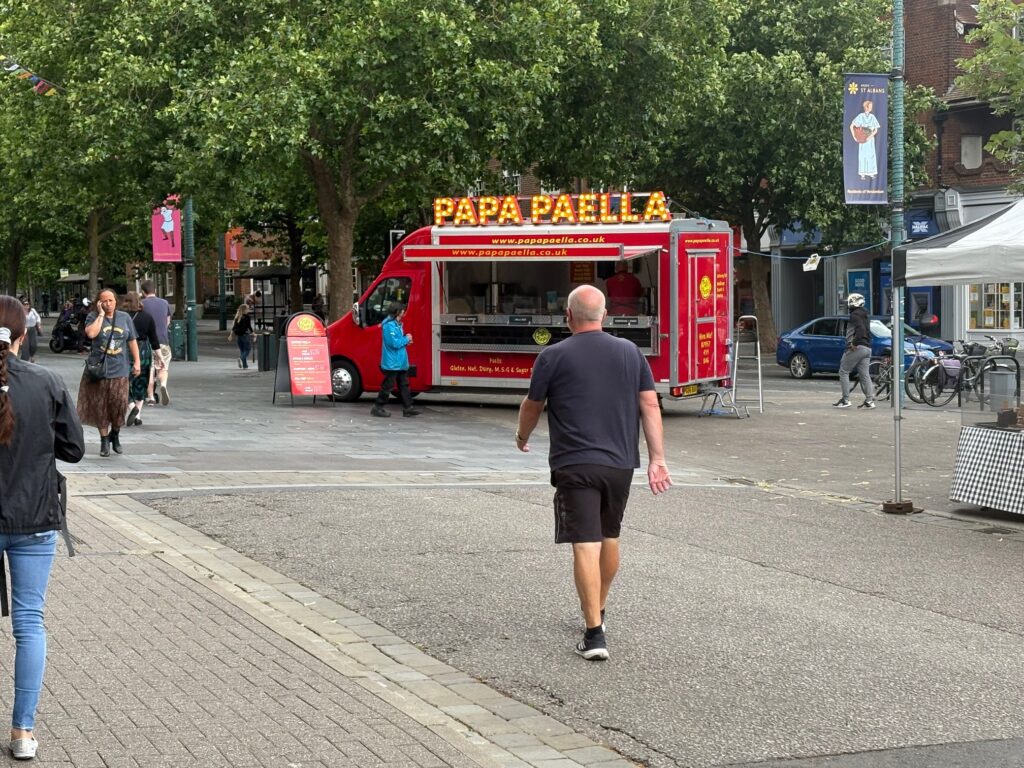
Since the pilot launched in September, many days have only seen a handful of extra traders, with the most successful being Thursdays and Fridays. At no micro-market has the number of traders reached the maximum of 10. At six the number of traders has reached nine.
In a report to this week’s meeting of the same committee, councillors have received a progress update on the scheme, with a view to making it permanent.
It revealed that of the 36 applications that SADC has received to trade on the micro-markets, 50 per cent of those have been for street food, and the majority of applicants wishing to trade on Mondays, Tuesdays, and Sundays have been street food applicants.
The report said: “The technical change between street trading and micro-markets is unlikely to have any measurable impact on footfall or generate any measurable change in the city centre.
“Feedback from the attending traders has been very positive and there has been a high retention rate among the micro-market traders.
“We have received no direct comment on the change to micro-markets from residents, visitors to the city centre, or from local businesses.”
The delayed implementation of the micro-markets is said to have contributed to their poor financial performance, with just £5,450 brought in over the eight months against a target of £31,640.
But St Albans Hospitality and Retail Group are unhappy with the scheme.
Chair Sean Hughes of The Boot and Dylans said: “In my opinion we don’t need to see an increase from the current level of traders as any new trader takes a huge toll on our businesses. Many local business have emailed SADC but it appears we must have all emailed outside of the consultation ‘window’.
“What we need is a sit-down meeting with the council and BID to work out a positive way forward. This test has involved very few traders and our worry is that it will be hailed as a huge success with little comment or complaints – as they are unlikely to take previous emails into consideration – which will then result in a surge of traders, especially hot food traders, which will have a very negative effect on local business.
“The high street is just about surviving and adding more food stalls on a daily basis will just hammer the nail into the coffin of local pubs, cafés and restaurants.
“Increased trading on the street will not increase economic output if anything it is bringing outside traders into our local economy which is detrimental to our retailers as they can afford to undercut bricks and mortar businesses.
“We need a new plan for Market Place and we need a market manager who will engage and work with local businesses. We also need BID to lead the voice of local business so that we can all succeed together and make St Albans an even better place for visitors and residents alike. The current situation is not working. We have sent several emails to the markets department about various issues with not even a reply… it’s impossible to work like this when we all want to make the centre of the city the best we possibly can.”
He offered suggestions for improving the city centre as a whole: “We need to use the pedestrianisation of the centre of this historic city properly and like Welwyn Garden City we need serious investment to implement it. The recent works outside The Boot – using Tarmac to fill cobbles – shows the amount of interest various stakeholders have. This is a battlefield and one of the most historic parts of the country. It needs a vision and a plan to realise this vision and it needs urgent leadership to move things forward. Right now imposing more food trucks onto hospitality businesses just about surviving is not helping bricks and mortar business. If anything it is directly targeting them.”
Green and Independents group leader Cllr Simon Grover has been outspoken about the scheme since the beginning.
He said: “The council’s handling of the so-called micro markets has been a debacle from start to finish. Now, to add insult to injury, the council is proposing ignoring the promise of a 12 month trial, and making the new situation permanent. The new arrangement has only been up and running for six months, due to delays, and has raised hardly any extra money. Yet it has caused huge upset and worry for former street traders, and led to some of them giving up their business.
“The council report acknowledges that take up has been slow – in fact on most days there are only three or four traders at these micro markets. The report also acknowledges the new markets are ‘unlikely to have any measurable impact on footfall or generate any measurable change in the city centre’.
“There has been no consultation and the views of street traders who have been forced to pay astronomically increased fees have been completely ignored.
“I’m sorry to say that this seems to be yet another example of the council shunning consultation and ploughing ahead with bad plans just to save a few pounds. You would think after all the controversy this council has caused for the market over the last few years that they would leave well alone. But no, they seem determined to cause more damage, and upset more traders, while bringing no benefit to residents who use the markets.”
Meanwhile, SADC has also hiked the fees for traders wishing to set up stalls at council events in the city centre, including the recent Spring Festival.
Those selling hot food, drinks for on-site consumption, ice cream and hot desserts have seen an increase of almost 22 per cent, from £175 to £213, while vendors of food and drink, gifts, sweets, hampers, meats, cheese, jams, bread, olive and cakes have seen costs rise from £120 to £132 (10 per cent).