23 May 2025
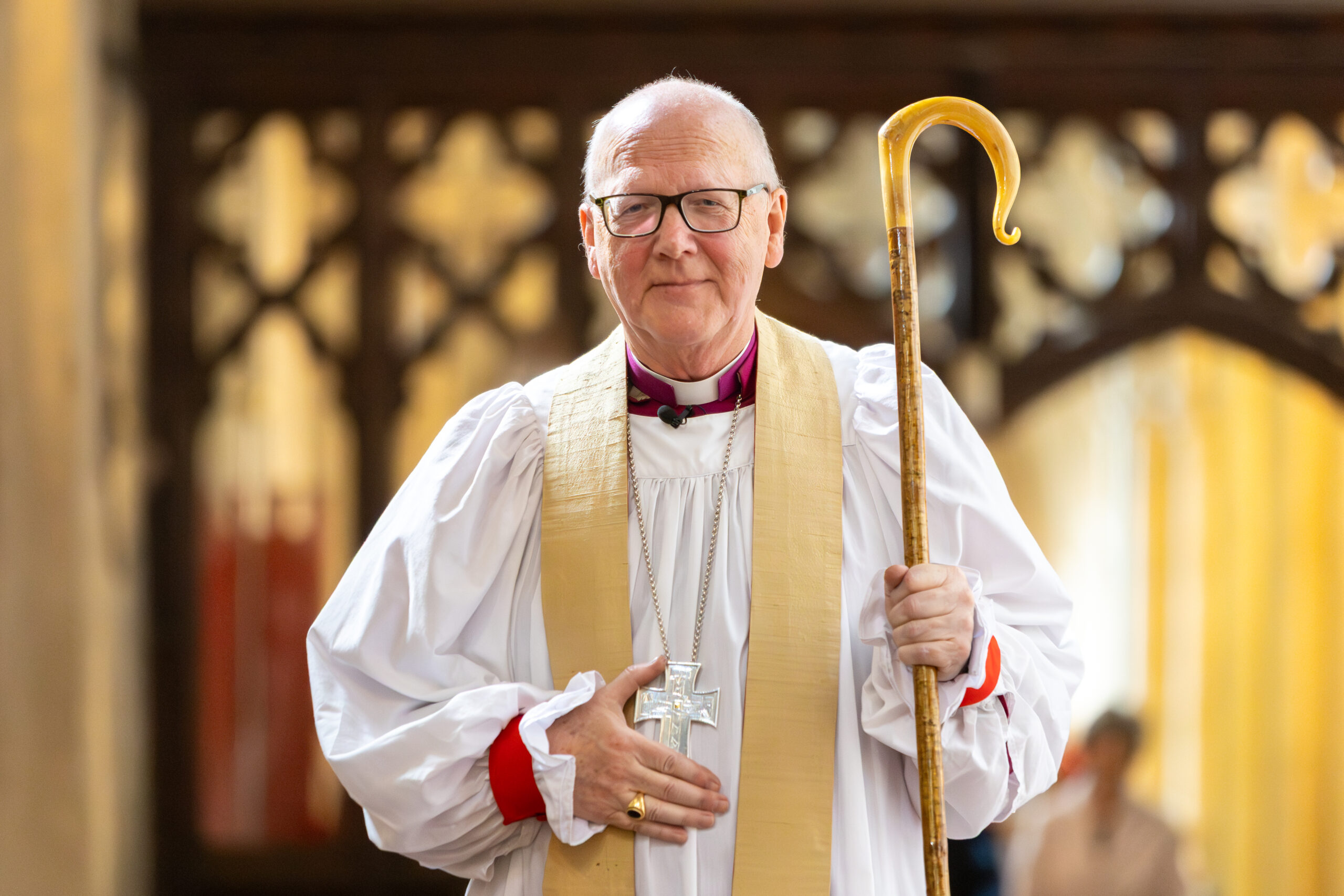
After 16 years as Bishop of St Albans, Alan Smith is preparing to hand over the crozier and begin a new chapter.
From village churches and cathedral services to debates in the House of Lords, he has spent more than a decade and a half serving both the local and national community.
Before stepping back from public ministry, Bishop Alan spoke to the St Albans Times about what he’s learned, what he’s loved, and his plans for the future.
As he prepares to step down after 16 years, what are some of the moments he will remember most clearly?
“Being present when President Zelensky addressed both Houses of Parliament in Westminster Hall in February 2023 was unforgettable. The atmosphere was electric as he entered, and the entire crowd erupted in applause. I felt proud that we were standing alongside the Ukrainians in their hour of need.
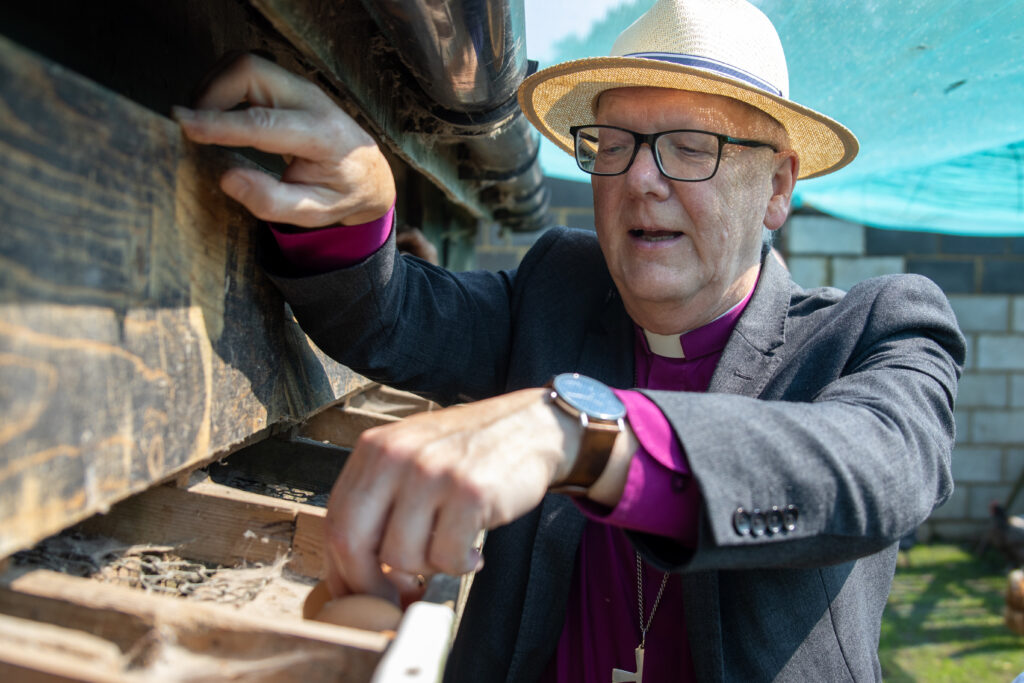
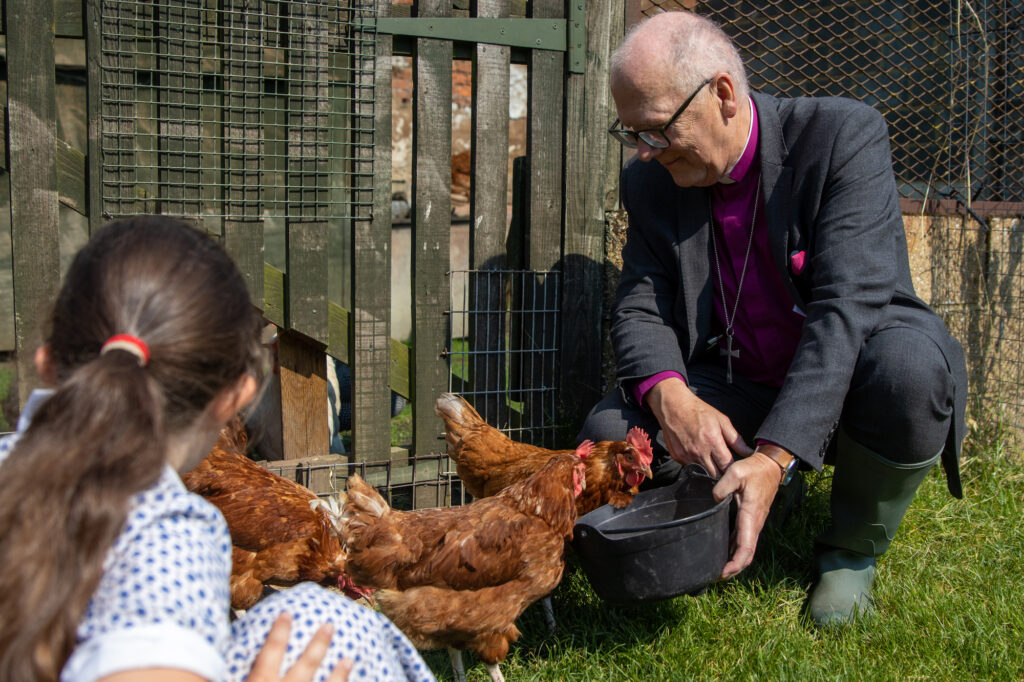
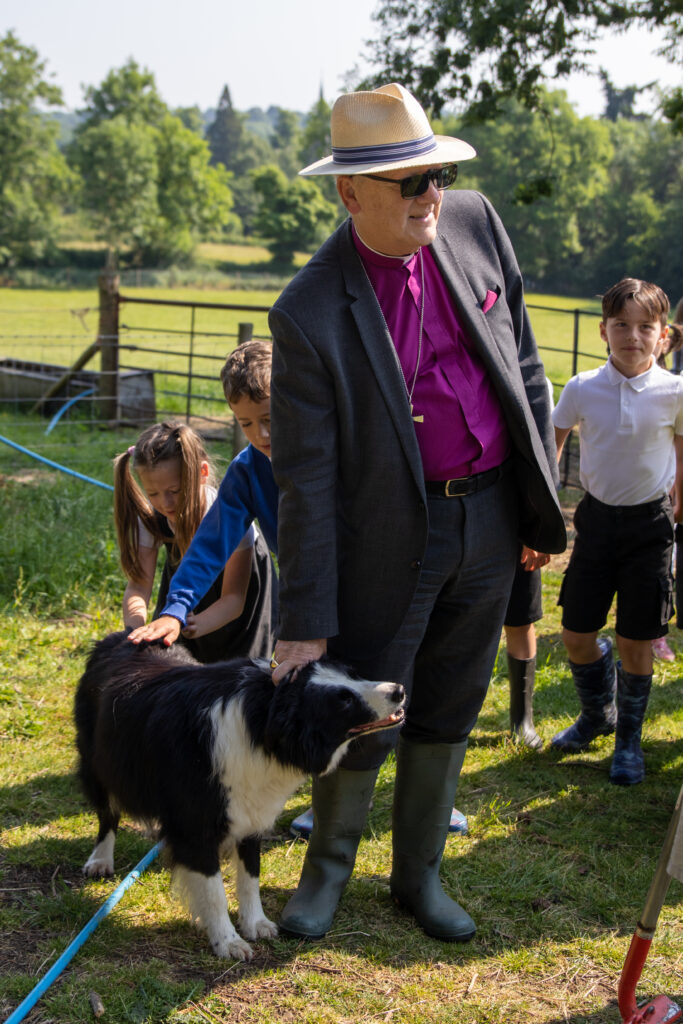
“Ten years ago, the Archbishop of Canterbury made a three-day visit to the Diocese and preached at the annual St Albans Pilgrimage. It was a privilege to accompany him as we visited schools and farms around the county.”
Church leadership can be both demanding and fulfilling. What has helped you stay grounded along the way?
“Gardening has been a great source of relaxation. I’ve redeveloped the two-acre gardens here at Abbey Gate House, and it’s been lovely to open them to the public for snowdrops in February and for the flowers and shrubs in the summer. It’s also raised a lot of money for local charities.”
What changes have you seen in the Church and in the communities you’ve served over the years?
“I don’t think we’ve fully realised the impact of the Covid crisis on Hertfordshire. It disrupted commuting and work patterns; many young people have not yet returned to
school, and there’s been an increase in mental health problems.
“One of the things our churches are doing is seeking to strengthen communities and build relationships. We need to encourage greater social involvement and nurture community trust.”
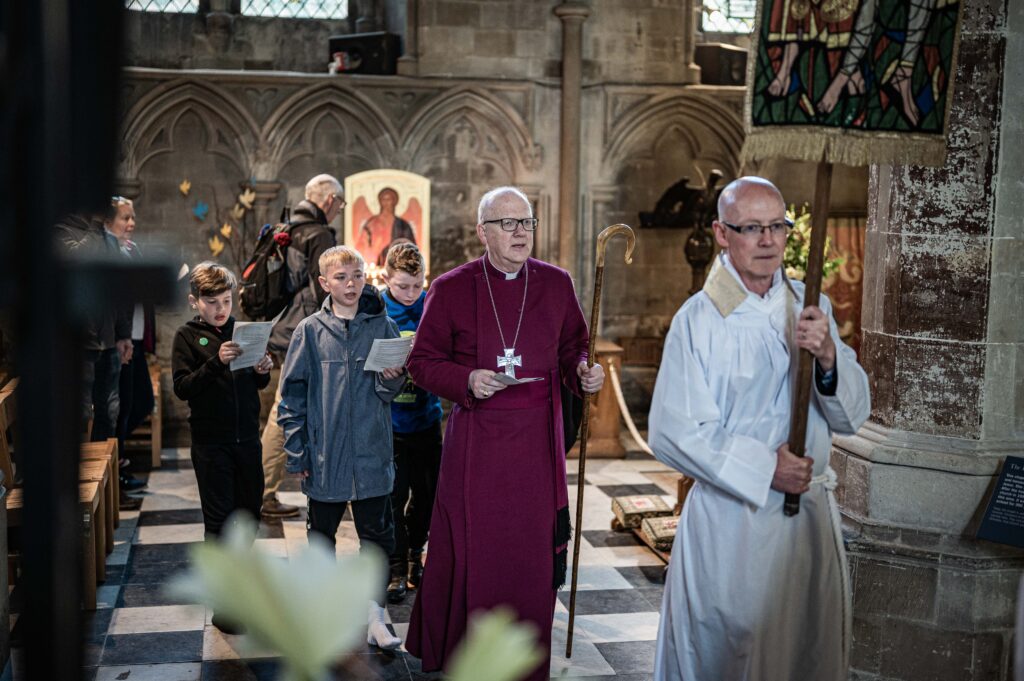
Helping churches grow and stay active has been a big part of your work. What do you think helps churches stay rooted in and relevant to their local communities?
“Every Sunday, I’ve been out and about leading worship in different communities. I’m always impressed when I come across church-run foodbanks, debt advice centres, toddlers or youth groups. There are so many grassroots groups to celebrate.”
You’ve always been a strong supporter of rural churches. Why has that been important to you?
“I was brought up in a tiny hamlet in Wiltshire, so I’m passionate about rural life and work. The church is sometimes the only public building in a village, and I’ve always wanted them to be unlocked and open for visitors. They can also be great places for village meetings and events, as well as providing worship. We are fortunate to have some wonderful examples of how village churches are at the centre of their local community.”
You’ve had a national role too, serving in the House of Lords and speaking up on issues that matter to local people. How has that work connected with your ministry here?
“It’s been a huge privilege to be involved in the House of Lords. I’ve always tried to use my position to bring the concerns and strengths of Hertfordshire into national conversations. There’s so much to be proud of in the county, and I’ve often spoken in support of our local businesses and charities.
“For over a decade, I’ve been involved in a campaign to regulate online gambling, which is leading to over 400 suicides annually and causing a lot of suffering. It began when a couple came to see me whose son had taken his own life. I was instrumental in getting a Select Committee in the House of Lords to come up with recommendations, some of which have been adopted by the Government. I was also deeply involved in the issue of unsafe cladding on housing, which has been a problem for many people in St Albans.”
When you look at the Church today, what gives you hope for its future?
“I find encouragement in many of the young people I meet, not least in our church schools. Most weeks, I conduct a service of confirmation, which gives me a chance to meet with the candidates. Their natural enthusiasm and energy is a tonic to so much of the cynicism which surrounds us in the news.”
As you hand over to the next bishop, what advice would you give them?
“Spend your time out and about in the parishes, schools and chaplaincies and listen to what they are doing. Find ways to celebrate with them and thank them for what they are doing.”
How are you feeling about stepping back from public life?
“I will be sad to leave this wonderful Diocese and to no longer live in St Albans, which is a very special place with a fascinating history and lively community. However, I’m hoping to continue with some advocacy and charity work, but just in a new capacity.”
What are you most looking forward to in retirement?
“I will be moving back to my roots in Wiltshire, and I’m looking forward to having more time for music (I trained as an organist) and gardening. I’m also planning a big trip to Australia and New Zealand in the New Year.”
And finally, what message would you like to leave with the people of the Diocese and the wider community?
“A big thank you for your friendship and support and for teaching me so much about how local communities can thrive and flourish when everybody works for the common good.”
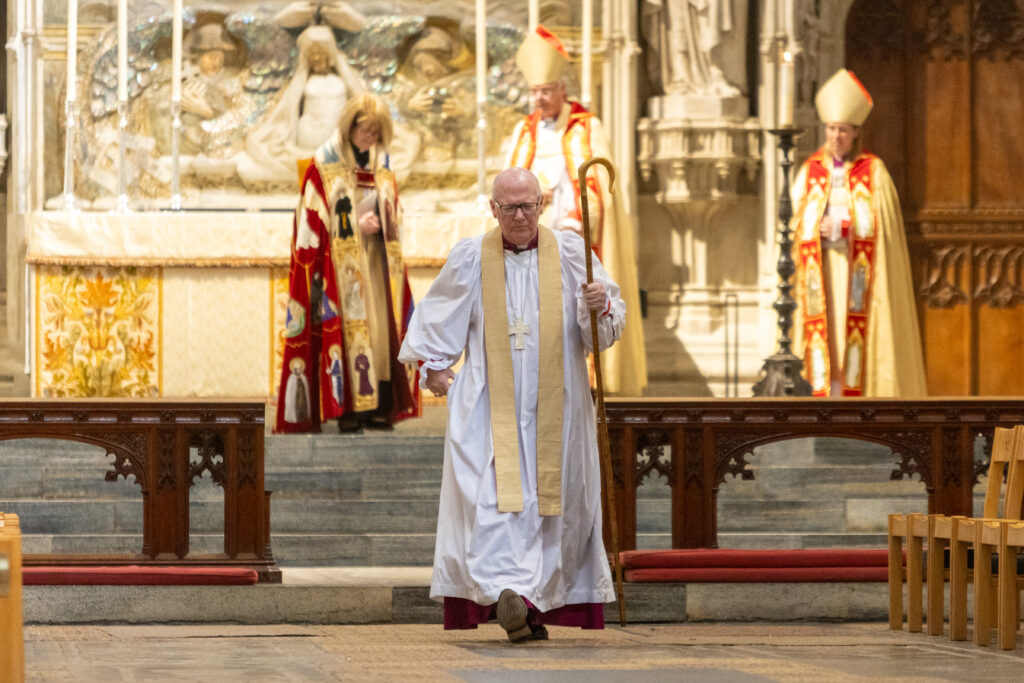
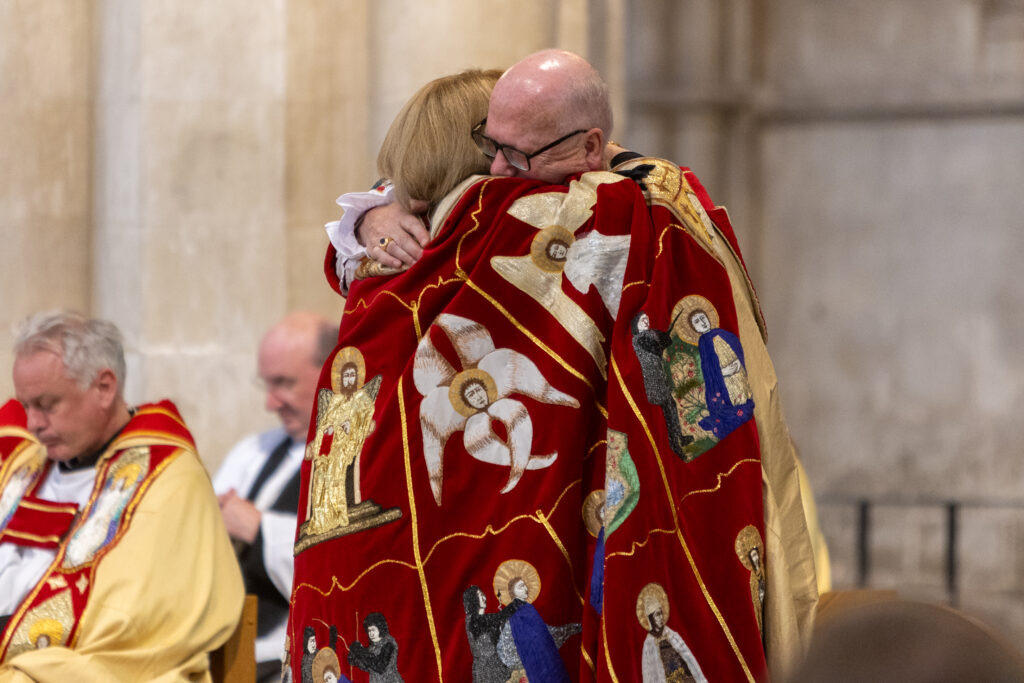
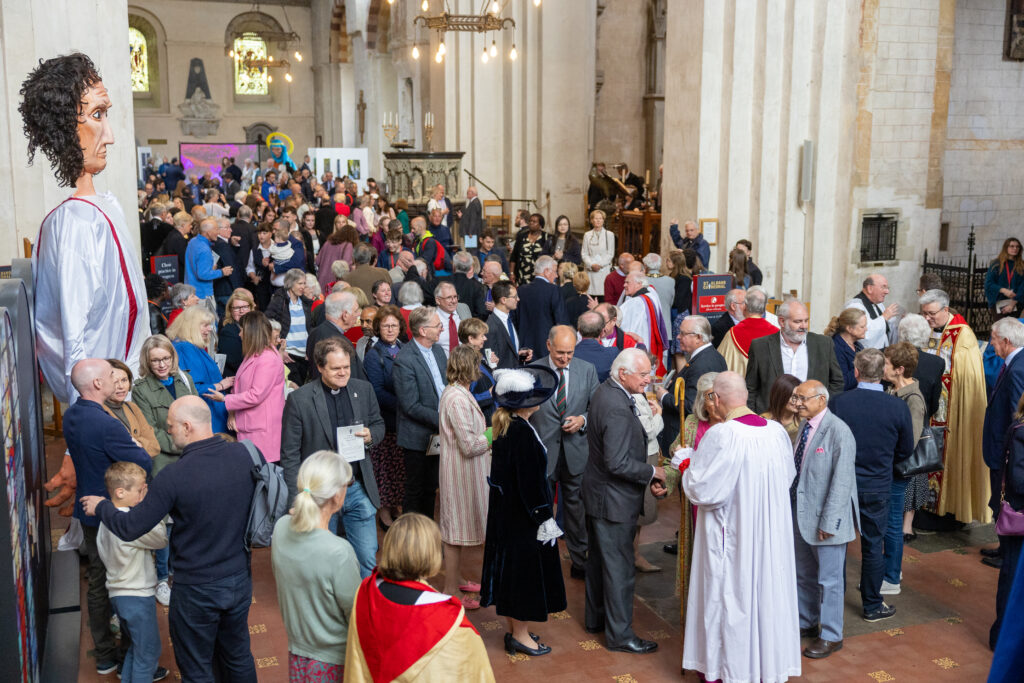
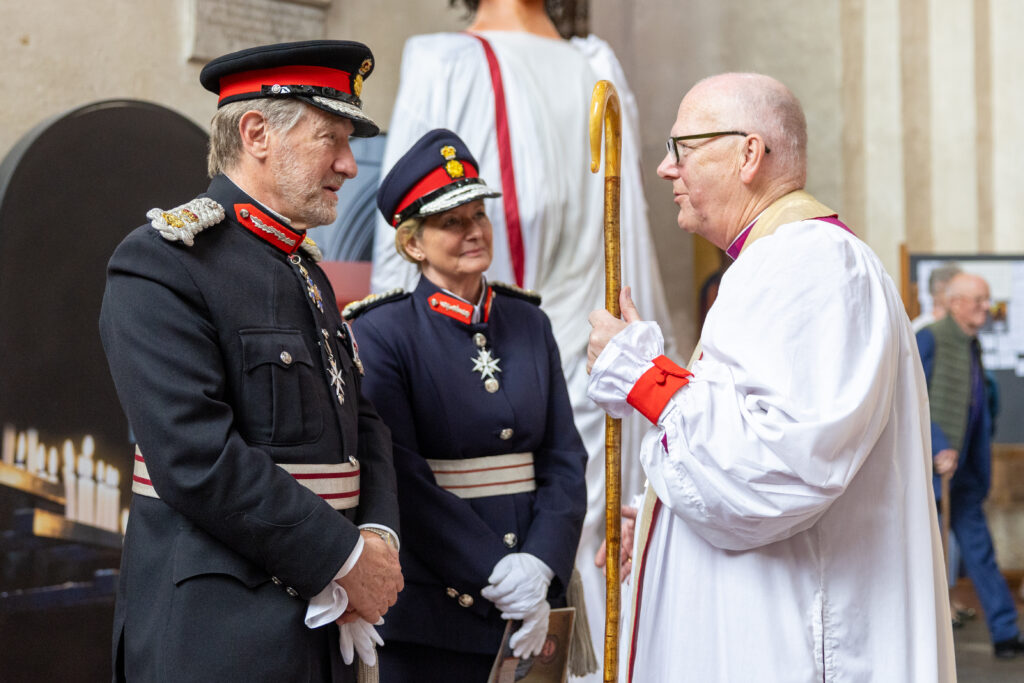
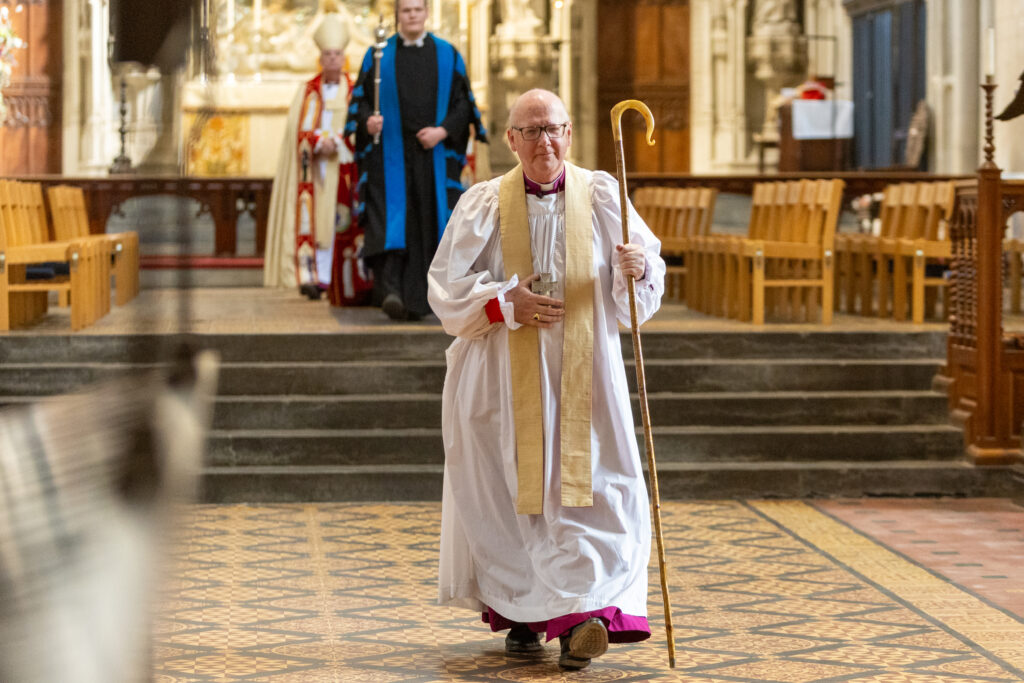
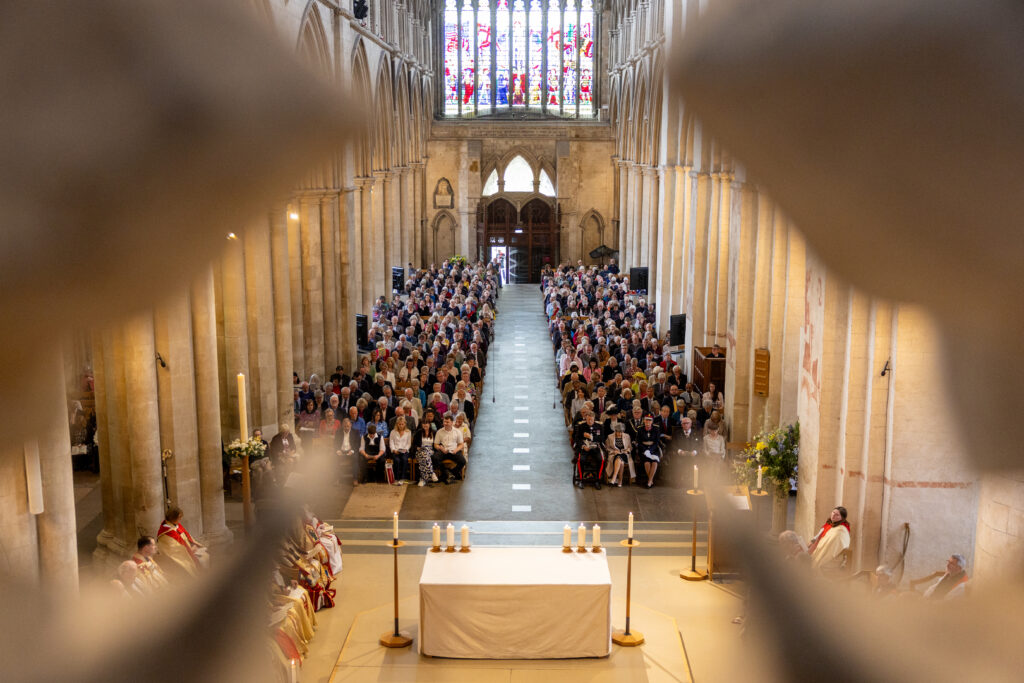
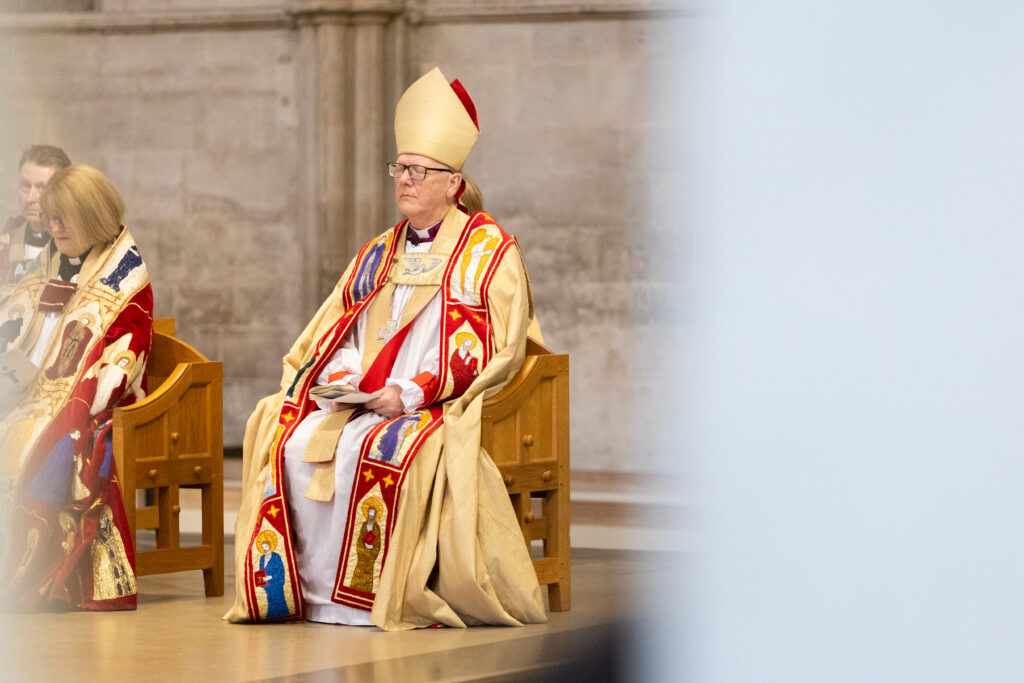
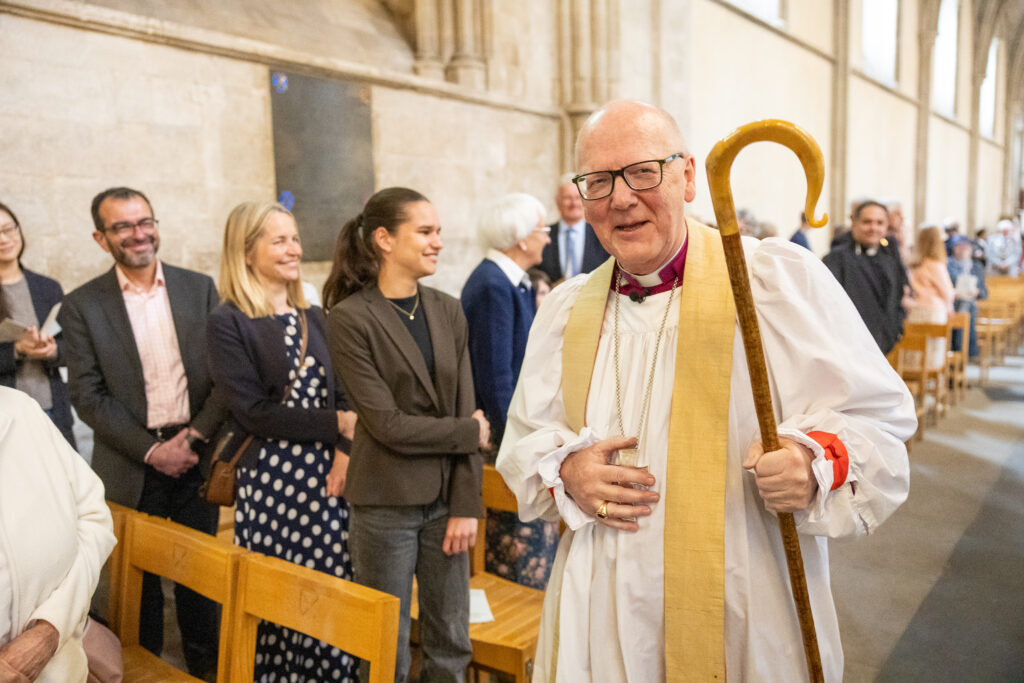
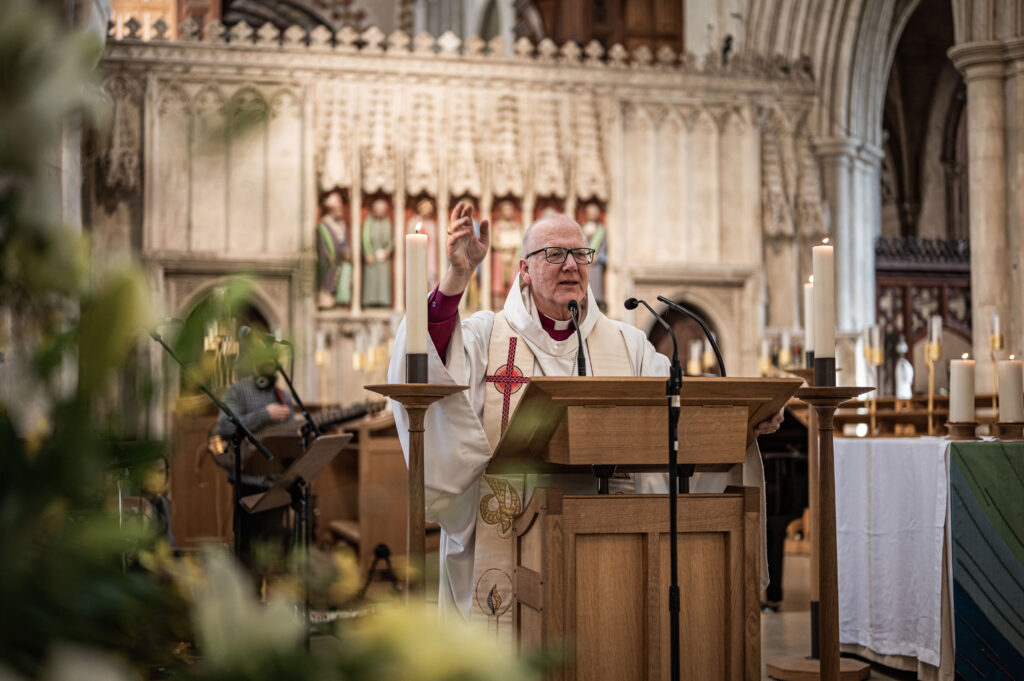
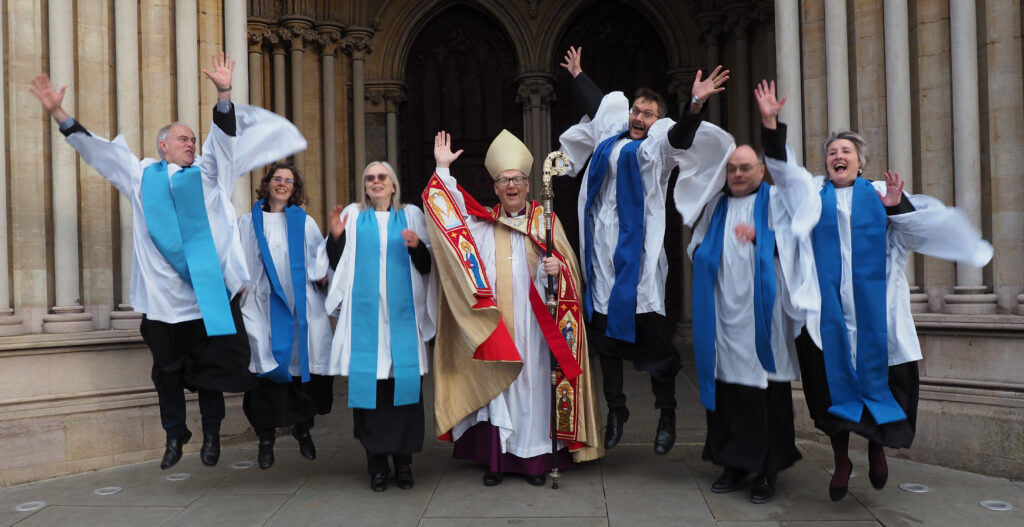
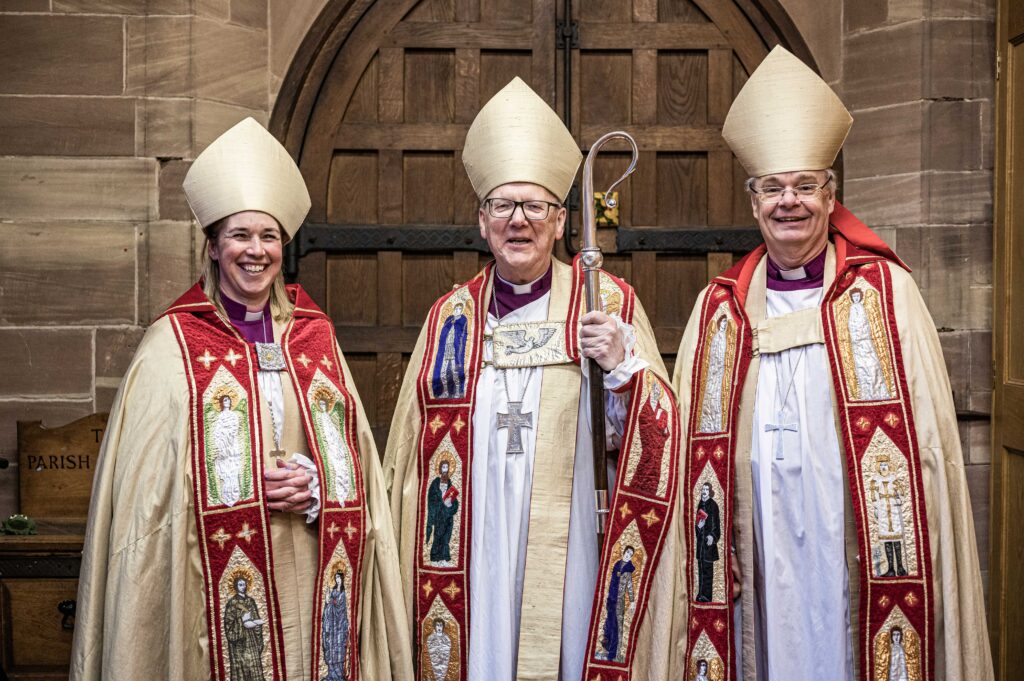
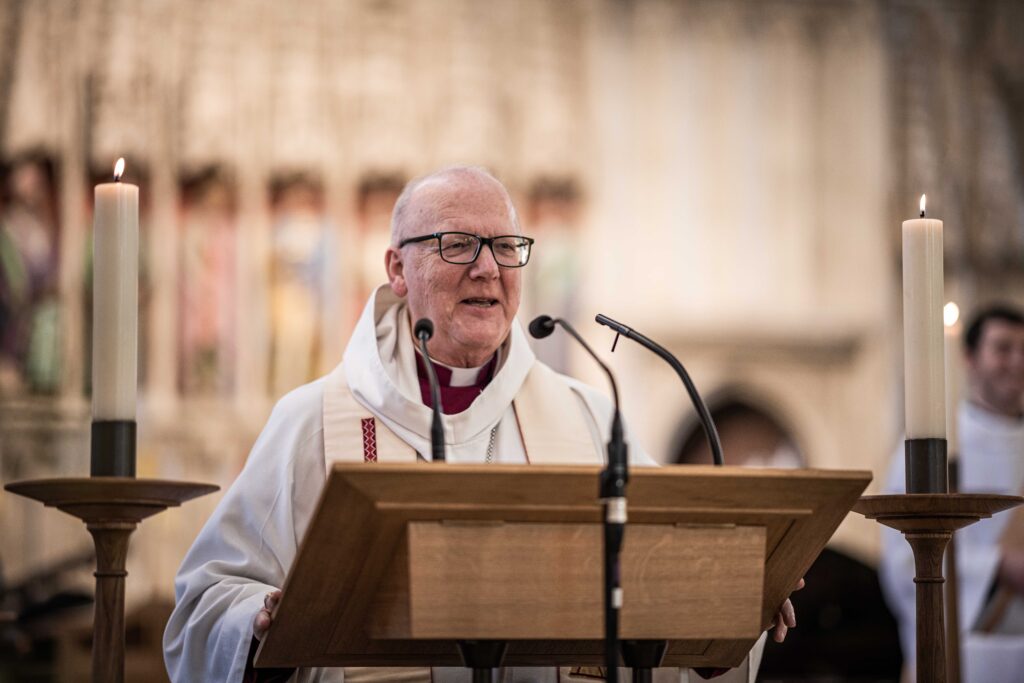
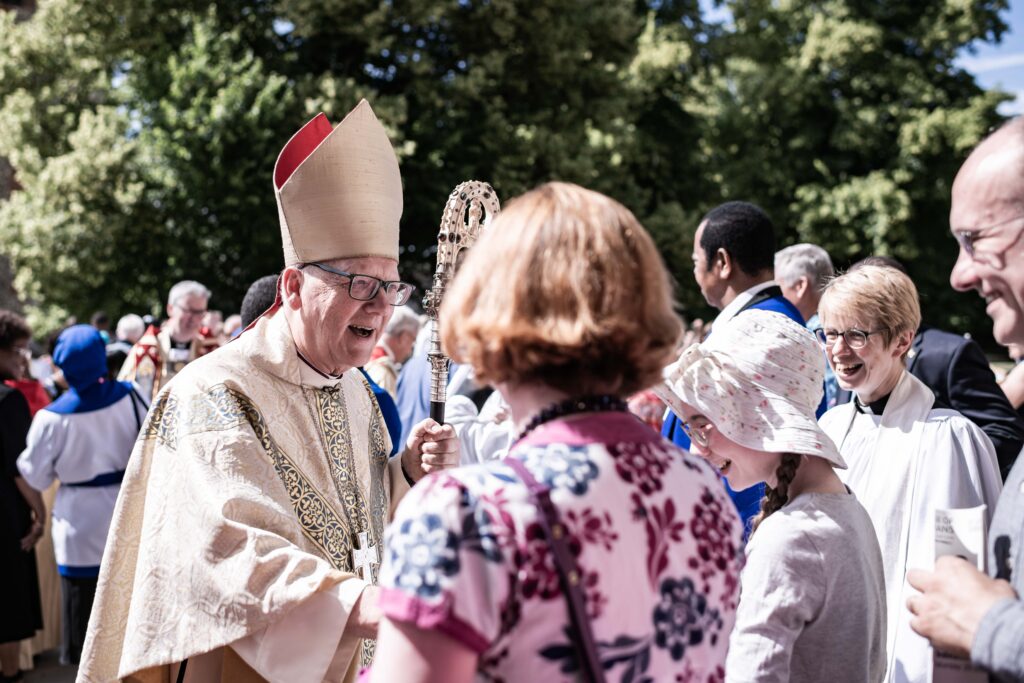
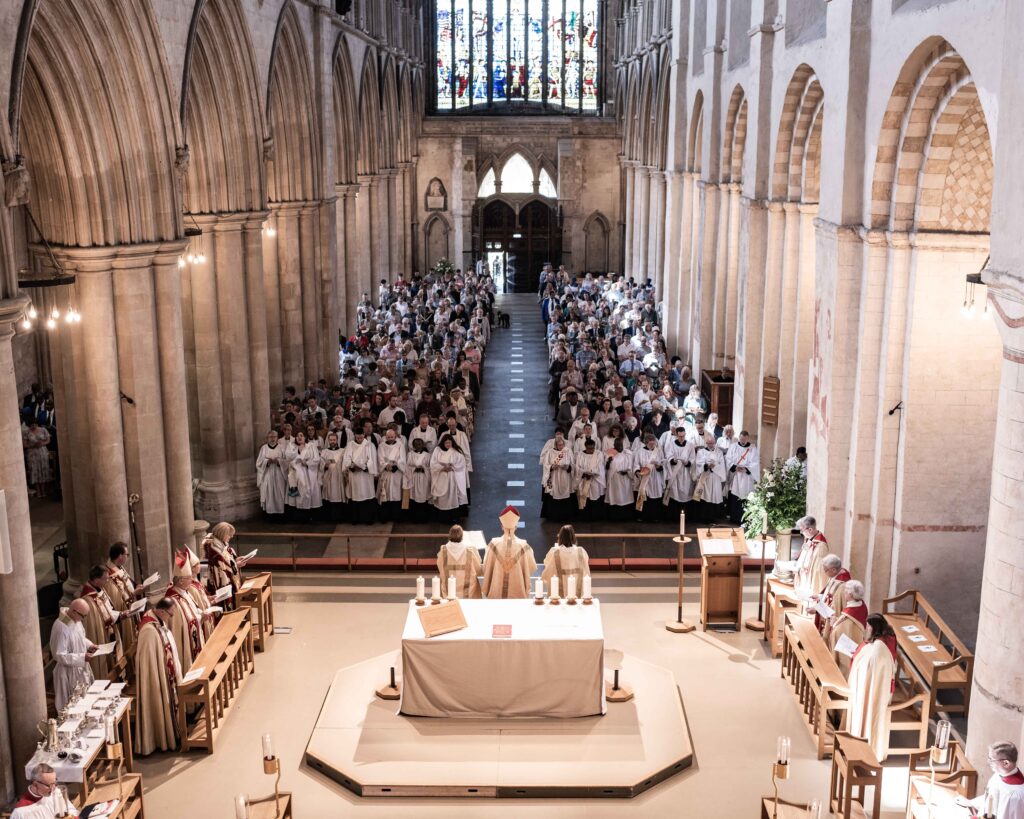
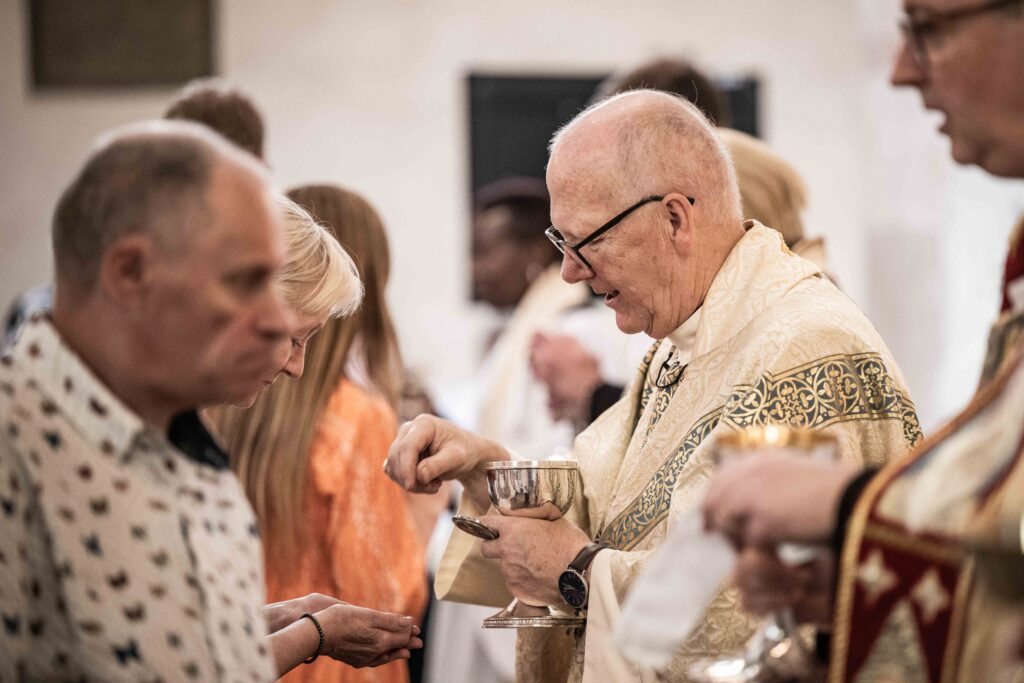
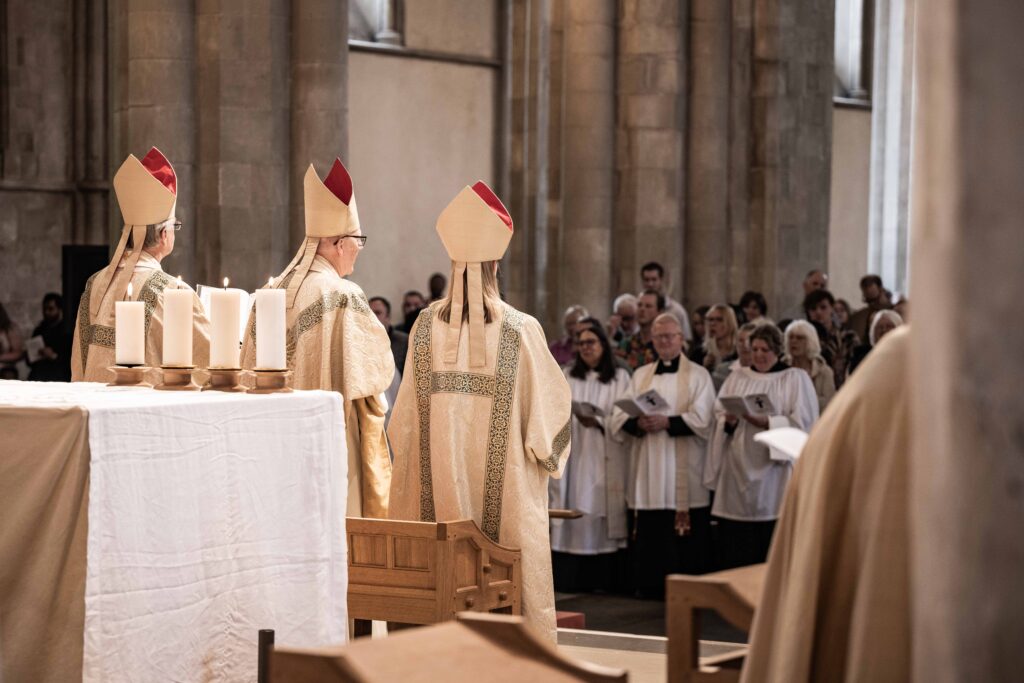
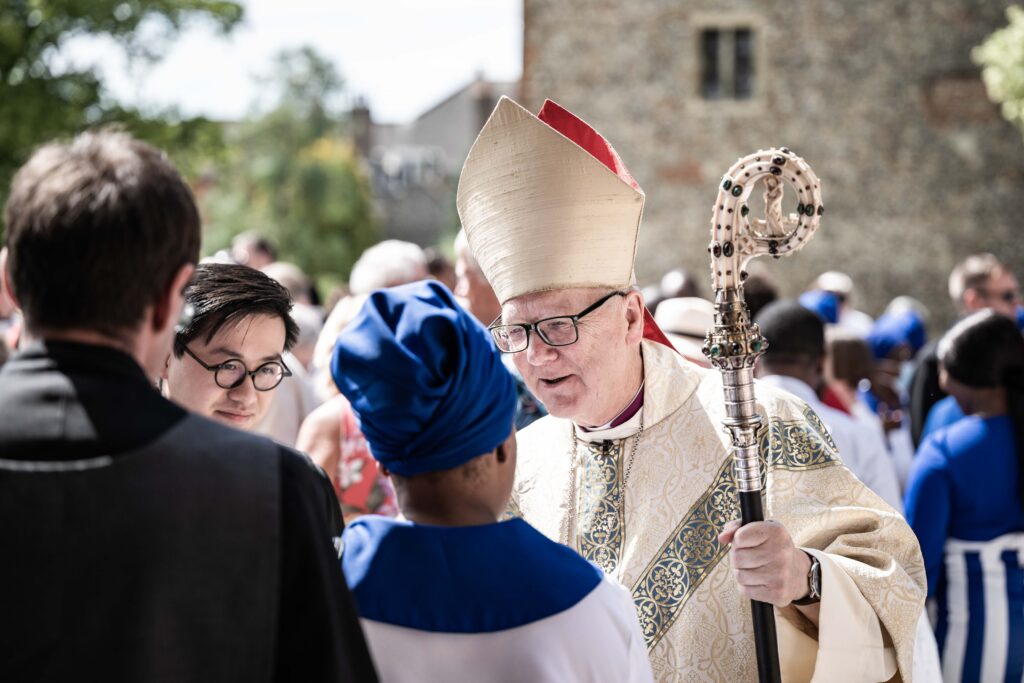
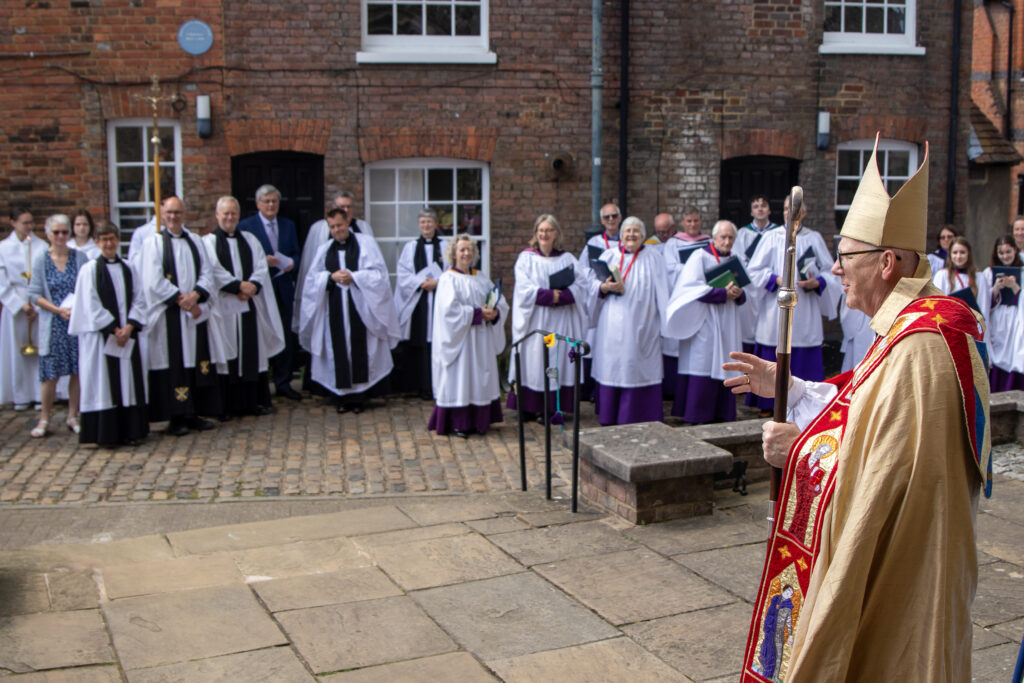
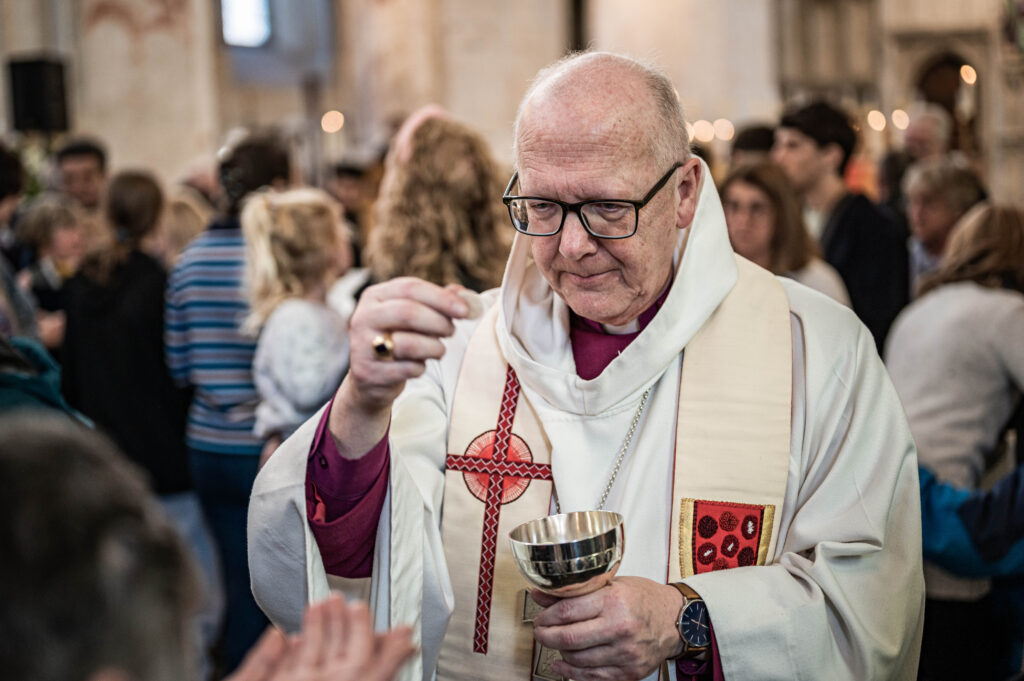
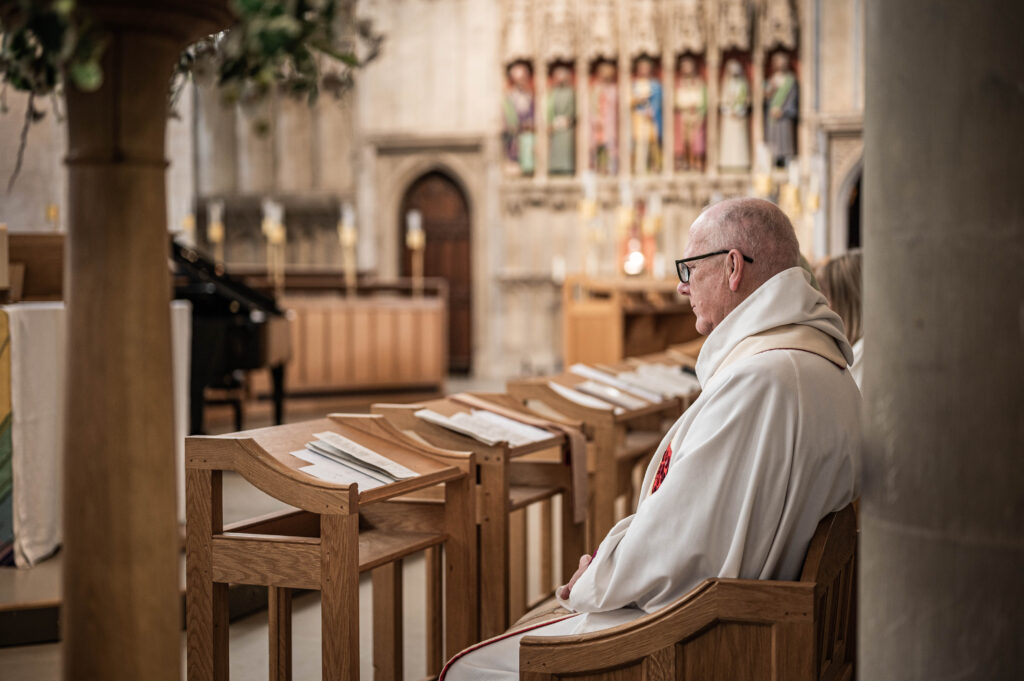
Bishop Alan’s final service as Bishop of St Albans took place in the Cathedral on May 18, where he laid down the diocesan crozier and gave thanks for the faithfulness of the Diocese he has served for over 16 years. Photos by Toby Shepheard.