


08 Aug 2024
An invitation by Harpenden Town Council asking for a formal partnership with the district council to jointly develop and agree a parking strategy for the town has been rejected.
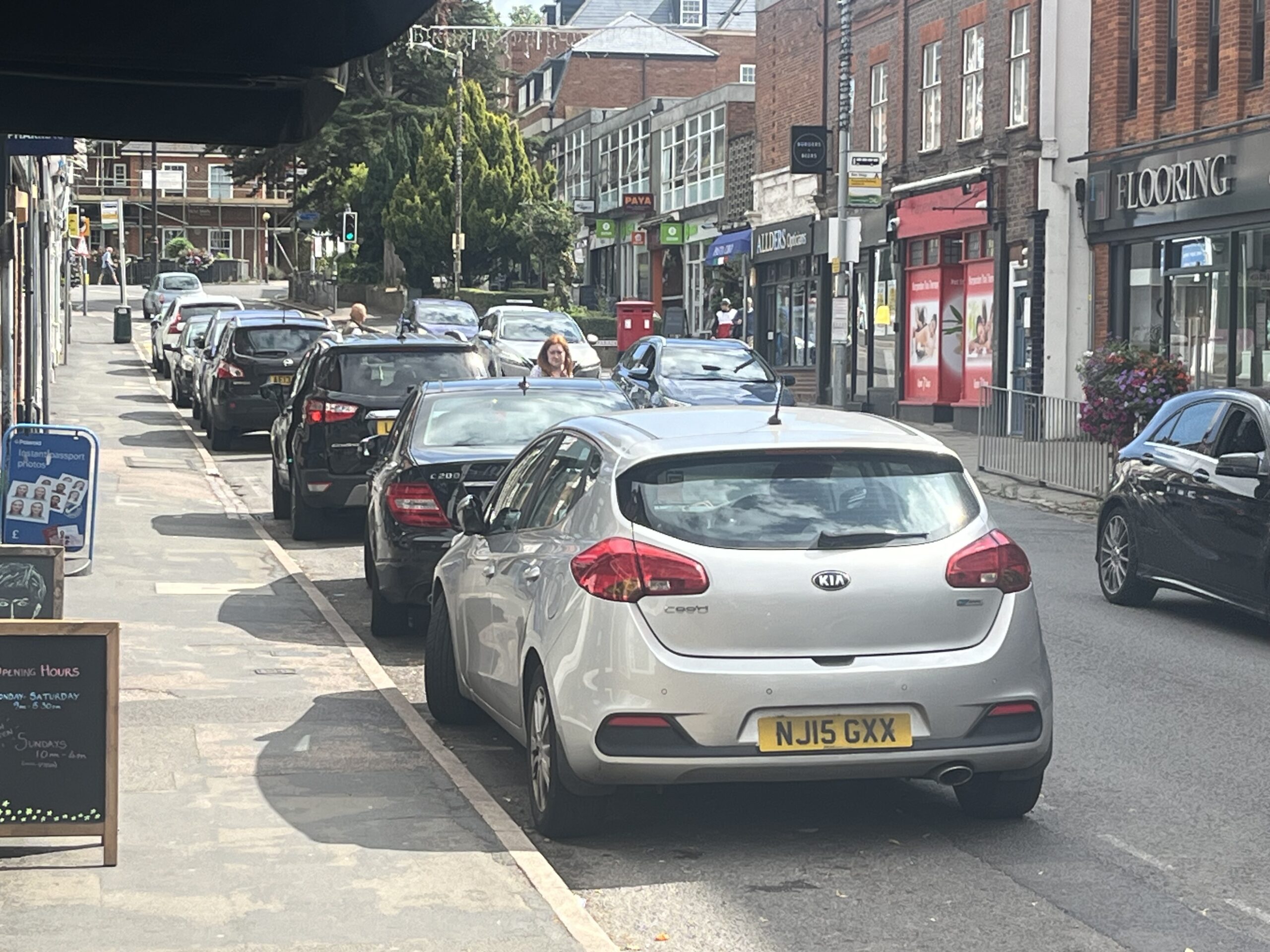
A recent extraordinary general meeting of HTC was dominated by discussion of the proposed parking changes, which could see the end of the existing one and two hour free on-street parking under a new Traffic Regulation Order (TRO).
A motion passed by the town council at the EGM stated: “We request that SADC actively engage with HTC in a joint approach to explore some alternative proposals that achieve a better-balanced outcome for all and in particular one that sees the retention of a substantial number of free bays.”
It proposed delivering the joint approach through a list of measures:
a) Formal joint working between the councils in the form of a task and finish group (TFG) with officer representatives from both councils;
b) TFG meets for the duration of the public consultation so as to not cause time delays;
c) TFG operates under a clearly-defined terms of reference, with inputs from HTC and SADC councillors that are from Harpenden.
d) TFG engages proactively with relevant local stakeholders, in particular independent High Street retailers:
e) TFG explores alternatives including (but not limited to) a mix of retained 1hr free bays and introduction of paid parking, if necessary, in appropriate locations;
f) TFG reports to a joint panel of relevant SADC and HTC councillors for joint agreement on the most appropriate parking strategy for Harpenden:
g) Carry out a parking review by March 2025 and SADC hold off the implementation of any changes until then.
But this week SADC chief executive Amanda Foley rejected the offer of a formal working relationship on the parking changes, suggesting it could open up the district council to legal challenges.
She said all parking consultations are required to follow the statutory consultation process when making any changes, and before a final decision is taken to make the Traffic Regulation Order, they must ensure that they have given due consideration to all responses received as this is the key component of the decision-making process.
Introducing a Task and Finish Group could lead to the argument that implementing the TRO was not based on a statement of reasons and the public consultation, but on the decision of the TFG, she argued.
“This is why we have actively encouraged those impacted by the proposed changes to take part in this open consultation and to let us know their views, in the same way we do with the making of any traffic order,” she explained.
“We welcome the views of all those impacted by this proposed change and actively encourage feedback and alternative proposals; however, this must be through the formal consultation channels as this ensures there is a clear auditable record of the response and that it has been received and considered within the formal consultation process.
“In this case, with regret, the district council cannot enter into a formalised Task and Finish Group as requested in the HTC resolution but would be happy to consider any representations you wish to make during the consultation process (whether as a group or as individuals).”
