18 Mar 2024
This week we celebrate the 589th birthday of Riesling, that delightful, timeless classic and versatile grape variety. Riesling produces vibrant, quality wines ranging from bone-dry to decadently sweet. Whether you prefer a sunny, honeyed citrus flavor or a lifting mineral tang, Riesling has something to offer.
It’s a white grape variety that traces its roots back to the Rhine region in Germany.
Its aromatic nature gives rise to flowery, almost perfumed aromas, coupled with high acidity.
Written references to Riesling date as far back as the 15th century, although the exact orthography varies.
The earliest mention appears in a document from March 13, 1435, where the storage inventory of Count John IV of Katzenelnbogen in Rüsselsheim lists “22 shillings for Riesling vine cuttings for the vineyard”.
Riesling is a terroir-expressive variety, meaning that its character is profoundly influenced by the wine’s place of origin. In cool climates (such as many German wine regions), Riesling wines tend to exhibit notes of apple and other tree fruits, balanced by noticeable levels of acidity. Some may even carry a touch of residual sugar.
In warmer climates (like Alsace and parts of Austria), late-ripening Riesling grapes develop citrus and peach notes. Down under in Australia, Riesling often surprises with a characteristic lime note, especially in examples from the Clare Valley and Eden Valley in South Australia.
Riesling’s naturally high acidity and pronounced fruit flavours grant wines made from this grape with exceptional aging potential.
Well-made Rieslings, especially from favorable vintages, can evolve into delightful complexities, including smoky and honeyed notes.
Aged German Rieslings, in particular, acquire a unique character often described as “petrol”—a fascinating transformation over time.
In Germany, Riesling reigns supreme, covering 23 per cent of the vineyard area (approximately 23,596 hectares) with the key regions being Mosel, Rheingau, Nahe, and Pfalz.
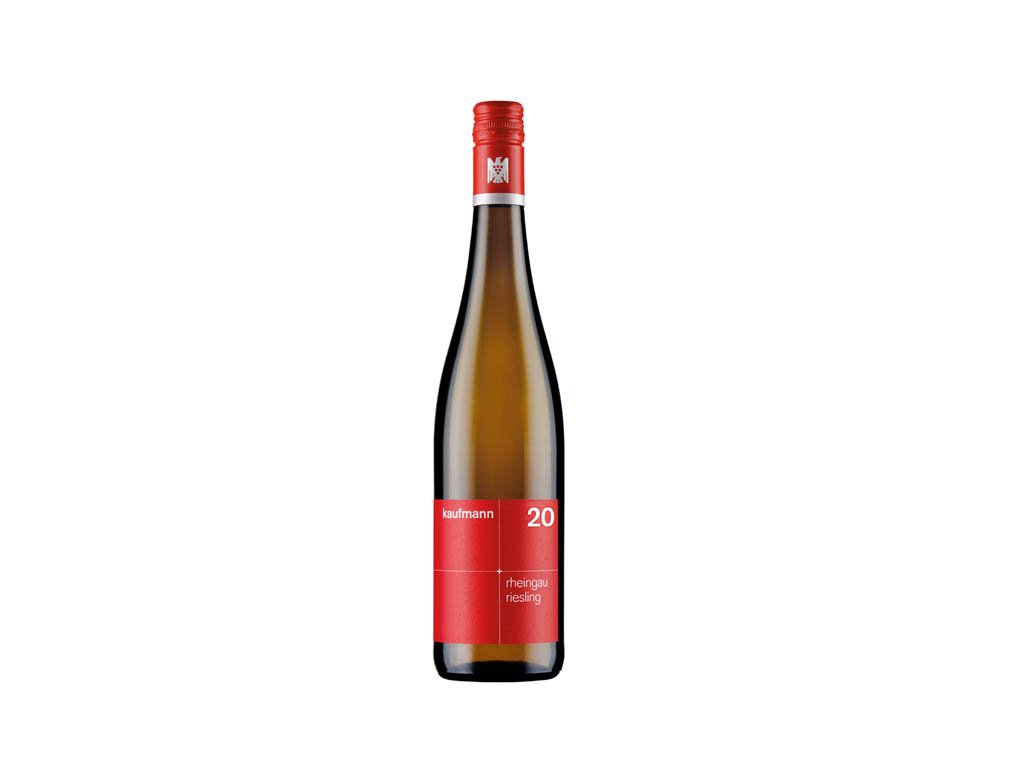
Weingut Kaufmann Organic Riesling 2020 (£19.99 or £13.99 for Angels, from Naked Wines)
The Kaufmanns are relative newcomers to the Rheingau – a place renowned for its exquisite Rieslings and locally crafted gems.
Their paths converged in 2012 when Urban, a rising star in the cheese world, and Eva, the director of one of Germany’s largest wine organisations pooled their hard-earned savings to acquire a winery nestled in the heart of Germany’s historic Rheingau wine region.
Their commitment to sustainability led them to embrace biodynamic practices, leaving an indelible mark on their entire operation.
This wine is everything you want from a Riesling, it’s juicy, full of citrus, green apple, and juicy melon flavours, with a crisp, clean yet luxurious mouthfeel.
Given it’s only a 2020 vintage it has some of the mild petrol characteristics of an older vintage.
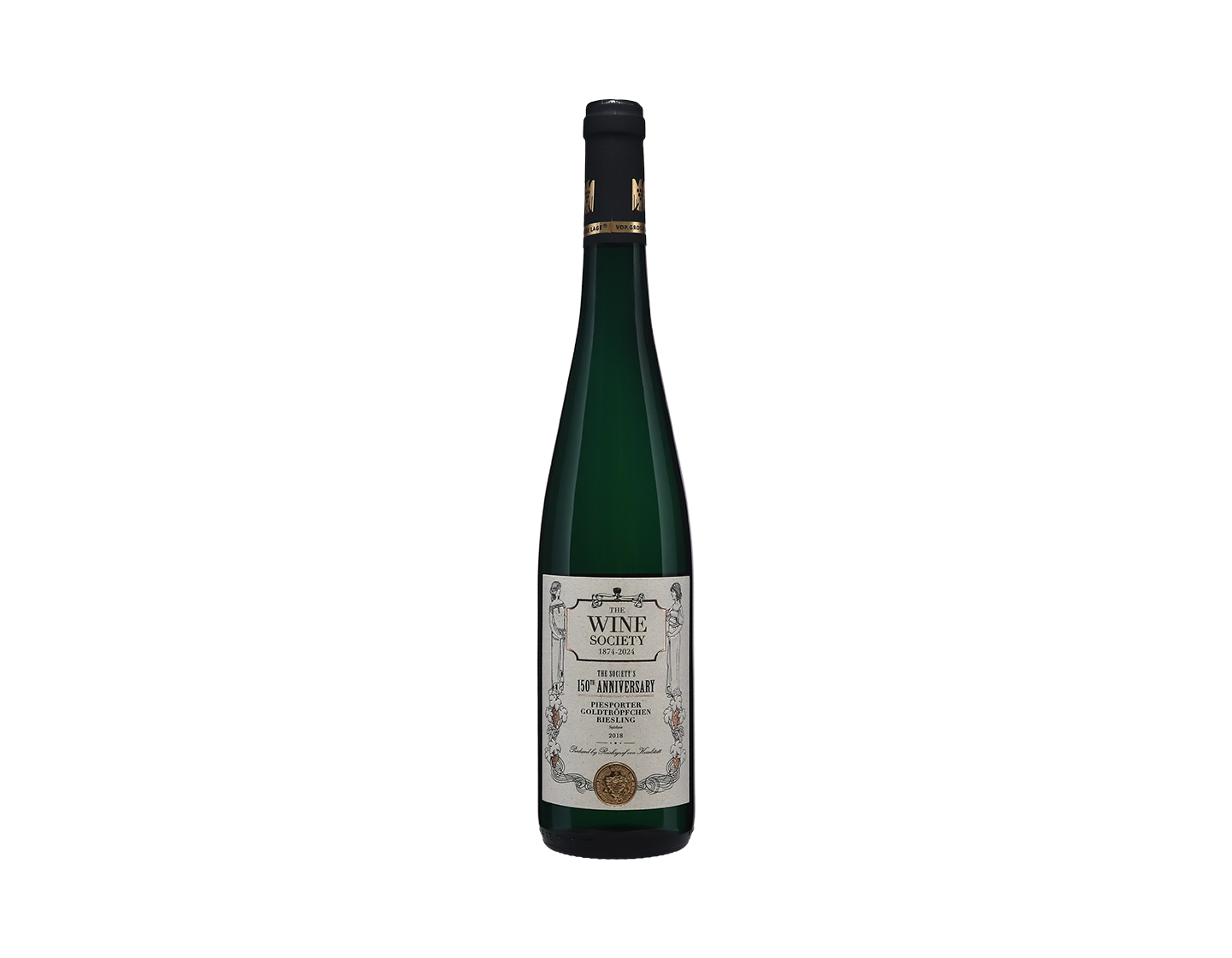
The Society’s 150th Anniversary Piesporter Goldtröpfchen Riesling Spätlese 2018 (£23 from The Wine
Society)
Weingut Reichsgraf von Kesselstatt has a history that spans over 650 years. Situated in the picturesque Mosel, Saar, and Ruwer valleys, this estate is steeped in tradition. Their mission? To craft unique Rieslings that truly reflect the character of their exceptional vineyard sites. For centuries, they’ve embraced the challenge of capturing the essence of these three diverse valleys.
The Göldtropfchen vineyard, nestled along the Mosel, stands out as a shining example. In the exceptional vintage of 2018, when Riesling grapes ripened slowly into autumn, Von Kesselstatt produced something extraordinary – a celebration in a bottle. The palate is full of luscious peach flavours, ripe and juicy with a welcomed balance of sweetness and acidity.
So, raise your glass to this remarkable grape’s 589th birthday!