18 Oct 2024
St Albans needs a year-round weed management plan to avoid the use of glyphosate, says Green councillor Juliet Voisey.
She was speaking up in the wake of a St Albans Times article which revealed SADC is still using the pesticide glyphosate to tackle pavement weeds across the district.
Although it is also running a trial with County Hall, the Herts and Middlesex Wildlife Trust and a Wilderhood Watch group encouraging resident volunteers to remove the weeds themselves, this is only in its early stages and a long way from being rolled out district-wide.
Juliet represents the district on the Pesticide Action Network, the only UK charity focused solely on tackling the problems caused by pesticides and promoting safe and sustainable alternatives in agriculture, urban areas, homes and gardens.
“It’s clear to see that there isn’t currently any plan in place other than to spray our streets with pesticides. And this isn’t working very well.
“Spraying pesticides alongside creating wildflower areas negates the time and money taken to create these pollinator friendly spaces; we’re literally killing the pollinators we are encouraging.
“Also pesticides used on hard surfaces run off into water courses harming aquatic life too.
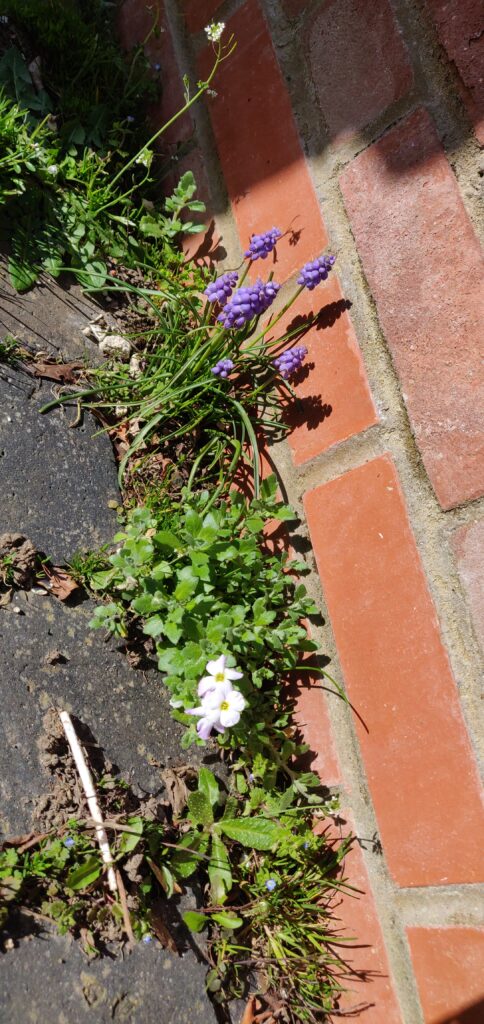
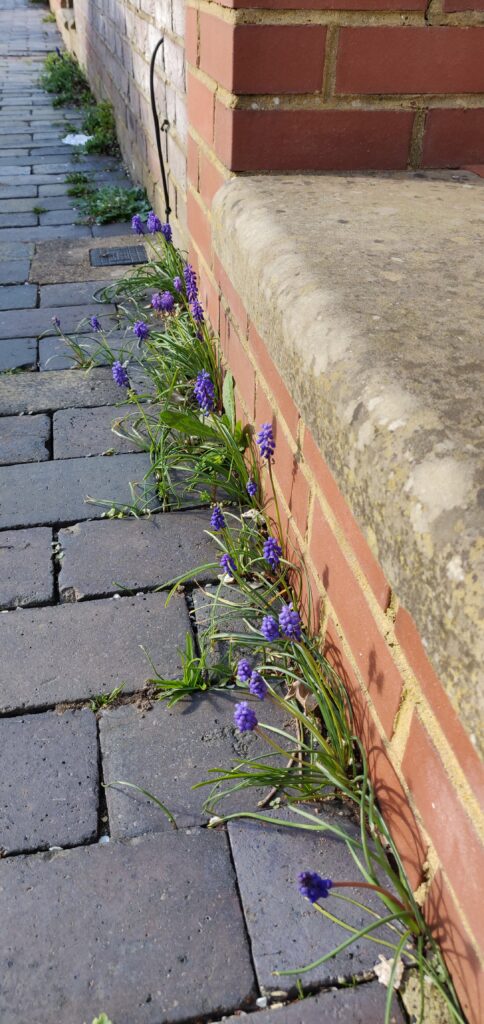
“We can achieve a balance without the use of chemicals: many other councils and countries have been doing it successfully for some time. Do we want St Albans to be a barren concrete jungle or can we live with some pavement plants to help nature that is currently in crisis? Some of them are really pretty too!
“In the new Sustainability and Climate Crisis Strategy 2024-2027 the council commits that it will work with HCC to reduce the use of glyphosate. So how can we do that?
“Pesticide Action Network provide detailed guidance on how councils can phase out the use of harmful pesticides such as glyphosate over three years. We can mirror other councils like Lambeth which has successfully been pesticide free since 2021.
“They engaged residents who only remove plants that cause obstruction or damage and produced a handbook to identify the wild plants. Then they do a deep clean of the streets in autumn/winter to remove the detritus which saves on weeding the following year as the fertile soil is removed from cracks and plants won’t then establish.
“There is a cost involved in purchasing pesticides and the manpower in spraying them. Having a pesticide-free management plan district-wide will enable the council to reduce costs as we will be actively managing the weeds. There’s a growing number of residents who don’t want chemicals sprayed in their streets and they are taking action by requesting to be removed from the spraying schedule and managing the weeds themselves. We need more residents to come forward.
“We can go pesticide free and allow nature to thrive without having overgrown streets that compromise on accessibility.”
Her thoughts were echoed by local resident Malcolm Hull, who said: “Every year, hundreds of tons of pesticides are used in the streets, parks, schools, playgrounds, cemeteries, pavements, road verges and other open spaces of our towns and cities. Local councils are the main users, but there are also many others that use pesticides including university campuses, car parks, hospitals, private housing developments, shopping centres and schools.
“Glyphosate is a cancer-causing herbicide which poses a risk to human health, as well as being a major environmental pollutant.
“Studies have shown it causes real problems for soil health, solitary bees and aquatic plants.
“It’s a disgrace that this is still sprayed routinely on our streets, playgrounds and in other public places. The impact on human health, particularly on children is harmful. Many towns and cities across Europe have already stopped using these chemicals.”