18 Jul 2025
Summertime, and the thieving is easy…
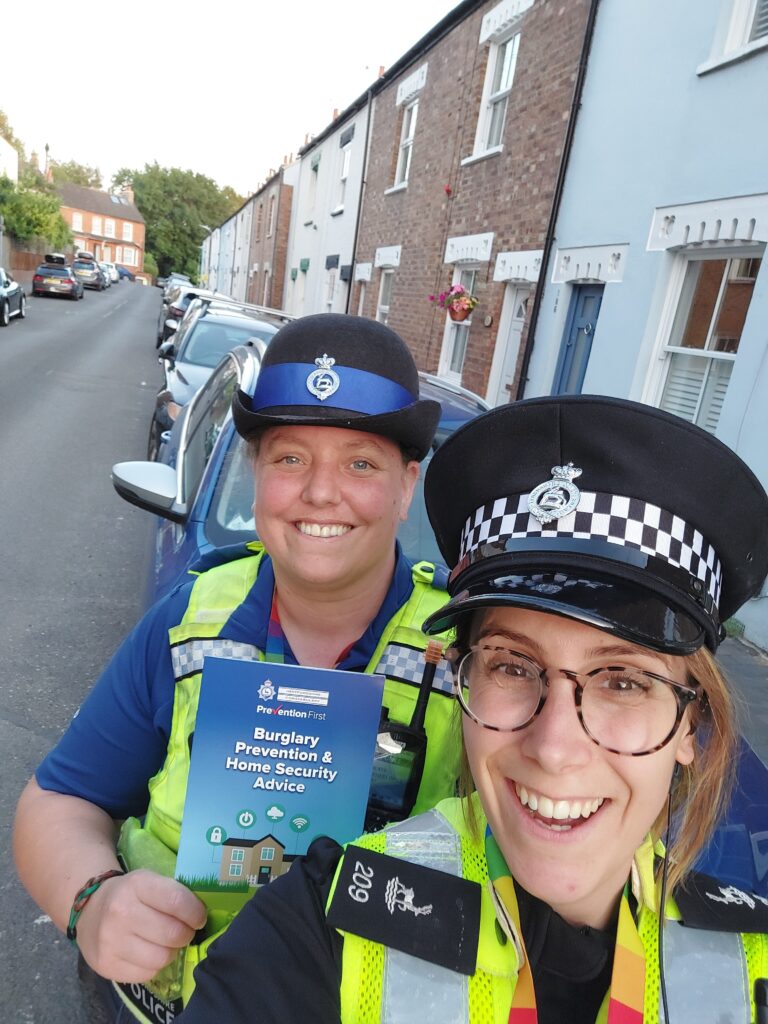
Open windows, unlocked cars, spare keys in reach of cloning devices, and a general lack of security are combining to create prime targets for burglars operating across the district.
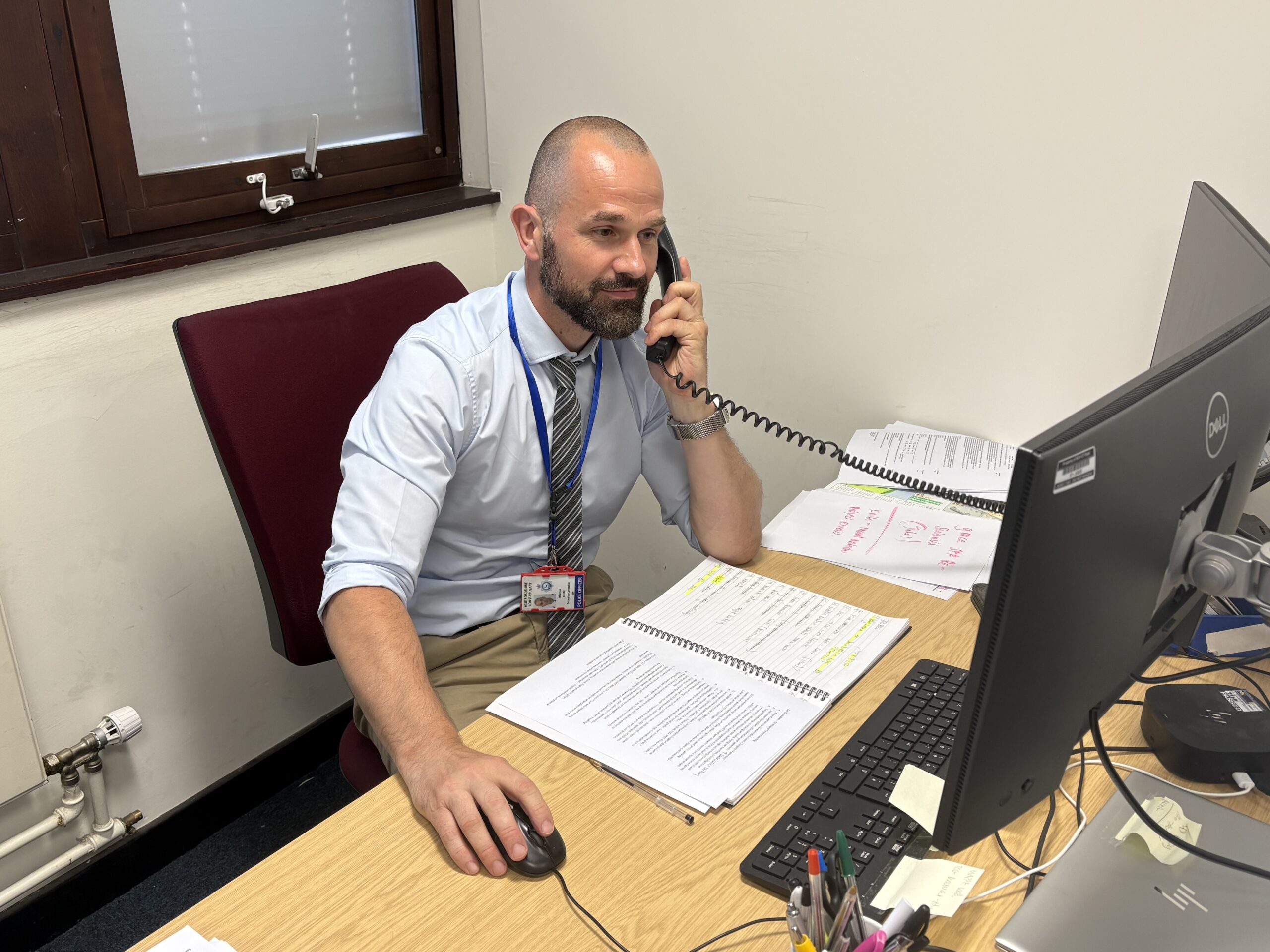
But Temporary Detective Inspector Solomon Beere is determined to use his brief tenure in charge of St Albans police to take a proactive, partnership approach to crime prevention.
“The reality is that to solve all crimes you’d need to triple our numbers, so you have to think about where your resources are placed. None of what we’re doing is groundbreaking, it’s all standardised police techniques, but the difference here is that we’re pulling everything all together until we’ve resolved the problem.
“I’m very keen at solving problems, and I think I tackle police work by being creative. I’ve been in the job for about 20 years now, and I know there are a range of tools we can use rather than just see a crime being committed and arrest someone.
“In a perfect scenario you have a known suspect, you have a known OCG (Organised Criminal Gang), you have intel, targets, forensics, and you look at the evidence and just tackle it straight on. But not all crime trends and problems present themselves like that, and this is the problem we’ve got in St Albans at the moment…”
He explained that as a wealthy area, it’s not unexpected that offenders travel to commit crime here, but unusually there is a randomness and unpredictability to what is happening in the district, with no obvious patterns to offences.
This has meant a different policing strategy: “What we’re basically doing is increasing disruption, identifying problem areas and persons, and increasing detections through joint partnership working. In fact, the way that the St Albans station is set up as one big office actually encourages us to all work together.”
Typically officers would turn up for work on a Monday morning, examine the crime stats and realise there are no lines of inquiry, but Solomon wants to turn these usual practices on their head.
“Firstly, I think the public need to know about the problems. Now there is a balance between worrying the public and informing the public, but I believe everyone’s reasonably resilient and needs to know the reality of the situation they live in.
“The reality is that you need to know how to protect yourself. You’re doing people an injustice by not informing them about problems, but there’s got to be a balance between scaring people and allowing people to live their lives.
“We’ve now got quite a decent analytics system in place that looks at all of our stats, so I can now identify hotspots, crime areas, and prolific offenders, and then sending out information to our neighbourhood policing team and changing the patrol plan so it’s not just going out and hopefully coming across a crime, it’s going to the hotspot areas.
“A large amount of crime is people just trying car doors, so the best way to tackle that is for the police to have a go and letting the owner know if their car is unlocked, their valuables are on show, and it could have been a crime.
“It’s very hard to work out what crime prevention does, because when you patrol down a street you don’t know if you’ve prevented a burglary, it’d just be a case of seeing if the figures start dipping.
“Obviously it’s helpful to have police out in high hot spot areas with high-vis jackets, engaging with the community, as they feel looked after, but was can also help them prevent quite a lot of crime.”
Localised messages to small geographical areas are also distributed via the Herts Connected communication platform, telling residents if their street is vulnerable to a particular crime trend.
“With regards to thefts of motor vehicles, things have changed quite a lot as a result of keyless cars and relay thefts, so we try to highlight what crime prevention measures owners can do.
“Some people buy cheap Faraday bags where the key’s half-hanging out, or forget to put their second key in as well. We encourage people to get a steering lock or parking restrictor, or even a ghost immobiliser, which I’m told offenders can’t get past.
“Ultimately it’s very hard to absolutely ensure a car won’t be stolen, as thieves could just get a grabber and pick it up, but we want to make it harder than it needs to be.
“They’re now stealing vehicles to break apart, so it’s not just high-value cars, it’s very normal vehicles as well.”
Because of the random times and locations of these offences, Solomon believes criminals are proactively hunting for potential targets, which is why he has adopted this scattergun approach to policing.
“We want criminals to realise it’s a no-go area across the whole district, because they never know where our officers will be patrolling, and it can change all the time.
“It’s trying to be creative, but it’s also relying on the public, because everything we do starts with them – obviously we carry out patrols, but pretty much 98 per cent of our information comes from the public.
“Trust your intuition – if someone looks dodgy, call it in. People don’t want to bother us, so we need to see a behavioural change, and that’s part of the community engagement.”
One of the other key tools at their disposal is the use of ANPR (Automatic Number Plate Recognition) cameras, including mobile devices moved around the district.
“If you get a hit that a vehicle has no insurance, then you’re in, and all of a sudden you’ve go a name, identification, descriptions, CCTV…
“There’s probably about five different routes that we think criminals are using to come in and out of St Albans, so we’re working with our countywide team that tackles high-level thefts and burglaries to determine the best locations for this to go.
“Criminals now have to realise that there’s uniformed officers everywhere, there’s people not in uniform, there’s cameras everywhere, and the district is going to be a hostile place to commit crime.
“Eventually it’s going to settle in that the difference between you getting arrested and remanded, getting caught up in a police chase, or just having an unpleasant experience, is going to be pure random in St Albans.”