24 Nov 2026
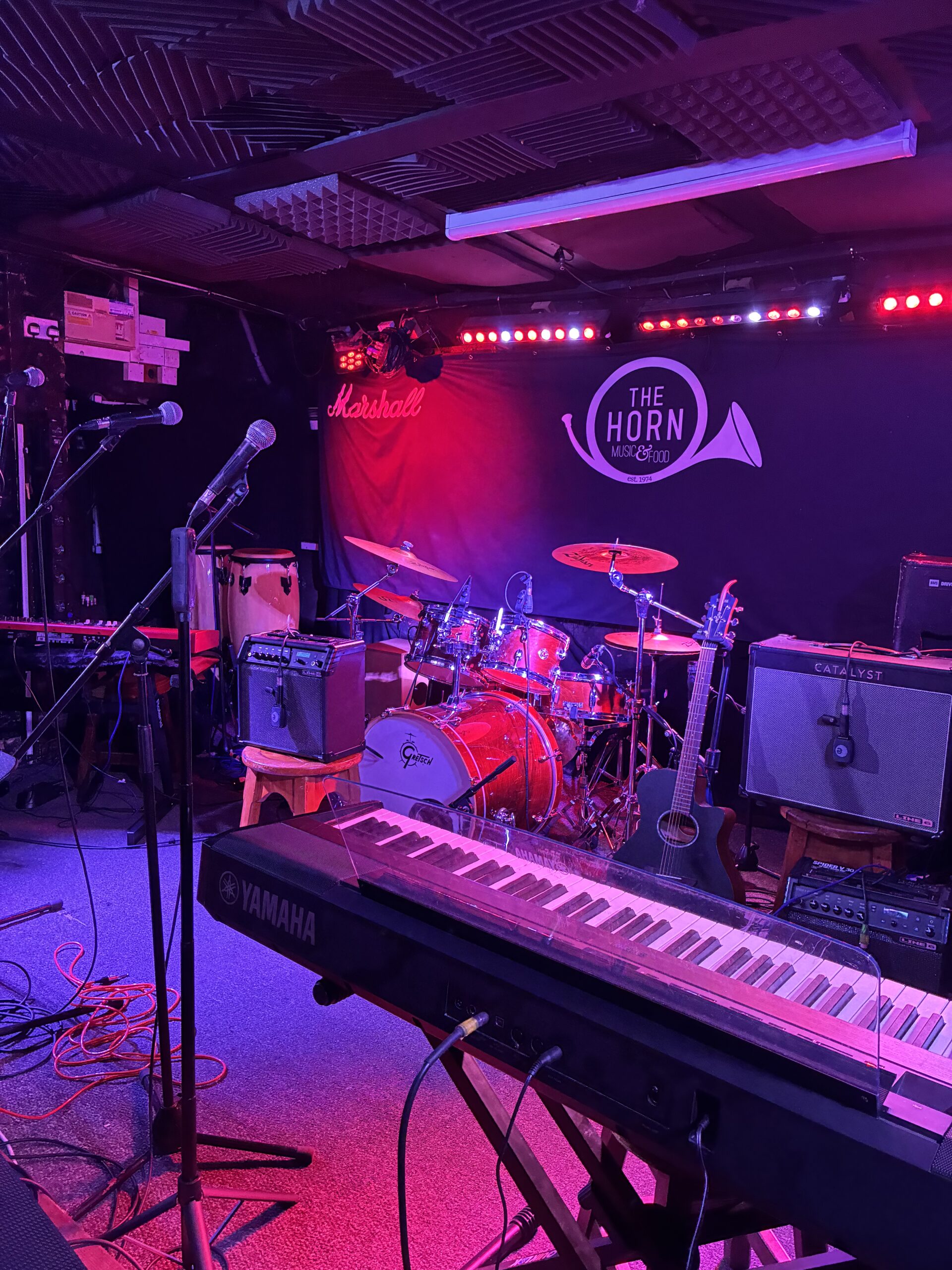
Bands of students and teachers from a St Albans school have followed in the footsteps of Chas and Dave, Chrissie Hynde, Bastille, U2, Cruz Beckham and MP Daisy Cooper by performing at legendary grassroots music venue The Horn.
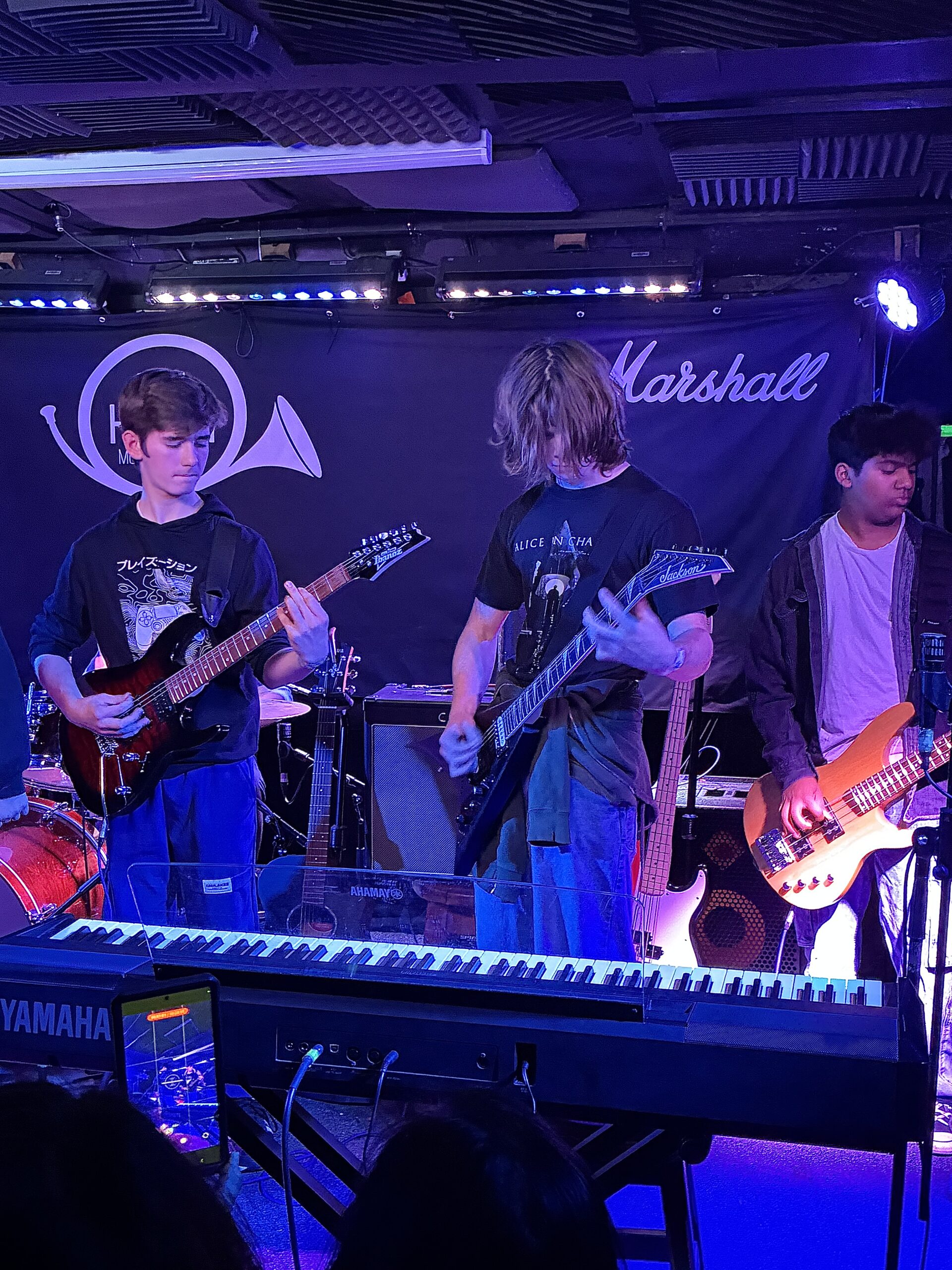
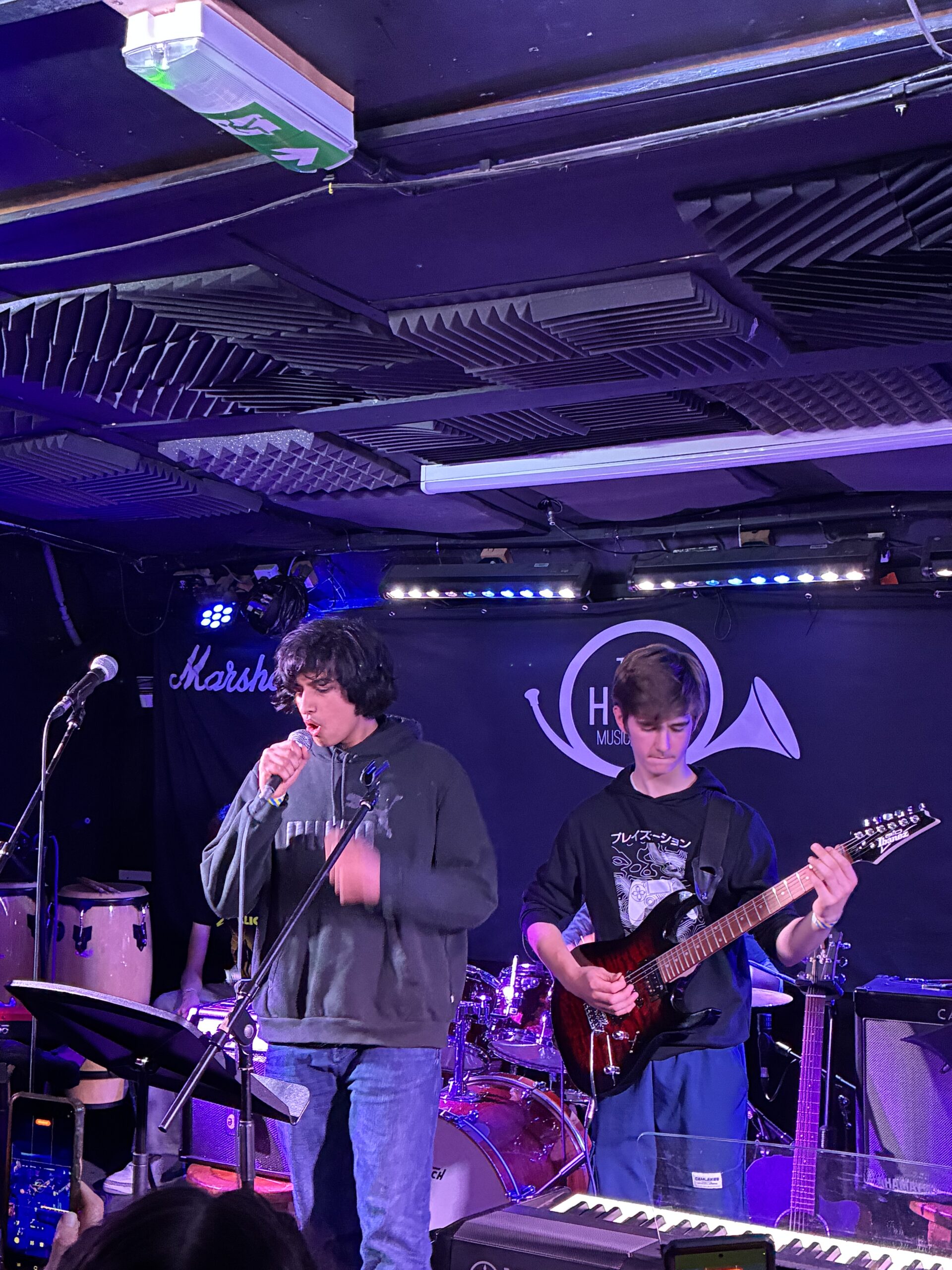
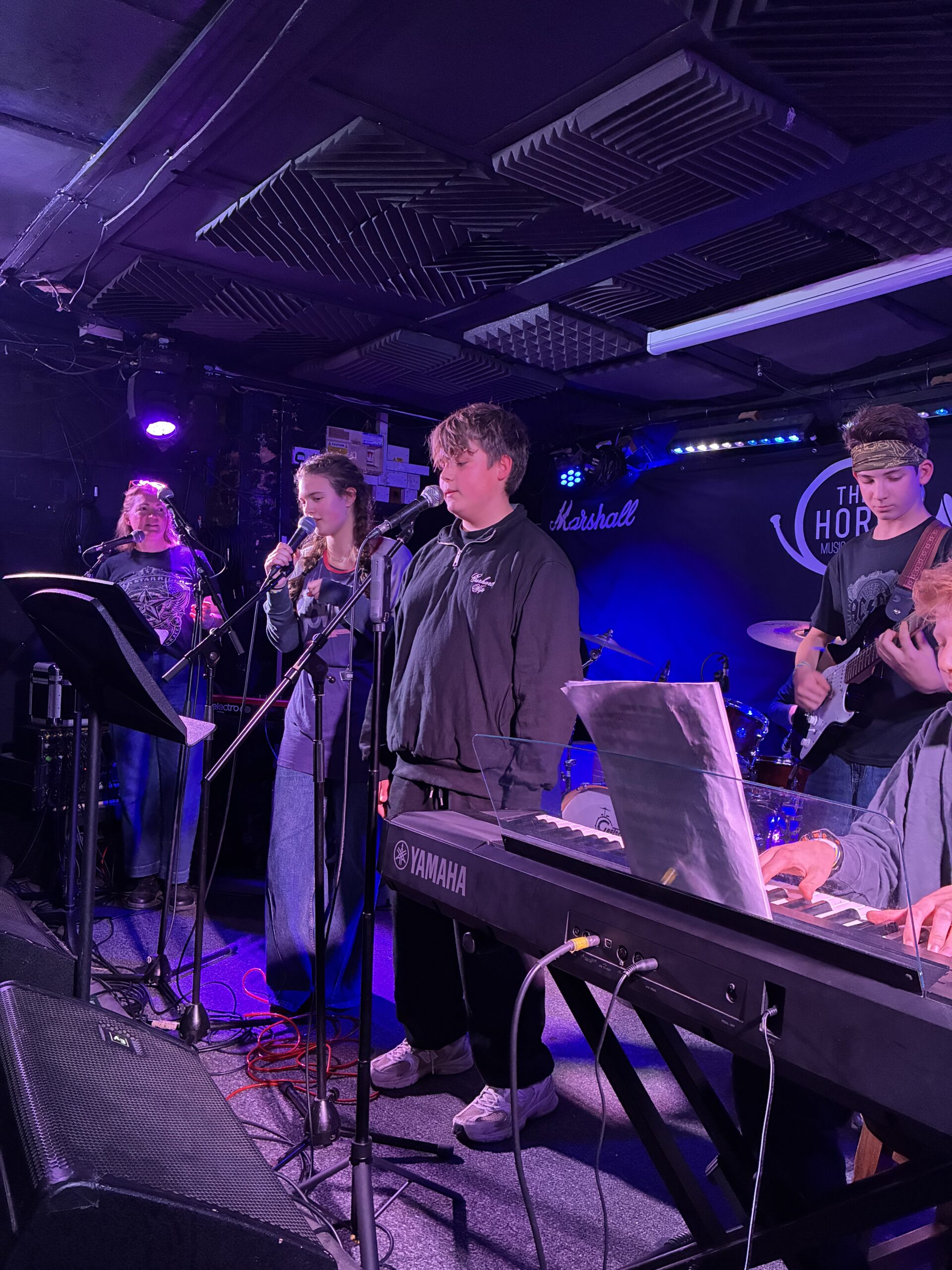
Groups from St Columba’s College performed a mix of original material and cover versions at the iconic nightspot.
Head of music Jon Starling explained how the performance came about: “The idea behind the gig was to give our students the opportunity to experience performing in an authentic live music venue, rather than exclusively within a school environment.
“There’s a world of difference between performing in a school concert and walking onto a stage at a venue like The Horn, with professional sound equipment, stage lighting and an audience that’s come specifically to enjoy live music.”
The evening featured an eclectic mix of performances from students across the school, alongside a few familiar faces from the teaching staff.
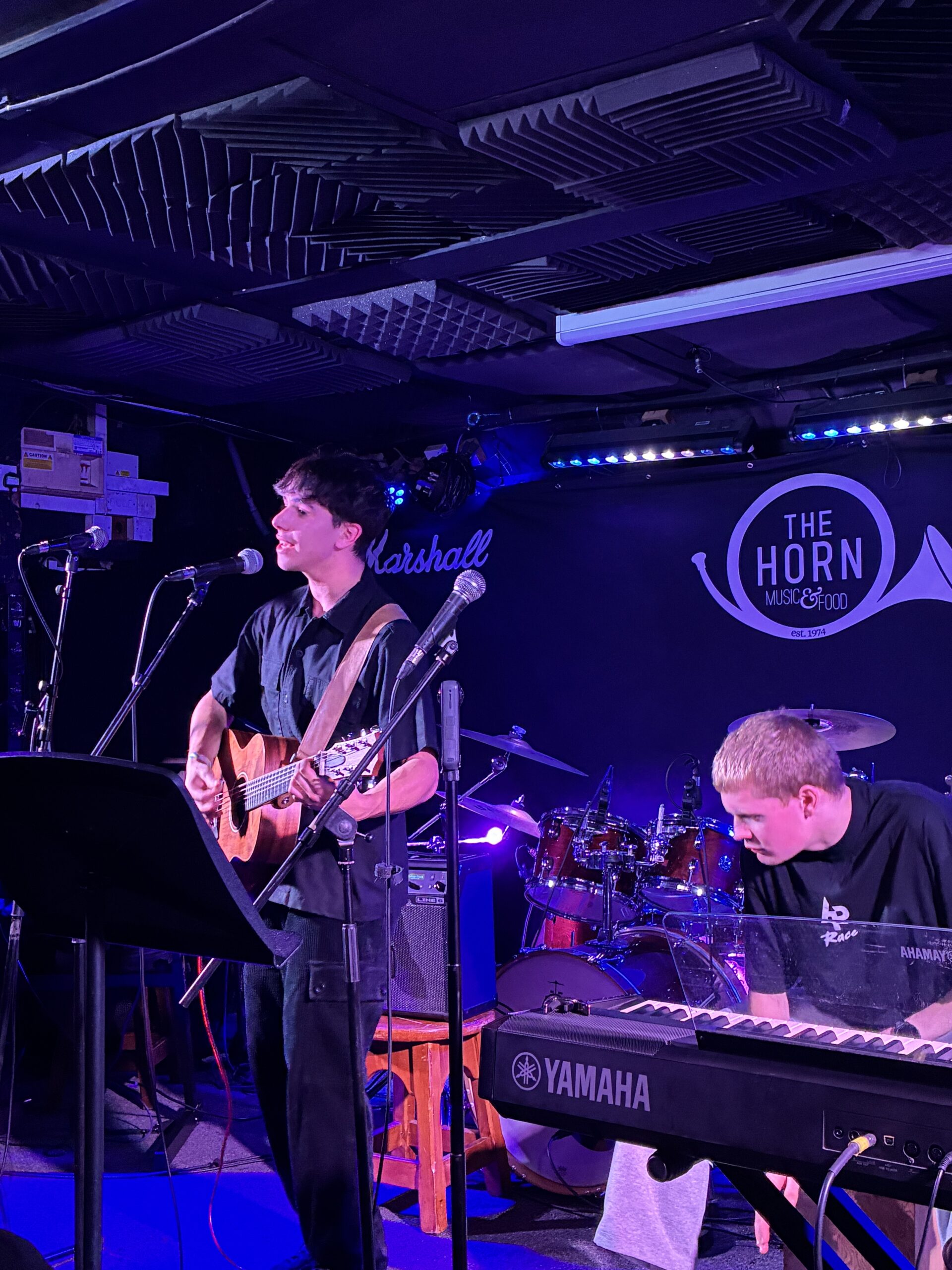
It opened with a Sixth Form acoustic duo featuring Jack Winston and Charlie Stott, followed by The Slick Back Five, a Year 8 band who turned up the volume with some heavy rock!
The school’s Soul Band then brought a completely different flavour to proceedings, performing classics including Knock on Wood and Soul Man.
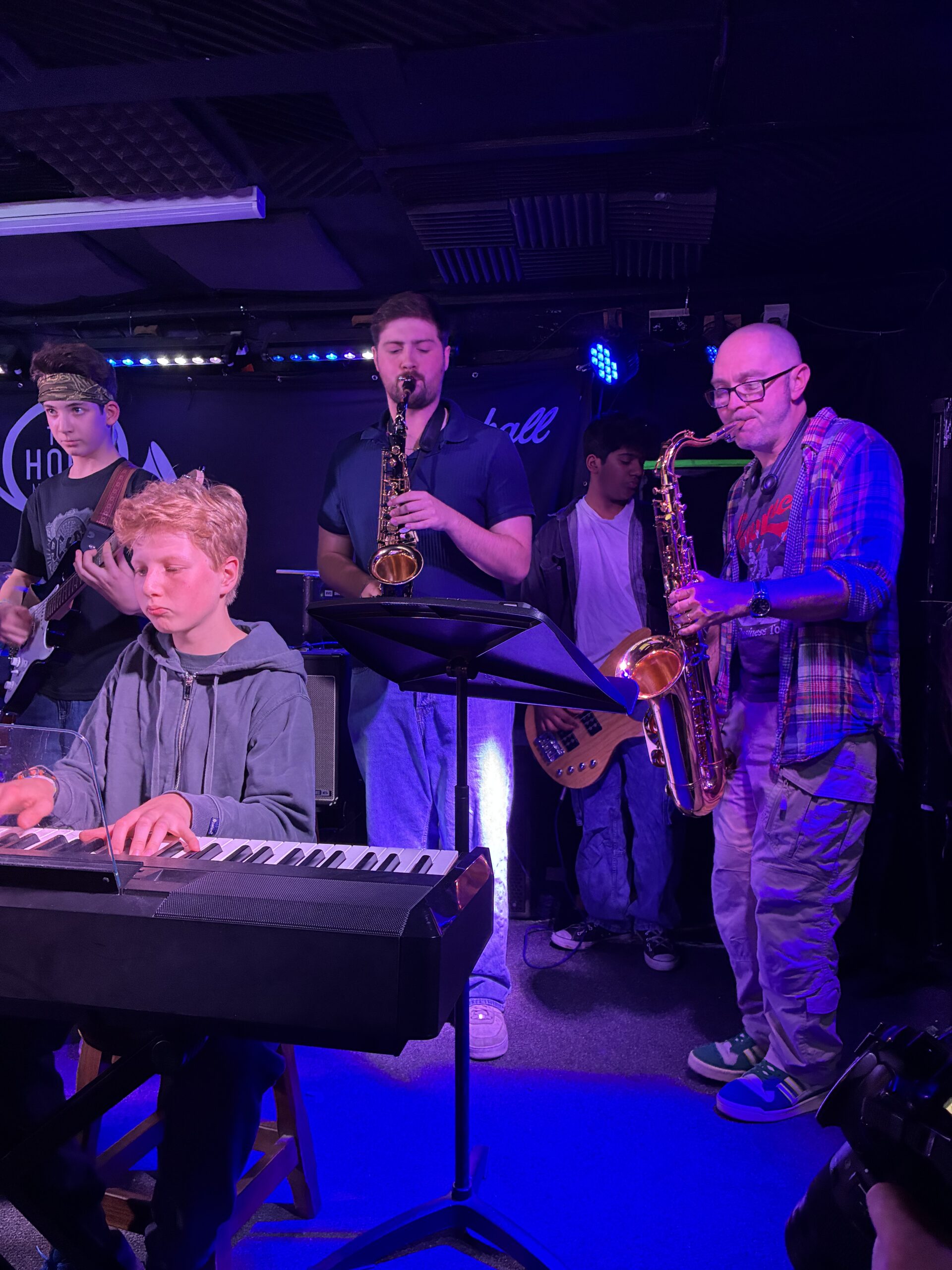
Jon said: “Not wanting to be outdone by the students, the Teacher Band then took to the stage, summoning their inner rock gods to tackle songs including Lionel Richie’s Dancing on the Ceiling, Cameo’s Word Up! and Peter Gabriel’s Sledgehammer. Whether we managed to match the energy of our younger performers is probably best left to the audience to decide!”
The Senior Rock Band followed with a varied set of rock music, including songs by Green Day, before the evening culminated in a finale featuring all of the musicians on stage to perform The Marshall Tucker Band’s Can’t You See.
“It was a wonderful moment, with students of different ages and their teachers performing together as one enormous band.
“For me, that final performance really captured what the evening was all about. What made the whole experience particularly special was seeing the students take ownership of their performances. They weren’t simply pupils completing a school activity; they were musicians performing to a live audience.
“It was also wonderful to see the support they gave one another.
“There’s a real sense of camaraderie that develops when young musicians rehearse together, overcome their nerves and share the experience of performing.
“From my perspective, the evening was enormously rewarding. As a teacher, you spend so much time helping students develop their confidence and musical skills, and then suddenly you see them standing on a stage, performing brilliantly and genuinely enjoying themselves. It’s difficult to describe how satisfying that is.
“The response from the audience was fantastic, and I think the students came away with a genuine sense of achievement. We also raised nearly £1,000 for the Nepal Disaster Relief Fund.”
Jon, who is in his third year as head of music, plays saxophone, piano and guitar, which he considers vital to his teaching: “It’s the creative side of music – performing, composing and arranging that I enjoy most and teaching these disciplines in the classroom. I love how music, the industry and careers are constantly evolving. There’s always something new to discover, whether that’s an unfamiliar genre, an interesting compositional technique or a student introducing me to something I’ve never heard before.
“I think the biggest difference is that I try to approach music education from the perspective of a musician rather than simply that of a teacher.
“Of course, music theory, notation, history and analytical skills are incredibly important, but I believe they should support the experience of making music rather than become an end in themselves.
“I want students to understand not just what musicians do, but why they do it. Why does a particular chord change give you goosebumps? Why does a melody stay in your head for days? Why can a piece of music make you feel something that words alone cannot express?
“We place considerable emphasis on performance, composition, improvisation, recording and music technology, alongside the more traditional academic elements.
“Students have access to recording facilities, professional music production software and opportunities to perform in a wide range of ensembles.
“I also try to remove the artificial boundaries between musical genres. There’s an enormous amount that classical musicians can learn from jazz, pop, rock and electronic music, and vice versa. Ultimately, I want students to leave my classroom thinking like musicians, rather than simply remembering facts about music.
“Most students who pass through a school music department won’t become professional musicians, and that’s fine. But every single one of them will have music in their lives.
“Music accompanies some of our most significant experiences. It’s there when we celebrate, when we’re heartbroken, and when we need reminding of a particular person or moment in our lives. Very few other subjects have that kind of lifelong emotional connection.
“If students leave school with a genuine curiosity about music, an appreciation of different genres and the confidence to participate in music-making, then I think we’ve achieved something enormously valuable.
“Exam results matter, of course, but I’d be just as delighted to hear that a former student had joined a choir, started a band, taken up an instrument again or simply discovered a lifelong love of music.”
Following the performance at The Horn, he has big ideas for the future of music at St Columba’s: “ I’d love to build on the success of The Horn and create even more opportunities for students to perform outside the traditional school environment.
“We already have a very active music department, with opportunities ranging from orchestral and choral music to jazz, rock, composition and music technology, but I think there’s enormous potential to develop the contemporary music side even further.
“I’m particularly keen to continue developing our facilities and opportunities for recording, songwriting, podcasting and music production, allowing students to experience the creative process from the initial idea right through to a finished recording or live performance.
“I’d also love to see more collaboration between students of different ages and musical backgrounds, whether that’s through bands, ensembles, recording projects or student-led performances.
“And, of course, after the success of The Horn, I’d certainly like to make events like this a more regular feature of school life.
“Ultimately, my ambition is for St Columba’s to be somewhere where music is genuinely part of the culture of the school – not simply another subject on the timetable, but something that brings people together, inspires creativity and gives students experiences they’ll remember for the rest of their lives.”