14 Apr 2026
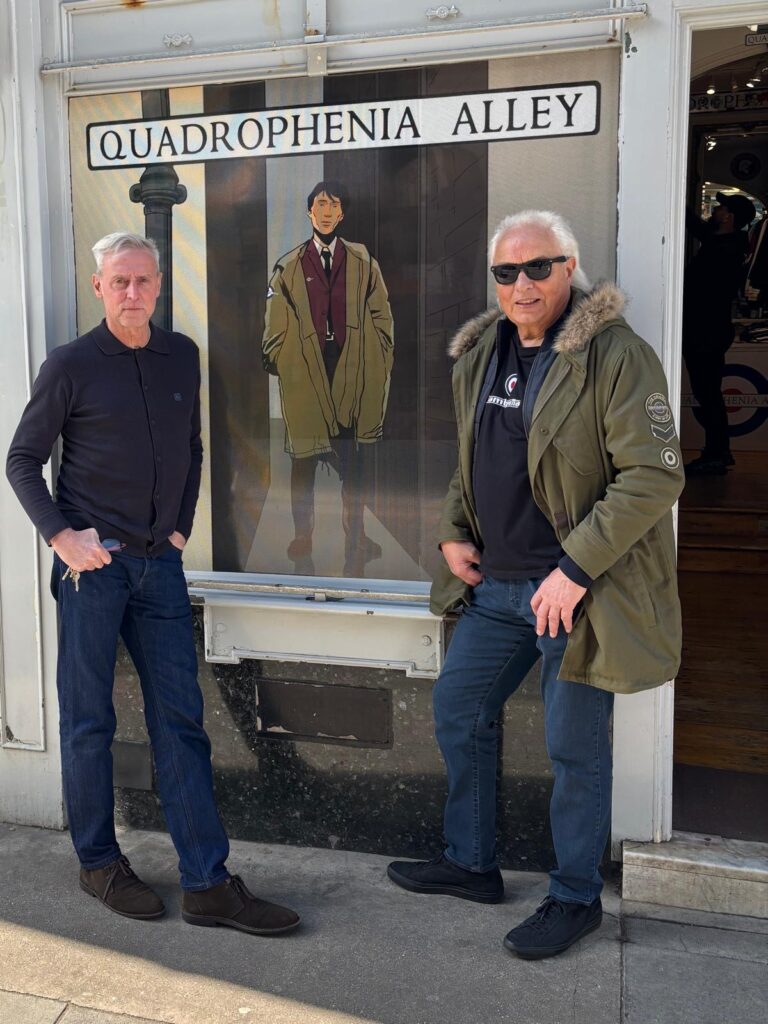
“Are you a Mod or a Rocker?” a reporter asked Beatle Ringo Starr in the film ‘A Hard Day’s Night’. “Um, no, I’m a Mocker,” was his reply, giving the title some 60 years later to a book about the fashion, trends and music of the Swinging Sixties and its impact in Herts and north London.
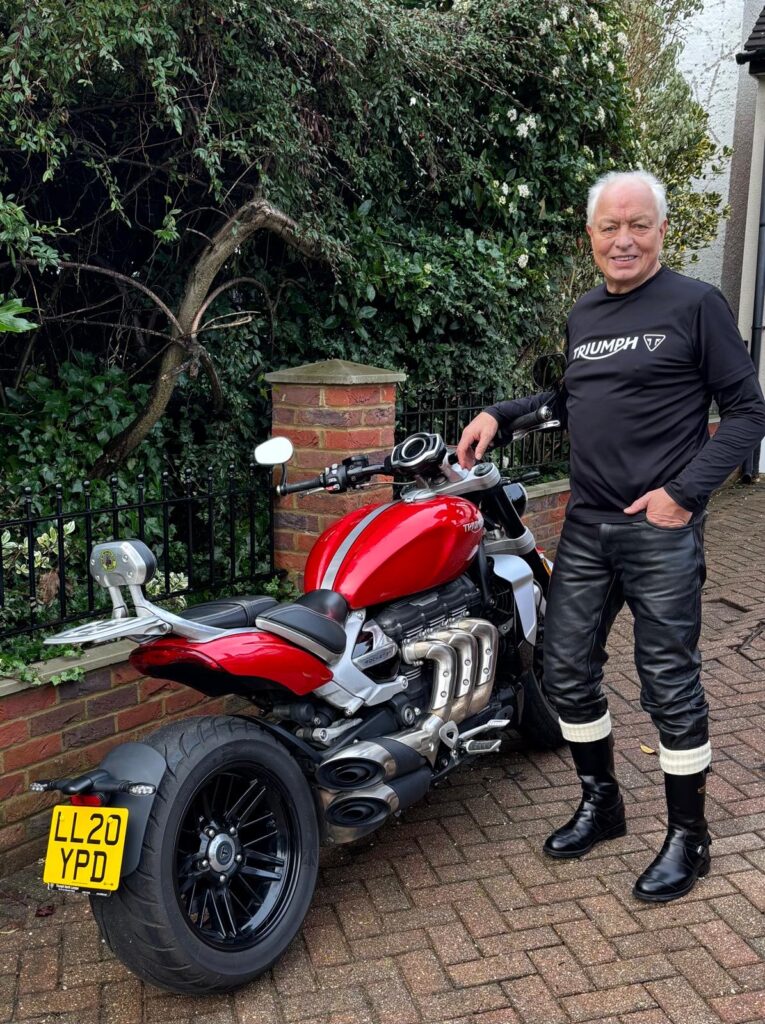
St Albans-based author and Triumph motorcycle enthusiast Will Grimsey, 74, decided to start a new career as a writer after retiring from a life in retail which saw him run leading chains including Wickes, Iceland and Focus Do-it-All.
He had been disappointed by a viewing of the Tom Hardy film The Bikeriders and its focus on the criminal aspects of the Hells Angels movement, and decided to highlight the heyday of the mods and rockers in the UK in the ‘60s.
Will explained why this period is so important to our country’s cultural history: “In the 1960s, British youth culture burst into life with a new confidence that challenged postwar conformity. At its center were two rival tribes: the mods and the rockers.
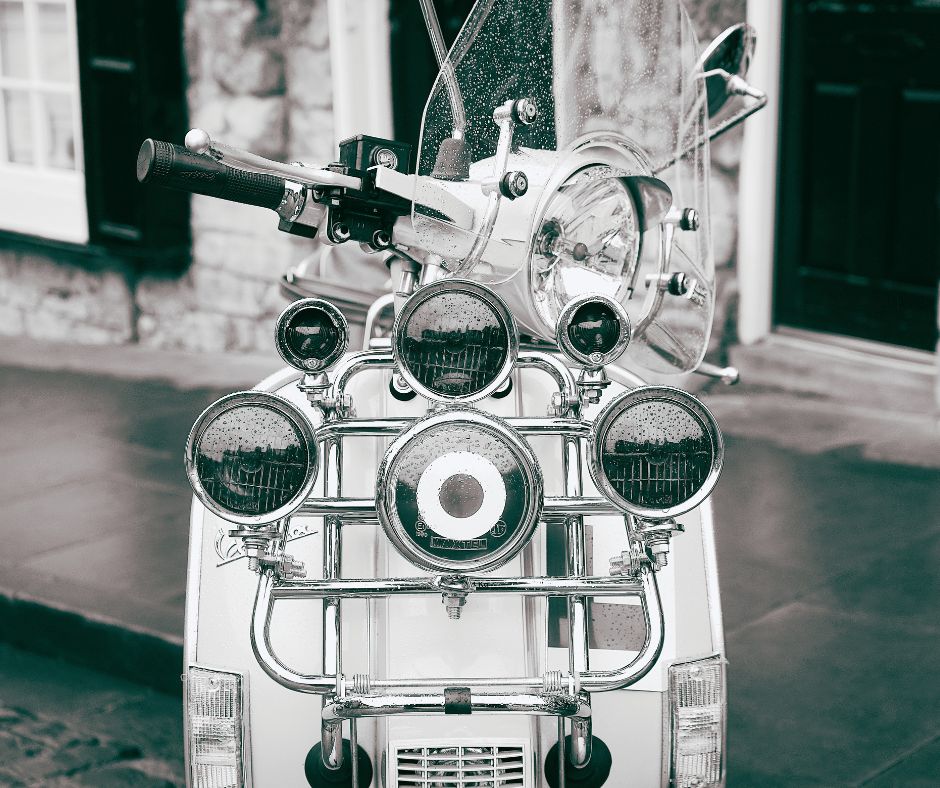
“Mods favored sharp, tailored suits, polished shoes, and Italian scooters, pairing their sleek look with the energetic beat of bands like The Who, The Kinks, and The Small Faces. Rockers, in contrast, embraced leather jackets, heavy boots, and powerful motorcycles, their soundtrack coming from the raw rock ’n’ roll of Chuck Berry and other early icons. Clashes between the two groups, both on the streets and in the media, became symbolic of the generational shift toward greater individuality and rebellion.
“By the 1970s, the cultural mood had changed. Economic struggles, unemployment, and political unrest gave rise to punk – a stripped-down, aggressive movement that rejected polished pop and middle-class values. The Sex Pistols, The Clash, and similar bands turned frustration into fast, hard-hitting songs, matched by a deliberately chaotic style of ripped clothing, safety pins, and mohawks.
“At the same time, glam rock offered a more flamboyant escape from hardship. Led by figures like David Bowie, it embraced androgyny, theatrical makeup, and glittering costumes, defying gender norms and creating a bold space for artistic self-expression.
“Across these two decades, youth culture in Britain became a form of social protest and personal liberation. Music and fashion were more than trends – they were tools to challenge authority, redefine identity, and build communities around shared ideals. ”The creative force of mods, rockers, punks, and glam rockers reshaped British cultural life, leaving a legacy of defiance and innovation that still influences fashion, music, and attitudes today.”
His book centres around a love triangle between Judy, an ambitious young girl who falls in love first with a rocker and then with a mod, using this relationship to cast a contemporary eye over issues of the day including female emancipation and youth rebellion, but it remains essentially about mods, rockers, two wheels and speed.
“Some of the characters are based on real people, and as well as portraying the different cultures of the rockers and the mods, I also wanted to bring in the female issues of that time. Men came back from the war and they ruled the roost, women did as their told and it was a very, very different environment.
“The female character in the book becomes pregnant by a rocker, which was a huge embarrassment, and she was the daughter of an Irishman so he sent her away to Dublin to be with his sister in secret.
“When she comes back she reinvents herself as a mod. She crops her hair into a Twiggy haircut, and she gets together with a mod…”
Although much of the action takes place around Watford, there are local references too, including mention of seeing the new Bond film From Russia With Love at the Odeon in St Albans – now The Odyssey.
As well as penning a novel attempting to capture the youth, passions and societal pressures of post-war Britain between 1963 and 1966, he has also complemented the book with an original soundtrack featuring his own lyrics.
“It’s a cross-format storytelling experiment, exploring how music can expand the emotional world of fiction,” he explained.
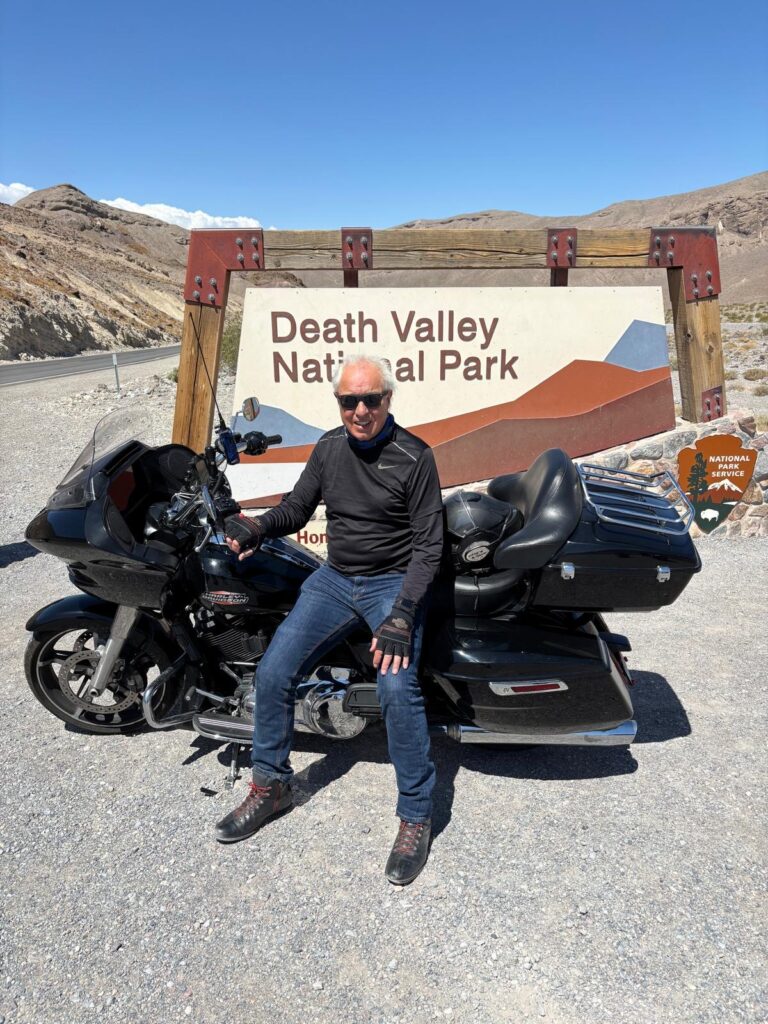
He made the decision to create a Mockers soundtrack while riding in America, and worked with composer and multi-instrumentalist Suzi James and The Fixx bass guitarist Dan K Brown in ensuring it represented the spirit of the era.
Growing up in post-war St Albans, albeit too late for the period in his book, Will says it was still a very exciting time to be a teenager.
“A friend of mine up the road had a Bantom 125 in his garage and he used to let me ride around the fields in Radlett for years without my parents knowing. By the time I became old enough to have my own two wheels I was a mod so I had a Lambretta Li 150 scooter.
“There were two types of scooters predominantly. If you were a Lambretta guy, you didn’t ride Vespas, and vice versa. The only thing you had in common was a Parka, a US Navy green Parka with a tail hanging down the back, a fur collar and lots of badges.
“The other thing about mods was fashion, so you had to look smarter and sharper than the next guy, you know, maroon trousers, smart shoes, Fred Perry t-shirts, shorter hair than the greasers – the rockers, who were called greasers because they put lots of Bryl Cream in their hair.
“The music was different too, it was pre-Motown but you could see it coming, and of course the most famous music was that of The Small Faces or The Who, and in this area The Who played a lot – mainly in Watford at the Trade Union Hall, Borehamwood at The Lynx, St Albans City Hall…
“But this was ’68, ’69 and the mod movement was fizzling out following the Summer of Love, so it wasn’t long until I grew my hair and became a Pink Floyd fanatic.
“I didn’t ride for a number of years because I got married and had kids, but when I returned from working in Hong Kong at the age of 40 I decided to ride again and have now been riding Triumphs for about 35 years.”
Of course, motorbikes have changed over this time: “We used to fix things on the side of the road, and you can’t do that with anything modern now. There was a real camaraderie between bikers and scooter riders, and we would all help each other out.
“Don’t get me wrong, the mod and the rockers wouldn’t help each other, but if they saw one of their own broken down then they’d stop to help fix it, and that doesn’t happen today because modern bikers are more difficult to repair. I’ve got a Triumph Rocket 3R which has to have a computer diagnosis when it goes into the garage.
“But the one thing still in common between then and now is the spirit between bike riders.
“The bikers back then were café racers – they used to race between the various cafés and often they died. The book is set around the Busy Bee, which was on the A41 roundabout at Watford, and at night-time it was occupied by rockers.
“They played a game once a week where they’d put a record on the jukebox, jump on their bike and zoom up the road to the Elstree Road roundabout and back again. If he got back before the record finished he took the kitty. Well I’ve clocked that ride, and you have to average between 95 and 100 miles an hour just to achieve a three-minute ride. At the time those roads were three lane trunk roads, and these guys were just daredevils.
“The mods didn’t do things like that. What they did were mod conventions where they would go to seaside towns en masse.
“Brighton was a famous one, and Margate is the one I use in the book, and they would have between 10,000 to 20,000 scooters descend on the place and spend the day there.”
Although he may consider penning another novel, for the time being Will is concentrating on linking the musical soundtrack to a script based on the book, in the hope that its next incarnation might be a film or a stage show.
He offered one final comment on its appeal: “For my generation Mockers is a nostalgic journey back to a magical era. For other generations it is a chance to find out what your parents, grandparents or even your great grandparents got up to in the sixties.”
Find out more about the book and the soundtrack at his website: https://www.mockers.co.uk/