


12 Aug 2026
When wildlife faces a lack of water – whether from drought, heatwaves, or habitat loss – a combination of immediate relief and long-term conservation is usually most effective.
Like much of the rest of the country, St Albans has been experiencing unprecedented drought caused by a lack of rain and extreme heat. While many people are worried about hosepipe bans meaning extra effort watering their plants or dry golf courses, animals are relying on us to ensure they don’t die of thirst.
St Albans Green Party councillor Juliet Voisey explained: “Many people are enjoying the dry warm weather for holidays but it’s not so great for our native wildlife.
“We have seen reports in the news about our bumblebees who are struggling due to their furry coats.
“We also know that hedgehogs are massively in decline generally and this weather is putting the rescue centres under pressure as they are dealing with increased cases of dehydrated hogs.”
Charity Herts and Middlesex Wildlife Trust describes itself as “the leading voice for wildlife conservation in Hertfordshire and Middlesex” so we asked what they do to help wildlife access water in times of a heatwave or when water runs dry?
A spokesperson said: “Many of the Trust’s nature reserves feature wetland habitats – these can range from ditches to ponds to lakes to rivers. Wildlife use these wetlands as vital wildlife corridors to get from one habitat to another, to enable them to find food, water and shelter.
“Conservation management plans take into account the unique aspects of every site. So, for instance, in this heatwave, we need to pay extra attention to the needs of the livestock which graze our sites for conservation purposes, and provide them with extra water.”
Do they provide safe water sources and if so where? “There is still water out there – quite a few of our natural ponds still have water in them, particularly shaded ones.”
The Trust said it does not refill natural waterholes as “it’s not practical or necessarily what we would want to do. Wetland habitats on our reserves and on the project sites we manage depend on nature – rainfall and the water stored in chalk aquifers”.
However, the pond in the Trust’s Grebe House Wildlife Garden in Verulamium Park is sometimes topped up with water captured in the garden’s water butt.
So what can residents do if they are worried about wildlife not getting access to water?
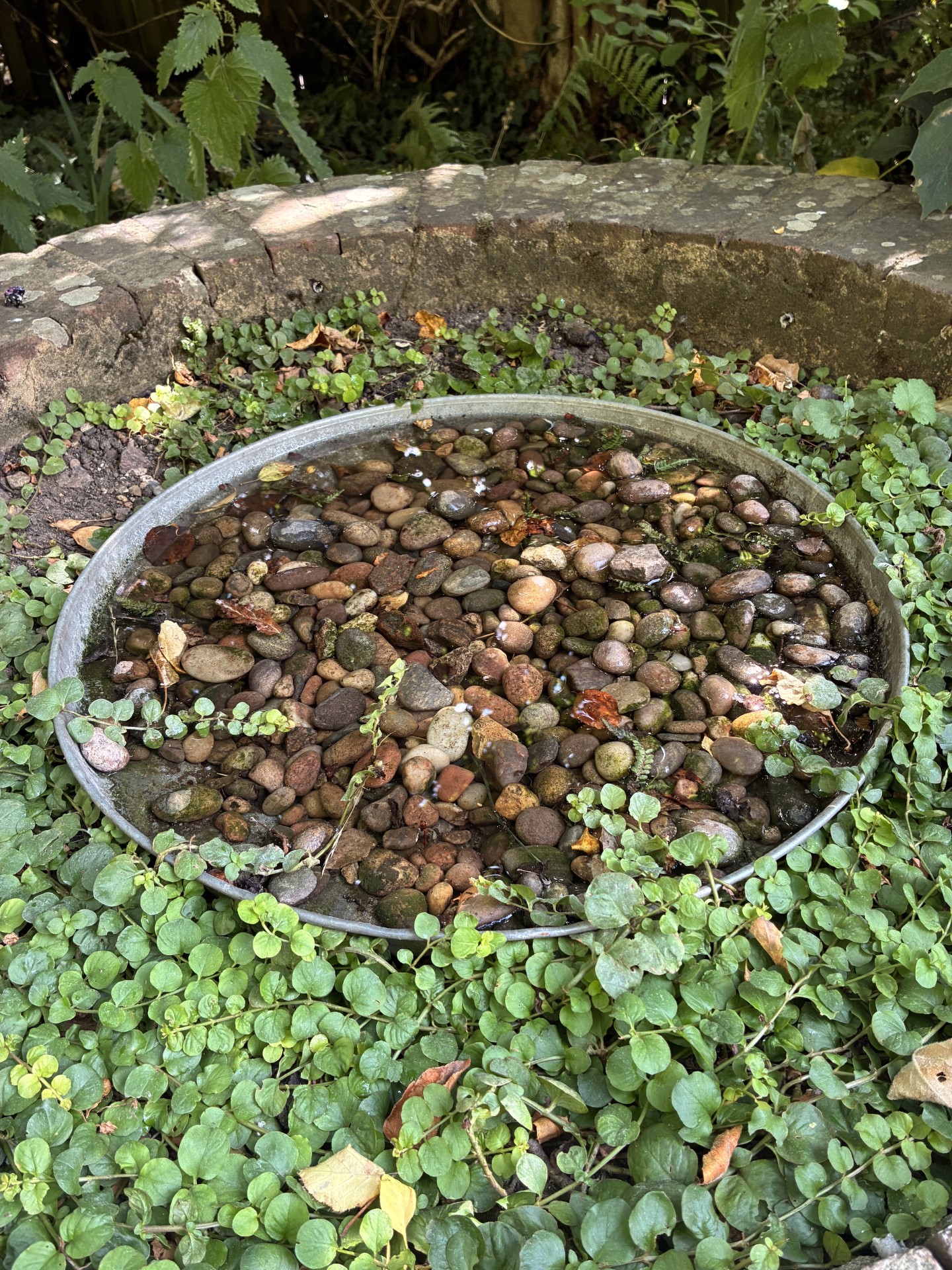
HMWT recommend people build a makeshift pond from an old washing up bowl or even a saucer of water. Birds need to bathe to keep their plumage in good condition and also to cool down.
The spokesperson said: “Mammals, birds and insects, like us, get thirsty so shallow water sources that they can drink from is really helpful. It’s best to put this in an open area and to provide clean water regularly so as to reduce the risk of spreading disease.
“Ponds are best topped up with rainwater from a water butt but if that source doesn’t exist or runs dry, top them up with a bit of tap water.
“We regularly put out water-saving messaging and this formed our theme for Herts Rivers Week, which took place in the May half term.”
We asked St Albans Green Party what can be done to help animals in the heatwave and Juliet replied: “People may think that there’s not much they can do to help but they are wrong. We share our water supply with wildlife and our rivers are currently very low. Only 13 per cent are at normal levels. This can be dangerous for the wildlife that relies on the river and also means some creatures are more exposed to predators if the levels are low.”
She suggested: “If we can think about using water sparingly and not wasting it, this can make a big difference. We have seen over the years the advice about not leaving taps running, taking showers, and using water butts to conserve rainwater for watering.
“Even using our grey waste water from washing up to water our garden.
“A pond is the best thing you can have for wildlife in your garden. It doesn’t have to be big. How about a summer project with the children to dig a hole and put a washing up bowl in it, with rocks around the edge for shelter?
“Even putting a shallow dish of water outside every day for the insects and pollinators who get very thirsty flying around. Just fill with some stones so they can rest on them without drowning.
“We can also see the benefit in allowing some parts of our gardens and green spaces to have scrub or hedges as they will provide shelter and much needed shade for wildlife. We need to embrace a less manicured garden if we want our wildlife to survive these challenging extremes in weather.
“We need our wildlife for our existence and we need to recognise this more. Without it we are at huge risk as they do so much to regulate our environment and pollinate our food. So why not take on a project this summer to help the wildlife in your area?”
It appears that the responsibility for resolving these issues lies with the general public. So what can be done in the short term?
Experts advise reducing human activity around scarce water sources so that wildlife can drink without being stressed.
Another short-term remedy is to help any injured or severely dehydrated animals to be treated by licensed wildlife rehabilitators.
But in terms of longer term planning ahead of heatwaves in future years residents can:
- Protect and restore wetlands: Healthy wetlands, rivers, and ponds store water and provide habitat even during dry periods;
- Plant vegetation: Native plants help retain soil moisture, reduce erosion, and create cooler microclimates;
- Improve water management: Using water more efficiently in agriculture and urban areas leaves more water available for ecosystems;
- Create wildlife corridors: Connecting habitats allows animals to reach reliable water sources more easily;
- Address climate change: Reducing greenhouse gas emissions and adapting landscapes to changing rainfall patterns can lessen future drought impacts.
