02 Oct 2025
One of Britain’s largest, oldest and most thriving local history societies has added its voice to the growing campaign to protect the heritage assets of St Albans from the dangers posed by the proposed local government reorganisation.
At its recent AGM, members of the 750-strong St Albans and Hertfordshire Architectural and Archaeological Society listened with dismay to the news that treasured heritage assets could be at risk.
Professor Tim Boatswain revealed that the problem lies in the fact that although central St Albans has religious parishes it is unparished from a civil administration point of view.
An area that is unparished cannot hold assets and decisions could therefore be made by large unitary authorities which could be to the detriment of our heritage.
Examples already exist in various parts of the country, such as Buckinghamshire and Northampton, where assets have been sold and repurposed despite the opposition of the local population who are not allowed a voice because they are in an unparished area.
Whatever scheme is chosen following the dissolution of Herts County Council and SADC will involve St Albans being amalgamated with another area.
Various options are being considered ranging from a unitary authority comprising St Albans and Dacorum to one for the whole of western Hertfordshire (St Albans, Dacorum, Watford, Three Rivers, Hertsmere).
The unparished area is vast. It includes part of the existing wards of Batchwood, Bernards Heath, Marshalswick West, Clarence, Hill End, Cunningham, St Peters, Verulam and Sopwell, and comprises 28,000 households.
Other parts of the local district are in a more favourable situation, with Harpenden, Sandridge, Redbourn and St Stephens all classified as local parish areas. They have their own local democratic representation and the ability to hold heritage assets.
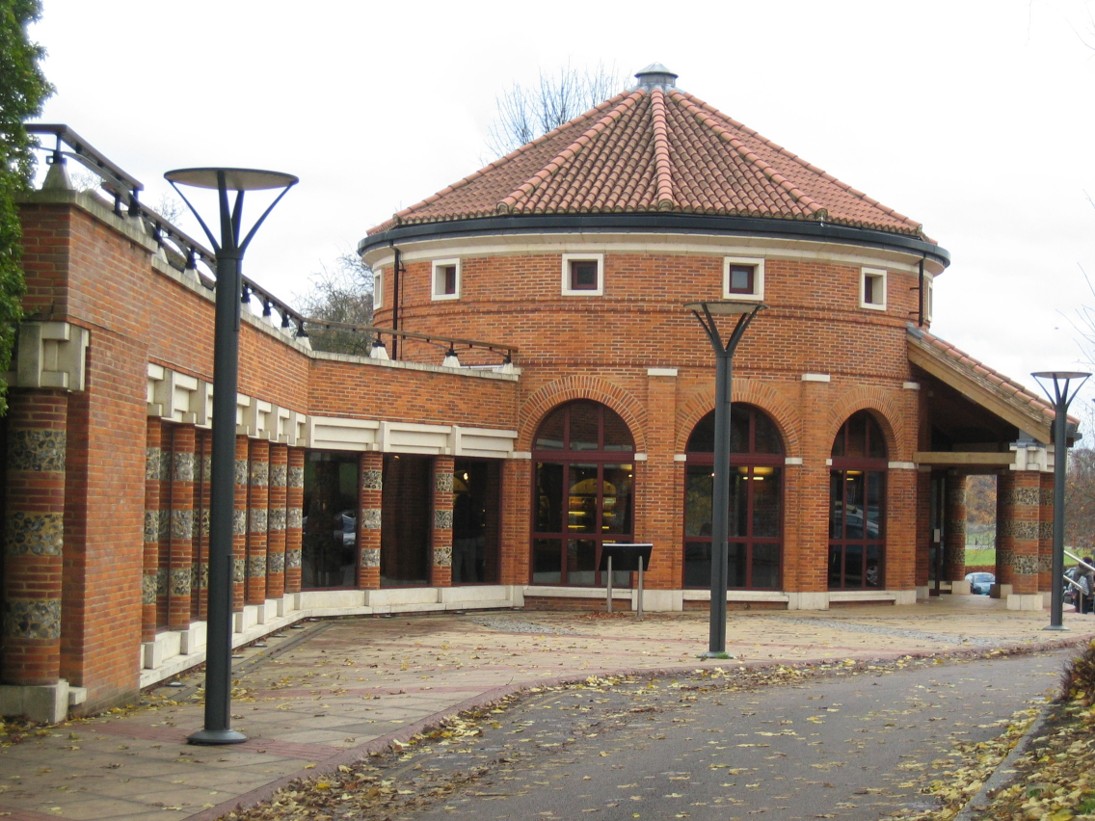
So what could be at risk from a heritage point of view? Dr John Morewood, President of St Albans and Hertfordshire Architectural and Archaeological Society explained: “St Albans City and District Council currently owns more than 300 property assets. These include car parks, green spaces, The Maltings Shopping Centre, the Abbey Theatre and Westminster Lodge Sports Centre.
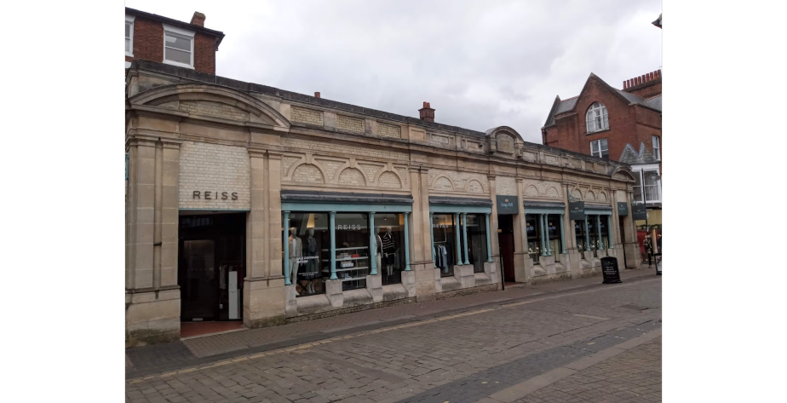
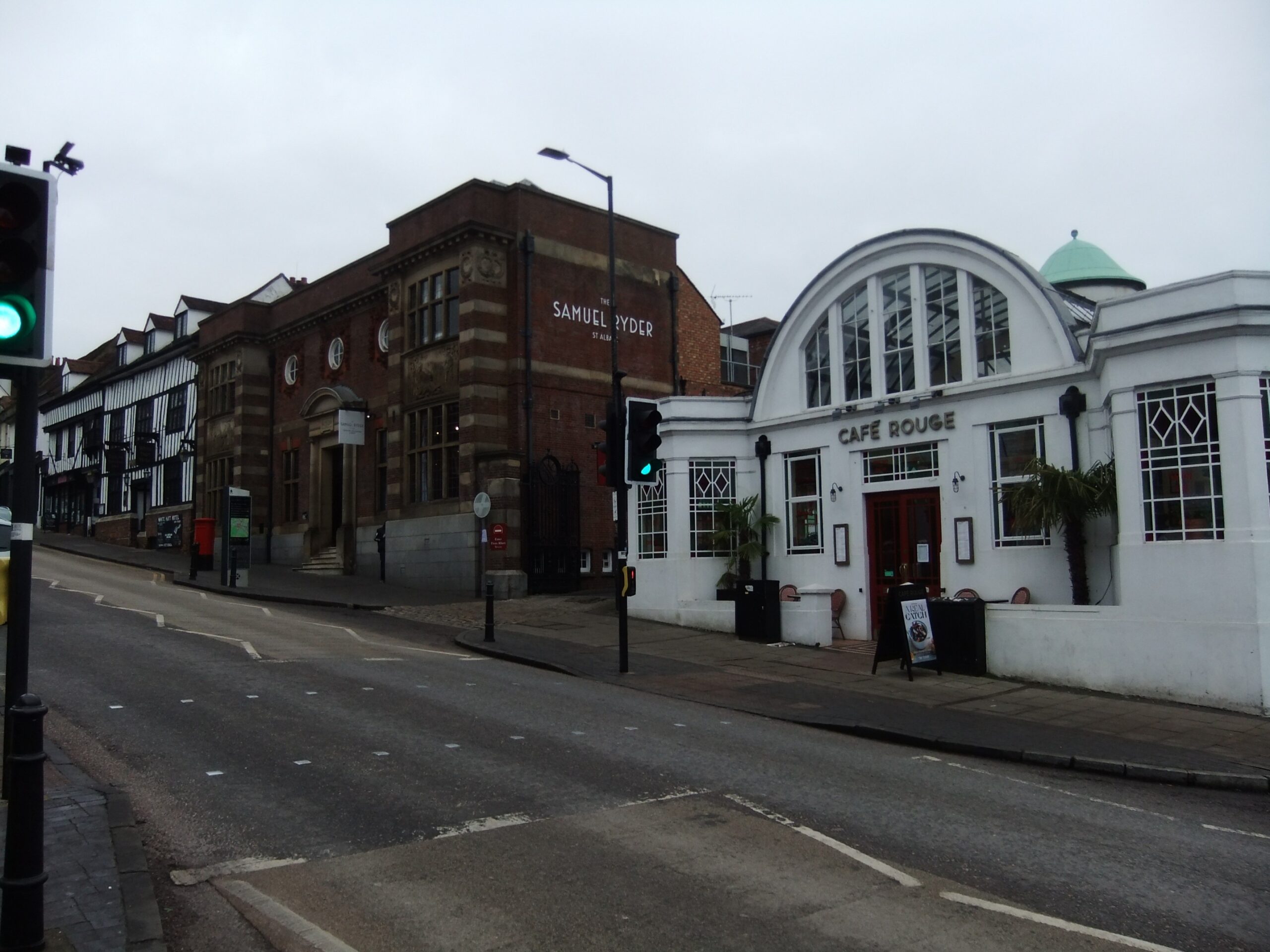
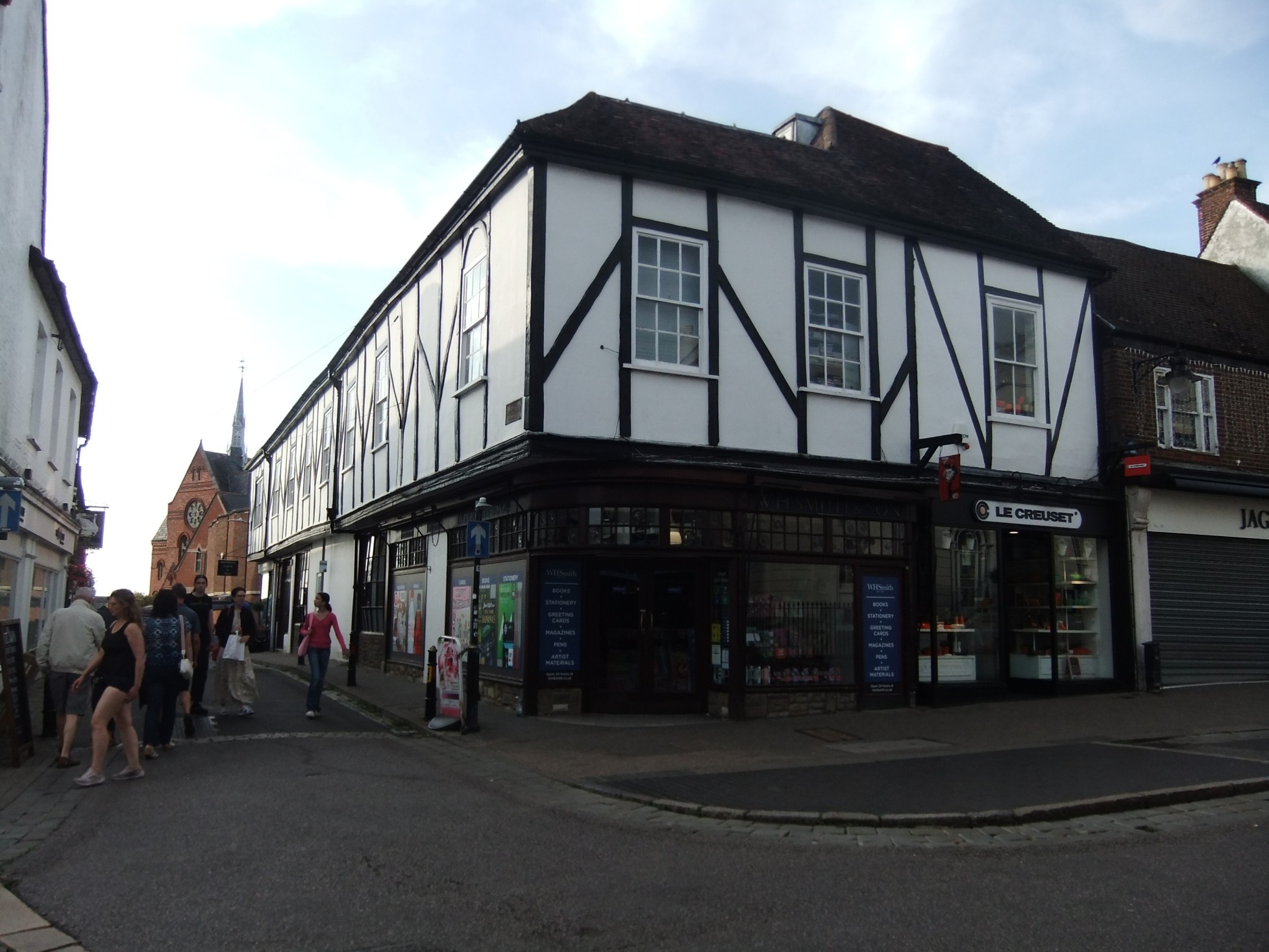
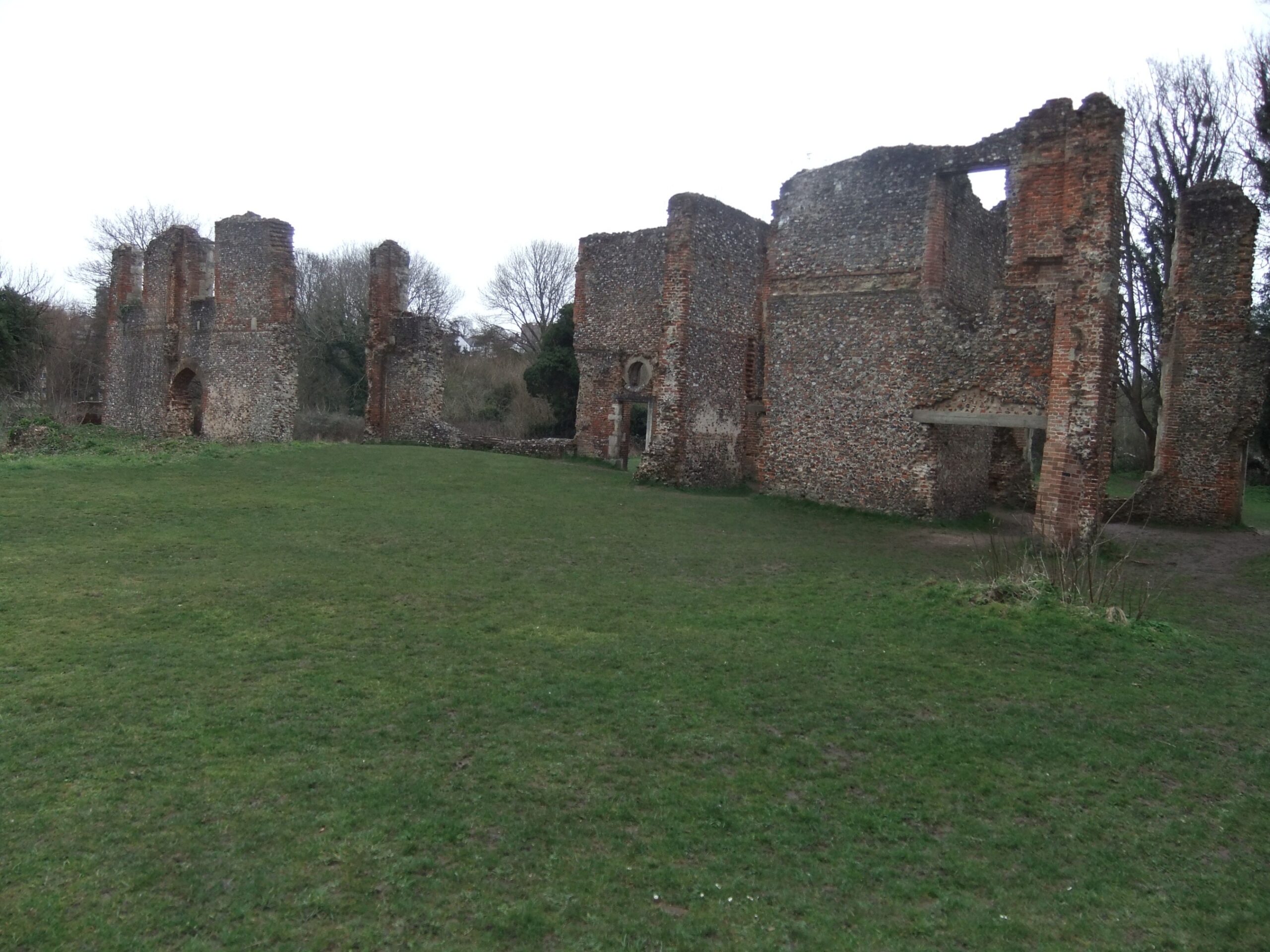
“But they also include Beech Bottom Dyke, the Alban Arena, both St Albans Museum + Gallery and Verulamium Museum, Verulamium Park, the Clock Tower, properties in Market Place including those currently operated by WH Smith, Simmons, and Reiss, the Samuel Ryder Hotel and the Ryder Seed Hall both on Holywell Hill, the Vintry Garden; and the Lee Hall ruins and surrounding green space at Sopwell.
“Some of these could not be sold for building land as they are listed and watched over by Historic England. But others could be repurposed.
“The change in use of Northampton’s Victorian Town Hall and the sale of part of the building is a case in point. Provision of services and maintenance contracts could be franchised to alternative providers without the due diligence currently displayed by people who understand and are passionate about their local heritage. The future of our city’s historic fabric is uncertain as are the cultural events held here.
“We believe, like our friends in the Civic Society, that the only way to safeguard these assets is to turn the unparished area of St Albans into a new city council, which has the statutory powers of a parish council. This local body could be empowered to protect and enhance our priceless heritage, ensuring it is managed for the benefit of the community, not from a remote administrative centre.
“It would ensure our parks, landmarks, and community life continue to thrive.”
St Albans Civic Society’s campaign to Keep A Local Voice for Our City is also looking at the future of the city’s historic mayorship, which may also be at risk when the district council is abolished.
One option to protect the role could be to create Charter Trustees, comprising councillors from the new local authority whose wards lie within the historic boundaries of the Mayoralty. They would then take on the role of preserving the city’s civic tradition, either on a permanent or transitional basis.
Tim Boatswain added: “It is not to late to make this happen, but time is running out. The present city and district council is now holding a Community Governance Review, including whether the unparished areas should have a parish (city) council. The first stage of the consultation closes on October 6.
“SADC does have the power to set up civil parishes and to transfer assets to them, but this must be done by May 2027, when the shadow unitary authorities will be established. We need to show the district council now the course they should be advocating.”
The first stage of the Community Governance Review is live and closes on Monday October 6.
To support a dedicated city council for our historic city centre, please email: CGR@stalbans.gov.uk. Include your name and address (kept confidential).
Your message can be simple:
“I support the creation of a city council for central St Albans to protect our historic assets, green spaces, and unique character.”
Alternatively, write to: Community Governance Review, Electoral Services, St Albans City and District Council, Civic Centre, St Peters Street, St Albans, AL1 3JE.
Please note, you do not need to live in the unparished area to comment, anyone concerned about this can do so.