16 Mar 2026
Tangible evidence of the forges which used to line Blacksmith’s Lane in St Michael’s village have been uncovered during an archaeological dig at a historic pub.
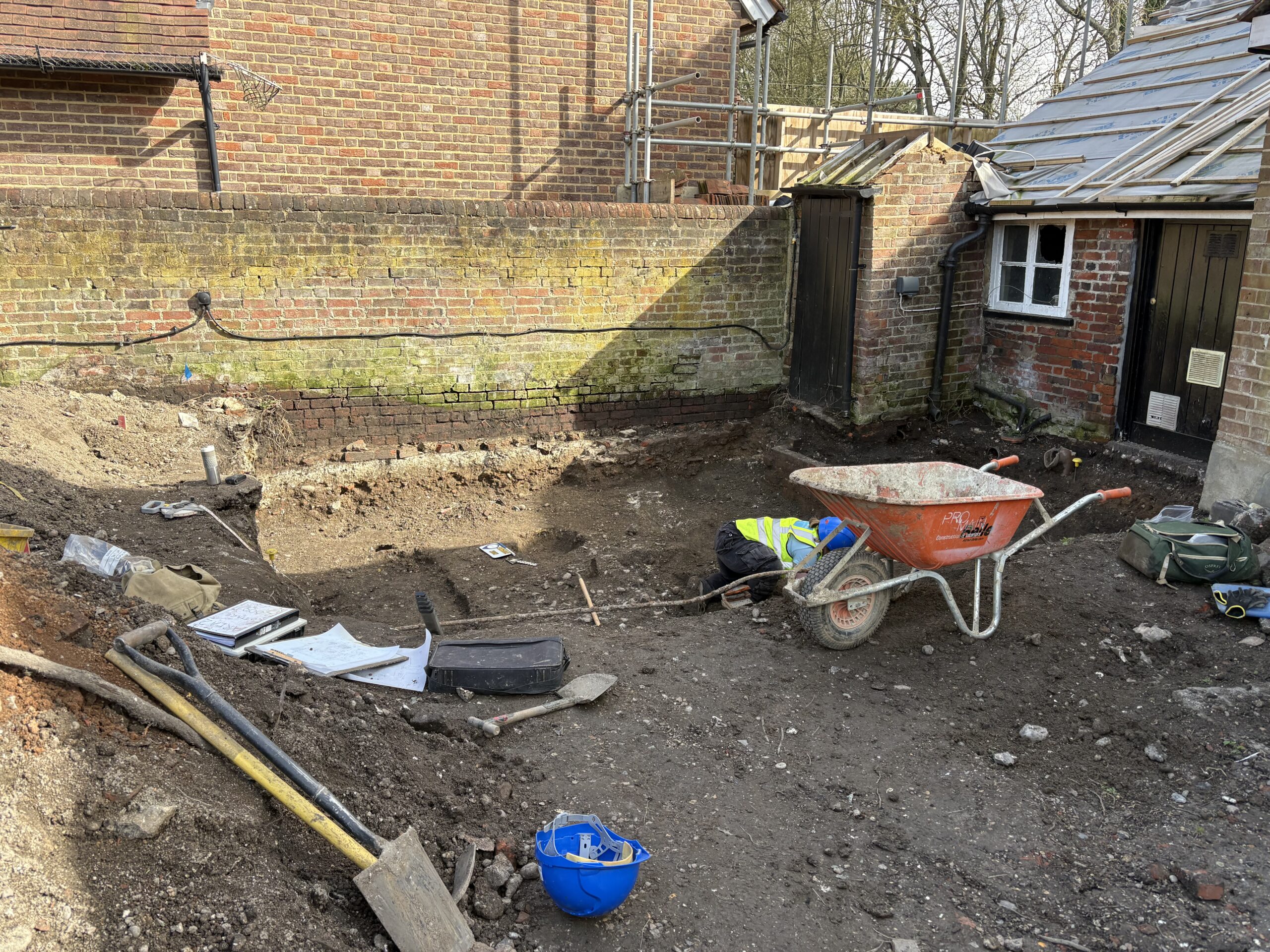
A team from DRP Archaeology, Minerva Archaeology and Verulamium Museum are back at the Rose and Crown to excavate the site ahead of the pub’s redevelopment next year.
It is a prime site for historical finds as there are layers of history beneath the building dating back through medieval times to the Roman city of Verulamium.
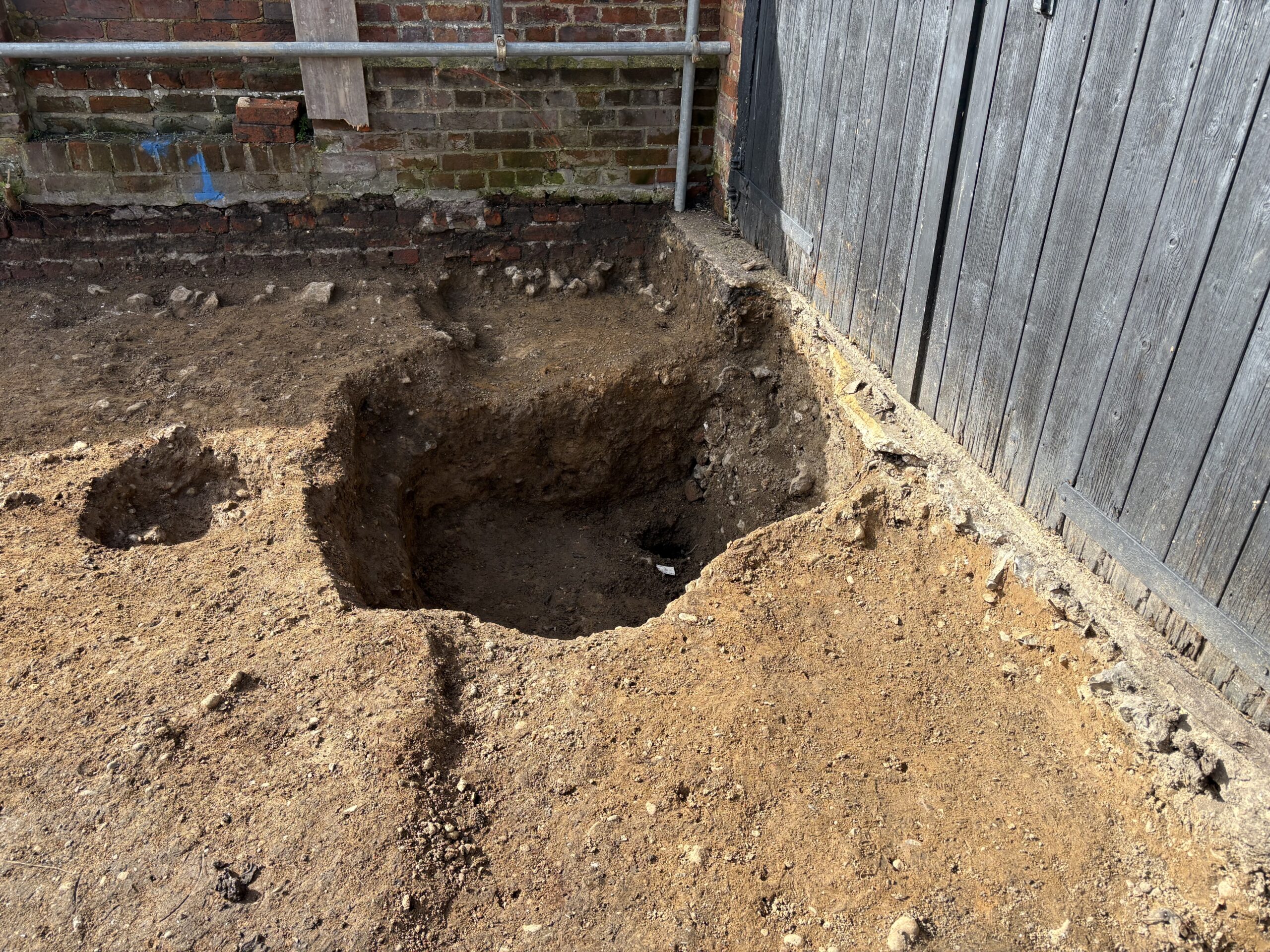
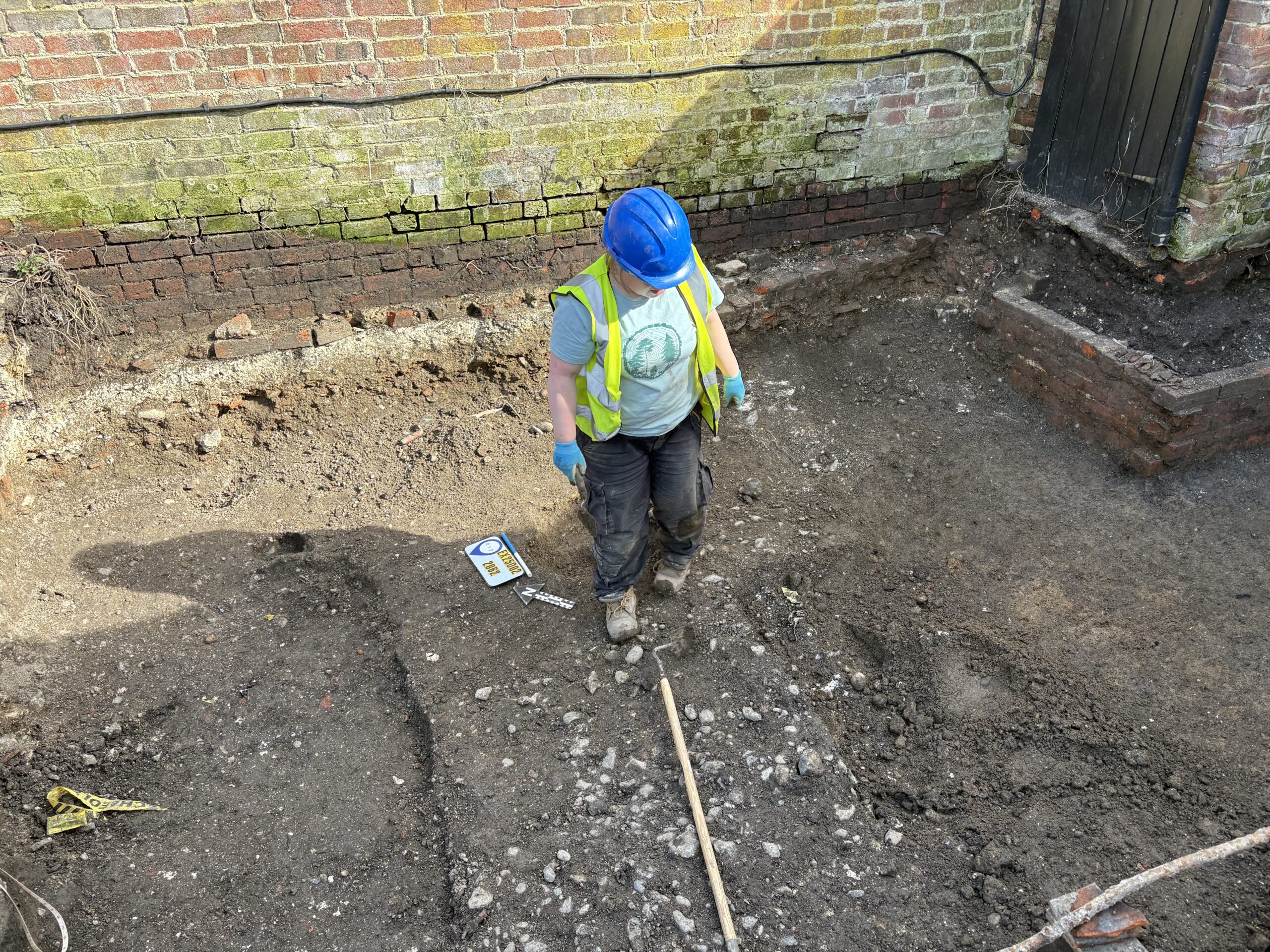
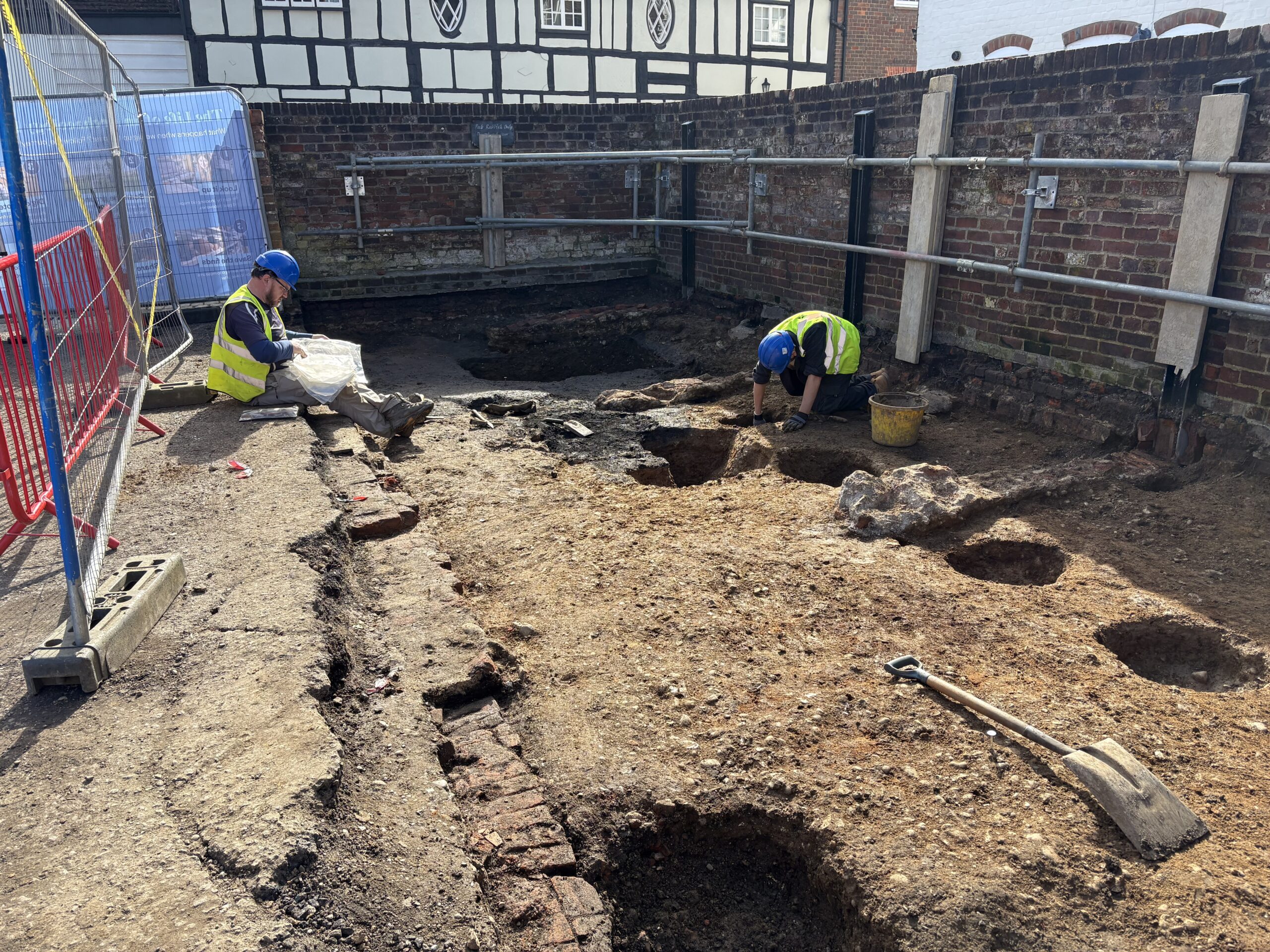
What was initially supposed to be a two-week project has extended to four weeks, with the team having now reached a blackened deposit full of iron slag which sheds new light on the past of the surrounding area.
Archaeologist Tom Lucas, who is responsible for developing, maintaining and advancing the knowledge of archaeology for St Albans Museums, said it is the remains of post-medieval blacksmithing which they discovered after removing what was left of a Victorian building at the front of the pub.
“This evidence of the smithy is lovely. Because we’ve got Blacksmith’s Lane and a building nearby called The Smithy we knew what happened here, but to actually see it in the ground is something else.
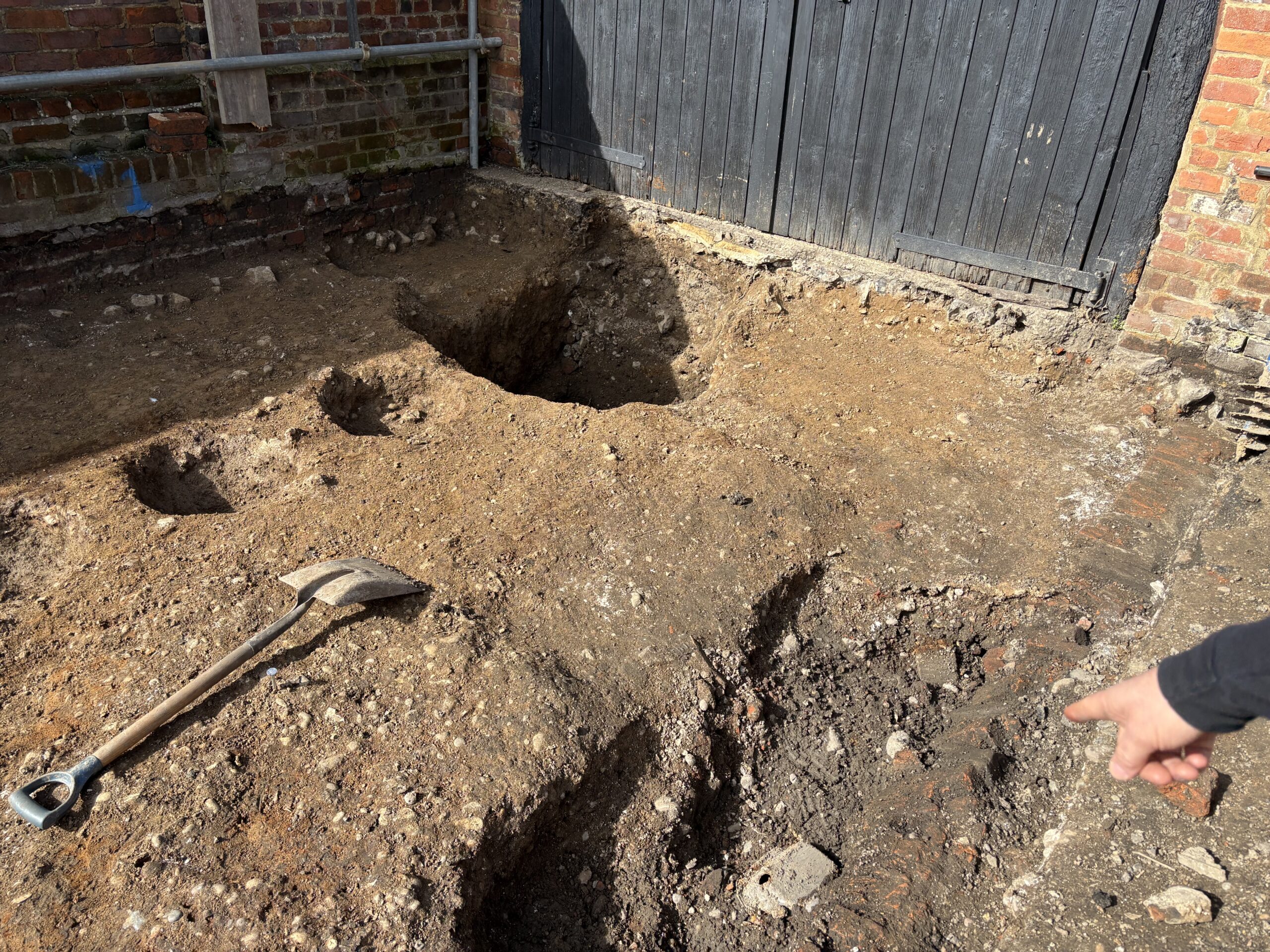
“We’ve also got a series of post holes which suggest a timber structure predating the blacksmithing, so you’ve actually got two layers of occupation. It could be many things, an outside lean-to, a stable, or even tolls as the road was always in use here. You start to use your imagination and come up with ideas.
“We come up with interpretations as we’re working, but most of it comes together in post-excavation, when you go through all the reports and line them up with the other known archaeology from here to get a better interpretation.
“But it’s all going to plan, we’re peeling away layer by layer. This black layer has been exposed for about a week, and when that comes out we’ll suddenly reach a whole different surface which will speed up the process quite quickly then as we get into the medieval deposit.
“Although we’ll not necessarily be directly into the Roman stuff, we’ll be into Roman artefacts and possibly the destruction of the walls of Verulamium.”
The extension of the project has allowed many more people to see the dig in action.
“It’s great for the public engagement. By the end of this week we’ll have seen around 2,000 kids and each open days there has been about 1,000 people.
“After last year when we had two and a half thousand people in four days we knew the public loved seeing the archaeology, so this year we’ve changed to more of an education bank so essentially every school that was coming to Verulamium Museum was invited to visit us.”
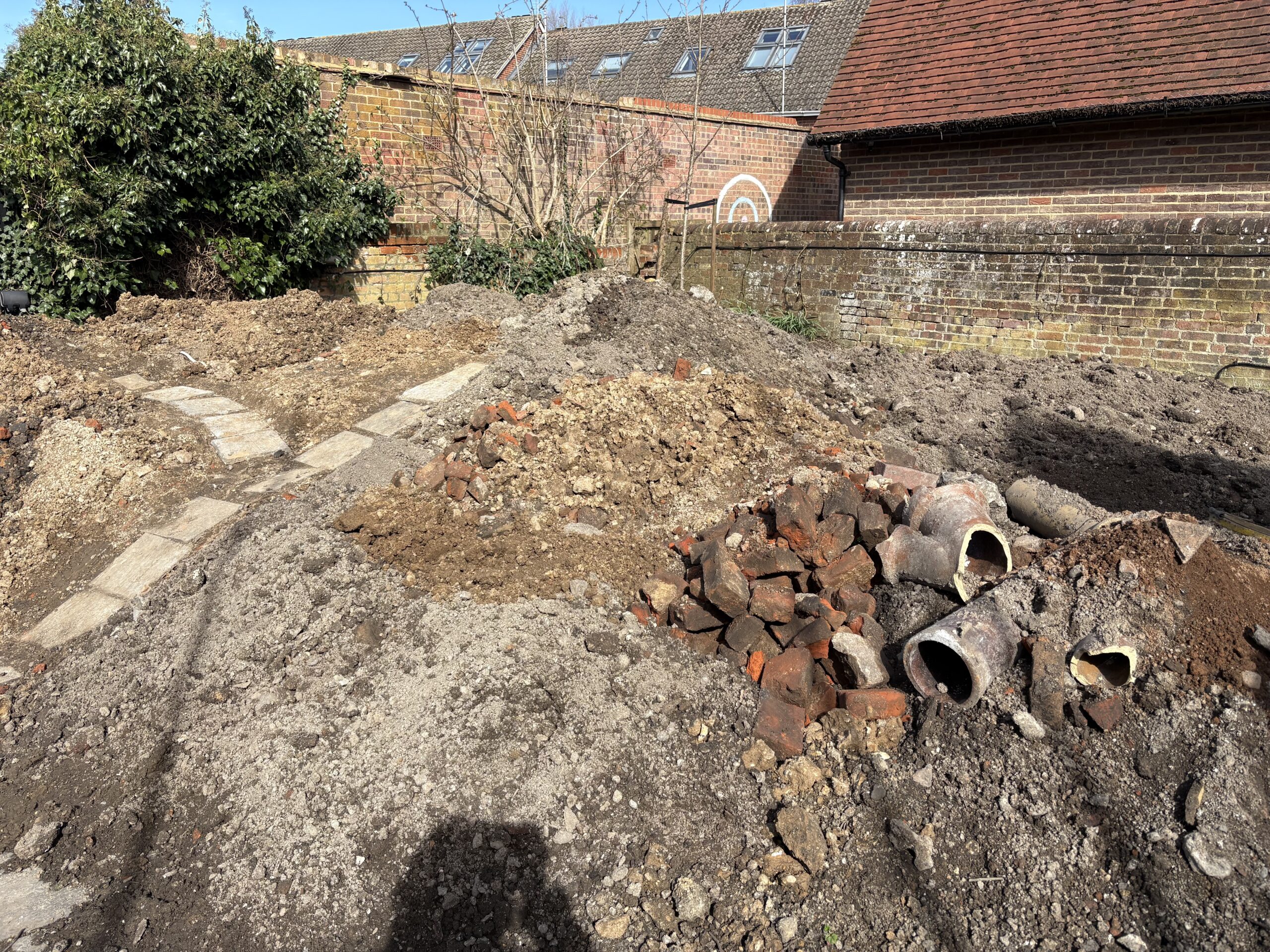
A second dig, to the rear near the kitchen, is also yielding positive finds, with archaeologist Sabrina having unearthed some tesserae tile which appears to have been used as backfill, but may actually hint at something bigger further down.
“It’s a big piece of floor, or it’s a floor insulation, and underneath there may be a mosaic or a tessellated floor,” she reveals.
Discovering a mosaic, buried for centuries under the car park at the back of the pub would be a momentous discovery, but should that be the case, would it be left in situ or moved off site to one of the city museums?
Tom explains: “It depends where it’s sitting. There will have to be a conversation with the developer and the planning officer to say, ‘Right, what happens to this? Do we keep it in situ or does it all get lifted?’ I think we’re just coming down now to what is quite exciting…”
For the moment though, the time-consuming process of scraping back the accumulated debris of hundreds of years continues, with any major finds tantalisingly yet to be unearthed…