08 Dec 2023
Just a few days after marking its 35th anniversary, St Albans-based HIV and Aids support charity The Crescent is preparing to close its doors for good.
The organisation, which is based in Russell Avenue, has provided counselling, emotional support, drop-in sessions, education and prevention services since it was founded on the first World Aids Day on December 1 1988, but now it is packing up for closure.
Over the years it has helped hundreds of people – men and women alike – deal with the consequences of an HIV diagnosis, but now dwindling funds have meant it cannot continue.
Chief executive officer Iain Murtagh has been the only surviving member of staff for the past two years, from a high of around eight to nine before the pandemic.
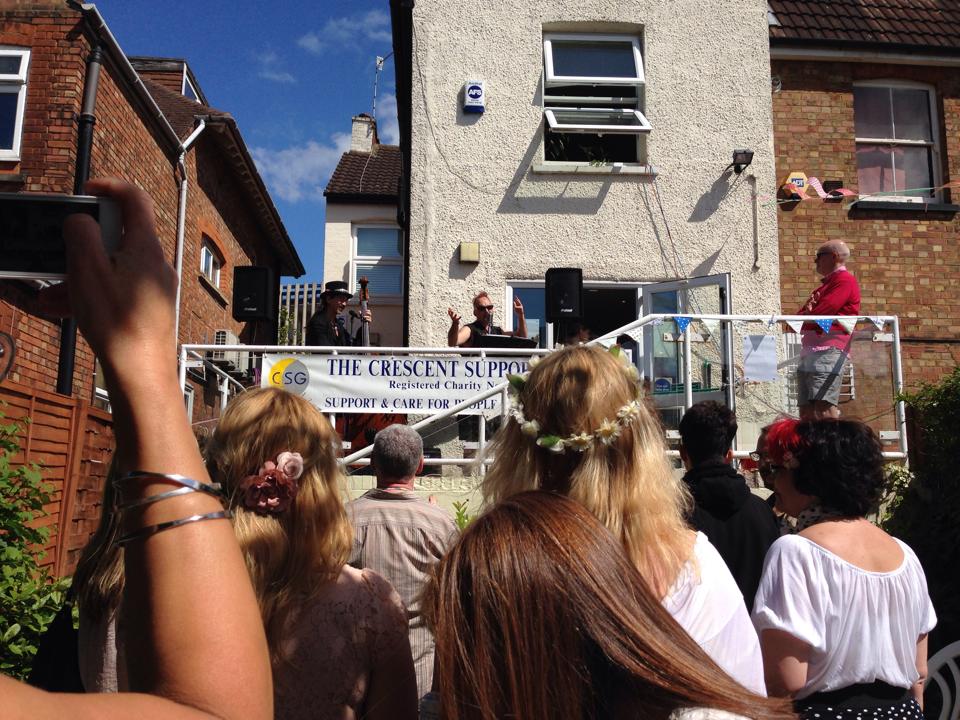
It was Covid which really sounded the death knell for the charity, as most of its fundraising came through public events, music performances and bucket collections, all of which were curtailed during various lockdowns.
“We never recovered,” said Iain. “I ended up selling my house as we needed the funds to keep going during the pandemic.
“Our users were locked down, scared their statuses might come out, worried how their immune systems would be compromised, with the only support they received coming from The Crescent. Without us they would have had no-one.
“One of our users was a single mother living in a shared house We helped her access food, and I took in her washing because the launderette wasn’t open. I set up a washing line in the garden as the weather was so nice!”
But despite Iain’s sacrifices, the situation did not improve for the charity as Covid restrictions eased.
“I gambled on things recovering, but our public profile fell by the wayside, and because we’re a confidential service we provide anonymity for our users, so didn’t have anyone we could use for case studies to promote our work.
“Even in the 21st century, there is still a lot of stigma surrounding HIV. It’s the only medical condition which really has that stigma surrounding it.
“The majority of our users don’t tell their friends, their family, even their GP about their diagnosis. Programmes like [Russell T Davies’ TV show] It’s A Sin raise awareness and make people think, but we need a coordinated public health campaign explaining that things have moved on, HIV and Aids are no longer a death sentence, people with the condition go on to have children, and explaining how to deal with someone who tells you about their diagnosis.”
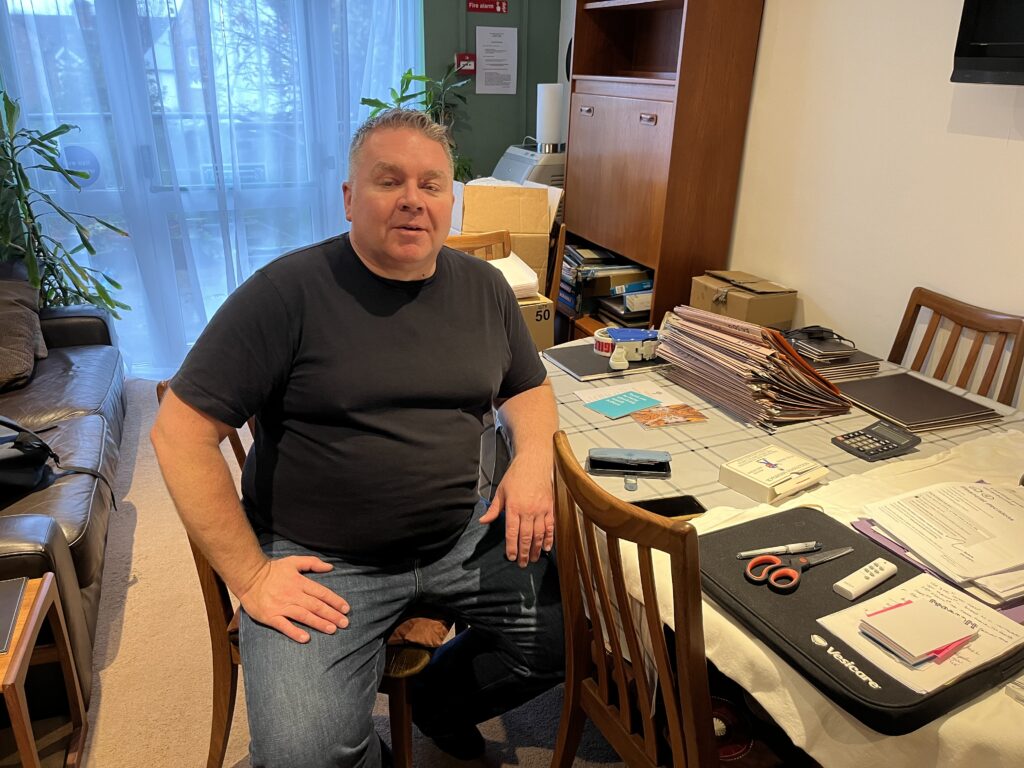
He said he personally changed doctor’s surgery because of the ignorance he faced from his GP, and even today some people are scared to shake his hand because he works with people diagnosed with HIV.
“Our purpose has always been to deal with the things people can’t or won’t, so ensure they have an easier life and can cope with their diagnosis, their medication and their mental health and wellbeing.
“Some of the Facebook messages I have received since news of the closure spread have been amazing. People saying the charity changed their lives. There was one girl who came here direct from Watford Sexual Health Clinic in tears, thinking her life was over after her HIV diagnosis. We gave her support, advice and counselling and now she is married with a child. It’s fair to say that we really have made a difference.”
The Crescent has struggled with funding since NHS Hertfordshire and Herts county council pulled their funding in June 2010, putting their financial support behind rival HIV charity Herts Aid, which ultimately closed down in June 2018.
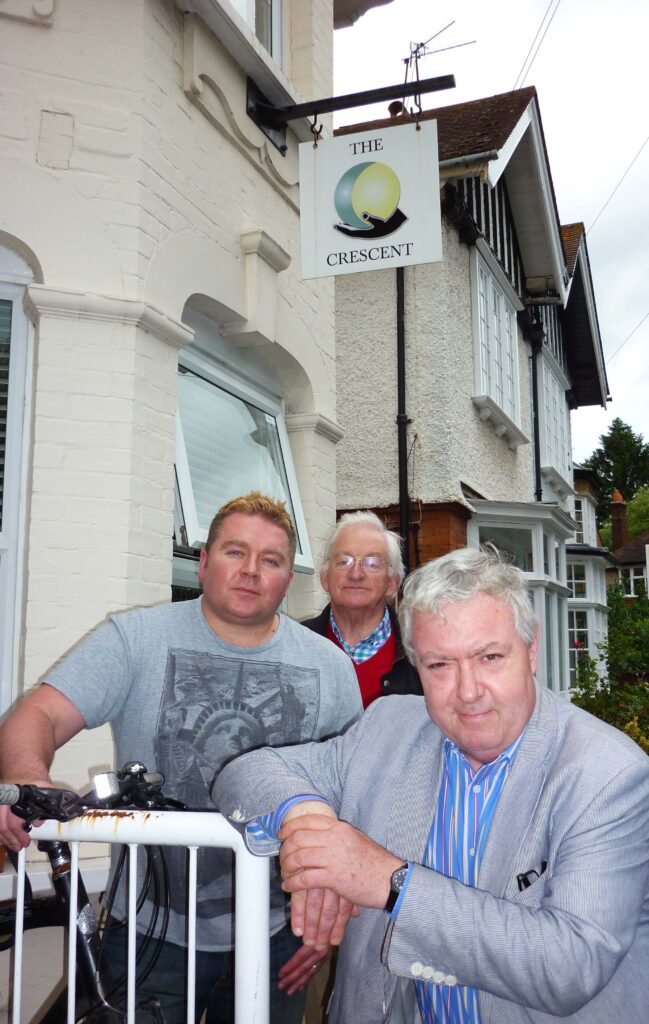
It has survived through self-generated funding ever since, but this has dwindled away over time, despite support from the likes of the local Boots store, the Bishop of St Albans and celebrity patron John Sessions.
The majority of services stopped in March, and ever since the charity has only supported its existing membership of approximately 300 users.
Although Iain, who is 56 in March, faces becoming homeless when The Crescent closes as he lives in the same building, his focus remains on the service’s users.
“It’s very shortsighted, the lack of funding. The issue is no different than it was ten years ago, HIV is treading water and people are still needlessly affected.
“I’m still hopeful for last minute funding, especially as there will be no HIV support services left in Herts when we go. We outlived HertsAid who closed in 2018, and the Terence Higgins Trust withdrew from Herts earlier this year.
“Ironically you can still get funding for specific projects, but rarely for upkeep costs, so it’s the icing not the cake. Our overheads are just insurance, utilities, materials and my salary, so if we had around £40K a year we wouldn’t be closing.
“Late diagnosis of HIV costs the NHS a fortune in intensive care, recovery, medication, mental health support. One avoided case could fund us for two years back in the day, but six to seven years now.
“There needs to be more testing, advice and support, all of which we were able to offer.”
If you think you can help keep The Crescent going, contact Iain via info@thecrescent.org.uk