16 Jun 2026
For many residents of St Albans it will always be “the boys’ school”, but in a matter of months the city’s 1,000-year-old education establishment will be embracing its biggest change in centuries.
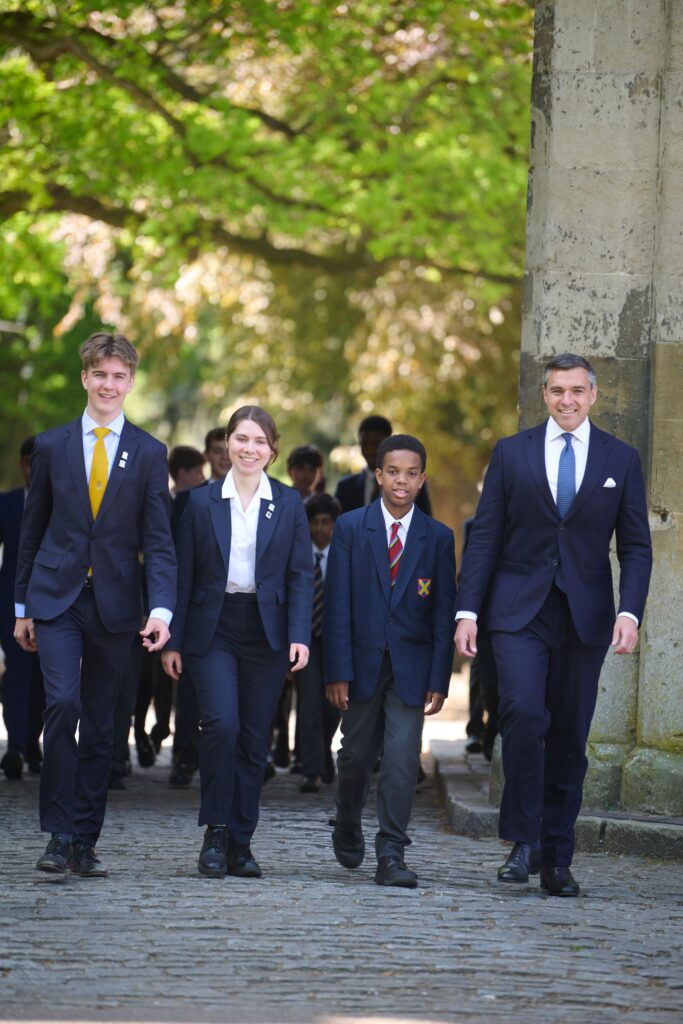
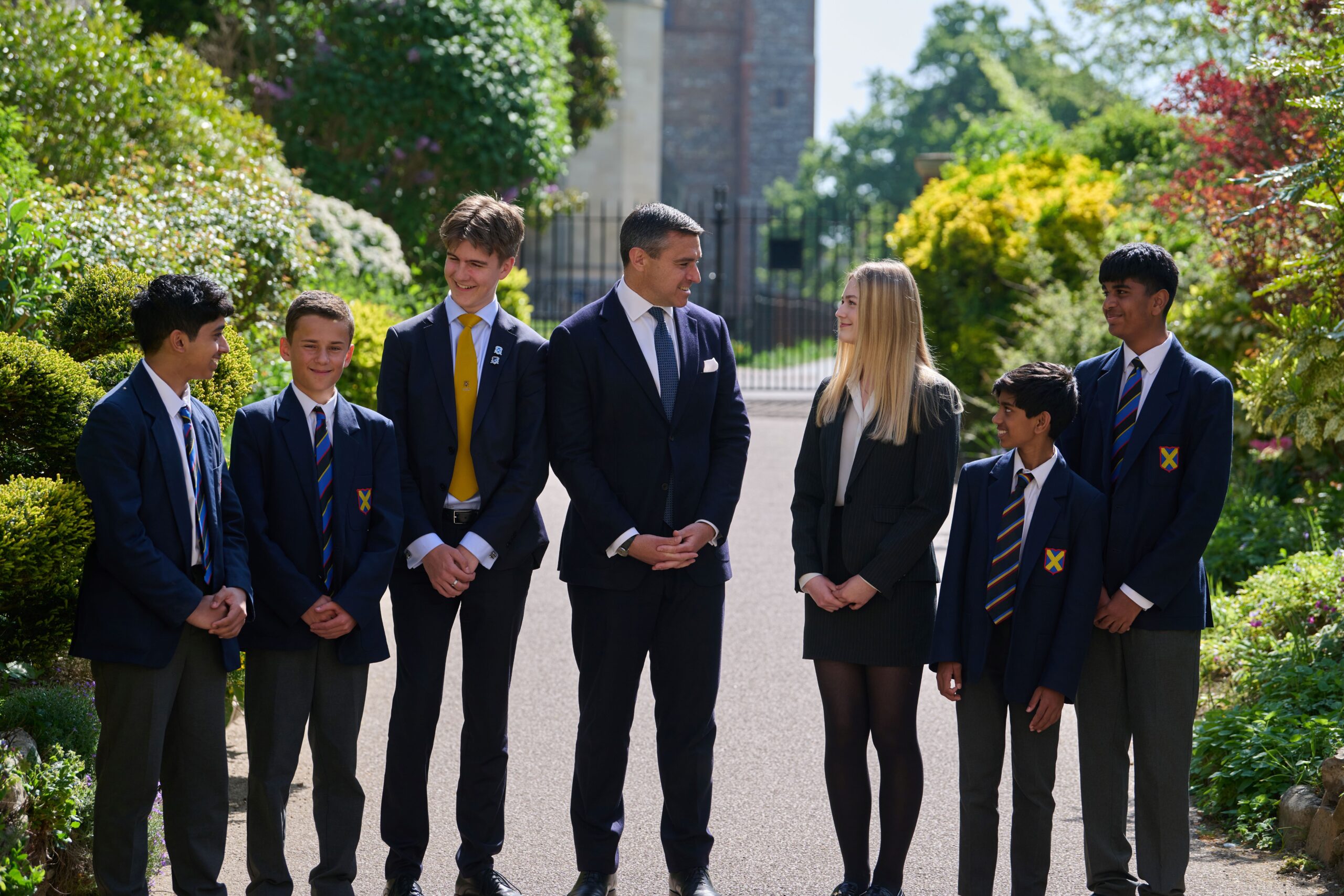
From September, girls will be joining the First Form (Year 7) cohort for the first time, top-and-tailing the female contingent who have been part of the sixth form since 1991.
Founded in 948 by Abbot Ulsinus, the school is one of the oldest in the world, and counts Stephen Hawking and Nicholas Breakspear (Pope Adrian IV) among its alumni, so it’s impossible to downplay the weight of history which can be felt in its corridors and classrooms.
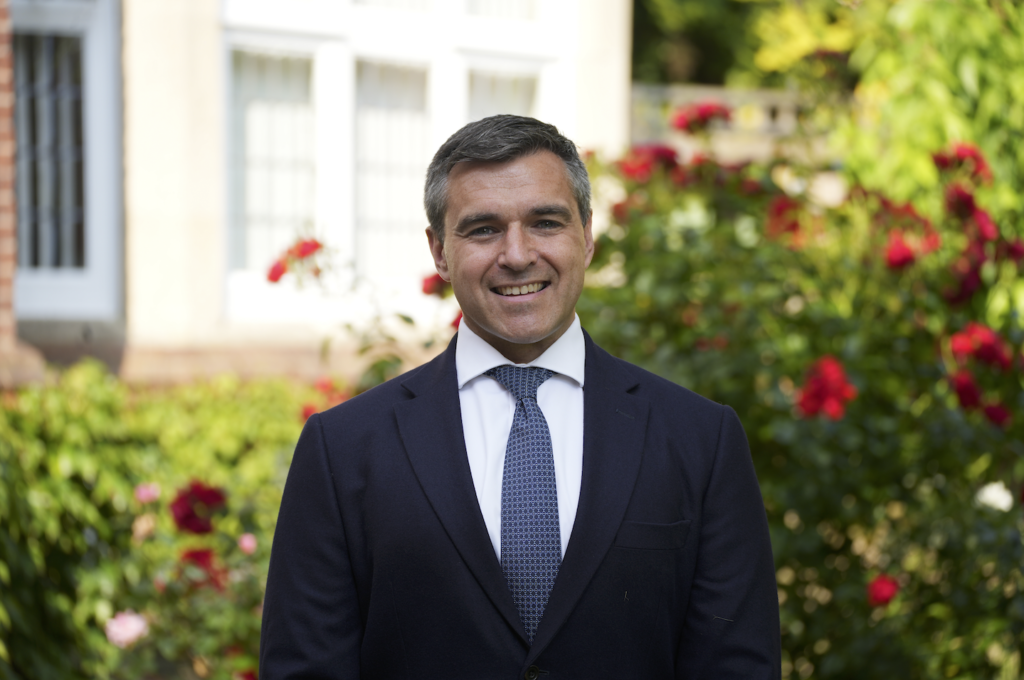
Ushering the school into this new era is current headmaster Joe Silvester, who was appointed to the role in 2024 after previously overseeing Wetherby Senior School.
It was only a few months later that it was decided to extend co-education across the entire school, starting off with the First Form and then rolling out to successive years as that cohort progresses.
Was he at all reticent when it came to introducing such a fundamental change? “I’ve been very clear with people that I think this is an outstanding educational institution, but despite its thousand years of history we don’t rest on our laurels and are not going to be bound by that. It’s a really exciting place for young people to come to learn, so it matters to me that we widen that out to both boys and girls.
“It will take time for people to think of us by default as being St Albans School and that boys and girls go here, but that’s fine. For us, looking outwards is what is really important.”
He stresses that such a momentous decision was not made without extensive market research and consultation: “There were a lot of different things that came together. At Year 7 we are normally split about half and half between children who come from local primary schools, and those who come from independent schools, and for all of them their only education experience was in a mixed co-environment rather than boys-only institutions.
“Fewer and fewer of our existing parents had also had any experience of a single-sex establishment themselves, as we draw them from a really diverse cross-section of society.
“So we surveyed our existing parents, nearly 900 sets of families, and asked them why they chose to send their children here. Being single sex up to age 16 was one of the options, but very few people chose that as a deciding factor, and some even said they would prefer it if we were co-ed.
“I then wrote to every Old Albanian on our database that we had contact details for, which runs to thousands and thousands of people. I’d expected them to be more conservative, but they were just as supportive.
“Only one person said they thought this was a bad idea and wanted it to stay as a boys’ school. I wrote back inviting them for a cup of tea to understand where they were coming from, but I never received a reply.
“The thousand years of tradition isn’t changing, because it’s still there, it’s just evolving.”
In a neat circular movement, one of the first 12 girls who joined the sixth form in 1991 is now the vice chair of governors, and was able to vote for and oversee the inclusion of girls through the rest of the school.
“What we have thought really carefully about is how to make sure that the lived experience of those first Year 7 girls, and the boys in the same year group, is as good as we want it to be.”
Although around 25 per cent of that year will be girls in September, this was not a consequence of the school flexing its academic standards in any way in order to accommodate them.
“I said all along that I was going to be scrupulously fair and consistent with both boys and girls, and everybody has to meet the same academic standard.
“We did a lot of work with those first families to understand things that are important to them and their daughters, and our existing sixth form girls had a huge role to play in telling us the things that went well and those that didn’t to help shape the experience.”
He added: “I think different schools change for different reasons and at different times. I spoke to my immediate predecessor Jonathan Gillespie and Andrew Grant, who was the headteacher before him. Jonathan’s a super guy and I was very fortunate to follow him, and he said that if Covid hadn’t come along he would probably have made the school co-ed. But as it was he prioritised looking after the school during the pandemic, and then thought it should be a decision that I made with the board of governors and not him.
“Andrew, who left here in 2014, had inherited the first six form girls cohorts from his predecessor Simon Wilkinson, and he also said that on reflection he should have turned the school fully co-ed. So it’s interesting that neither of my two immediate predecessors thought this was wildly out of step, and that it was the right thing for the city to have an outstanding co-educational school. I feel very fortunate to be the person who will shepherd the school through this transition.”
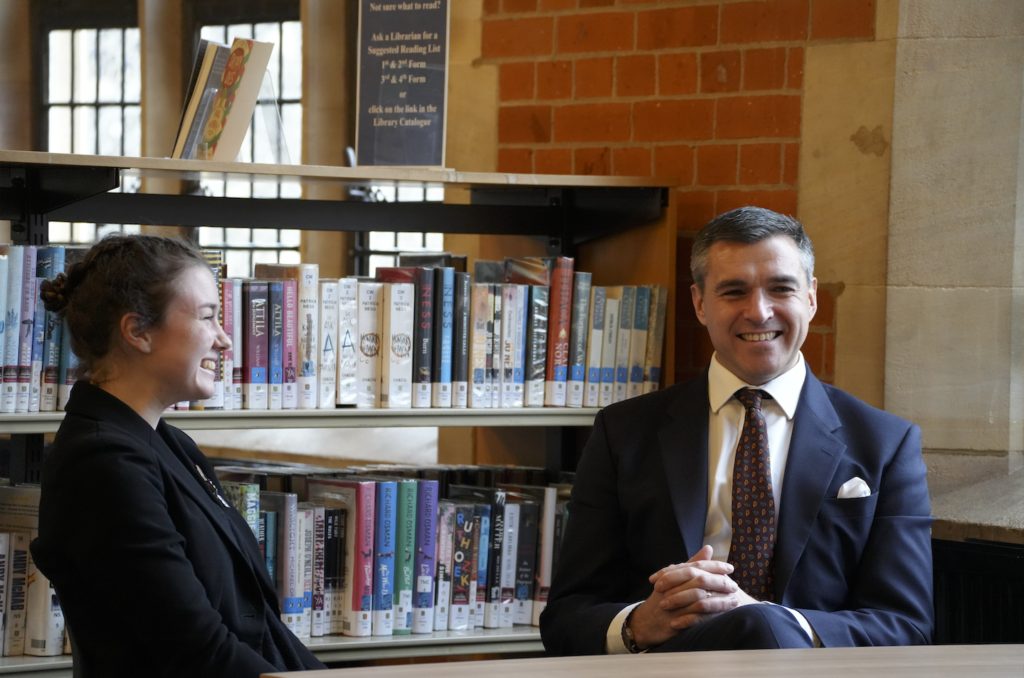
At the start of this year, St Albans School also announced a new partnership with local prep school Beechwood Park School, strengthening their educational offering while enhancing the opportunity for continuous education for pupils aged three to 18 years.
“A lot of their pupils end up here anyway, and for us to announce becoming co-educational meant we could take all of their pupils if they wanted to, so it was a really good fit.”
We should not forget this was a tumultuous time for most public schools, with the then-newly elected Labour Government moving forward with its planned introduction of VAT on school fees. So did this prompt the move towards co-education and closer links with Beechwood Park, effectively in a bid to future-proof against these changes?
“I think it would be possible to imagine a causal link between these external impositions. People always rightly flag up VAT as the headline, but actually for us as a charity with lost business rates relief and employers’ National Insurance Contributions went up, so there was actually a triple hit. So those were externally imposed challenges, but I think the school becoming fully co-educational felt for me to be absolutely the right thing to do in and of itself.
“I think for some schools it’s a challenging time, and my understanding is that nationally girls-only schools are struggling more. [A survey by The Times found girls’ schools are losing pupils faster than the rest of the private sector since Labour put VAT on fees.]
“In St Albans that’s not the case. My understanding is that STAHS [St Albans High School for Girls] remains a popular, happy, healthy school, and they’re really proud of their girls-only education.”
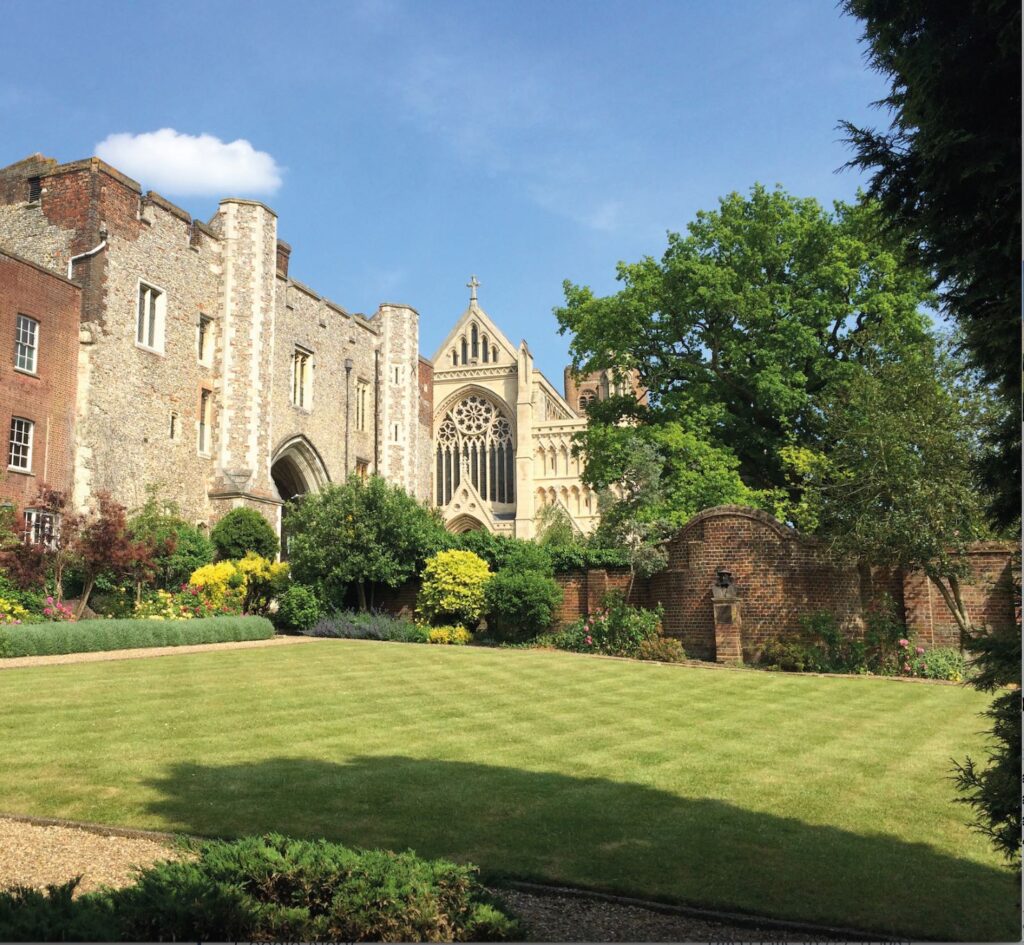
With future strategic decisions as much a part of the role as the ongoing running of the school, it’s crucial not to lose sight of the bigger picture: “You have different things happening at different speeds. There is the incredibly important day-to-day job of being present in school, working with the staff and children and making sure things are running well, and pupils are having a valued, rich and holistic education.
“But in order for that to be happening, you need to step back and look at what is happening this year, and then longer term what do we need to be doing as school leaders to anticipate what is coming in the future and where we want to go, so we can best plan for that.”
One of the things he spends a lot of time doing in the background is fundraising for bursaries: “I recognise that not all families are able to send their children to independent schools, so we as a school work really hard to provide as many bursary places as possible.
“I want your readers to understand that St Albans School has a very broad programme of bursary support and we are a warm, inclusive, diverse community of learners, so come and knock on our door if they think their child might be interested in coming here.”
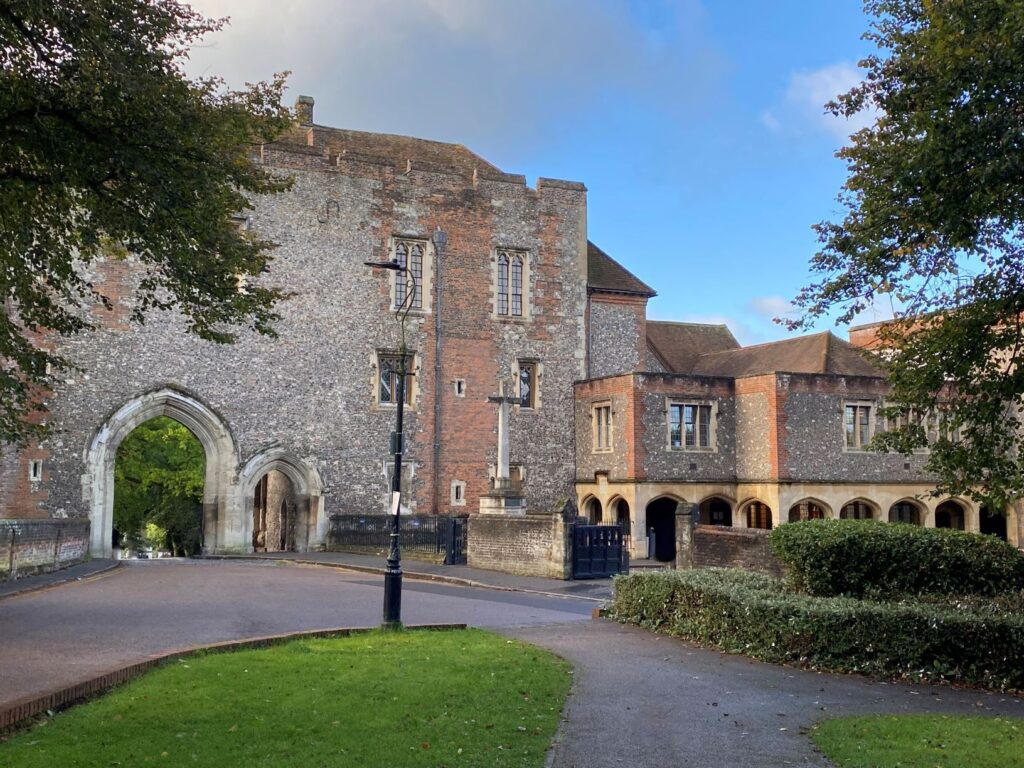
The sale of school land for housing development in north St Albans is a contentious issue, and this was not the forum to discuss it further, but the opportunities it could unlock remain very real.
“If we are fortunate to realise additional income for the school, the governors are very clear that this will not in any way subsidise our P&L [profit and loss], it will actually be a game changer for hundreds of years to come.
“Any money which comes in will effectively be reinvested into the local community by opening up bursaries for greater numbers of pupils to come and be part of the school.”
Not only will this effectively future-proof the school by guaranteeing a certain percentage of bursary recipients, but he believes it will great a virtuous cycle for those who benefit.
“The thing that I want to build on is our call to those who receive bursaries to feel a weigh of expectation to pay forward that good fortune in good course.
“Some of our biggest donors were here on assisted places or direct grant schemes.”
The position the school occupies within the local community is also important: “I sometimes say of the school, ‘We are of this place and for this place’. When we open up the site at the weekend so local residents can come and swim in the pool, work out in the gym and play sports in the hall; when the 16 different primary schools we work with bring their children here to use our science labs, DT workshops, computer equipment, sports and music facilities; when we go out and work with local residents in care homes or in schools for children with special needs – that is us being part of this community, and is really at the core of what goes on here.
“We’re not an isolated island, and I want children to come here and recognise their good fortune, and then maximise the opportunities for their destinies.
“I come back time and time again to the fact that if our children are happy and grounded and feel valued and an integral part of our community then they go on to do great things.”
So what does a St Albans School pupil look like at the end of their educational journey?
“I think it’s important to stress that success doesn’t look like any one thing and is different for different people, but there should be a common thread of pupils leaving here who feel grounded, who have a sense of integrity, of kindness and of community, who are ambitious but are thoughtful.
“We come back a lot to our school motto, ‘non nobis nati’ which means ‘born not for ourselves’ – the sense of ‘What can I do for others? How can I go out and do good and what does that look like?’
“When I see former pupils coming back here it’s evident to me that through the experiences they’ve had that they’ve carried that out into the world, and I think that’s a really powerful thing to do for them.”