14 Oct 2026
The discovery of long-lost photographs from his grandfather’s experiences during the Second World War led a St Albans film editor to turn them into short films which tell his story.
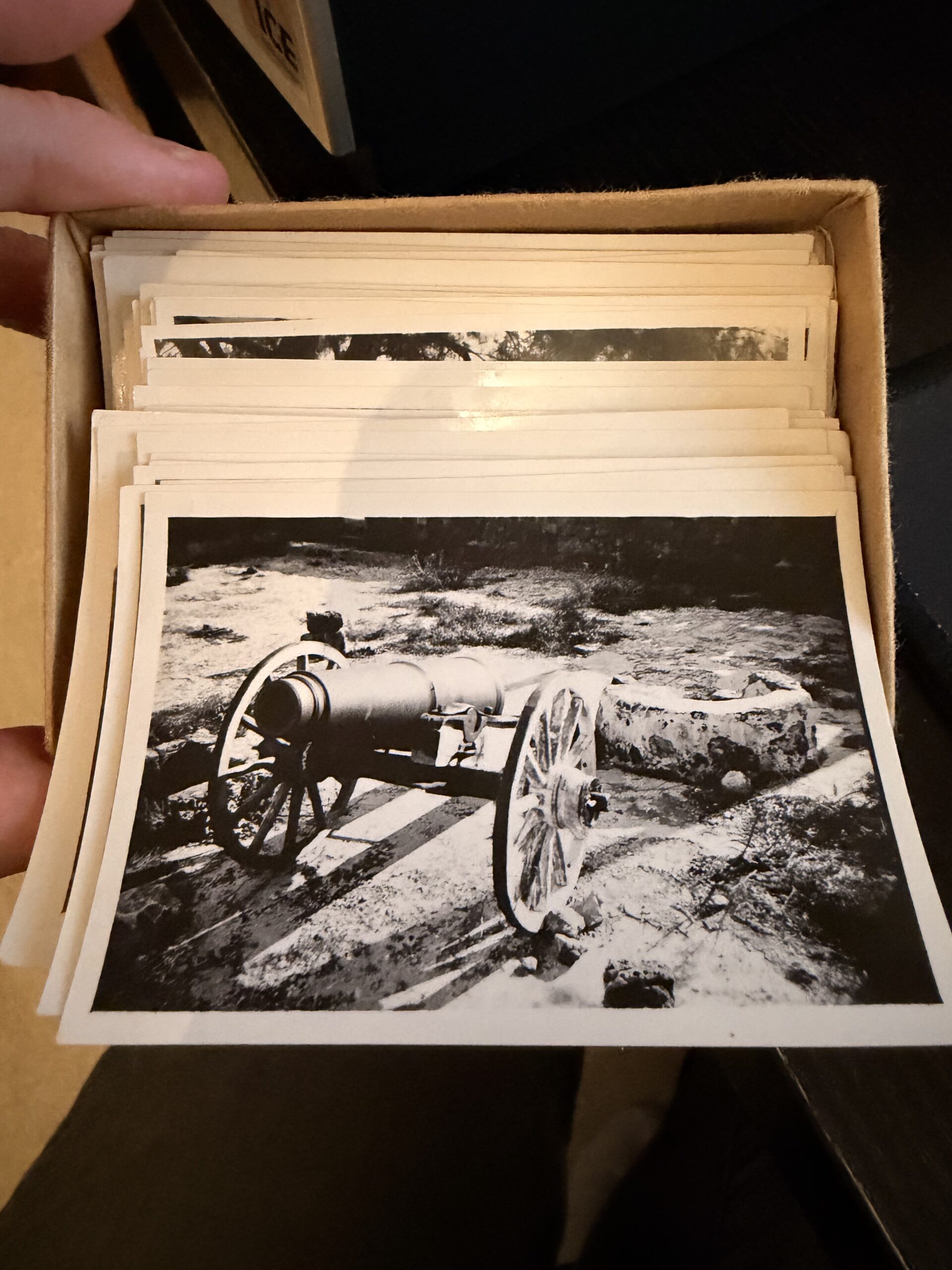
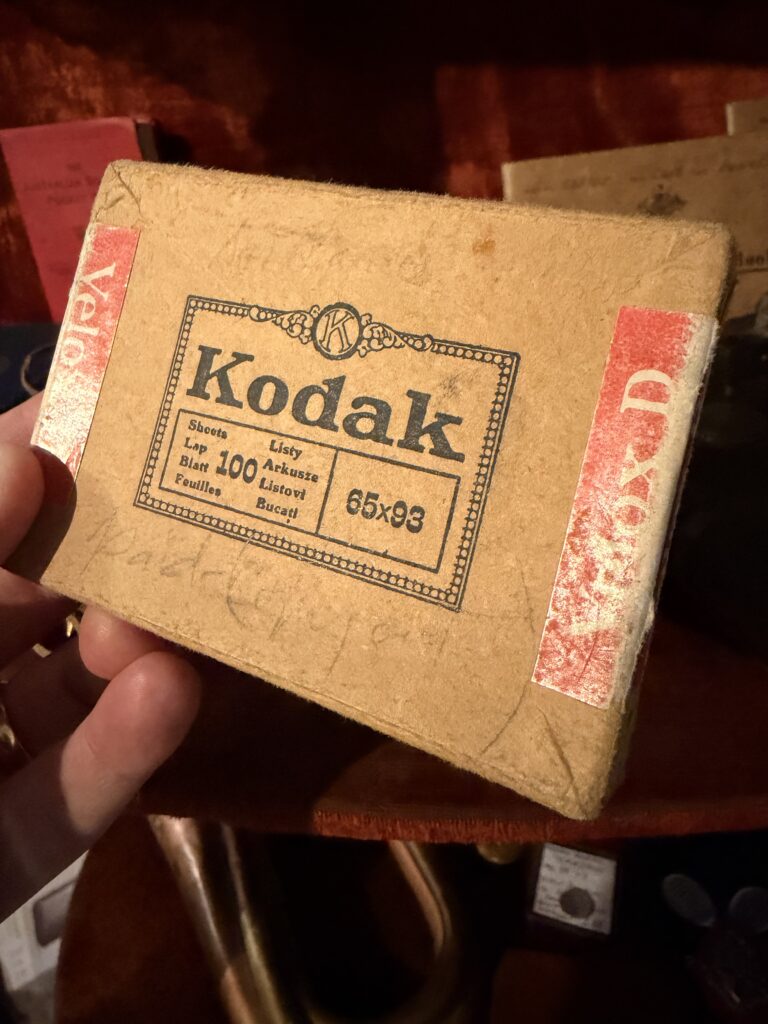
Australian ex-pat Peter Davies, who has worked for the BBC and Channel 4, was inspired after his dad found an old Kodak box of photos featuring his grandfather Lloyd Davies on a visit to his aunt’s house in Adelaide.
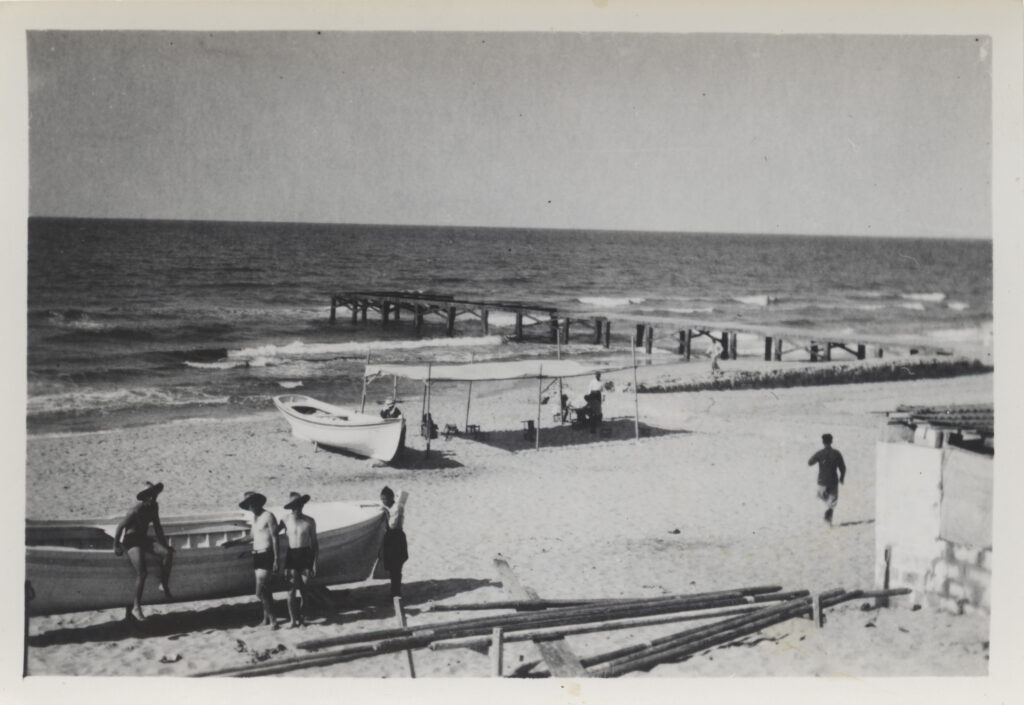
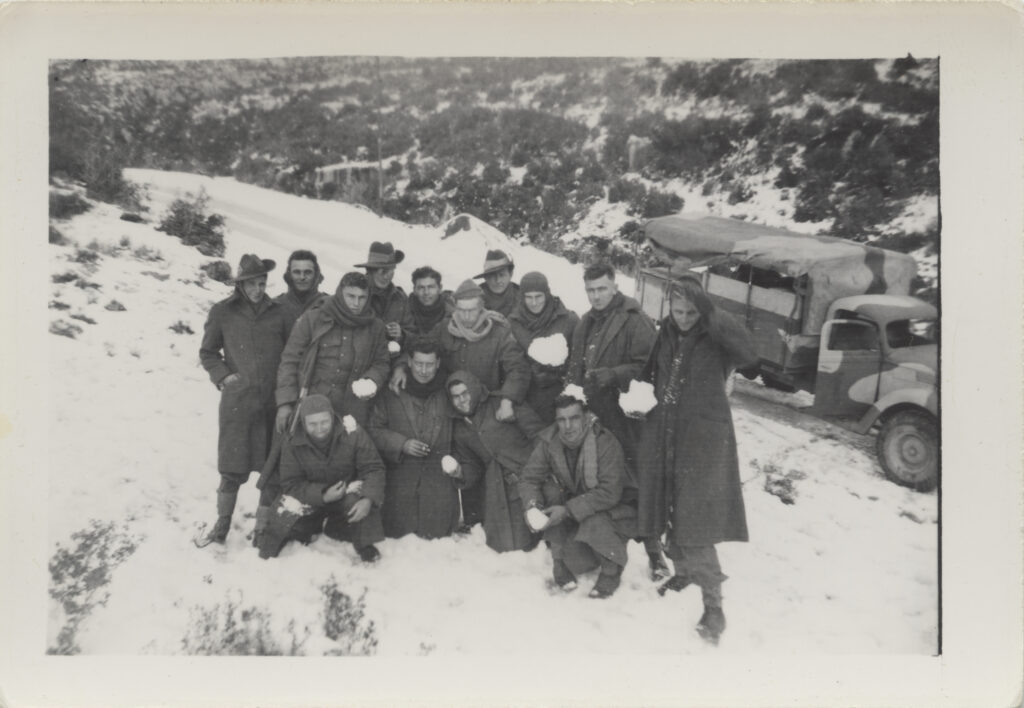
They featured pictures of his service with the AIF 7th Div Signals in the Middle East, and include locations which are still being destroyed by war today, such as Gaza and Aleppo.
After professionally scanning and preserving the photos, Peter has been using his editing skills to create short films focusing on Lloyd’s military career, ensuring both his kids here in St Albans and their Australian cousins can get to know the great-grandfather they never met.
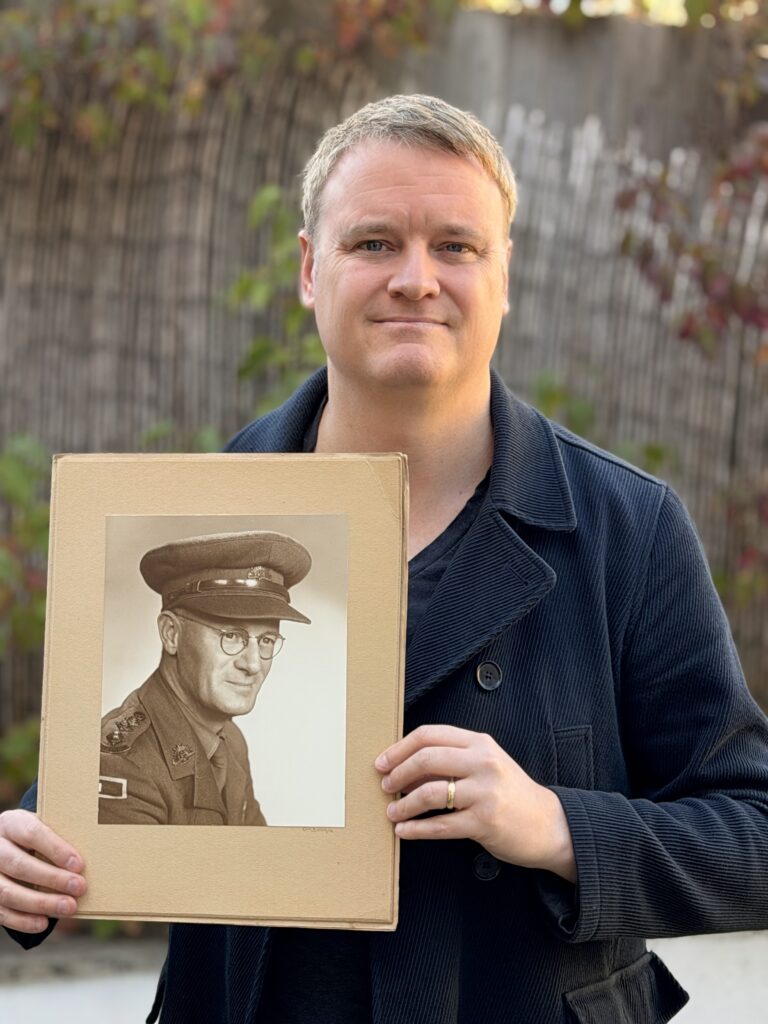
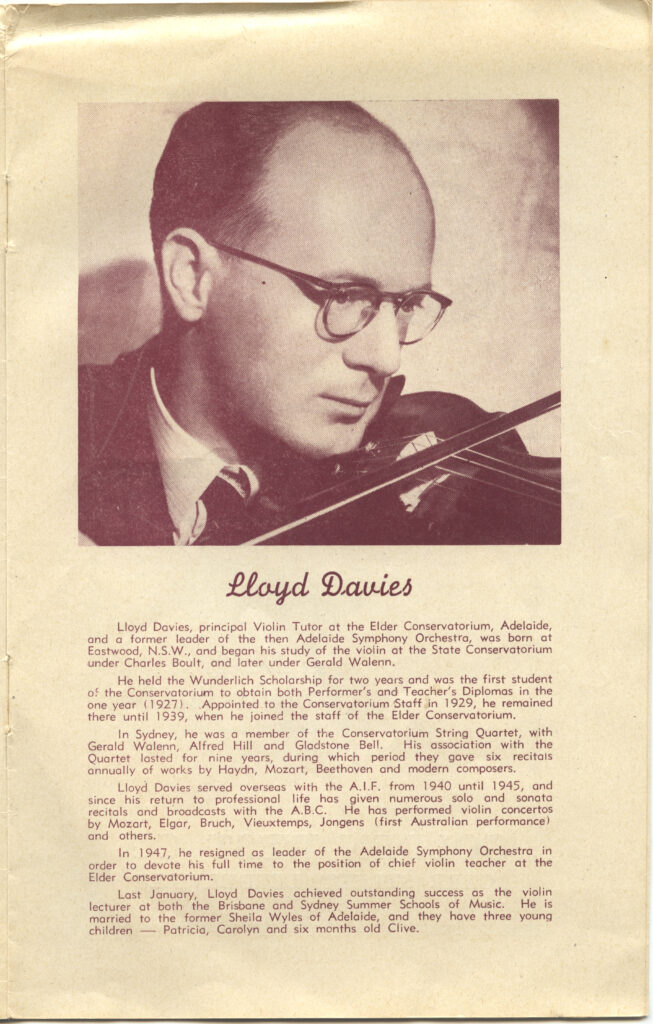
He said: “My grandfather was one of South Australia’s most celebrated musicians – a concert violinist, conductor, and eventual recipient of the Order of Australia for his services to music.
“In 1940, he walked away from all of it, enlisted in the Australian Imperial Force as a private, and served for five years across Egypt, Syria, New Guinea, and Borneo.
“He came home a Captain. And then he never spoke about it again. Not to his wife. Not to his children. They knew not to ask. All they were left with were objects – his war medals, his enlistment book, a morse code signalling tool, and a military issue Bible. No stories. No explanation. I have tried to piece together the five years he never explained…”
Peter has lived in St Albans with his wife for 10 years, and their children, eight and five, attend a city centre primary school.
“Life’s great here, but we miss our family back home,” he explained.
“I’ve become really interested in family history over the past couple of years. In January last year, when I was in Adelaide, I collected as much of the ‘Davies archive’ as I could, filled a huge suitcase with it and brought it back to the UK.
“Since then I’ve been scanning and digitising all these incredible letters, photographs, drawings and memories so they’re preserved for future generations. I’ve found photos from the 1880s, letters sent from the front in WWI, and newspaper articles from 1912 and earlier. But my grandfather Lloyd’s WWII service remained largely a mystery. I found a few letters he sent home during training, but nothing from his time overseas between 1940 and 1945.
“So when my Dad mentioned he was heading back to Adelaide to see his sisters, I asked him to have another dig through Aunty Pat’s house. Boy, am I glad I did. As for why the photos went unseen for so long: the Kodak box was tucked away in a big drawer in a cabinet Pat inherited from her parents, my grandparents.
“She kept adding photos to that cluttered drawer over the years but never really looked at what was already in there. Photos went in, but they never came out.
“Lloyd served in the AIF. He was actually a fairly well-known violinist and conductor when he signed up, so his enlistment made the Adelaide papers. Through a lot of research I’ve pieced together most of his story. He was one of the first members of a new radio unit, the 7th Division Signals, and served in the Middle East against the Vichy French, which I think is an often-forgotten part of WWII. He was on a steamer to Singapore when it fell to the Japanese, and so after a training stint back in Australia he served in the jungles of New Guinea and Borneo until 1945.
“On top of the historical significance of the photos, they’ve helped me place Lloyd in specific parts of the Middle East campaign. That really helps when telling the story to the kids. It was a risk for him, too: AIF soldiers weren’t allowed to have cameras, but he seems to have got away with it. The places he photographed include Gaza, Aleppo, Syria and Lebanon, and I reckon a lot of what’s in those photos has since been destroyed. How special is it to have that preserved?
“Lloyd survived the war, but it took a massive toll on his body, and he was never able to perform at his pre-war level again. He still loved music and teaching, though, so he moved into music education in South Australia, focusing on conducting, and was eventually awarded the OBE for services to music, which we’re all really proud of. He died in 1990, and he never really spoke to his kids about the war. The way Dad tells it, ‘we knew not to ask’.
“Funnily enough, my aunts and Dad all reckon Lloyd would have been thrilled and honoured by all the research I’ve done into his story, so I’m not sure why he stayed quiet. I suppose a lot of the blokes who came back never did talk about it back then.
“Why preserve his story? I’ve always thought that the more you know about who came before you, the more you know about yourself. A bit woo-woo, I know, but after really immersing myself in dozens of letters between my grandparents, their diaries and their photos, I recognise so many of their traits in myself and my kids, which I find fascinating and comforting.
“I’m not much of a writer, but telling stories through video is what I do for a living, so I’ve been bringing all this history back to life with short films on YouTube. The best part has been the messages I’ve started getting from people who’ve been inspired to sit down with their own parents and grandparents and ask about their family history. I love that.
“For a modern audience, I reckon these photos show a side of WWII most people have never heard of, with Aussies (and British) fighting the Vichy French in Syria and Lebanon, and they capture places that in many cases don’t exist anymore. They weren’t official shots either. A young soldier took them because he wanted to remember what he saw, and I reckon that makes them pretty special.”
The Australian War Memorial in Canberra has now expressed interest in the photos for its national archive, ensuring they are preserved for generations to come.