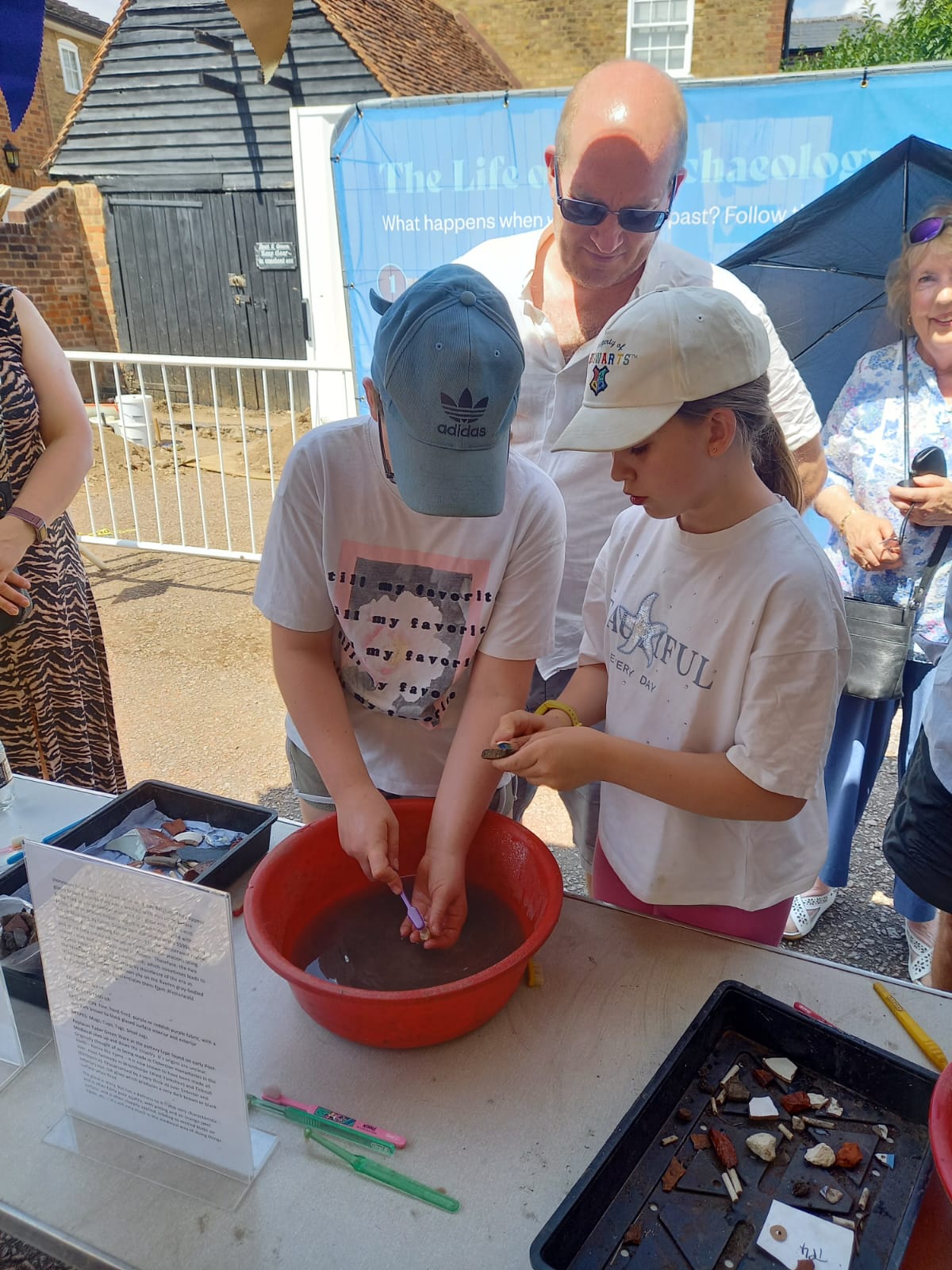
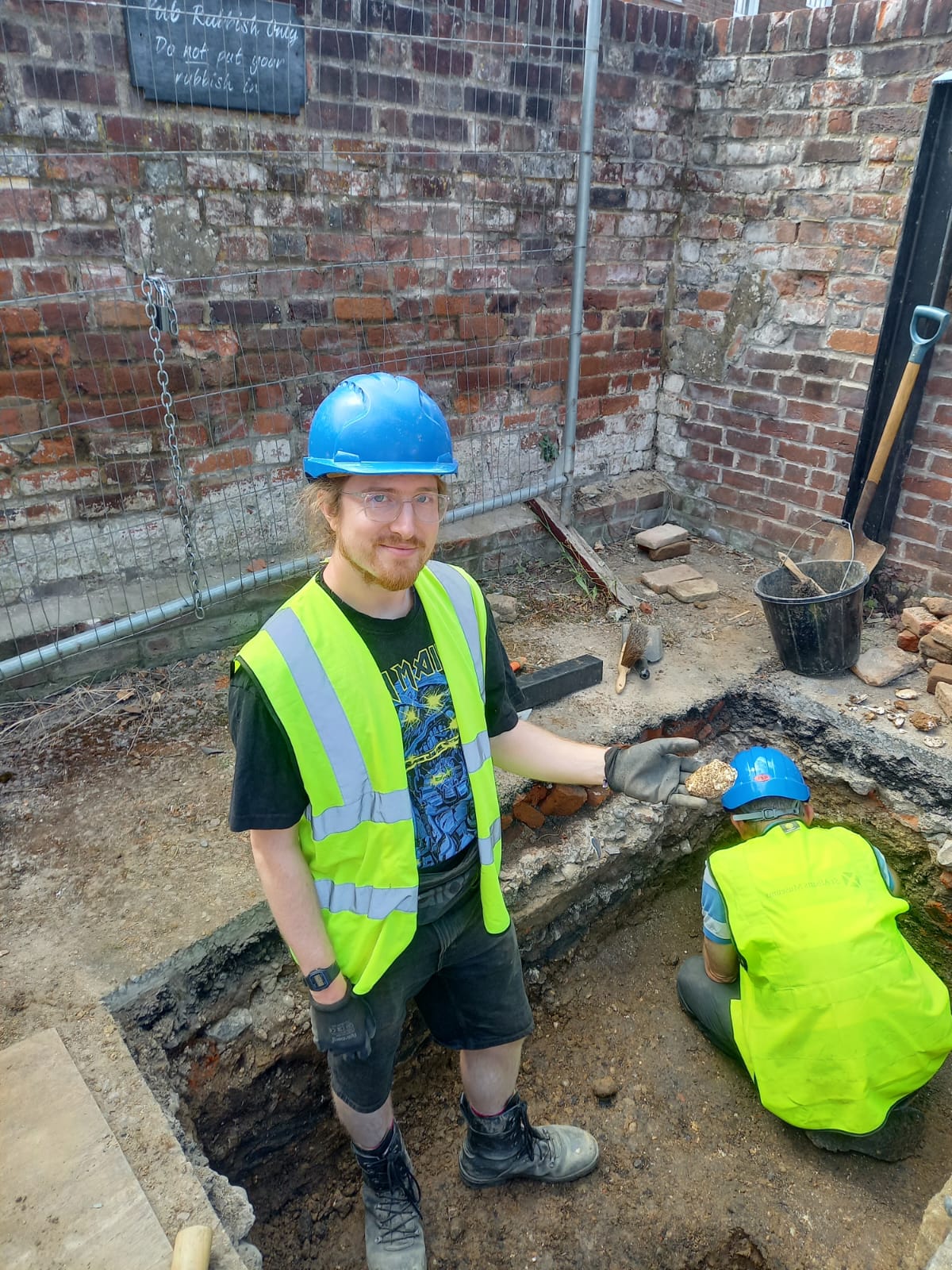
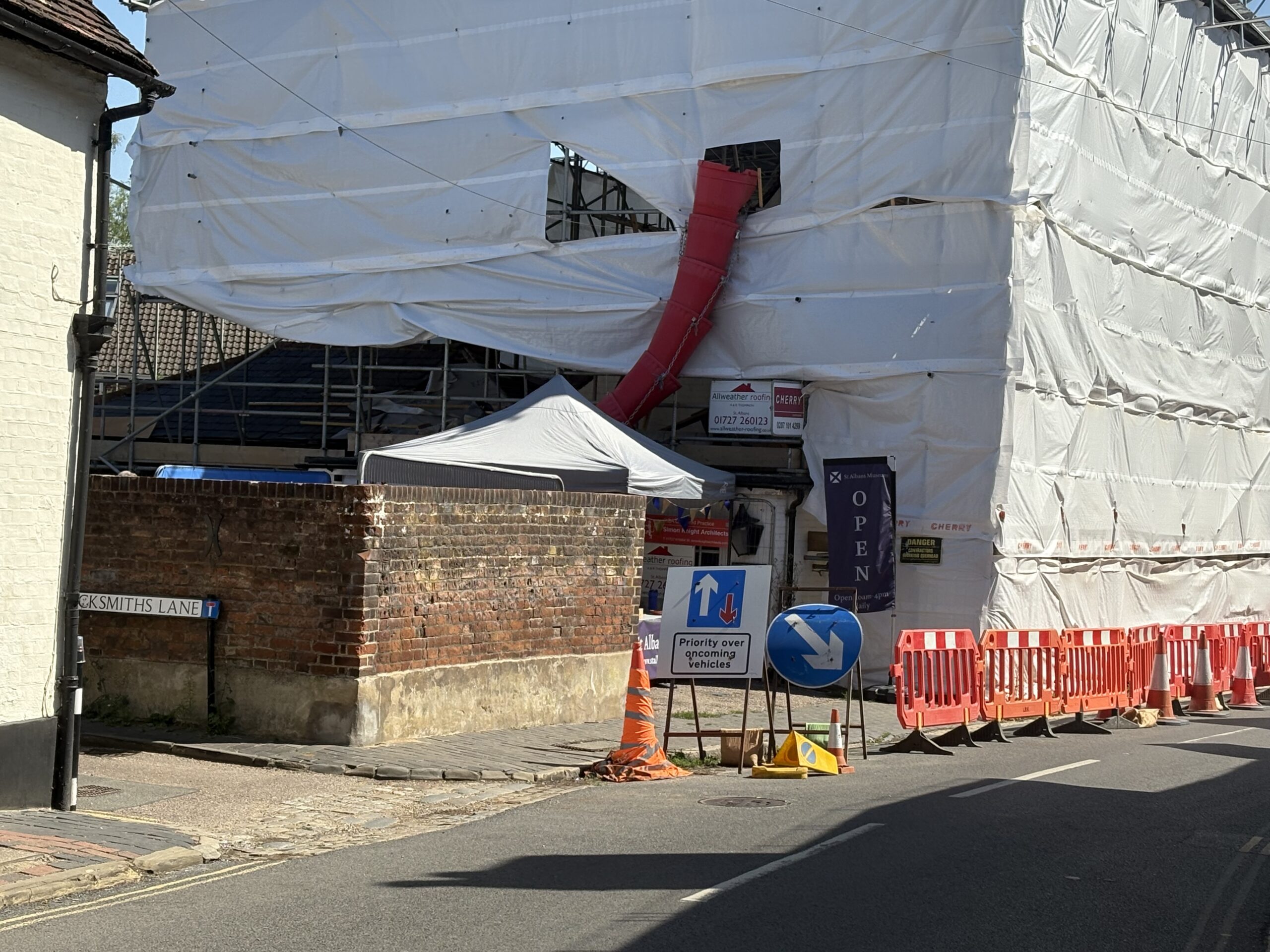
Thousands of people took a trip back into time to explore what archaeological secrets might be concealed under the Rose and Crown pub in St Michael’s village.
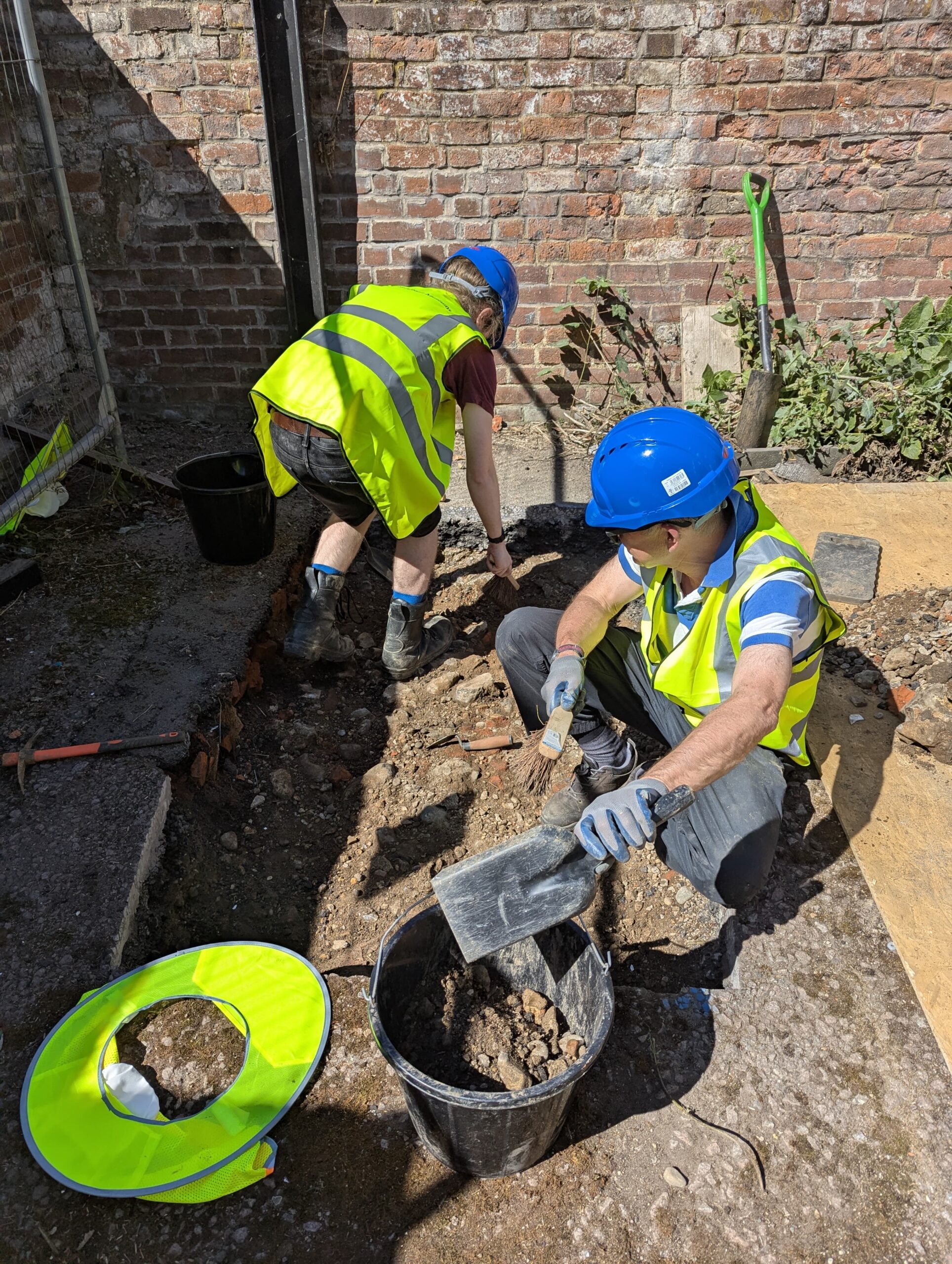
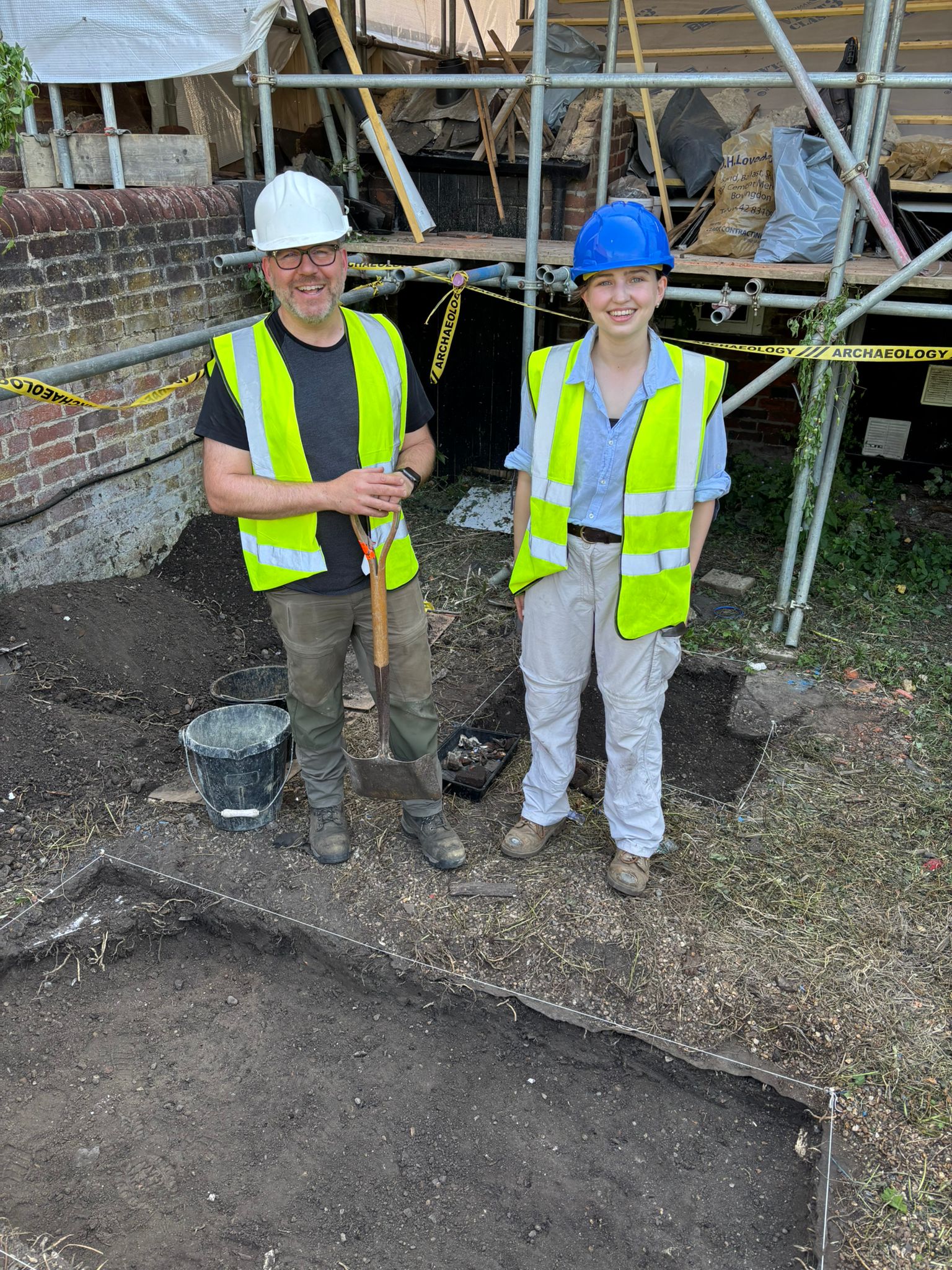
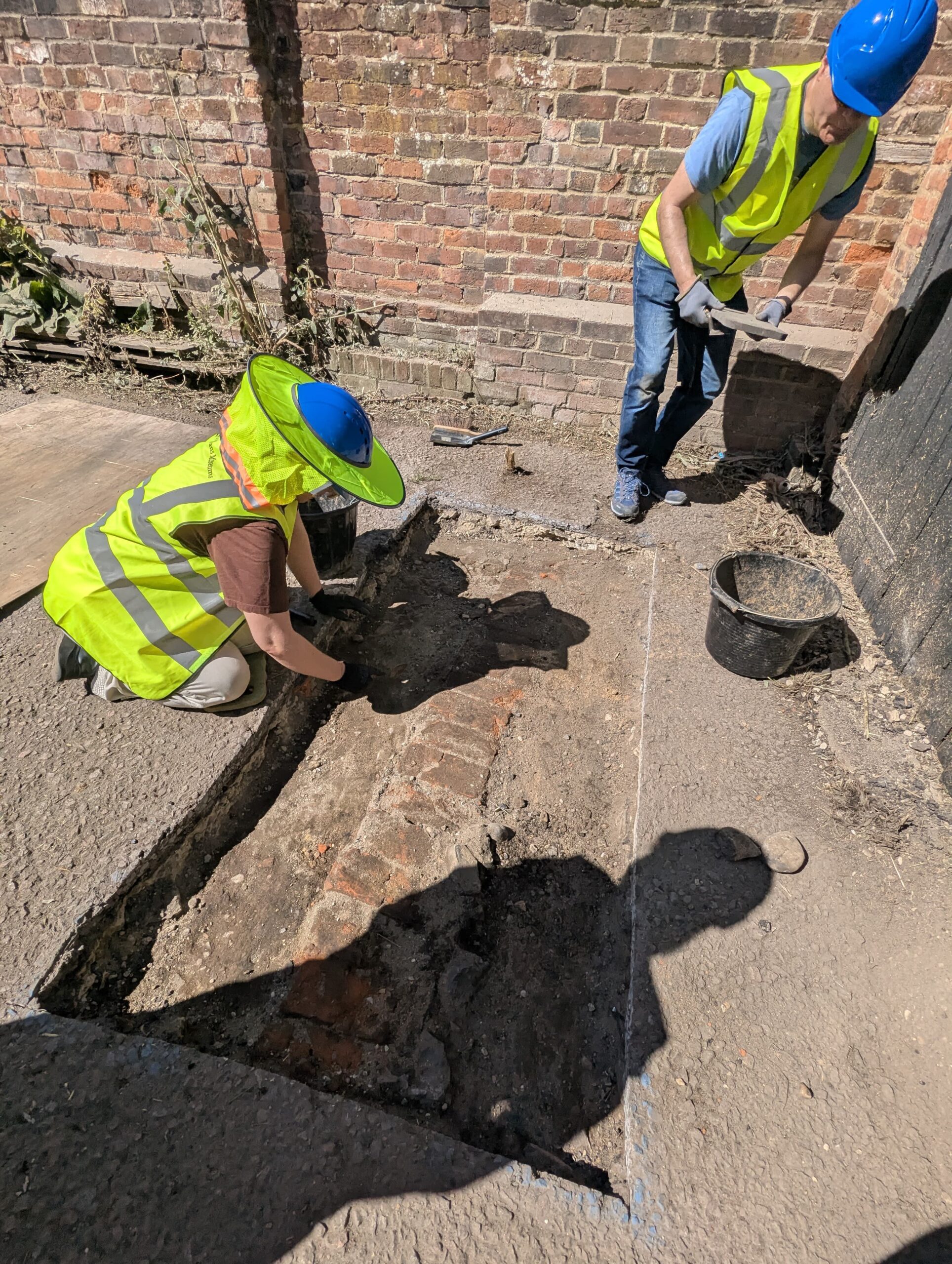
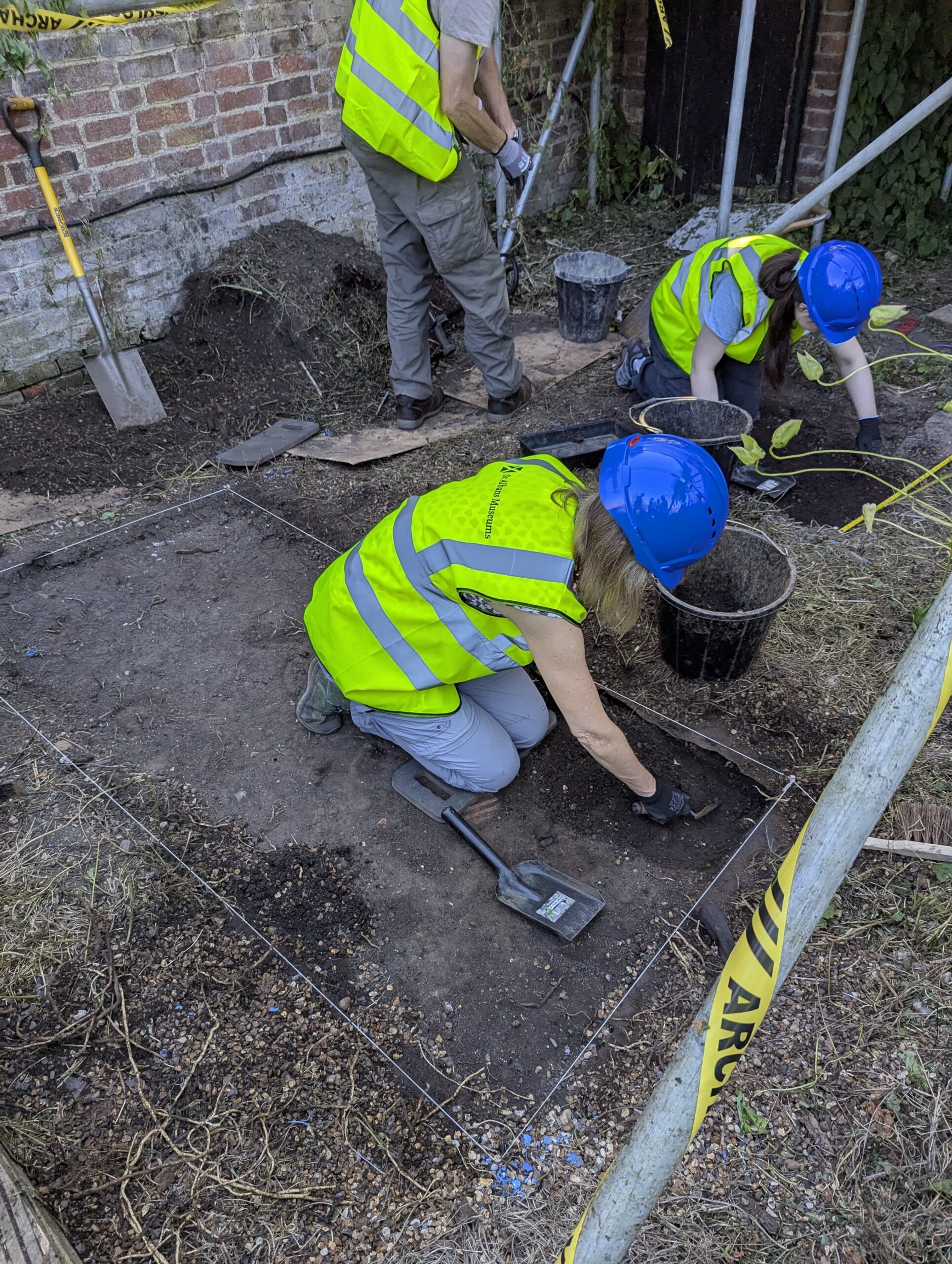
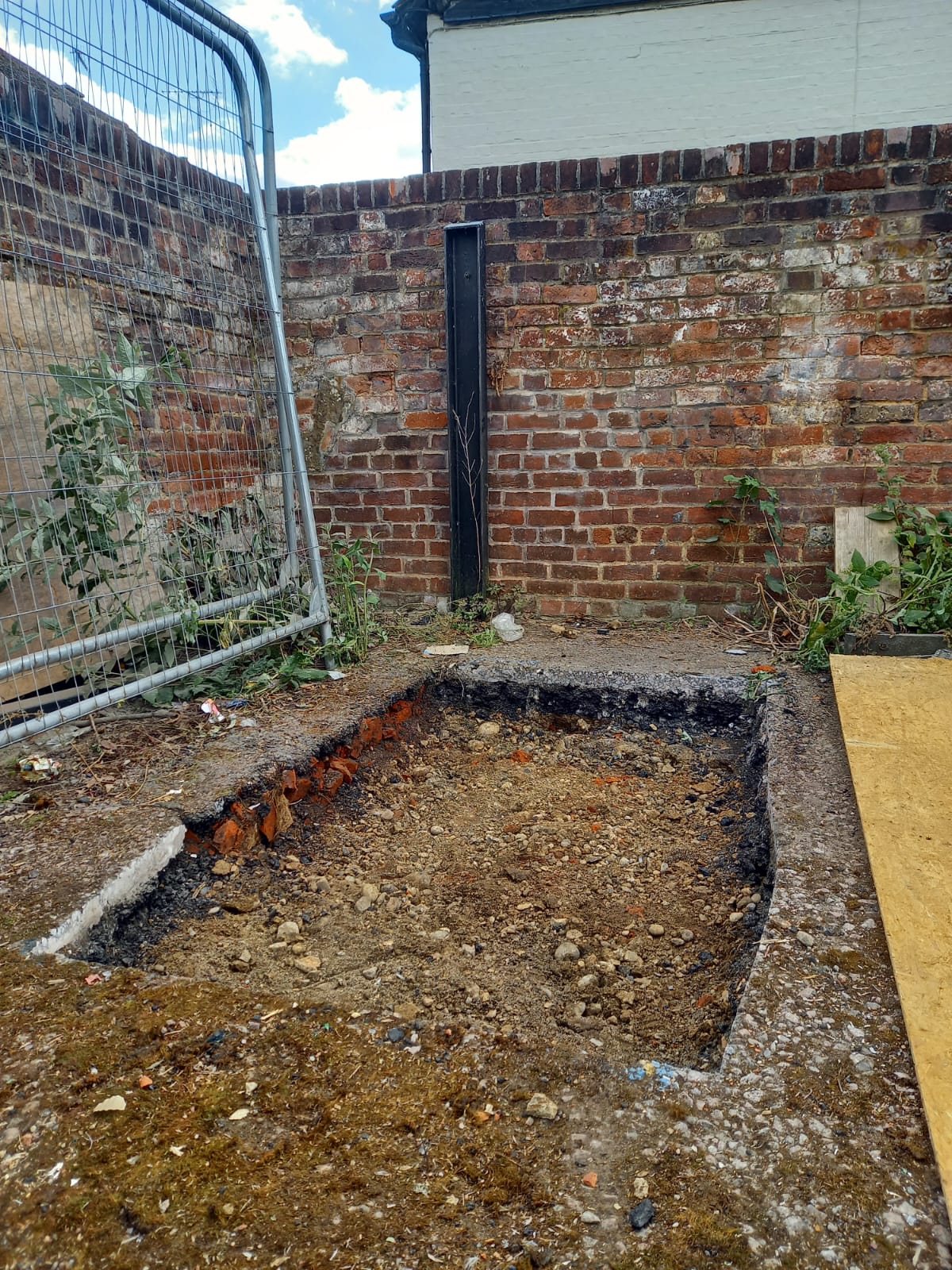
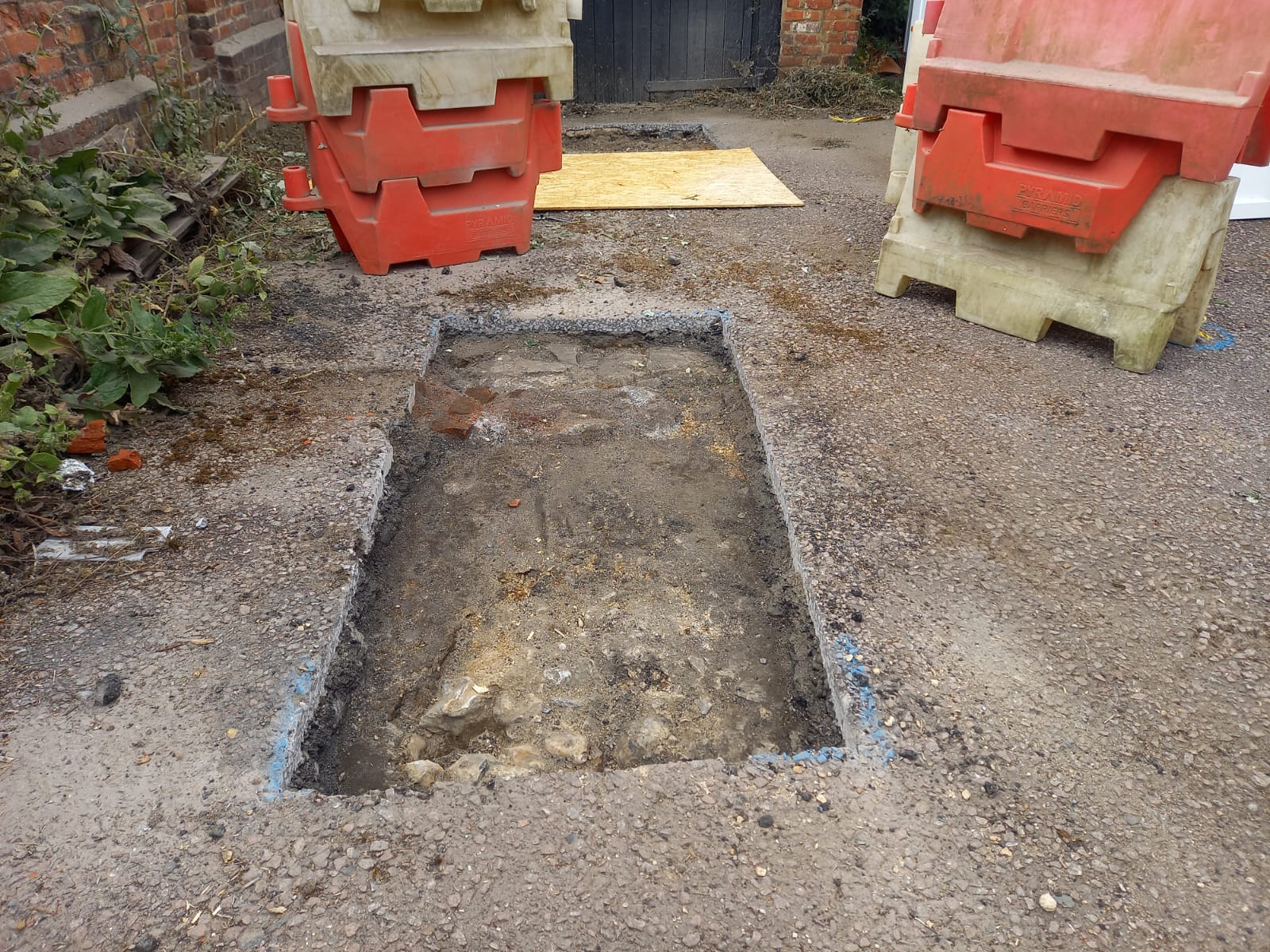
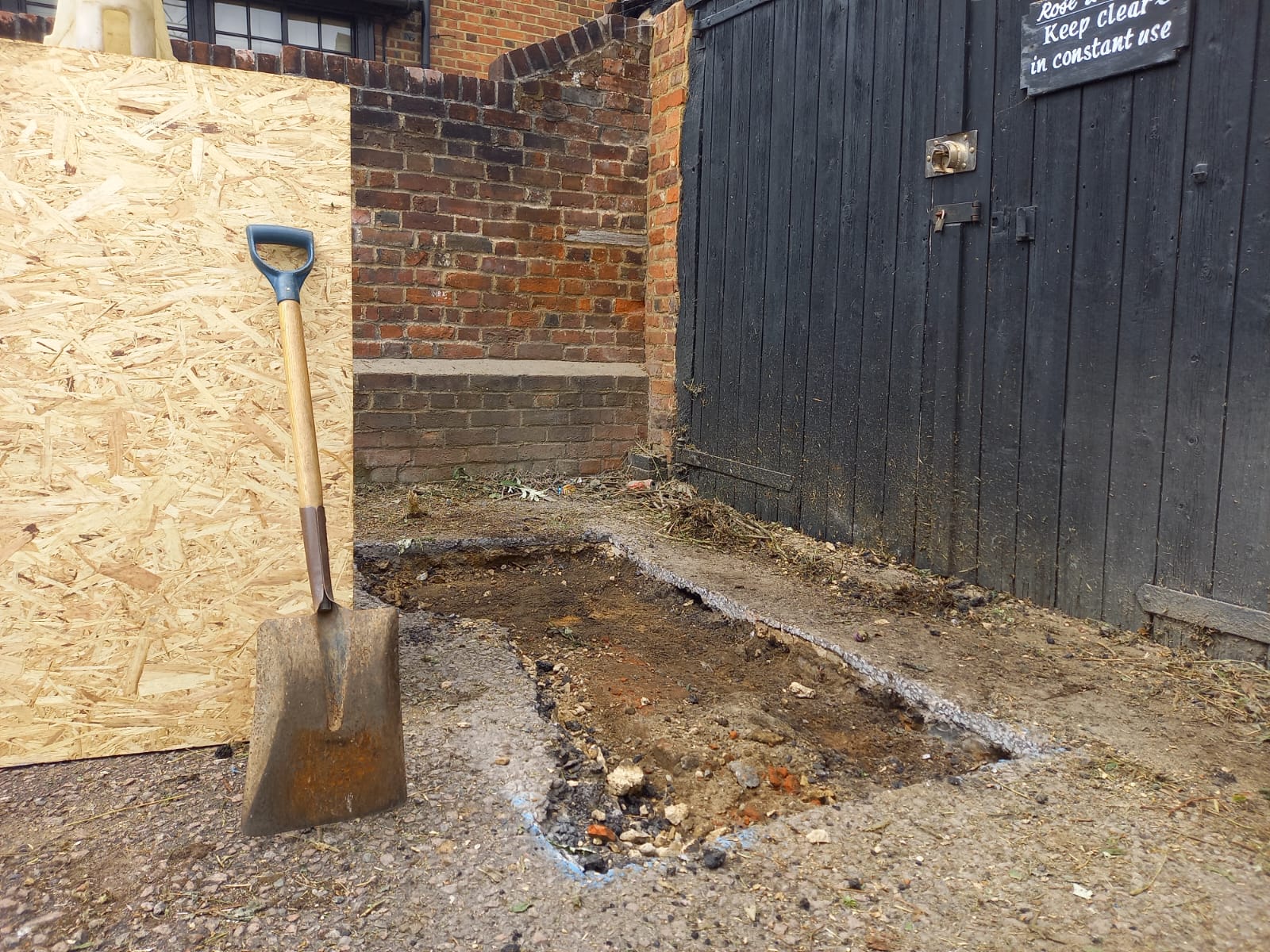
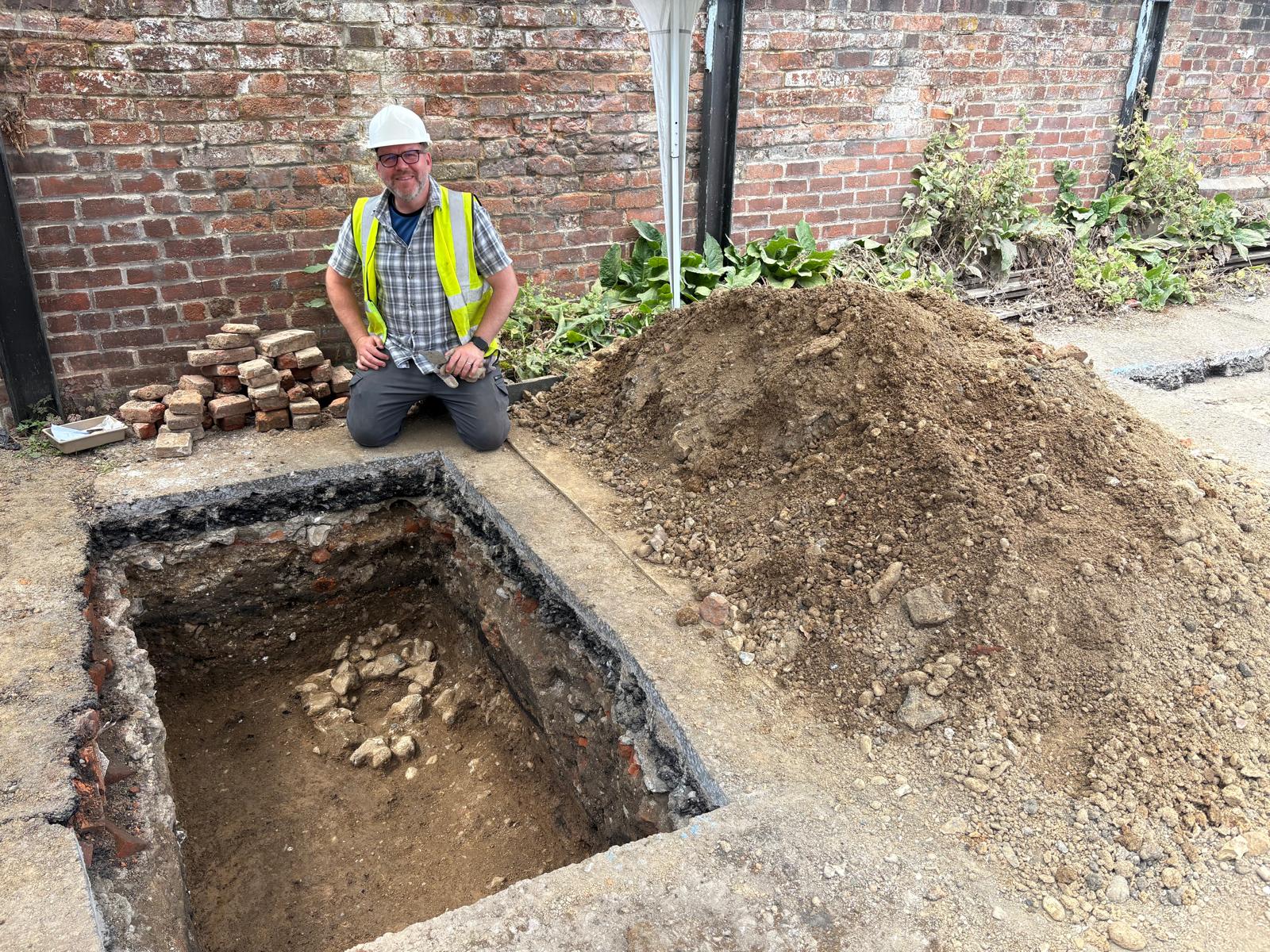
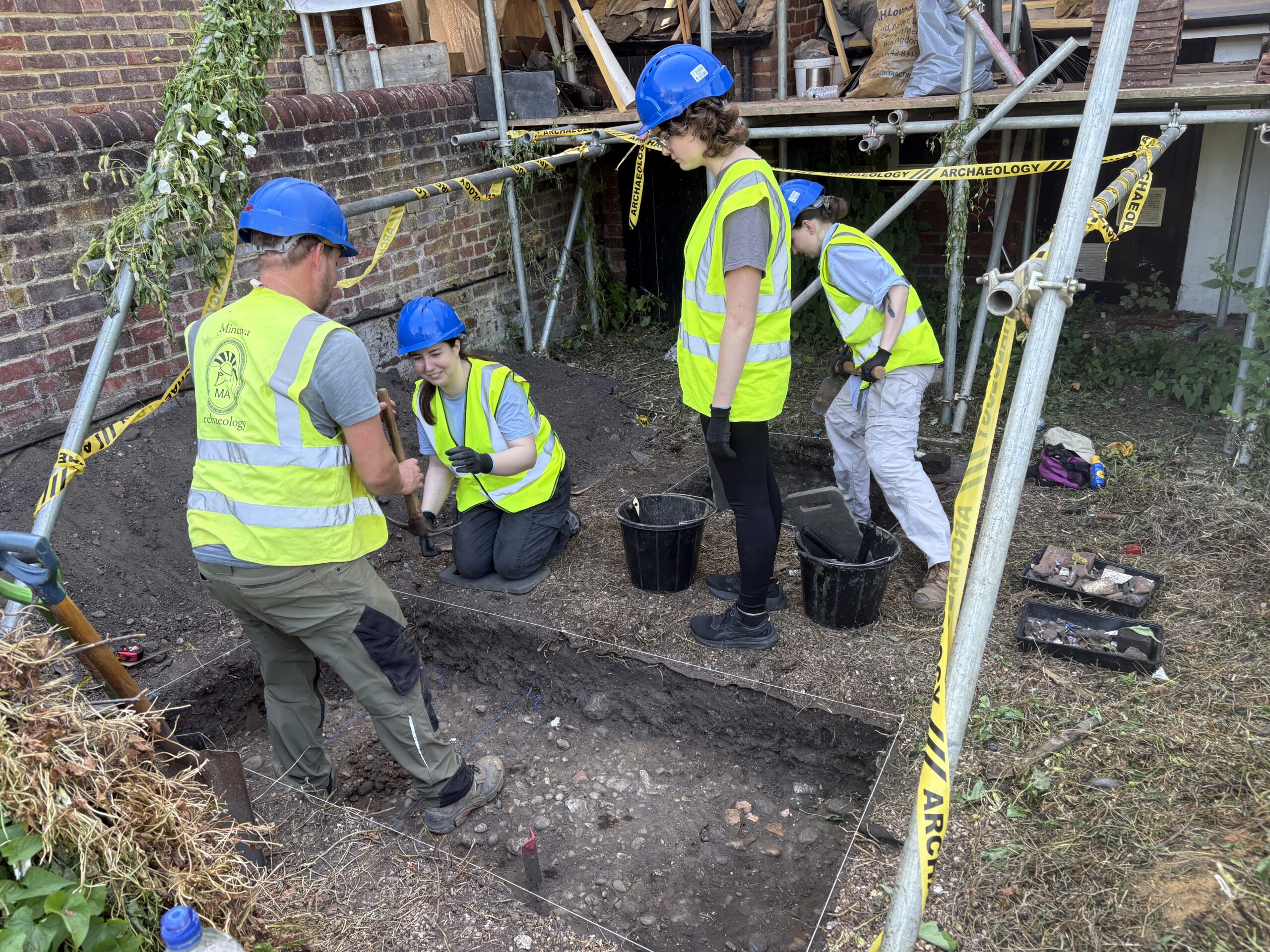
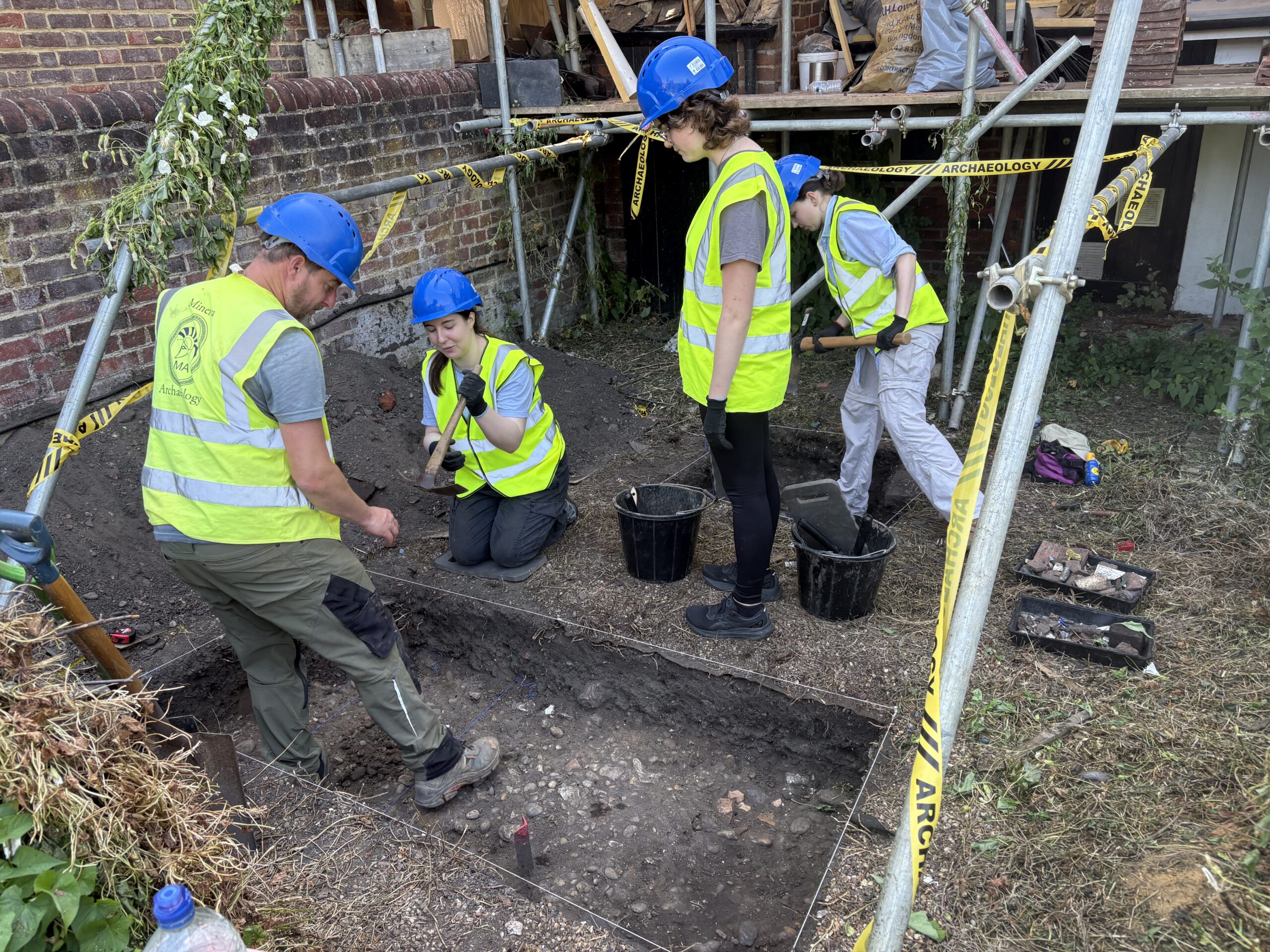
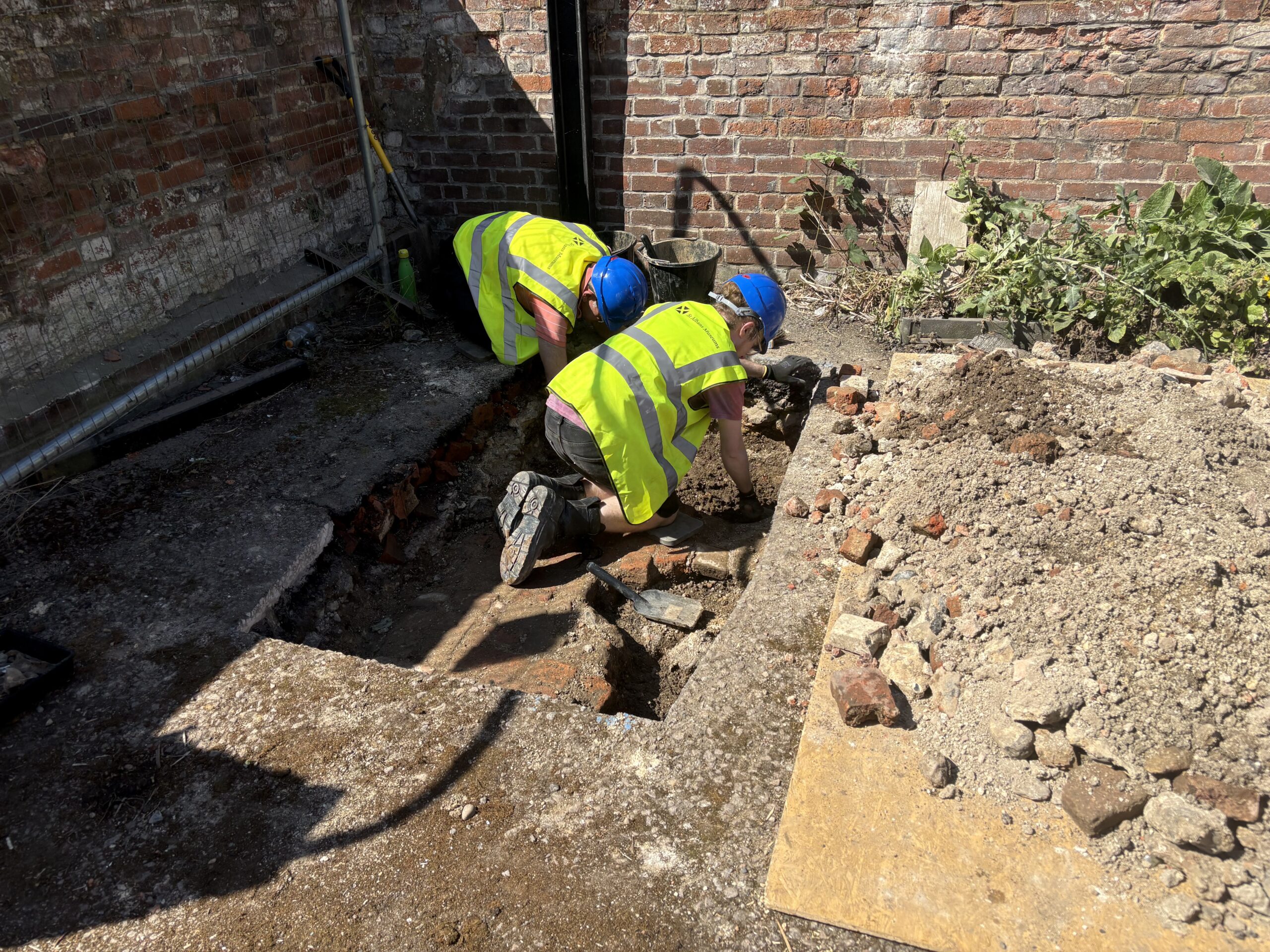
The pub is currently being re-developed and as part of the planning process members of the St Albans Museums Archaeology team had a rare opportunity to carry out a community archaeological dig on the site.
The Rose and Crown is located within the historic area of Verulamium – one of the largest Roman cities in Britain – which is itself built over a major Iron Age settlement.
Verulamium later evolved into St Michael’s village during the Anglo-Saxon period and continued to develop through the medieval and post-medieval eras into the city we know today.
The excavation – which was a planning-led development in collaboration with drp archaeology, Minerva Archaeology Ltd, and Verulamium Museum, with guidance from Place Services and Historic England – took place between Thursday and Monday.
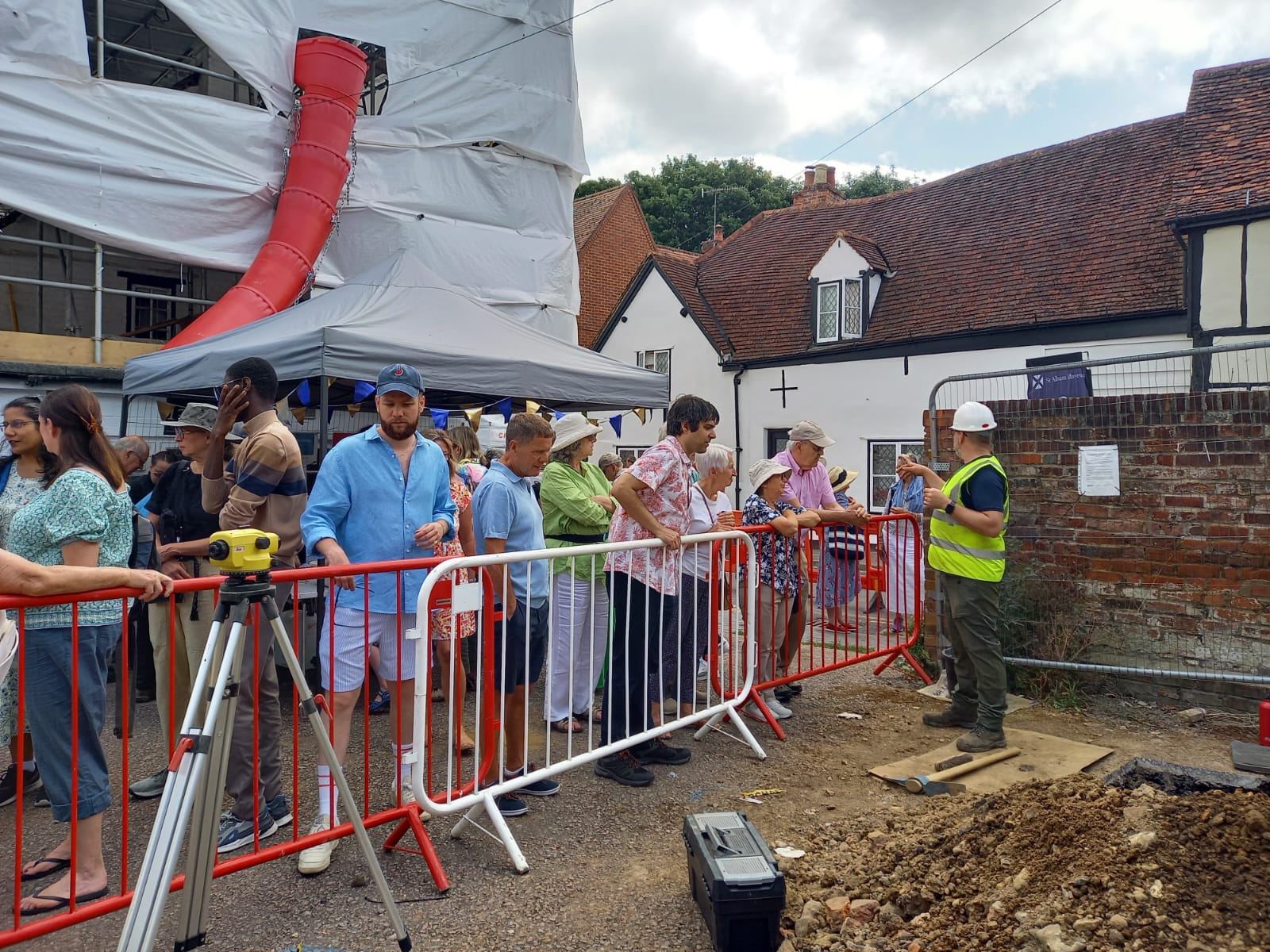
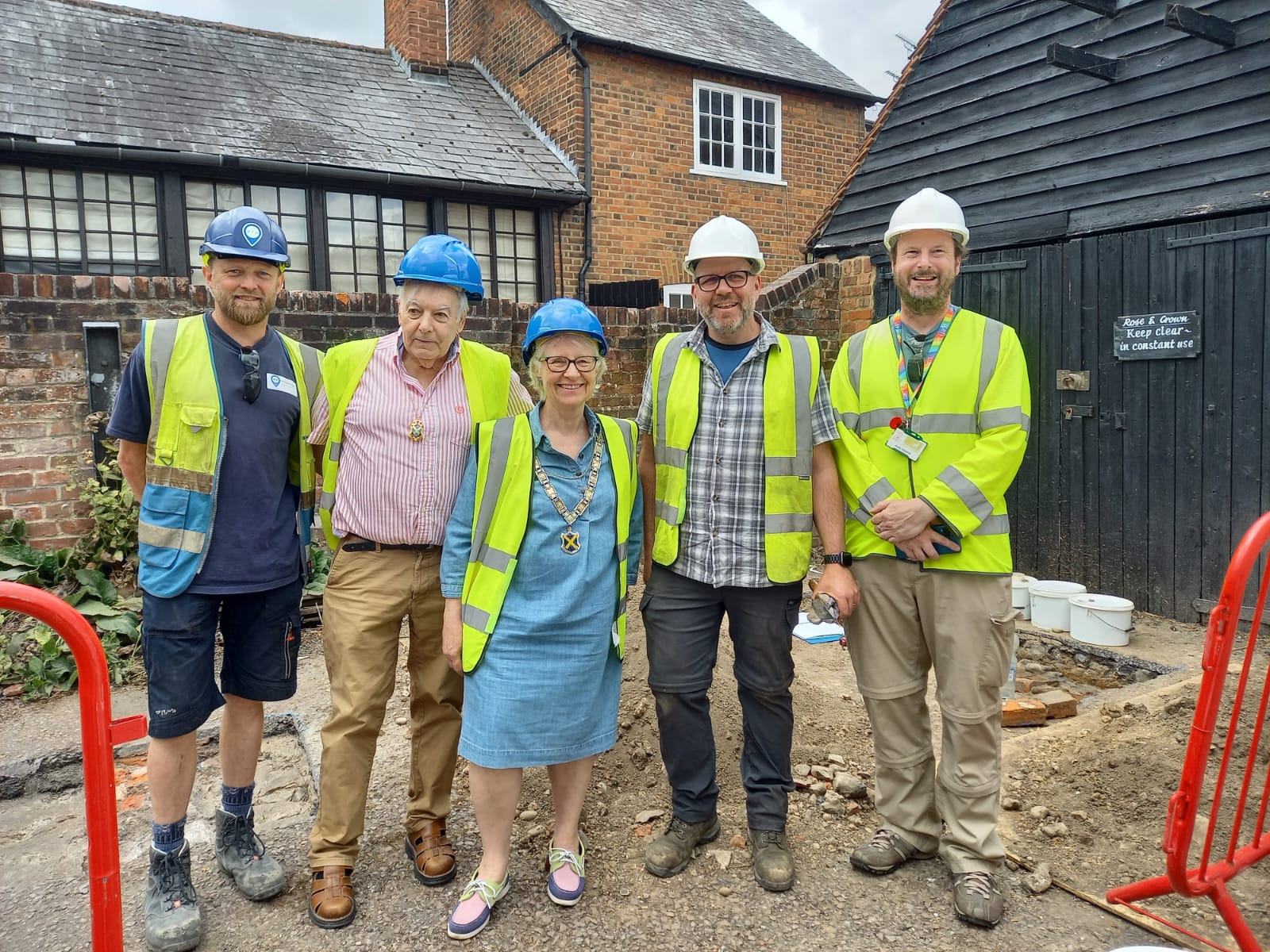
There were more than 2,500 visitors over the five days including the Mayor, councillors and pupils from St Michael’s Primary School, who enjoyed washing materials and learning the fundamentals of archaeology.
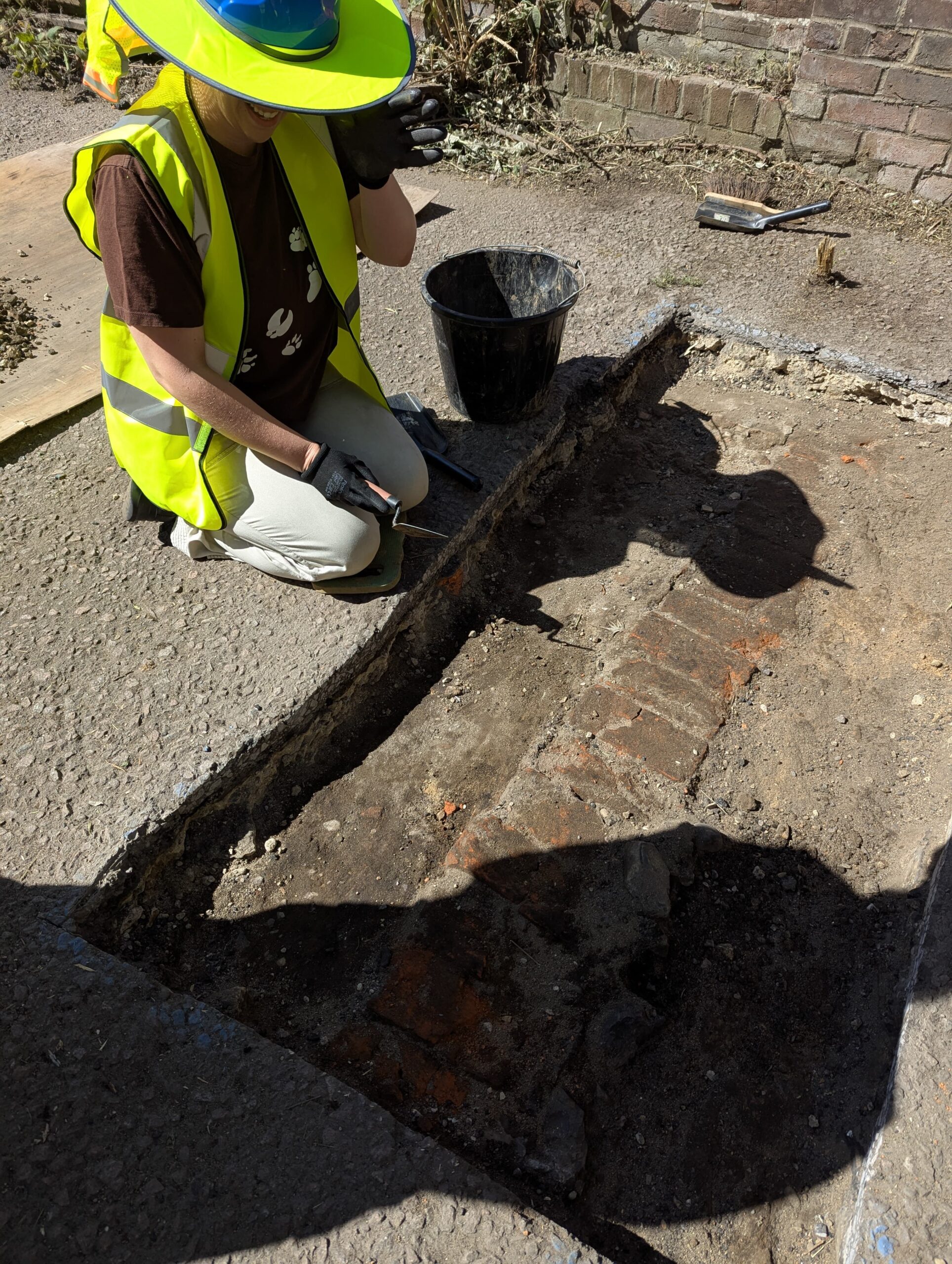
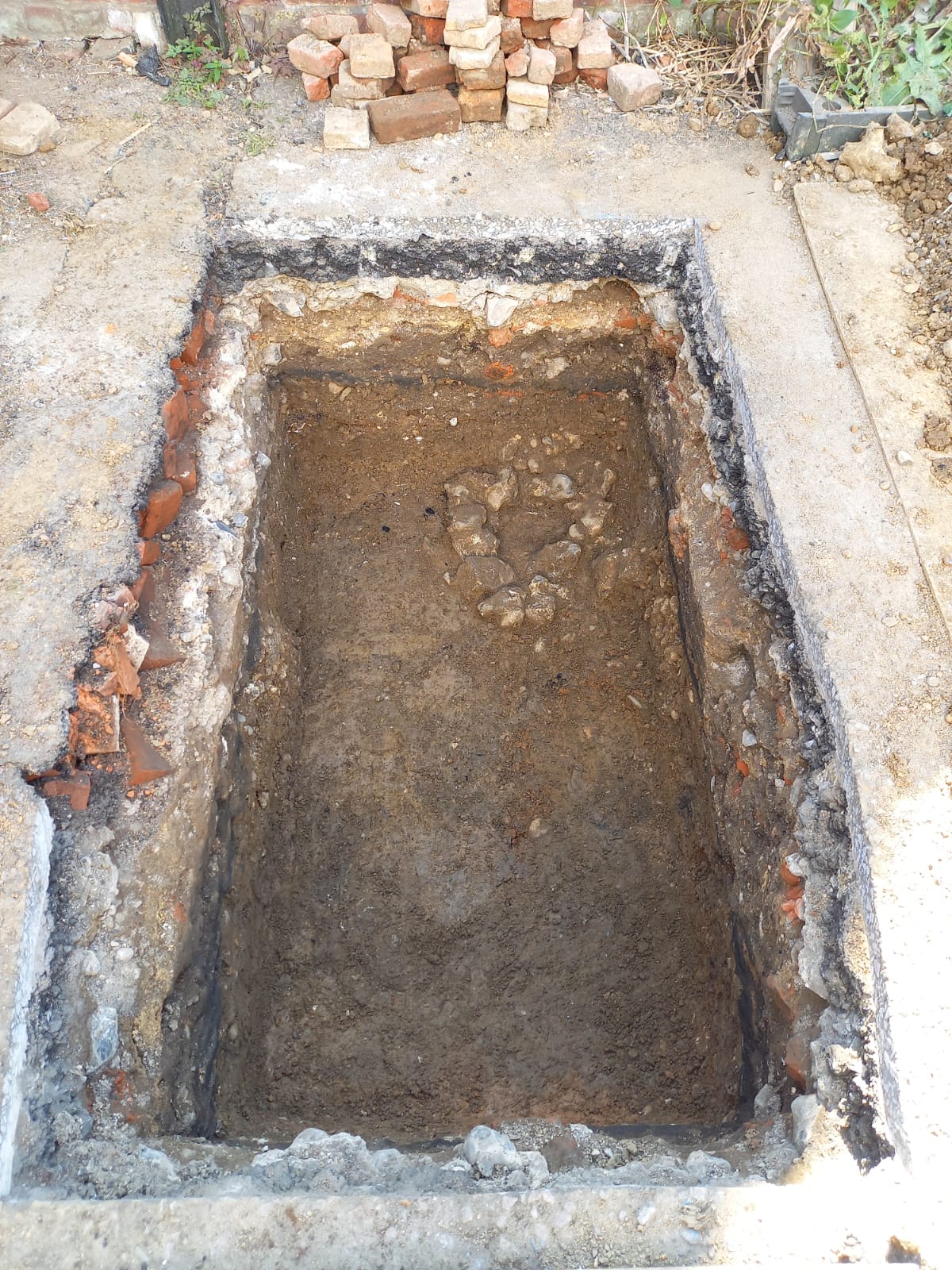
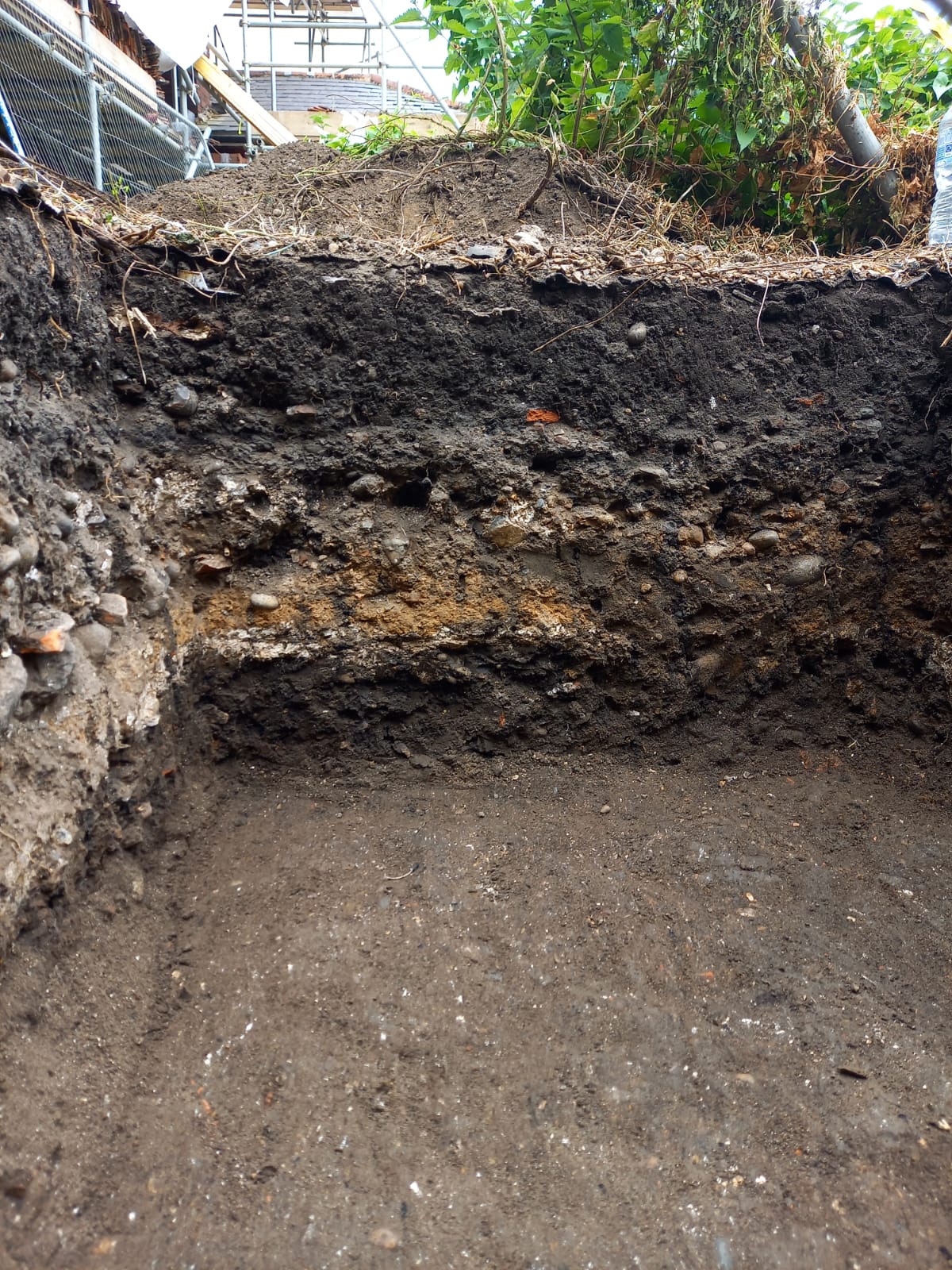
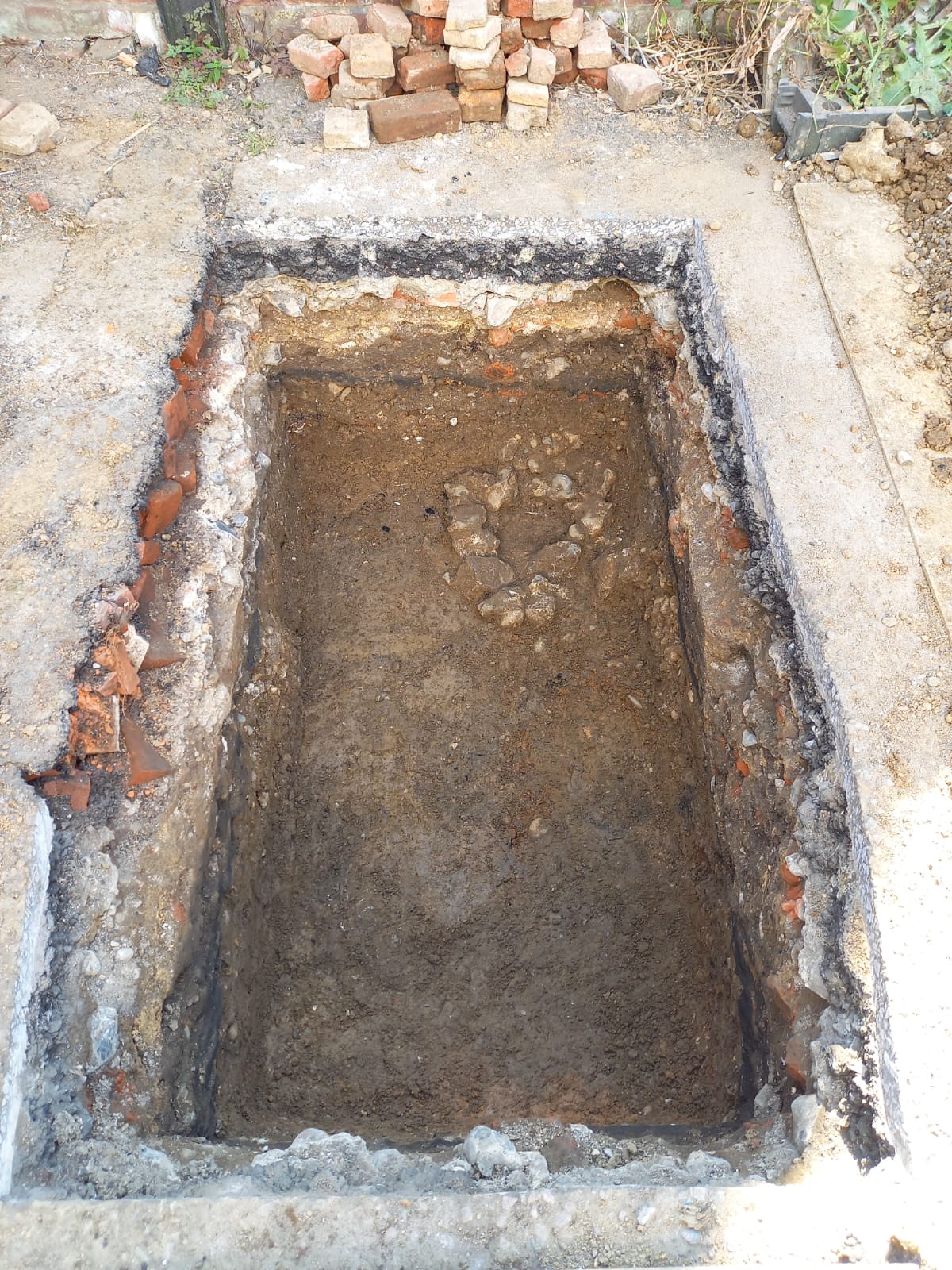
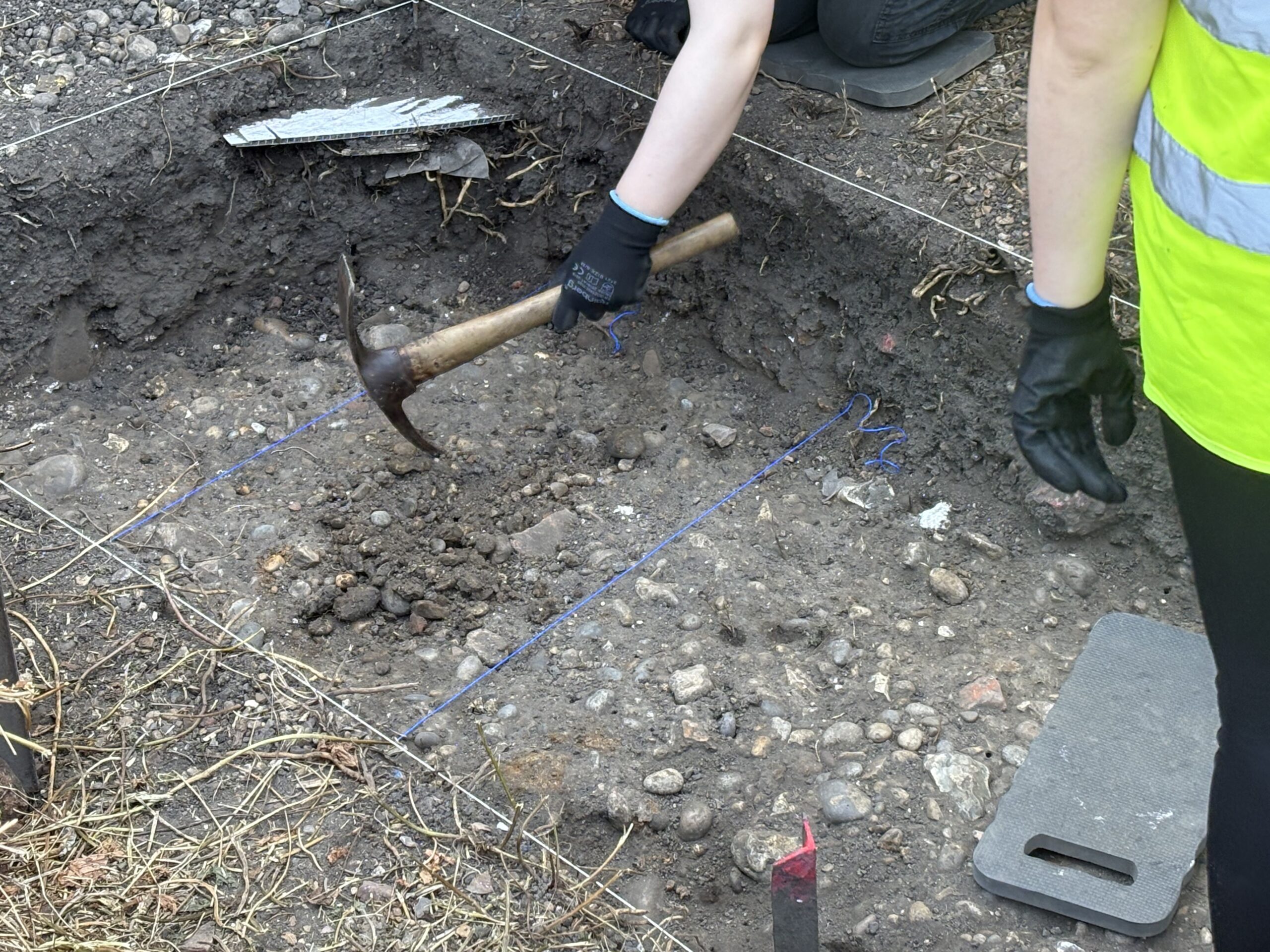
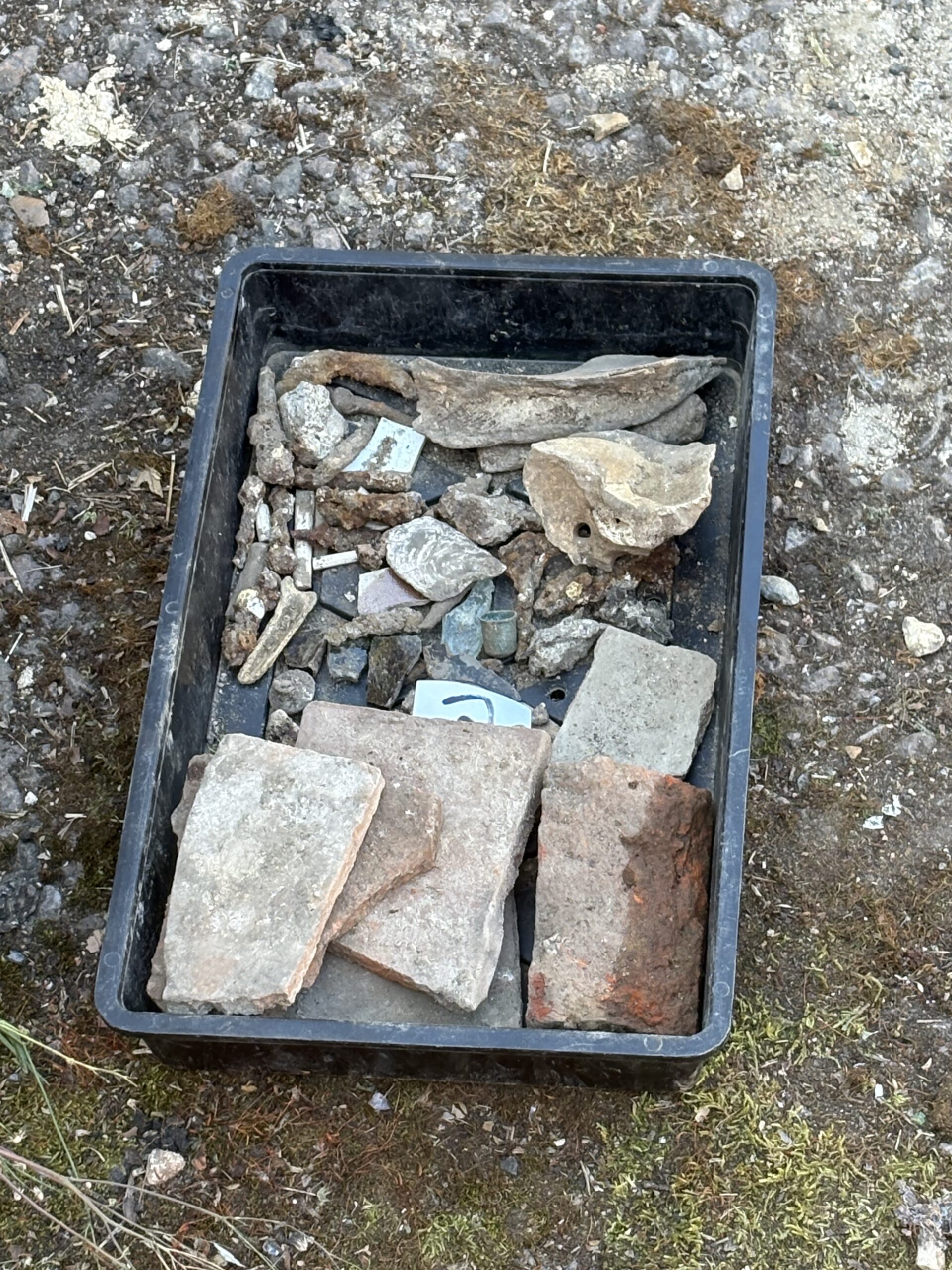
The excavation found modern, medieval and Roman contexts, and a report will now be written up which will go to St Albans’ archaeological advisor to discuss the next steps in the process.
Archaeologist Tom Lucas, who is responsible for developing, maintaining and advancing the knowledge of archaeology for SADC, was the public face of the process, explaining to visitors what was happening on the site.
He elaborated: “This is a phased investigation, an evaluation where we assess what is actually under the ground and whether it’s intact and whether it’s intact and in a undisturbed deposit.. Then that will inform the planning process as to whether they need to go further.”
So the deeper you go, the further back in time?
“It always depends on where you are because, you know, the level of the actual surface here is impacted throughout time, so if someone digs a deep pit in the 1400’s this may cut through Roman archaeology and end up deeper in the ground, but in principal yes, newer deposits will overlie older.”
The pub itself dates back to the 16th century, but before that the site would have been in the medieval village of St Michael’s, with a series of inns all the way down the street to capture the pilgrimage trade visiting the shrine of St Alban. Before that was the earlier church of St Michael’s, which would have been surrounded by a series of other buildings, so there is plenty of potential for archaeological finds.
Normally, any archaeological excavations on commercial development sites are boarded off from public scrutiny, but it was felt as this was such a sensitive area there was huge potential for the museum to get involved.
With the excavation having unearthed various finds, what does that mean for the planning process going forwards?
“The archaeological advisor says, right, either you’ve done what you need to do, and the development can go ahead and or here’s some new conditions.
“This could be if it’s not major archaeology, when you actually remove this building, you do a watch and brief where an archaeologist stands over and watches and makes sure nothing comes up that was unexpected.
“Or they could say, if you want to build that building here, you need to excavate that whole area, either by preserving it in situ or removing and recording it, which is what happened with a lot of finds at Verulamium.“
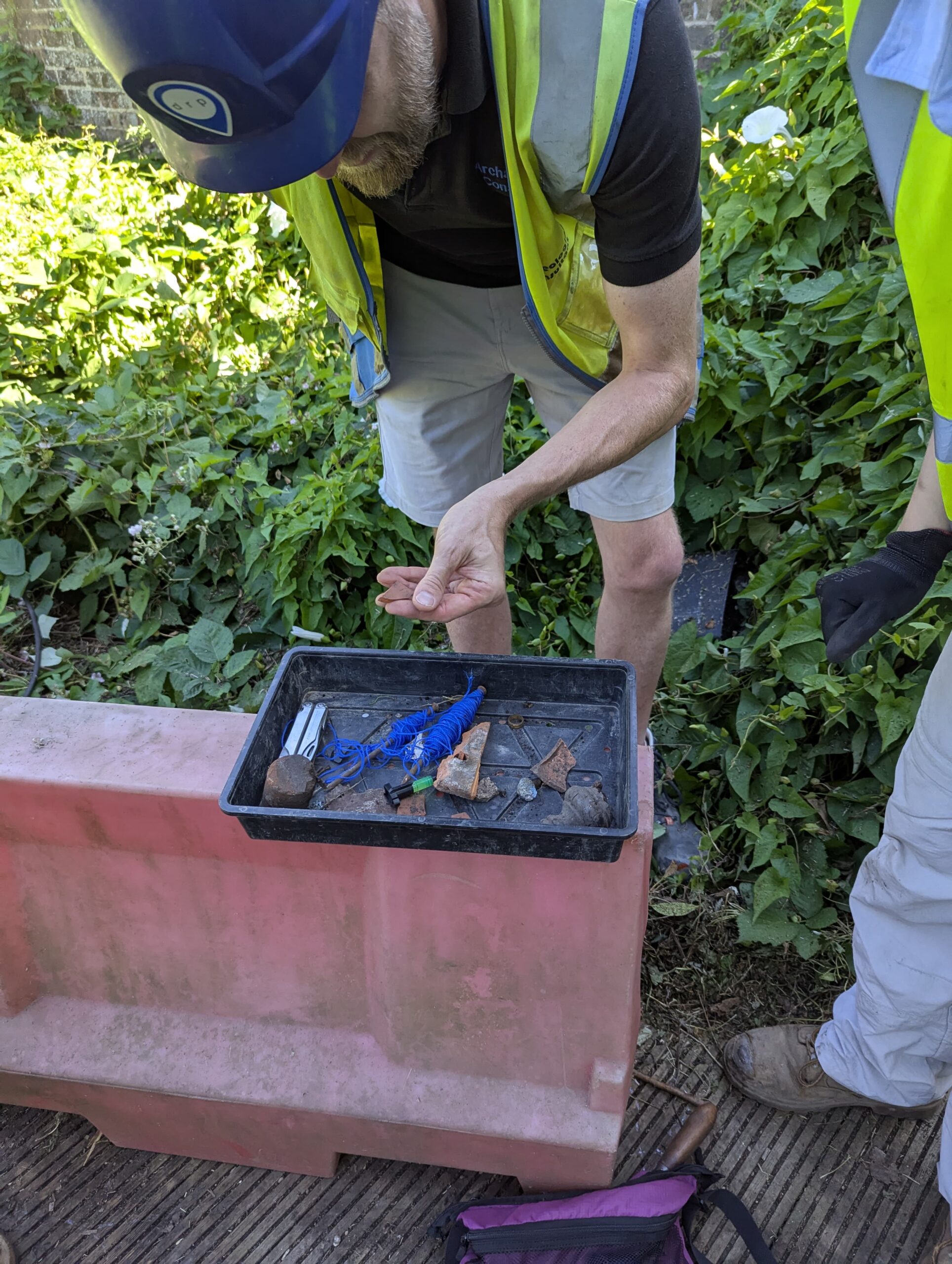
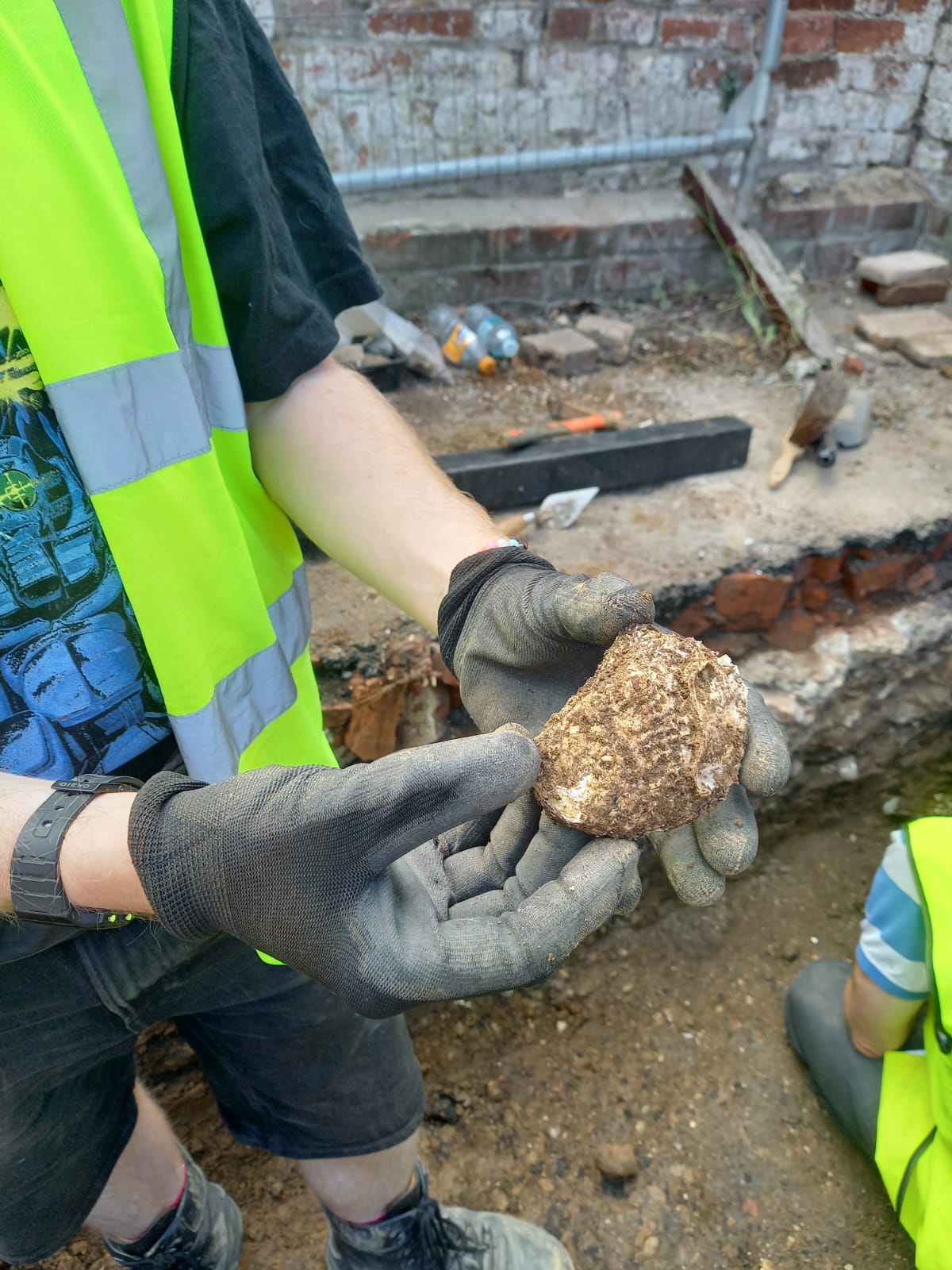
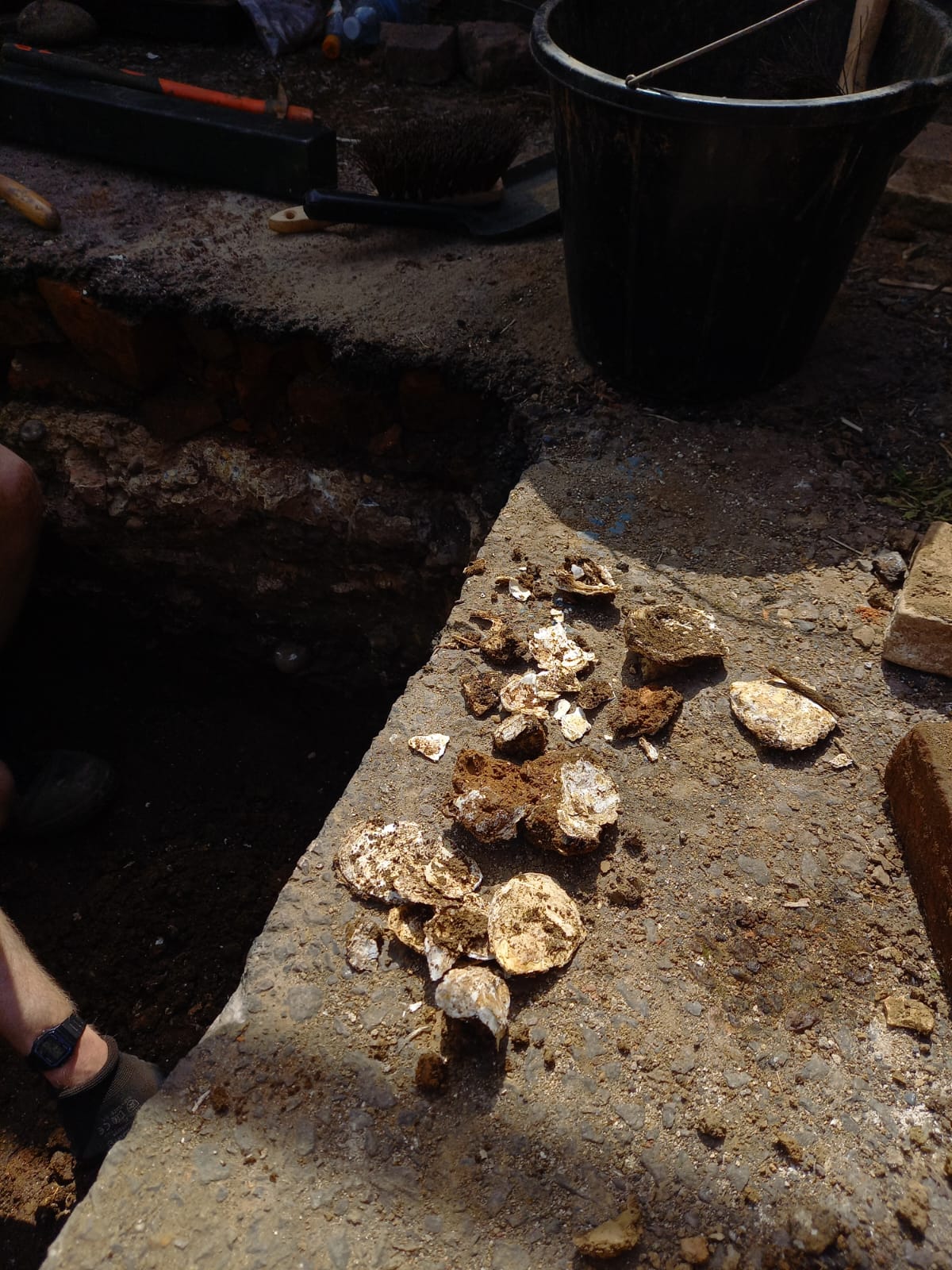
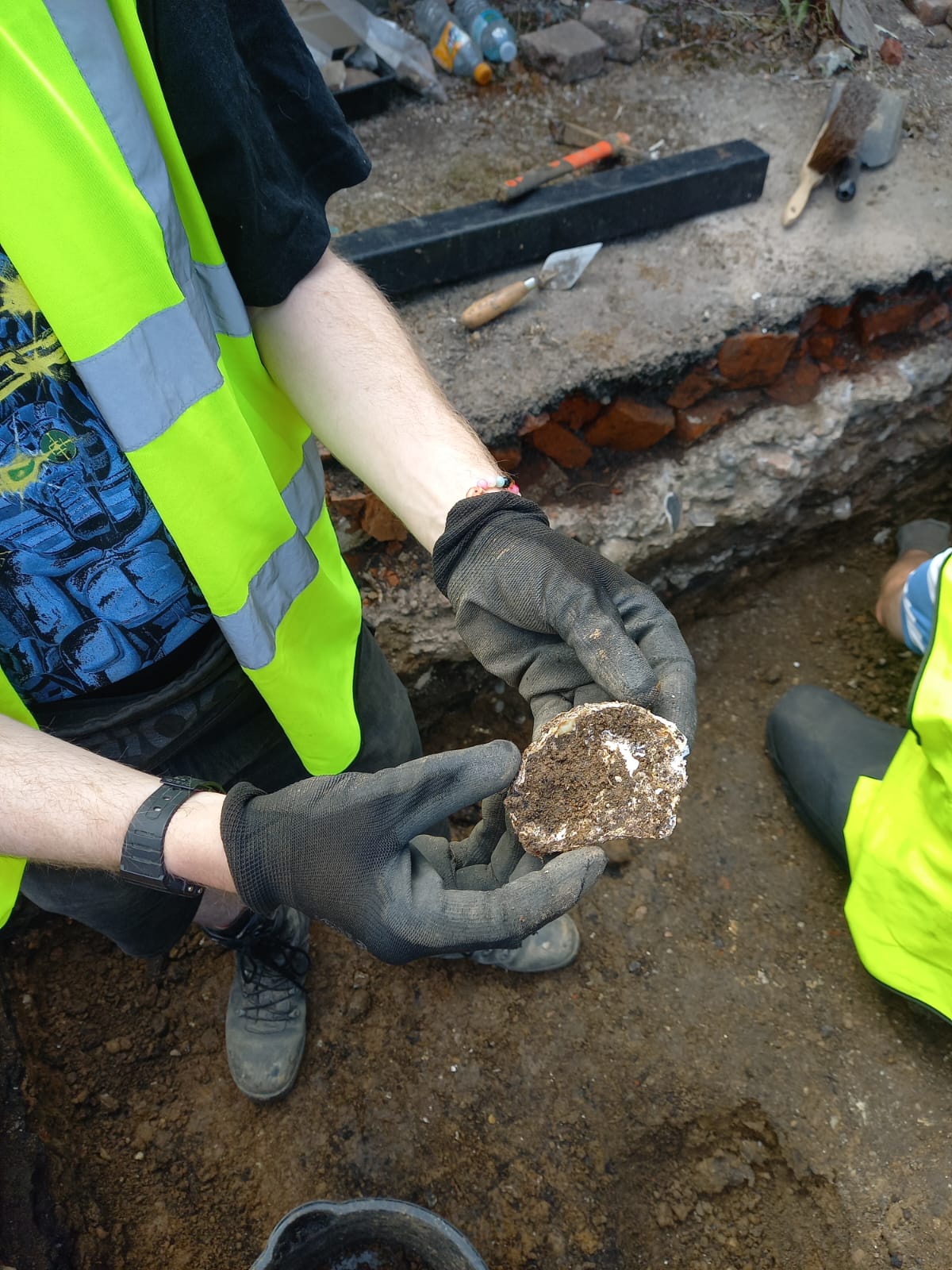
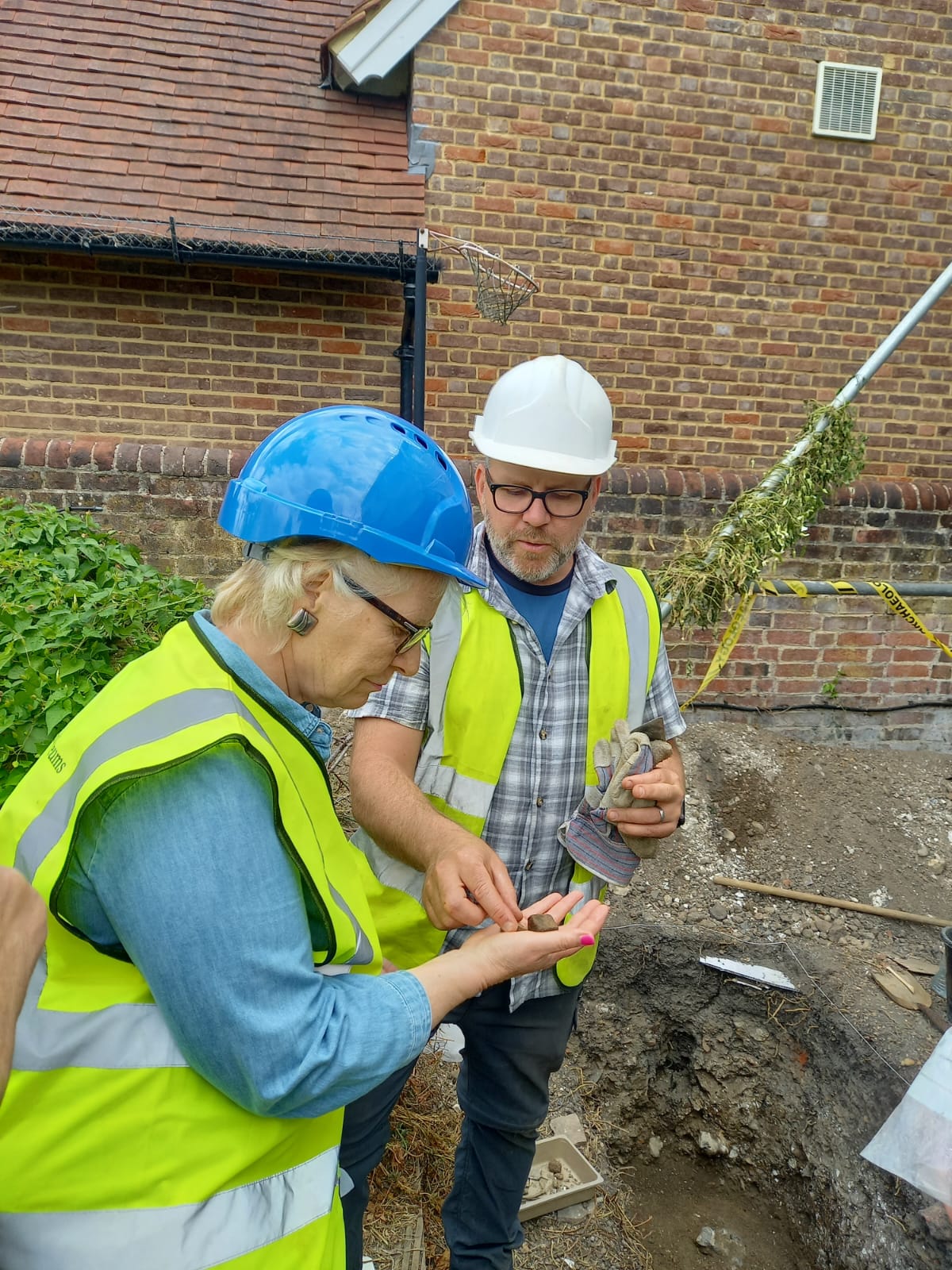
What sort of things would they expect to find as standard in a site like this? “Glass, pottery, oyster shells are very common from the late Victorian period, and you’ll always get clay smoking pipes.
“We’ve already taken a bunch of them out, and they’re quite neat. When you look at them as a pipe specialist they can tell you a decent date just from the width, and if you actually get a bowl at the end sometimes they’re really neatly carved.
“They’re quite cool to see, because you can just imagine someone loved that thing, you know, and then it broke so it’s done.
“It’s a moment in someone’s life that we can relate to.
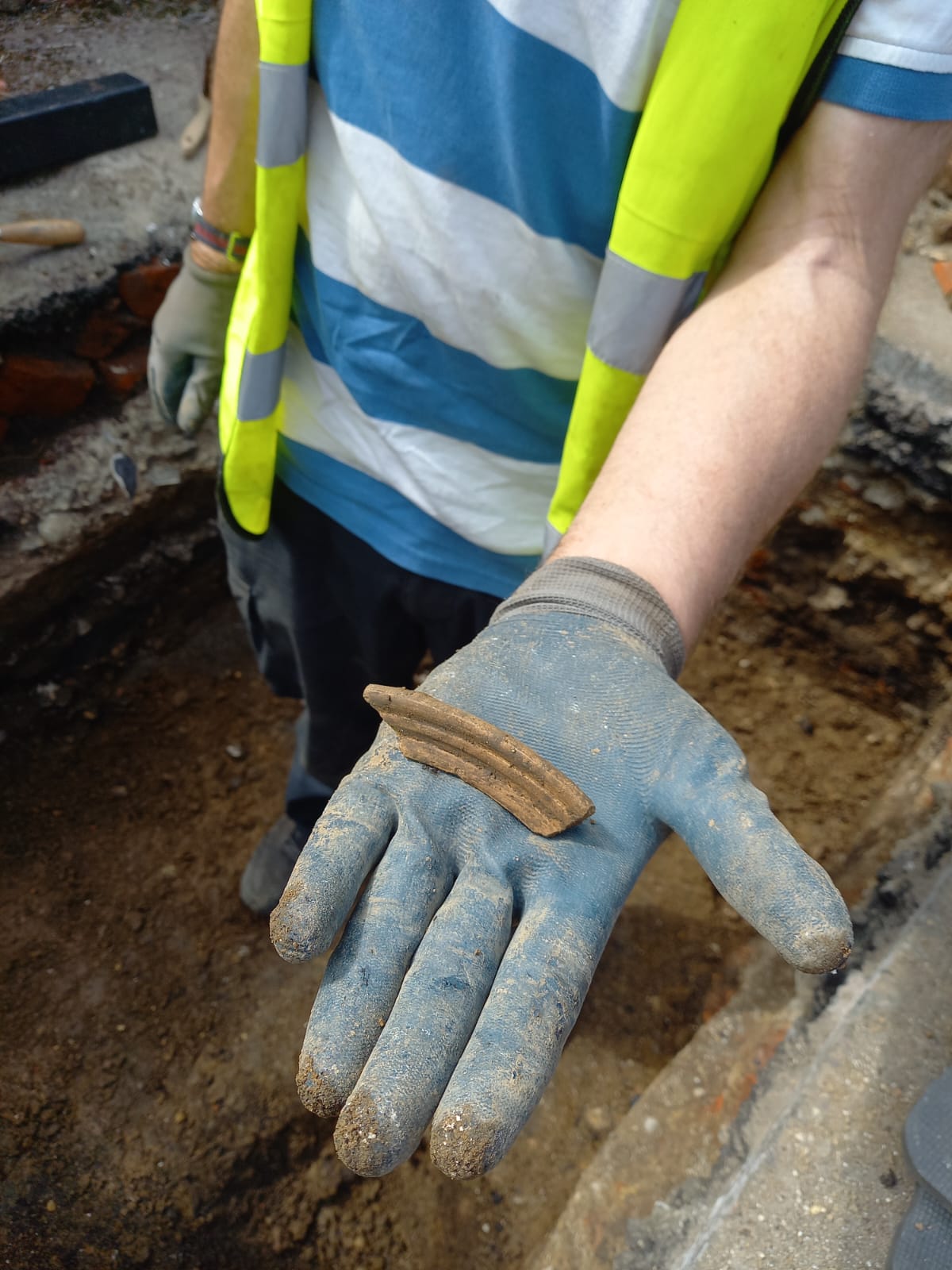
“The Romans loved their oysters too, but their pottery is what we mostly find and that can tell us a lot about what was going on in specific place and time.”