


22 Jan 2025
We’re always looking for a tenuous link. This week, dear readers, hopefully we do not disappoint.
Last Monday, the third in January, was allegedly ‘Blue Monday’ – which was the genius idea of a travel company in 2005 to try and get us to feel ultra miserable and therefore book a holiday.
Loads of folk saw this as a fine bandwagon to jump on to kick us when we’re cold and therefore spend money.
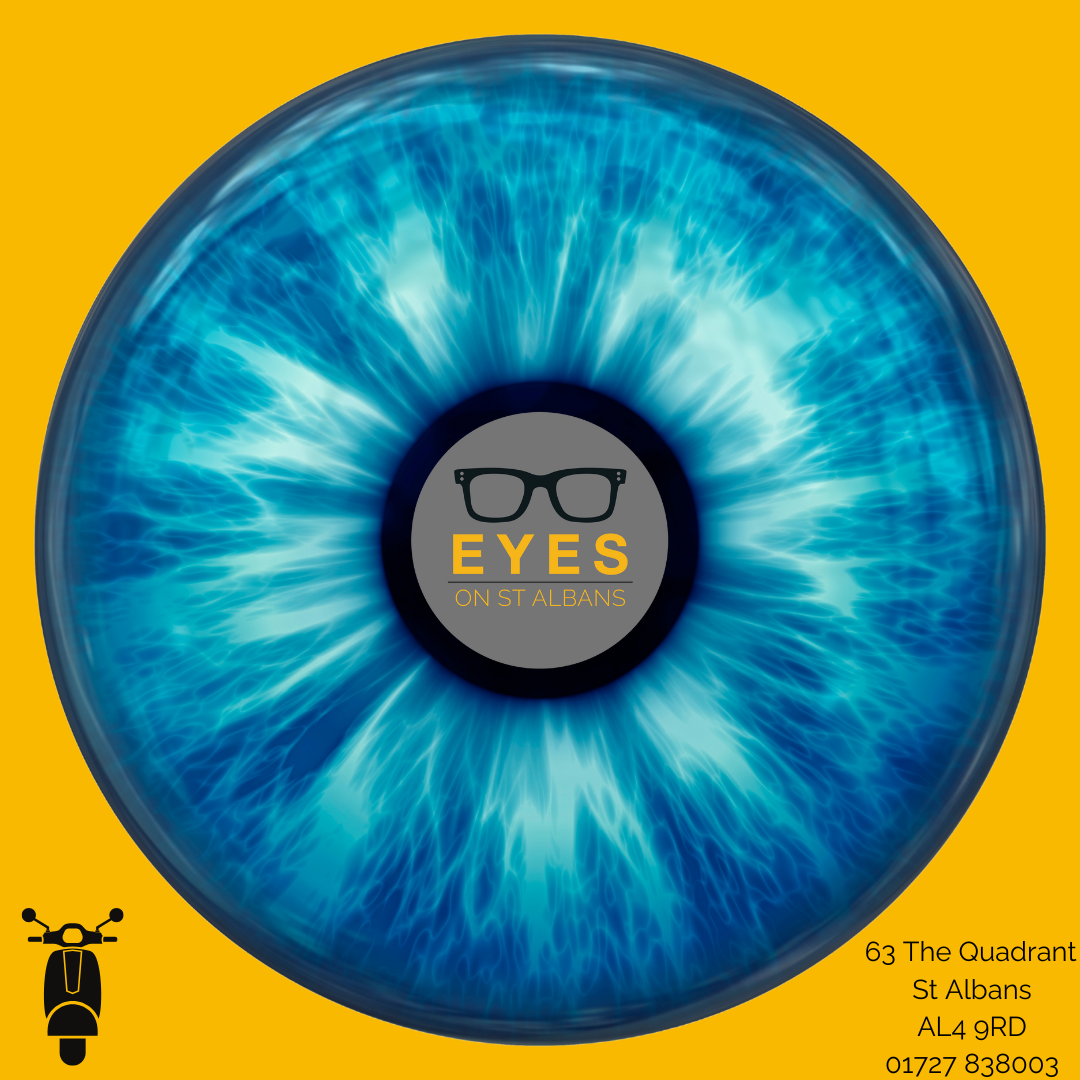
With our usual technique of seeing what everyone’s doing and heading in the other direction, we thought we’d bring you some fun facts about blue eyes (we said it was tenuous…)
1. Blue Eyes Aren’t Actually Blue!
Wait, what? That’s right—blue eyes aren’t technically blue. Unlike brown eyes, which get their rich hue from melanin (a natural pigment), blue eyes are almost completely devoid of colour. Instead, they owe their stunning appearance to a trick of light. The iris’ translucent layer, called the stroma, scatters light. Shorter wavelengths, like blue, reflect back out, creating the illusion of blue eyes. It’s the same phenomenon that makes the sky look blue. Mind blown yet?
2. A Single Mutation Gave Us All Blue Eyes
Every person with blue eyes can trace their ancestry back to one individual who lived around 6,000–10,000 years ago. Scientists believe a genetic mutation in the OCA2 gene switched off the “brown-eye program,” leading to less melanin in the iris. So, if you’ve got blue eyes, you’re part of a very exclusive genetic club.
3. Blue Eyes Can Change Colour
Blue eyes have a magical quality: they seem to shift shades depending on lighting, clothing, and surroundings. This happens because of their light-reflective nature. Ever noticed how your eyes might look lighter on a sunny day or more intense against a blue shirt? It’s like having built-in mood lighting!
4. They’re More Sensitive to Light
If you’re always reaching for your sunglasses, you’re not alone. Blue eyes have less melanin to block out harsh sunlight, making them more sensitive to bright light. While this can mean a bit more squinting on sunny days, it also means blue-eyed folks often have incredible low-light vision.
5. They’re Rare and Regional
Blue eyes are most common in Northern and Eastern Europe, where countries like Finland and Estonia boast blue-eyed majorities. Globally, only about 8–10% of the population has blue eyes, making them a rare and striking feature. So, if you’ve got them, you’re part of a pretty exclusive club!
Taking Care of Your Blues
While blue eyes are undeniably captivating, their low melanin levels make them more vulnerable to UV damage. That’s where some of our fabulous transition lenses might come in handy – come in and we’ll show you the magic. You might even want to try some blue frames to bring out their beauty…
