05 Nov 2025
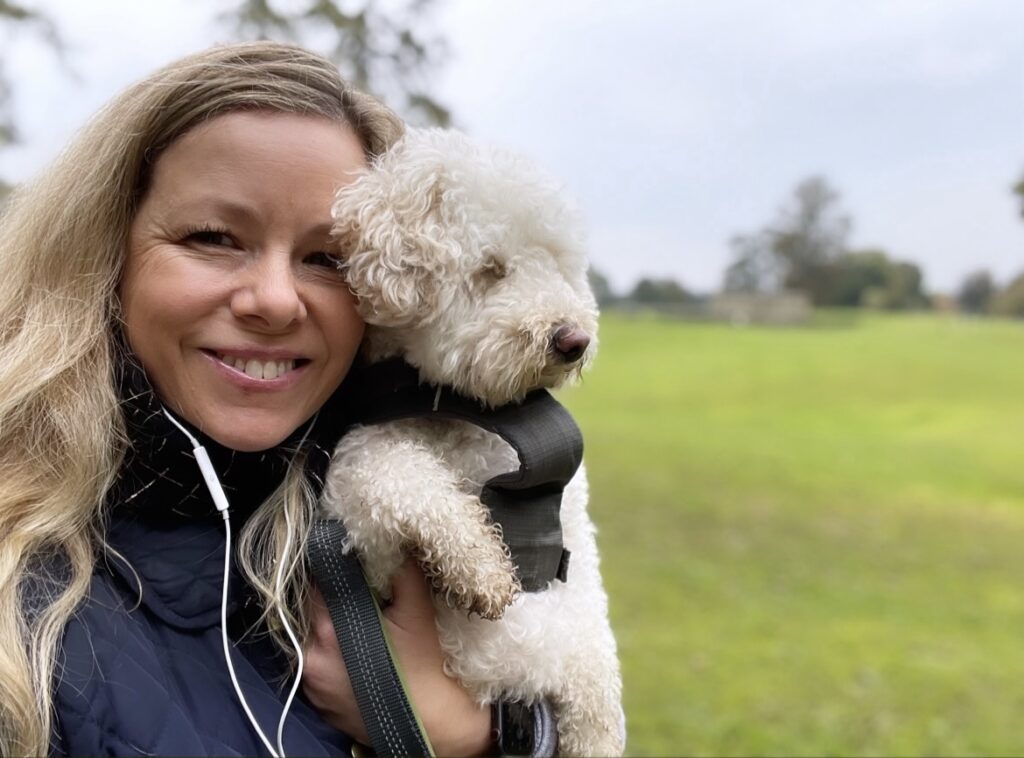
Stacey Turner, founder of It’s OK To Say mental health care and well being charity, reflects on personal moments of doubt and self-awareness…
It’s another rainy, cosy afternoon, the kind that invites reflection. My coffee sits beside me, notebook open, though this time I’m writing from London rather than my usual spot in the office.
Since writing about self-sabotage two weeks ago, I’ve loved receiving so many of your messages, your stories, your thoughts, and the brave honesty you’ve shared. I’m still working through the replies, but please know how much it means to read every one of them.
What’s struck me most from the conversations that have followed is how many people recognised themselves in that quiet tug of war between wanting change and somehow holding themselves back. We so often think self-sabotage is about weakness or lack of willpower, but it’s not. It’s about
attachment.
That might sound strange at first, but when you really think about it, the habits and patterns we struggle to change are often the ones that once kept us safe. Maybe we learned to stay small to avoid rejection, to overthink to prevent mistakes, or to people please so we’d be loved. These aren’t flaws, they’re old survival strategies – there’s comfort in the discomfort. The problem comes when they start to protect us from the very growth we crave.
The Stories Beneath the Stories
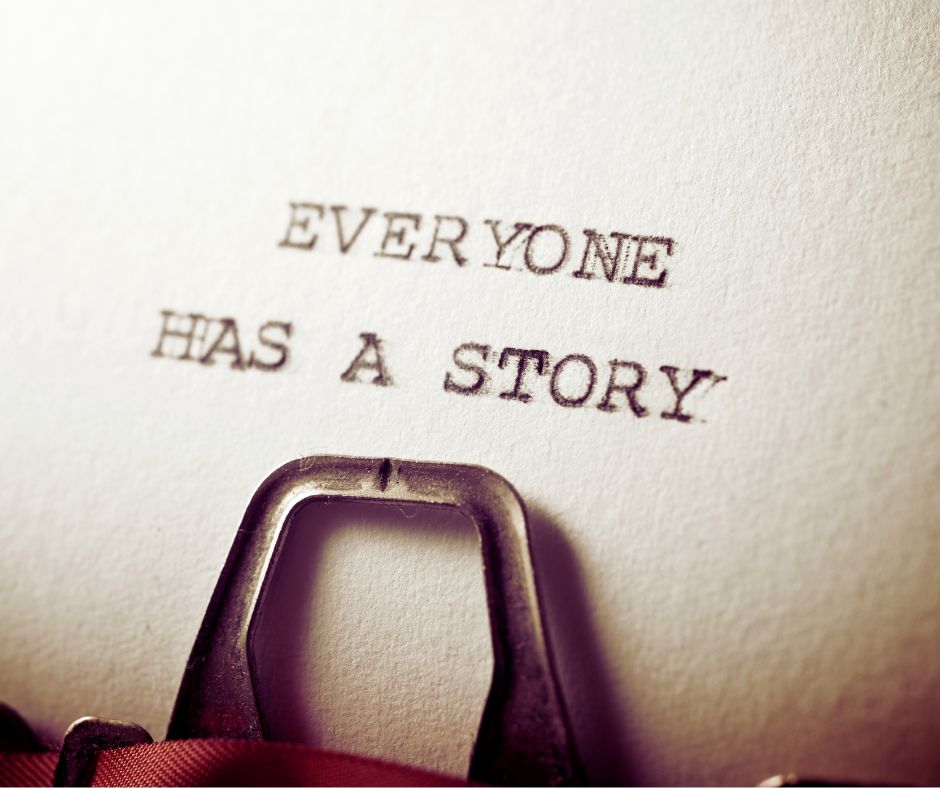
Each of us carries a narrative about who we are shaped by childhood, experiences, relationships, and moments that left a mark. These stories can empower us or quietly limit us. “I’m not good enough.” “I always mess things up.” “People leave.” “I can’t trust anyone.” Sometimes these thoughts play like background music, so familiar we barely notice them.
But what if we started listening? What if we got curious, rather than critical, about the stories we tell ourselves?
When we pause long enough to reflect, we begin to see how those inner narratives influence how we show up in our work, our relationships, and even how we treat ourselves.
We might self-sabotage not because we want to fail, but because success threatens an old story that says we don’t deserve it.
We might stay quiet in conflict because somewhere inside we still believe our voice doesn’t matter.
Healing isn’t just about rewriting those stories; it’s about understanding where they came from and deciding which ones no longer serve us.
The Power of Curiosity
Over the past couple of weeks, I’ve been journalling daily again short notes, reflections, sometimes just a sentence. One morning I wrote: “Today I caught myself doubting my own progress. But maybe that doubt is an echo from a version of me who once needed to stay small to survive.”
Writing like this has reminded me that change begins with awareness, not action. Curiosity allows compassion to enter the conversation and compassion softens the edges of old stories.
So much of self-sabotage isn’t about resistance to growth, but about fear of what we might lose if we grow. Familiar discomfort can feel safer than unknown freedom. That’s why self-awareness, patience, and gentle honesty with ourselves are key parts of this process.
A Shift in Perspective
It’s easy to see growth as a destination, a place where everything finally feels steady. But the truth is, growth is more like a spiral. We revisit the same lessons at deeper levels, noticing patterns we once missed, understanding more each time.
Sometimes we slip back into old habits, not because we’ve failed, but because we’re being invited to learn something we weren’t ready to before. When that happens, try to meet yourself with understanding, not shame.
As one of my favourite authors, Brianna Wiest, writes in The Mountain Is You, “You are not self-sabotaging; you are self-protecting.” That simple shift in perspective can change everything.
Reflection and Realignment
If you’re reading this and recognising your own patterns of self-sabotage or self-doubt, maybe this is your invitation to pause. You don’t need to overhaul your life, just start noticing. Ask yourself:
• What stories am I telling myself right now?
• Who taught me to believe them?
• Do these beliefs still fit the person I’m becoming and align with my values?
• What’s getting in the way of the life I want?
It can be uncomfortable work, but it’s also deeply freeing. When we start questioning our stories, we make room for new ones, ones rooted in truth, possibility, and self-trust – we start to see hope.
A Gentle Invitation
At It’s OK To Say, we meet so many people who are learning to rewrite their stories, people who are starting over, rebuilding, or simply trying to understand themselves better.
That’s the beauty of being human: it’s never too late to change the narrative.
If you’re finding this process hard, remember that reflection itself is progress.
Every time you choose awareness over autopilot, you’re moving closer to who you truly are.
So perhaps this week, give yourself a few quiet minutes to reflect on what’s most important to you in life.
Reflective Task:
Ask yourself:
1. What kind of person do I want to be?
2. How do I want to connect to others and to the world around me?
3. What aspects of life feel most meaningful?
4. What do I truly value in myself, in others, in how I live?
Sometimes the answers appear slowly, over coffee, in conversation, or through writing. But they do appear and they help you find your way back to yourself.
Book Recommendation: The Mountain Is You by Brianna Wiest
This one’s remarkable. It explores how self-sabotage is really about attachment about how we cling to what once felt safe, even when it no longer serves us.
Podcast Recommendation: The Mel Robbins Podcast
For anyone who loves honesty and practical insight, this podcast offers a grounded, compassionate take on growth, resilience, and self-belief.
Reflective Connection:
This reflection exercise ties beautifully into my next article, where we’ll explore values, how they form our inner compass and guide the choices that shape our lives.
And as always, I want to say thank you for reading, for sharing, and for trusting me with your reflections. Writing these pieces feels like a shared conversation, and I’m so grateful to be part of yours.
Until next time, take gentle care of yourself and remember, it’s never too late to change the story you tell yourself and it’s most definitely always OK To Say.
Don’t forget, you’re welcome to share your story here: support@itsoktosay.org.uk