


22 Jun 2025
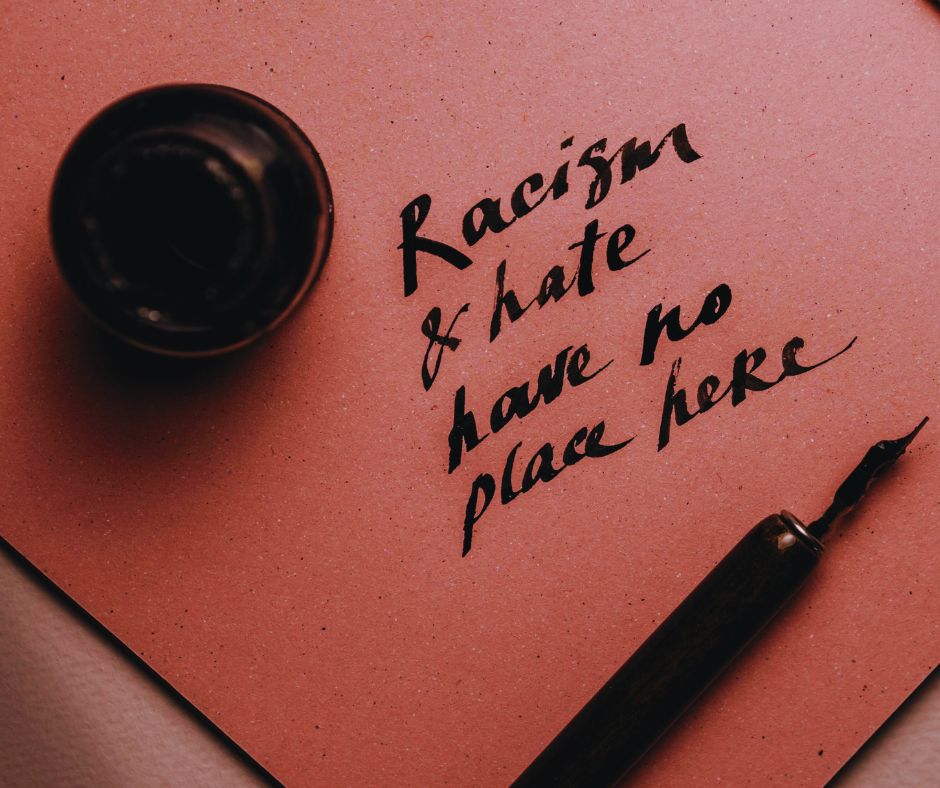
It’s time to challenge the hidden prejudices which lurk beneath the surface of St Albans society. Anisha Kashim explains why we shouldn’t stay silent about racism.
Earlier this year, I published an article in this paper entitled ‘From open hatred to hidden prejudice’, where I explored the lived experiences of Bangladeshi Muslims in St Albans through personal stories and community voices. The response was overwhelming. Messages of solidarity poured in, particularly from BAME residents who shared similar stories of racism and exclusion. But so too did the backlash.
Online and in person, I was told I was “damaging community relations” by daring to name the racism that persists in our city. Some called the article “a load of s***”. I was confronted on the street, at work, challenged in public spaces, and questioned for simply telling the truth.
But here’s my question: is exposing injustice divisaive, or necessary for change?
As stated before, as a Bangladeshi Muslim who grew up in St Albans, I have witnessed both overt and subtle forms of racism. My lived experience became the foundation for myCriminology dissertation last year, where I used Critical Race Theory to investigate systemic anti-Muslim discrimination in our schools and workplaces.
This wasn’t just research looking for a good grade. It was personal.
My research focused on two generations of Bangladeshi Muslims in St Albans, those who arrived as children in the 1970s and 80s, and those born and raised here since. It asked a difficult question: has racism truly declined, or has it just become more subtle? By comparing their stories, the project uncovered a powerful truth. While the language of hate may have changed, the pain it causes has not.
I surveyed Bangladeshi Muslims across the city and gathered multiple case studies. The findings were alarming and further confirmed my thoughts.
Key Findings:
- 78 per cent faced microaggressions in either educational or professional settings;
- 85 per cent of Bangladeshi Muslim students reported experiencing racism at school;
- 62 per cent felt their religious or cultural needs were routinely ignored in schools;
- 47 per cent believed they were passed over for promotions due to their ethnicity or faith;
- 39 per cent encountered barriers to employment, often tied to their name or religious attire;
- 55 per cent of students felt erased from the curriculum.
These aren’t isolated experiences. This is systemic.
Many of the challenges weren’t just institutional, but cultural.
90 per cent of participants were bilingual in Bangla and English, yet 65 per cent believed speaking Bangla in public triggered adverse reactions.
60 per cent struggled with social inclusion due to the city’s heavy drinking culture, a stark contrast with Islamic values.
Of the hijab-wearing women surveyed, 83.3 per cent reported facing discrimination for their religious attire.
This is a city where identity can feel like a liability.
A place where Bangladeshi Muslims must routinely downplay their culture to avoid discomfort. Where being visibly Muslim comes with the risk of exclusion, or worse.
Is It Really ‘Divisive’ to Tell the Truth?
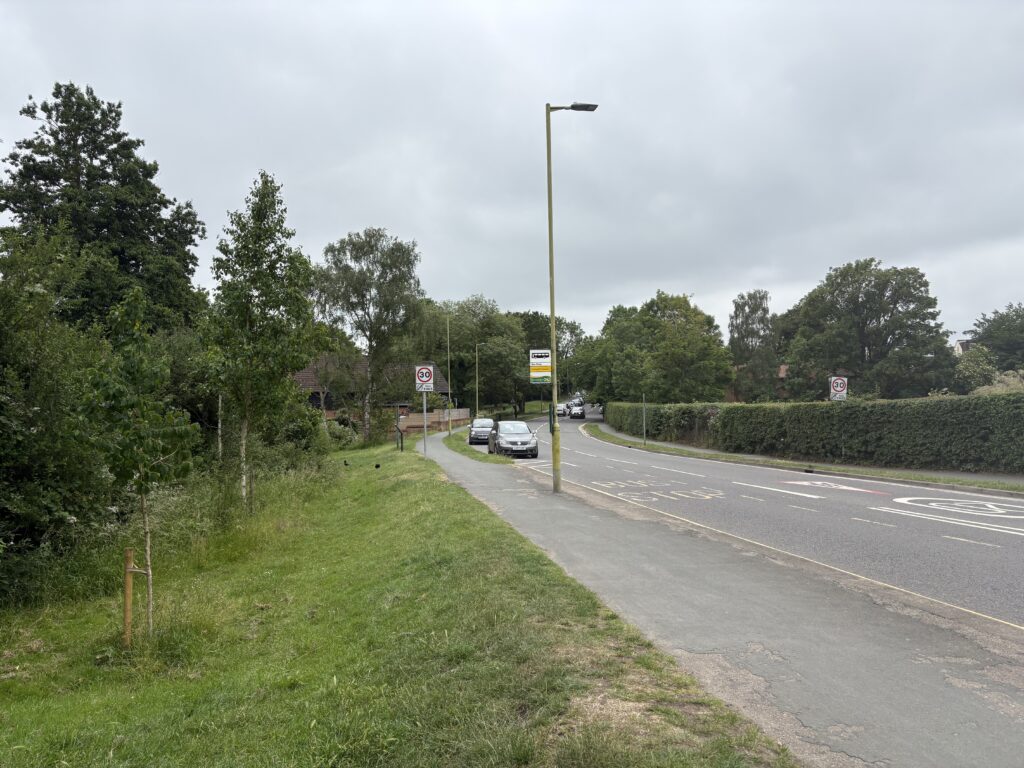
Following my first article, a white resident shared a saddening memory on the All Things St Albans Facebook group. They recalled teenagers in Cottonmill planning to go “P*ki bashing” and terrorising a South Asian family enjoying a summer’s day in their front garden.
“I remember the fear on the family’s face as they quickly folded their chairs and ran indoors,” they wrote. “The teenagers threw stones at them as they ran.”
That moment of public memory was sobering and validating. It revealed that the racism we speak of is not imagined. It is remembered. It is witnessed.
After the article went live, I was flooded with messages and stories like this, many of them painful, some outright shocking, and all of them heartbreakingly familiar.
What became immediately clear was that the racism I had written about was not just a personal experience. It was shared, widespread, and often worse than what many dared to say aloud.
One reader described how her friend, an Asian senior midwife was often rejected by women from St Albans who would say, “Not her.”
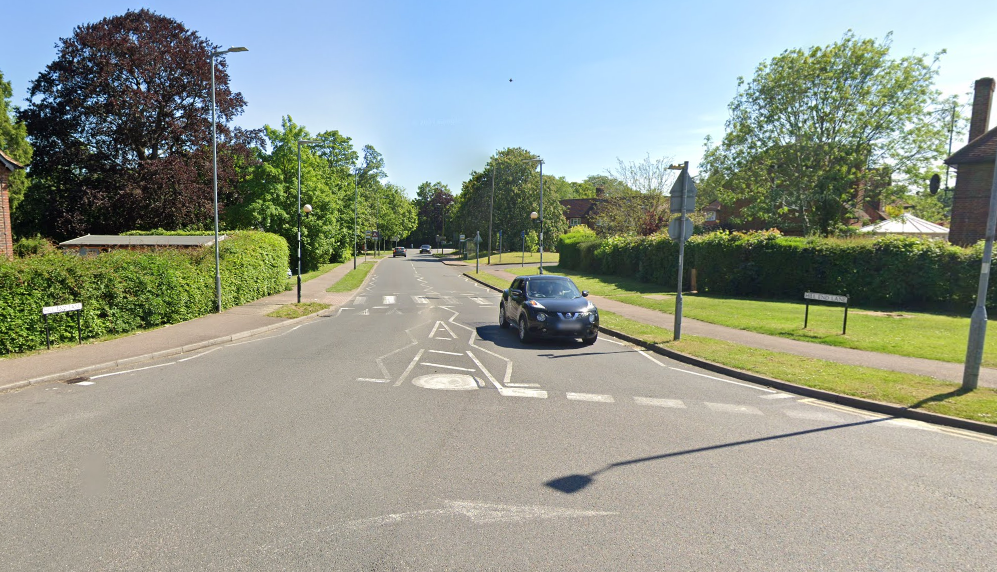
Another woman bravely shared a harrowing story from Hill End Lane in the early 2000s, where her neighbour tried to run over her and her sister, both under the age of 10, with his car.
He got out, shouted racial slurs, calling them “P*kis,” and regularly threatened their parents. “He used to say he’d punch them, hit them… and nothing was ever done. We called the police, but he was never arrested. Racism never led to consequences back then,” she said.
It didn’t end there. Another family described neighbours setting their dogs into their house, a tactic clearly meant to intimidate. “Every time our front door was open, they’d let the dogs loose. It was terrifying.”
Another local resident said their home was egged repeatedly, while another recalled “being told by a neighbour that he would chop off our ‘P*ki fingers’ and post them through the letterbox for our mum to find.”
These weren’t just the actions of individuals, they reflected a culture of impunity. Even schools, where children should feel safe, were often hostile environments.
One woman recounted her time at Beaumont School in the early 2000s, when she was punished for speaking Bangla to a friend. “They dragged me out of my lesson and screamed at me for speaking my own language. I was held back after school. When I reported it as racism, it got laughed about in the staff room. A few days later, I was kicked out of another class by a different teacher for reporting the first one.”
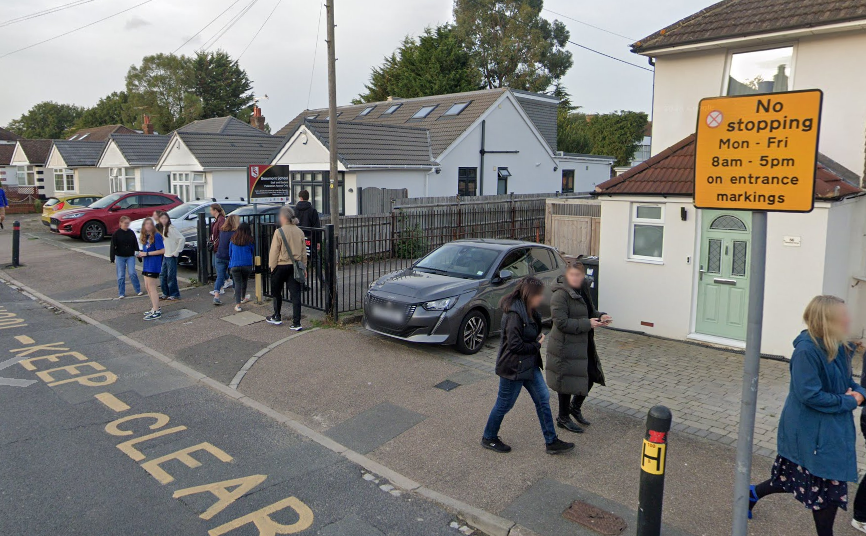
She wasn’t alone. Multiple former students who attended Beaumont in the ‘90s and 2000s told me they were routinely separated from white classmates.
“It was weird,” one said. “They always grouped us. The Asian kids and Black kids, together in classes, away from everyone else. It felt deliberate.”
And these experiences are not just in the past. Just last week, a local who used to work in a St Albans primary school contacted me to share how their former colleague would regularly make anti-Muslim comments in the workplace.
“She would post Islamophobic things online, mock the Prophet Muhammad, and always talk about how ‘people like us’ are stealing jobs,” they said. “It’s constant. And still, nothing’s done. You can report it, but all they really get is a slap on the wrist.”
To those who say I’m harming community relations by writing about this, ask yourself: What kind of community are we protecting by staying silent?
Silence won’t help BAME children who feel unsafe at school, and silence won’t get someone a fair interview. Silence won’t erase the trauma of being told you’re “not British” because of your name or your faith.
Speaking out, however uncomfortable, is how communities grow stronger.
I’m not saying St Albans is an evil city, nor am I saying I hate living here. I love St Albans. I love its quiet charm, its green spaces, and the familiarity of always recognising someone on the High Street. I’m deeply grateful that this is the place my grandfather chose to call home.
But even the most beautiful garden can have weeds. And beneath St Albans’ picturesque surface lies a persistent undercurrent of racism, a darker layer that too often goes unspoken.
That’s what needs to be addressed.
As part of my study, I asked participants what they believe would create a more inclusive St Albans. Here’s what they said:
- More cultural events that encourage community interaction and education;
- Anti-racism initiatives and curriculum reform in schools;
- Better representation of Muslims in the media to counter stereotypes;
- Support services for victims of racism and for recent migrants navigating language and legal barriers.
These aren’t radical demands. They’re calls for basic dignity.
We need schools to implement inclusive policies and a curriculum that reflect the communities they serve. We need employers to audit their practices to ensure fairness in hiring and promotions. And we need local leaders to prioritise anti-racist policy, not just in theory, but in practice.
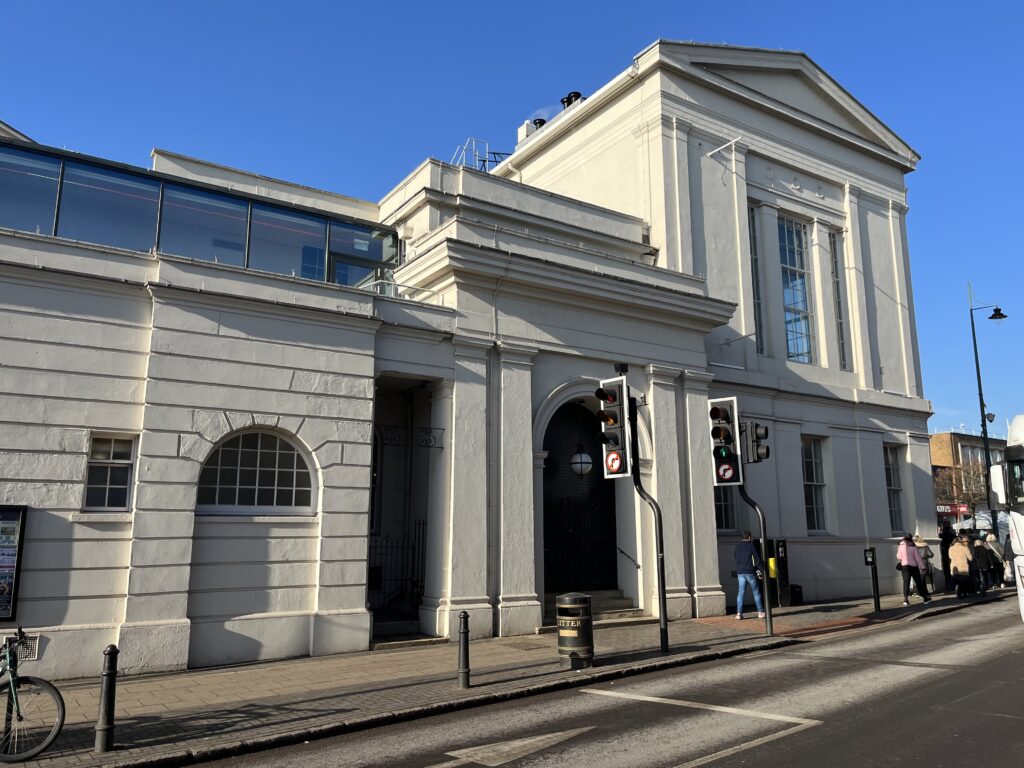
The upcoming South Asian St Albans exhibition at the St Albans Museum + Gallery this July is a fantastic opportunity for residents to learn about the contributions, stories, and
resilience of the South Asian community here. If we want a better future, it starts by acknowledging, and understanding, the past.
The goal of my last article wasn’t to make people comfortable, it was to force a conversation that too many in power would rather ignore.
That conversation isn’t over. If anything, the backlash proved exactly why it needs to get louder. I’m calling on others, especially those who have been forced into silence, to speak up about the racism they’ve faced in this city.
And I’m calling on local leaders, schools, and institutions to stop hiding behind diversity slogans and start taking real responsibility. Enough performative gestures. If we want a better future in St Albans, we need more than words. We need action.
These articles are just the start of a much-needed conversation. By naming these injustices, we can begin to dismantle them. By amplifying these voices, we give them power. And by refusing to be silenced, we make space for the next generation to grow up in a St Albans that sees them, hears them, and values them.
Let’s not call that divisive. Let’s call it progress.
