05 Dec 2024
This week marks 30 years since a naïve Matt Adams started his career in regional media. Here he looks back at the challenges and changes which he has experienced over this period…
The last four decades have been a tumultuous period in the history of local newspapers, and so in writing this article I was conscious not only of highlighting some personal highlights, but also to present an insider’s view of just what has gone wrong with the industry in this time.
Editing the student newspaper at Reading University had inspired me to consider journalism as a potential career post-graduation, only to hit a brick wall when it came to obtaining any advice or guidance as to how best to pursue that goal.
I eventually stumbled into a bargain basement role at my local free newspaper in Essex – the quirkily-named Yellow Advertiser – writing advertorials for bathroom showrooms and puff pieces for restaurants I had never visited.
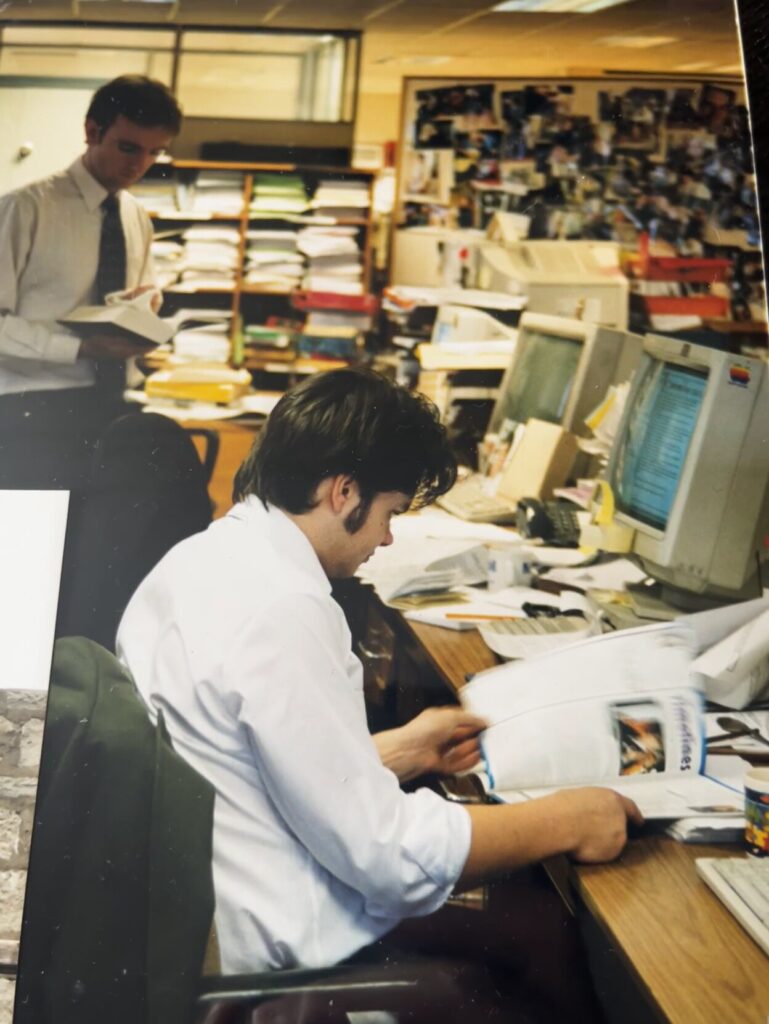
The newsroom then was a vibrant, bustling beast, packed with patch reporters who flowed in and out on jobs, sub-editors who had taken hefty retirement packages from the nationals and were looking for an easy ride, an army of photographers with their own darkroom, admin staff happy to trawl through newspaper archives for research, and various levels of management including a news editor, a production editor and the big man himself, who spent most of his time in a fourth floor office but descended onto the floor when he wanted to remind people who was in charge.
Alongside this huge editorial machine was a commercial department living its best life. Free newspapers were a licence to print money, being packed with ads including property, motors, classifieds and trades and services.
It was a golden age for the regional media. The only competition came from other newspapers and the odd grassroots radio station, but it was a healthy rivalry which kept everyone on their toes both editorially and commercially, with plenty of money to go around and a buzz in hunting down breaking stories before other reporters found them out.
I became a sub-editor, learning both page design and the skill of polishing someone else’s copy so it was the best it could possibly be, which in turn allowed me to understand the structures and styles of news and feature articles.
From there it was a natural progression to become a reporter, despite having no formal training, and after a stint covering some of the smaller patches I was moved onto the flagship edition, which covered the town of Basildon.
This was far from a sleepy backwater, and provided me with a real mix of hard news stories, including the baby snatched from the local hospital maternity ward, dawn drugs raids and meeting Tony Blair and Gordon Brown on the 1998 General Election trail.
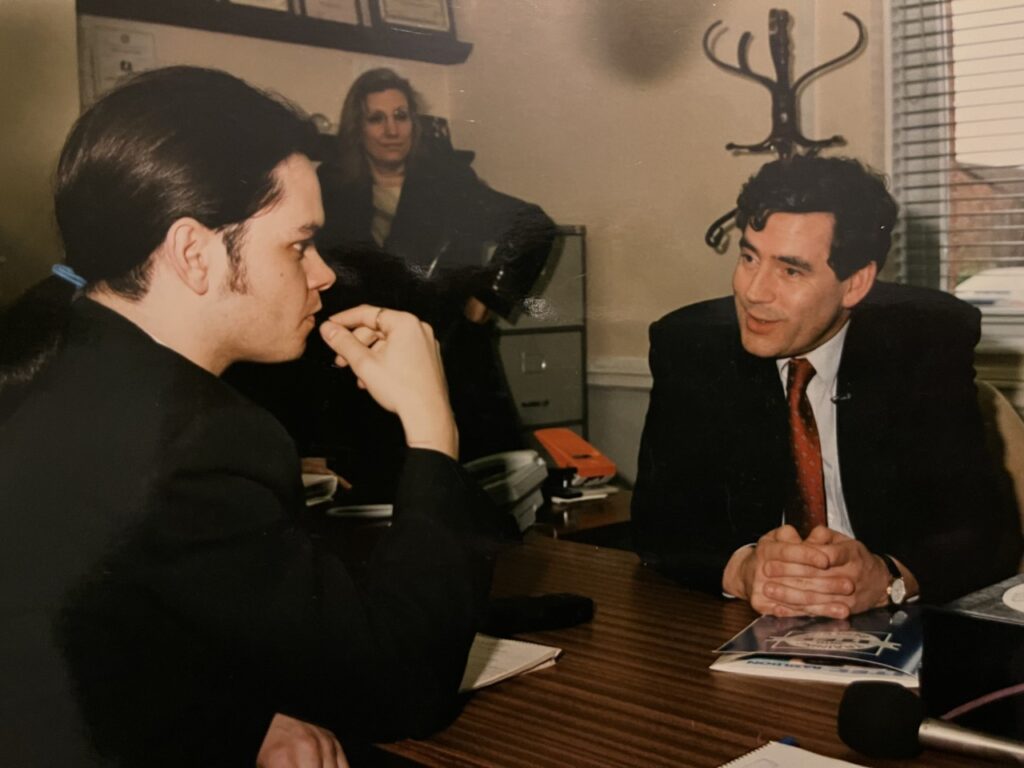
Every morning I would pop into the police station next door to our offices, where an old school detective sergeant would let me check the incidents book of the past 24 hours to see if anything took my fancy.
Research was a trip to the local history section of Basildon Library, or a trawl through microfiche copies of old newspapers.
Perhaps surprisingly, there was even a fair share of celebrity interviews, the likes of Doctor Who Jon Pertwee, TV’s Incredible Hulk Lou Ferrigno, Dave (Darth Vader) Prowse and Louise Wener from Sleeper are a few who spring to mind.
I learned shorthand and achieved a diploma from our owners Regional Independent Media through a blend of hands-on experience and guidance from more senior members of staff.
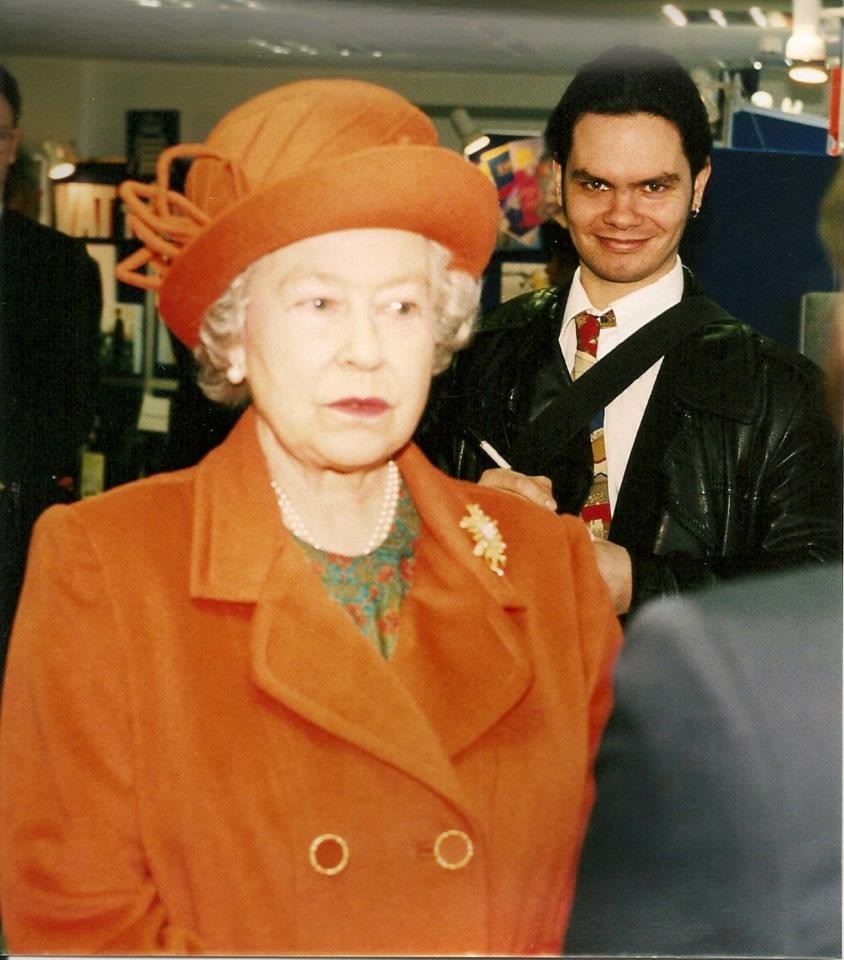
Moving onto a different patch, my hometown of Southend, stories included a Royal visit by the Queen, and police failings in warning women about a serial rapist prowling the streets.
In the aftermath of the war in Kosovo, we ran a campaign asking for donations of sweets to be distributed to children during talks about the dangers of landmines, an initiative which culminated in a visit to the devastated region of Pristina with six mailsacks of goodies. Arguably not really local news, but a remarkable experience nonetheless.
These were good times, when you could disappear off on patch for a few hours with just a handful of change as the only way of contacting the office, when Friday afternoons were spent down the pub sharing anecdotes with former Fleet Street hacks, and every Thursday huge bundles of the latest editions arrived in their lorryloads to waiting queues of readers.
“It’ll never catch on.”
The New York Times has written off various inventions over the years, including the car, laptops, nail varnish and cheeseburgers, so it’s probably no surprise to hear that the newspaper industry as a whole was slow to recognise the challenge the internet would pose to their business model.
Our first foray into an online world came in the form of a modem brought into the office by one of the more forward-thinking photographers, and initially it was just used to watch the Big Brother housemates’ showdown with ‘Nasty’ Nick or similar frivolities. Nobody had any inkling how devastating this window onto a digital landscape would prove to be.
The new millennium had just started, full of potential and optimism, but within a matter of years the entire regional newspaper industry had been forever devastated, beginning a downward spiral from which it has never recovered.
Although some of the national media had already launched their own websites, local newspapers were slow to enter the game, with most editors swift to dismiss the internet as a passing fad which would never threaten print publications.
In fact, a study by City University’s Department of Journalism early in 2000 found that only 11 per cent of regional newspaper journalists had access to the internet, so our clunky modem was pretty game-changing compared to other newsrooms.
Some nationals were also slow to enter the digital race, with the Daily Mail waiting until 2004 to launch its own website, but at a local level the pace was glacial.
Most titles would post one or two stories a day on a basic website, the uploading process often taking as long as writing the article itself. There was no digital-first attitude, it was very much an afterthought to the printed paper, and the commercial support was virtually non-existent.
But gradually things started changing, especially with the online growth of Rightmove (founded 2000), Auto Trader (website launched 1996) and eBay (UK website debuted in 1999), as these platforms increasingly chipped away at print media’s traditional sources of income.
I eventually parted ways with the Yellow Advertiser after my editor and mentor Mick Ferris was made redundant, his role merged with his London equivalent in one of the first major downsizes the group had seen since I joined. The writing had been on the wall for some time, as diminishing revenues forced publishers to start reducing their expensive editorial budgets and look to recruit cheaper replacements who were prepared to take risks with their online offerings.
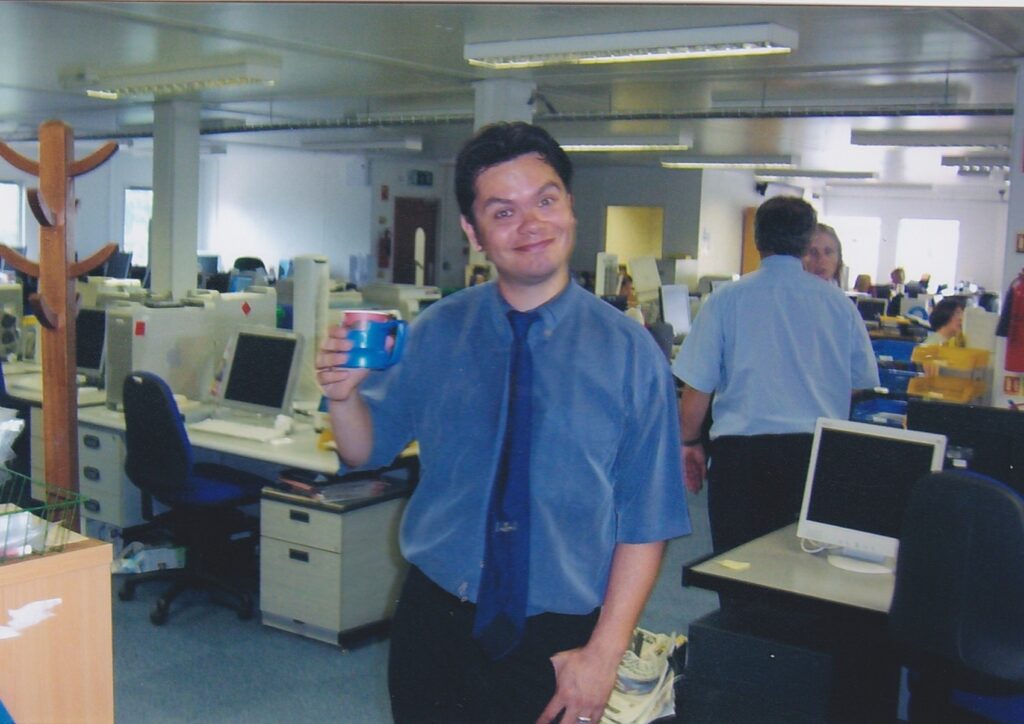
Becoming news editor at the Essex Chronicle in 2002, covering Chelmsford and surrounding towns, I moved into the realm of paid-for titles, with the security that came from selling 20,000 copies a week, and the on-site printing works meaning you could literally stop the presses for breaking news.
There were fewer young reporters, many of the staff having worked there for decades, and the editor’s focus was firmly on print, once again with little regard for their digital audience. But this attitude was commonplace nationwide, with old school editors and commercial managers alike failing to anticipate what was to come.
While Facebook (launched 2004) and Google (launched Google News in 2002) started taking a strategic approach to advertising, the regional press lacked any dynamism or initiative, plodding towards their doom. By the time anyone realised what was happening, it was far too late.
But ignoring the impending devastation of regional media for one moment, and looking at the positives during this period of my career, I continued to grow as a journalist, absorbing advice from the experienced hacks at the Chronicle, and inspirational newcomers like our deputy editor, who supported me in launching an organ donor campaign which went on to win a national industry award.
When, in the second half of the noughties, the impact of the internet started taking its toll, newsrooms were still only beginning to accept the opportunities presented by digital media.
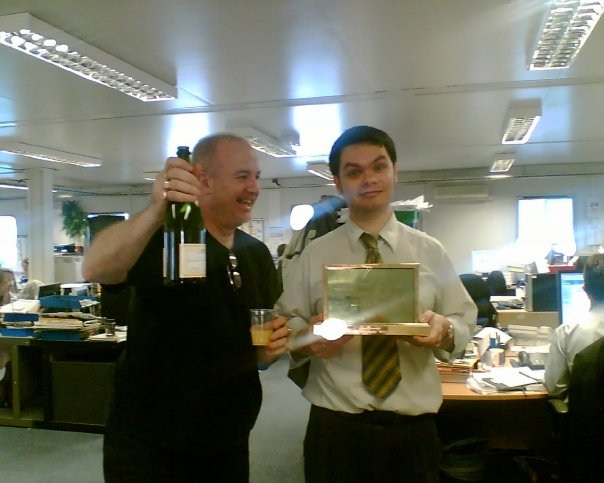
Training on a new Content Management System (CMS) took place at the Chronicle, offering a joined-up approach between print and online platforms which even included the ability to embed short video clips onto our website, but it was far too late.
The traditional audience for newspapers was dying off, and younger readers had begun sourcing their news from more immediate and accessible sources, while advertisers looked to achieve a reach far beyond anything that could be offered in print.
And even as this was happening before their eyes, many editors still held tightly onto their print-first attitudes, refusing to break news online and accepting the opportunities for change.
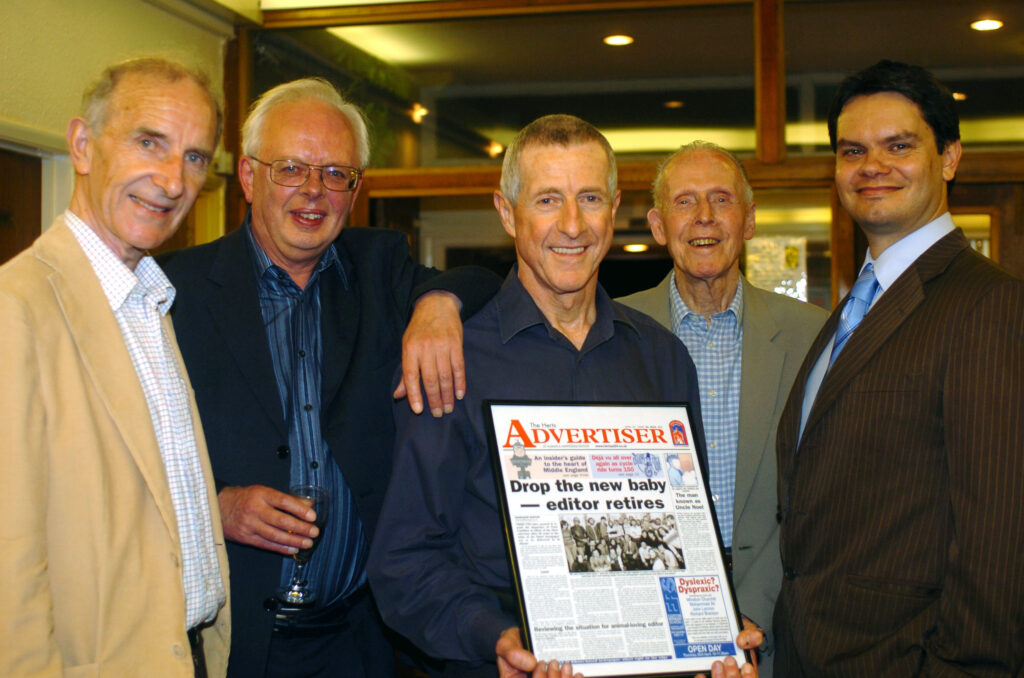
When I left the Chronicle and took over as the 13th editor of the Herts Advertiser in 2009, it was like taking a step backwards some three or four years.
Owners Archant were only just introducing a CMS system and were therefore even further behind in the race to embrace the potential of the internet. They even had a separate digital team to oversee their websites, rather than integrate the process within the day-to-day newsroom operation.
I remember trying to cover the General Election of 2010 using a tiny precursor to a laptop, which struggled with connecting to the internet and then, to my horror, couldn’t actually publish a story because the button to press would not appear on its
miniscule screen. As a result, after leaving the count at around five in the morning, I had to head into the office to publish from there.
It was also a steep learning curve coming to a new city and county, but with a news editor who had been with the title for more than 30 years, I made sure to absorb her years of knowledge of local events, while at the same time nurturing the younger reporters in what could be achieved online using my experiences at the Chronicle.
Those first few years I spent immersing myself in the local community, establishing my reputation and developing contacts, giving speeches to the Civic Society and Chamber of Commerce, jumping out of a plane for Grove House Hospice, and making sure I was invited to events like the Harpenden Highland Gathering.
I initiated an office move from an industrial estate in Porters Wood back to the heart of the city centre, initially to Town HallChambers in Market Place, and subsequently French Row, ensuring reporters were accessible to readers, and were much better placed to source stories.
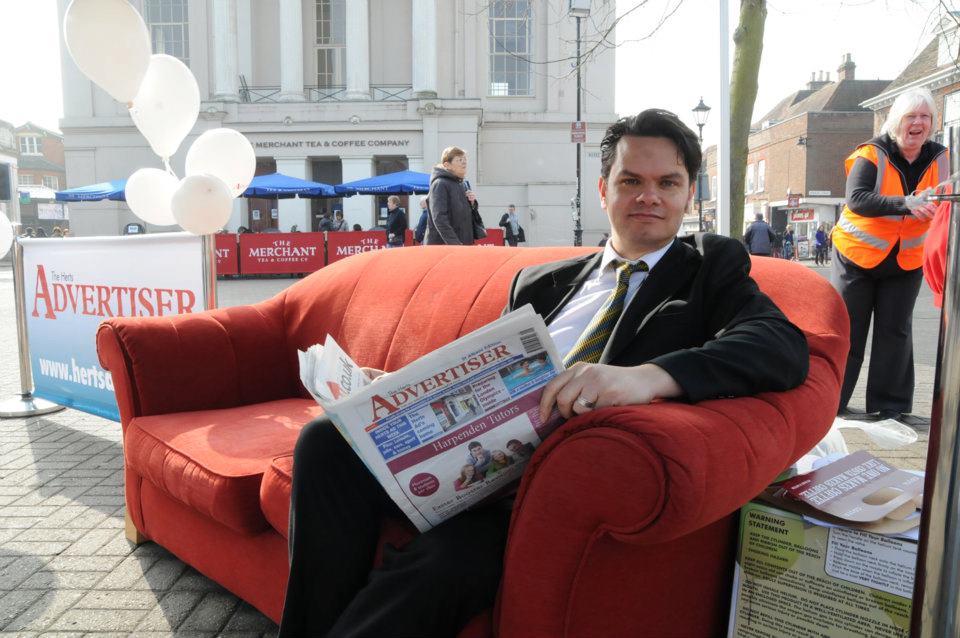
The St Albans district was a very different patch to my old haunts in Essex, but the stories were there if you looked for them, and we covered a whole swathe of different issues, from St Albans’ Apprentice candidate Luisa Zissman to the fight against a rail freight depot, the wrangles around a district Local Plan to the Bernards Heath sinkhole.
But no matter how good a job any news team was doing, behind the scenes the entire industry was imploding.
Between 2007 and 2018, when Dame Frances Cairncross published a report on an independent review into the sustainability of high-quality journalism in the UK, a quarter of all regional newspapers closed, and the number of full-time journalists fell by 25 per cent. Circulation and print advertising revenues dropped by more than half in the same period, from nearly £7 billion to just over £3 billion, and Archant felt the pain as much as anybody.
The unique selling point of a local newspaper is its content. It provides readers with information about issues which affect their town or city, and reports on events and activities taking place in that area. So what did the mainstream media publishers do in response to diminishing income? They destroyed the editorial teams that produced that content.
It started off with sub-editors; the page designers and proofers who ensured copy was clean and accurate and looked good when published. Then we lost the staff photographers, the news editors, the chief reporters and finally many of the editors themselves.
People like the legendary Terry Mitchinson, editor of the Welwyn Hatfield Times, who had been with that paper for 41 years, Madeleine Burton, the Herts Ad’s remarkable news editor, who joined the paper in 1979 and stayed with the title for 38 years, or acclaimed HA chief reporter Debbie White, who took her bulging contacts book with her when she was pushed out of the door.
Local experience, local knowledge, local talent. All lost forever, with roles either replaced with trainee reporters fresh out of college, or merged with others to create group-wide positions which covered a vast range of titles. The introduction of shared content – puzzle pages, television and film reviews etc – meant there was less room for the local stories which had been these newspapers’ bread and butter for generations.
The loss of dedicated designers saw a push towards templated pages, with reporters told to write to fit spaces, rather than the stories themselves dictating how much room they deserved. In-depth, analytical journalism became a thing of the past.
The digital strategies imposed from on high changed sporadically, as a mad panic descended upon the company. Cuts seemed the only option to stave off revenue decline, which impacted further on the quality of journalism, the number of newspapers distributed, and their reputations within their respective marketplaces.
Over time the Herts Ad’s distribution was cut from around 32,000 when I started down to the early teens, culminating in the practice of letterbox delivery ending altogether and being replaced with the current system of pick-up points at supermarkets and other locations. Of course this meant advertisers had no idea who their audience was and where they were reaching, so they pulled ads from print in favour of digital, adding to the newspaper’s decline.
Covid was perhaps the final straw, as estate agents pulled the last of their print adverts in the wake of the first lockdown. The last local offices were closed and reporters began to work from their homes, which for many trainees was their bedroom.
The on-the-job training and office mentorship which had produced numerous national journalists from the Herts Ad talent pool came abruptly to an end, never to return.
Noble experiments in turning the tide had about as much luck as King Canute. But each desperate attempt at recapturing the glory days of the regional press failed to address the simple fact that the entire industry had reacted too late to the threat posed by the internet, and would never make up for that lost time.
Reporters were told they needed to publish a quota of particular stories each week, as those were the ones which drove website traffic. So one day it might be a planning story, the next day something about local business. Any stories which did not fit this “digital playbook” were only to be covered if they could be guaranteed to do well online.
Targeted to hit a certain number of “clicks”, they also had to incorporate other tricks to capture readers, whether that was extensive Search Engine Optimisation or embedded links to related stories.
It was no longer a question of news gathering through traditional means – meetings, contacts and pounding the streets – as reporters were instead urged to trawl social media sites for leads and develop them into stories without even talking to those involved.
For me though, the most heart-breaking decision was one made on a whim. With a new business model focusing on key titles from the group portfolio, I was delighted to see the Herts Ad included among them, only for the then-editorial director to change his mind overnight and decide to withdraw even more resources from the paper. At no more than 36 pages it really was a shadow of the beast I had inherited back in 2009.
In 2022 Archant was bought out by Newsquest, publishers of the Watford Observer and the now online-only St Albans Review, and the culture changed even further. The tightly protected, historical boundaries of a newspaper’s patch were expanded to encompass disparate towns and villages miles from the heartland, in a bid to pick up digital readers from stories in those areas.
It wasn’t long before I realised I had no interest in writing about ‘5 planning applications for St Albans which might affect you’ or stories from Hemel and Elstree.
But I remained convinced that there was still an appetite for well-researched, detailed local news content, it was just that a new business model was required to disseminate this to an audience.
Parting ways with the Herts Ad after 14 years, I took some time to devise a product which I thought would provide content which was produced with a sense of positivity and passion for the city and district of St Albans, offering an editorial oversight that called on years of accumulated local knowledge and an understanding of both the marketplace and the local news agenda.
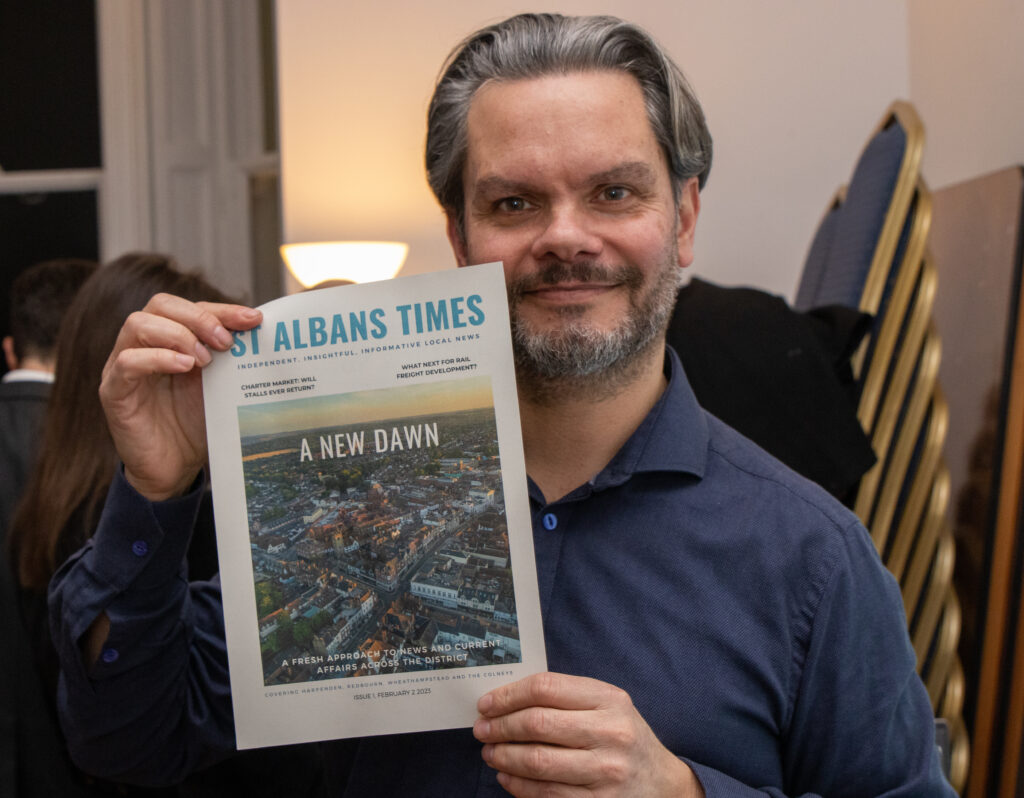
Since February 2023, the St Albans Times has been telling people what’s happening in the district, providing content which harks back to the core principles of journalism: accuracy, balance and accountability.
The digital format means pagination is no longer an issue, and it can be distributed to a much wider audience than any doorstep delivery.
It’s been a long road getting here, full of bumps and diversions along the way, but I now feel that I am once again producing a title with the same ethos seen during the early years of my career. There is a place for quality local news, opinion, features and reviews, but it’s arguably no longer within the pages of the mainstream media.
Where will find ourselves in another 30 years? Having weathered the storm which accompanied the digital revolution, hopefully further change will be an evolving process. But as the price of newsprint continues to rise and traditional advertisers diminish, the likelihood of printed papers surviving that long seems unlikely.
It only took a generation for us to see the decline and fall of the regional media empires, and we are now seeing the rise of independent digital titles across the UK, run by journalists made redundant by the mainstream publishers but who believe passionately in offering quality content their readers both desire and deserve.
As this innovative approach to local news grows and thrives, they will inevitably take the place of their printed predecessors, leaving the big publishers once again finding themselves on the wrong side of history.