15 May 2026
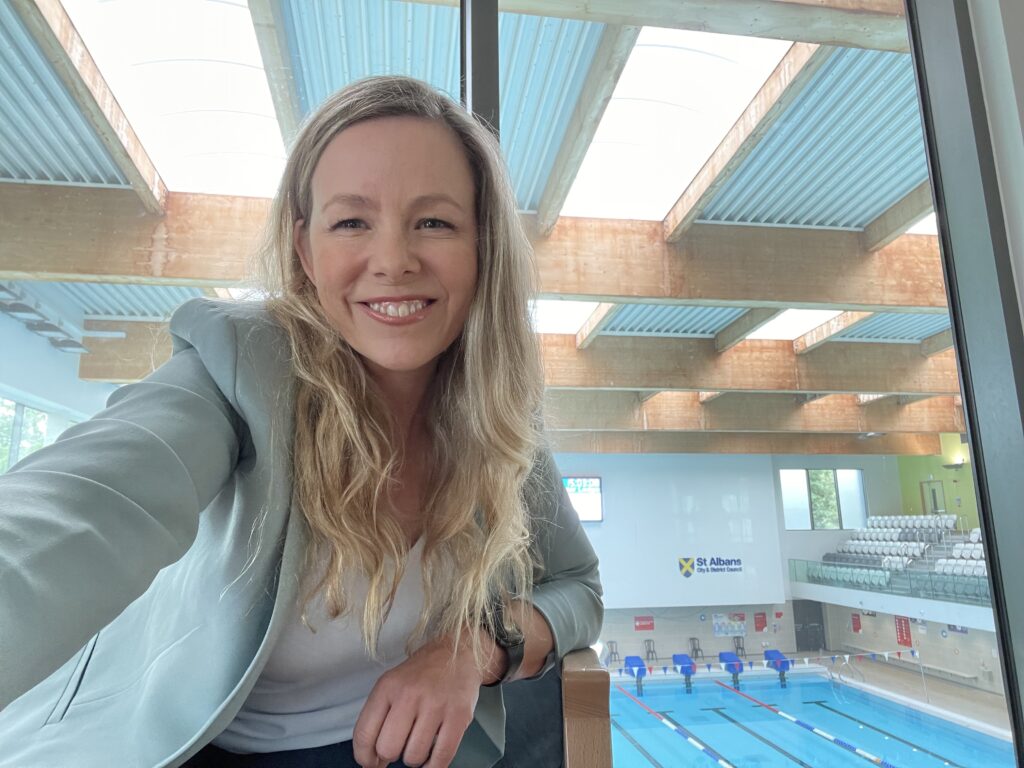
It’s OK To Say founder Stacey Turner focuses on the key message of this year’s Mental Health Awareness Week – working through our emotional trauma instead of suppressing it…
Some wounds do not need to be “got over”. They need to be heard.
Behind every anxious thought, emotional reaction or silent struggle is often a story, a lived experience that has never truly been acknowledged with compassion. Yet so many people are taught to suppress pain rather than understand it.
This Mental Health Awareness Week, perhaps it’s time to stop asking people to move on so quickly, and instead encourage them to get to the heart of what they carry.
Mental Health Awareness Week is not just about raising awareness, it is about creating more honest conversations around emotional wellbeing, trauma, stress, grief and the pressures people silently carry every day. It is a reminder that mental health is not something “other people” struggle with, it is part of all of us.
Yet despite growing awareness, many people still feel pressure to appear fine. We live in a culture that celebrates resilience, productivity and “keeping going”, often at the expense of emotional truth.
People are praised for carrying on, but rarely encouraged to slow down and ask themselves what they are carrying in the first place. So instead, many quietly disconnect from their pain rather than understand it.
We suppress feelings to cope.
We minimise experiences to avoid burdening others.
We wear masks to appear strong.
But buried pain rarely disappears. More often, it waits.
It waits in the body as tension, exhaustion or illness.
It waits in relationships as defensiveness or fear.
It waits in the mind as anxiety, shame or self-criticism.
For some, those experiences stem from obvious trauma or loss. For others, it may be years of emotional pressure, loneliness, bullying, burnout, relationship breakdowns or never feeling safe enough to express how they truly feel. Pain does not need to look dramatic to have a lasting impact.
And this is where the message of Mental Health Awareness Week matters so deeply: healing is not about pretending nothing happened.
There is a difference between “getting over it” and working through it.
Getting over something suggests bypassing the emotional reality of what happened. Working through it means leaning in, turning towards it gently and safely when we are ready. It means allowing ourselves to ask difficult questions.
What hurt me?
What have I been carrying alone?
What part of me still needs compassion?
Because when we get to the heart of our pain, something powerful begins to happen.
We gain perspective instead of remaining trapped in patterns we do not understand. We begin to separate who we are from what happened to us. Shame starts to lose its grip.
Relationships can become healthier. The nervous system feels safer. We stop surviving emotionally and begin reconnecting with ourselves more honestly.
Getting to the heart of it does not erase the past, but it can stop the past from unconsciously controlling the present.
This is not weakness. It is courage.
Trauma is not simply an event from the past; it is often an embodied experience, something stored in the nervous system, held in memories, behaviours and emotional reactions. Healing begins not when we force ourselves to forget, but when we become curious enough to listen.
That listening may happen through therapy, counselling, support groups, trusted friendships, journalling, creativity, movement or simply having one honest conversation where we finally admit, “Actually, I’m not OK.”

Mental Health Awareness Week should remind us that emotional wellbeing is not built through silence or shame. It is built through connection, compassion and support. Through communities that allow people to speak openly without fear of judgement. Through recognising that struggling does not make someone broken, it makes them human.
And perhaps one of the most important things we can all learn is this: It’s OK not to rush your healing.
It’s OK if something still affects you.
It’s OK if your story still hurts.
It’s OK To Say no when someone tells you to “just move on”.
Because healing is not a race, and emotional pain is not a personal failure.
For many people, the first real step towards healing is not strength, it is self-compassion. It is recognising that the parts of ourselves we try hardest to silence are often the parts asking most deeply to be seen, heard and understood.
So next time someone says, “Get over it,” perhaps we can respond differently, both to others and to ourselves with a No.
Not because we want to stay stuck in pain, but because true healing asks for more than denial. It asks us to get to the heart of it.
And if you’re struggling, please know this: you do not have to work through it alone. Reaching out for support is not weakness; it is wisdom. Whether through professional help or trusted community, there are people willing to walk beside you.
At It’s OK To Say, we offer free and low-cost support with clinicians to help people gain perspective, process difficult experiences and work their way through emotional pain with compassion and care.
To find out more or reach out for support, contact: support@itsoktosay.org.uk
Your painful story is not something to erase.
It is something worthy of attention.
Something worthy of healing.
And perhaps the greatest act of healing is choosing not to abandon yourself in the process.
Believe in yourself enough to know you need you and deserve more.
And It’s OK To Say NO.