


03 May 2026
Harpenden resident Jessica Grigg is currently volunteering with The Borgen Project, helping to raise awareness around global poverty and political engagement…
Global poverty can feel distant, easy to overlook when there’s plenty happening closer to home. With rising living costs and pressure on public services, it’s understandable that attention is focused locally.
But the idea that global poverty is separated from the UK isn’t quite right.
Decisions made here still have an impact elsewhere, particularly when it comes to areas like overseas aid. These choices shape access to things many people rely on every day, like clean water, healthcare and education.
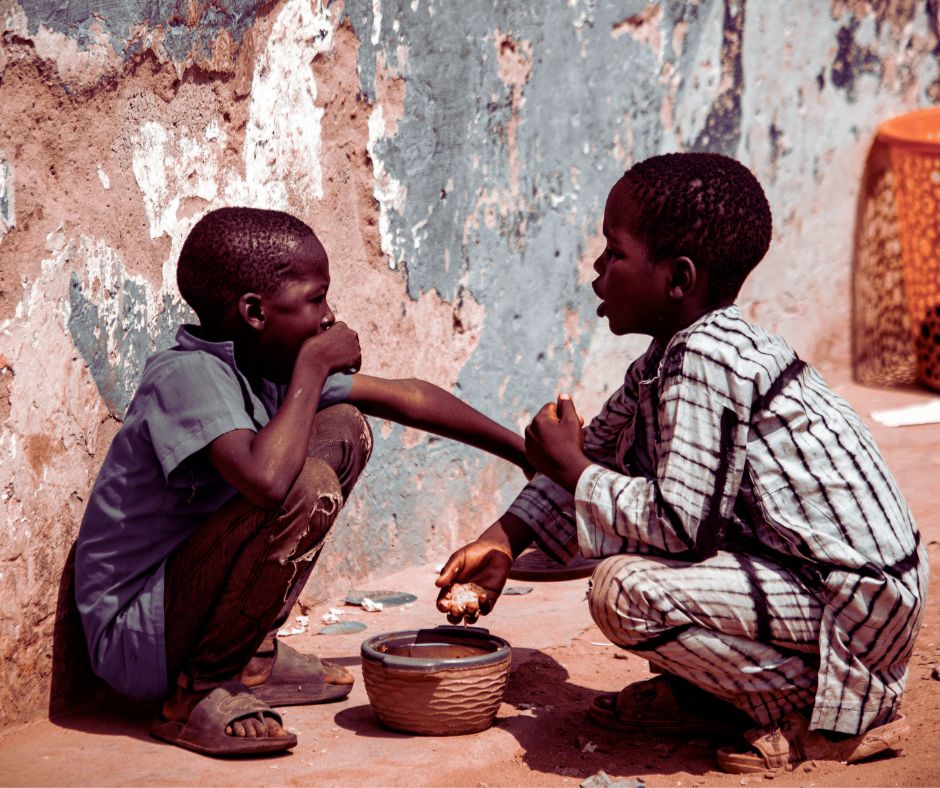
At the moment, around 700 million people are living on less than $2.15 a day. For many, that means living without consistent access to basic necessities – on a scale that is difficult to picture, and part of the reason it often fades into the background.
At the same time, progress has been made. Over the past few decades, extreme poverty has fallen significantly worldwide. That shows change is possible – but also highlights how dependent that progress is on continued attention and support. Gains can be reversed quickly, whether through conflict, economic shock or reductions in international funding. More broadly, poverty today is not only about income. More than two billion people worldwide lack reliable access to safe, nutritious food, that affects not only day-to-day survival, but long-term health, education and economic opportunity.
These are the kind of issues that development programmes and overseas aid are designed to address.
One of the reasons overseas aid is often misunderstood is that it can feel abstract.
It’s easy to picture money being sent abroad, but harder to see what that actually translates to on the ground.
In practice, most of it is directed towards specific, measurable outcomes. This can include funding vaccination programmes, supporting access to clean water,
improving maternal healthcare, or helping children stay in education. These are not long-term ideals but are immediate interventions that affect day-to-day life.
For example, relatively small investments in public health can prevent the spread of disease, reducing pressure not only on local systems but also on international ones.
Similarly, improving access to education has long-term economic effects, allowing communities to become more self-sufficient over time.
This is part of why sustained support matters. When funding is consistent, these programmes can build on progress and create stability. When it becomes unpredictable, progress can stall or reverse.
It also helps explain why these decisions are debated so heavily. Overseas aid is not just about generosity, but is about how resources are allocated, what outcomes are prioritised, and what role countries like the UK choose to play globally.
In the UK, many of the decisions that shape these outcomes are political. Funding levels, priorities and policies are set through Government choices, which are influenced, at least in part, by what constituents raise with their representatives.
MPs regularly adjust what they focus on based on the issues brought to their attention, not necessarily because they are larger, but because they are more visible.
This has direct consequences for issues like global poverty. If they are not raised, they lose visibility. If they are raised consistently, even in small numbers, they are far more likely to be discussed and prioritised.
I’m a student based in Harpenden, currently working with The Borgen Project, a non-profit organisation focused on reducing global poverty through political advocacy.
One thing that has stood out to me is how easy it is to underestimate the role individuals can play.
There’s a common assumption that global poverty is too large or too complex for individuals to influence. In reality, much of the progress that has been made in this area has come from sustained political attention, and something that, as constituents, we have a role in shaping.
That’s where the local connection becomes more relevant than it might first appear.
Residents in Harpenden and St Albans are represented in Parliament, and the issues they raise contribute to what gets attention.
While a single message might seem insignificant, collective engagement does have an effect, often with fewer people involved than most would expect.
The bigger challenge is that many people don’t engage at all, largely because they don’t think it will make a difference.
There are also wider reasons why global poverty should remain part of public discussion in the UK. Poverty and inequality can contribute to instability, which has global effects economically, politically and socially.
These effects don’t remain isolated, and over time they feed back into wider global challenges.
Recent events also show how quickly situations can deteriorate when attention and support fall away. The ongoing conflict in Sudan, for example, has created one of the world’s largest humanitarian crises, with millions displaced and facing severe food insecurity. Situations like this do not develop is isolation, but are shaped by a combination of conflict, economic pressure and limited access to support.
While crisis of this scale cannot be solved locally in towns and cities like Harpenden and St Albans, they do highlight the importance of sustained international engagement. When attention shifts elsewhere, funding and political focus often follow, making it harder for effective responses to be maintained. It’s a reminder that global poverty is not static, and that progress depends on continued awareness as much as policy.
Situations like this highlight why attention matters. None of this is about suggesting that people should ignore the challenges closer to home, but it’s about recognising that global and local issues exist alongside each other. Attention isn’t a fixed resource that has to be given to only one.
In practical terms, the actions involved are small.
Staying informed, having conversations, or contacting your MP to ask about their position on overseas aid and poverty reduction are all straightforward steps.
They don’t take much time, and on their own they may not seem significant. But collectively, they help shape what gets attention and what doesn’t.
Keeping it on the agenda doesn’t require dramatic action. It just requires people not to ignore it completely.
