07 Nov 2024
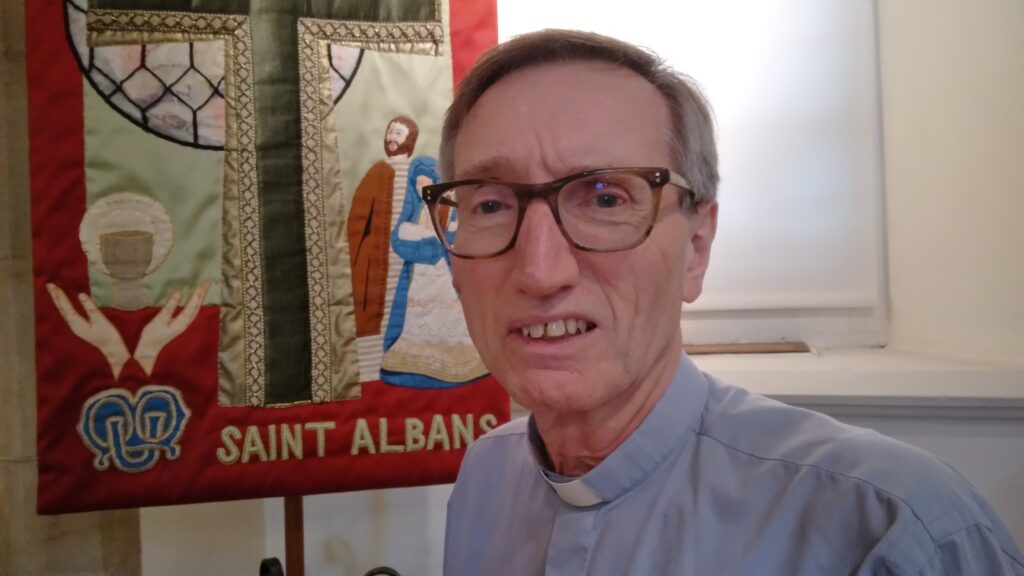
Rev Peter Crumpler, Associate Minister at St Paul’s Church, Fleetville, reflects on the importance of remembering those lost to war…
History, they say, repeats itself. It has to, because no one is listening.
Maybe that’s the lesson for this Remembrance Sunday, being marked this weekend (November 10) in St Albans and Harpenden, in Redbourn, Wheathampstead, Sandridge,
London Colney, and in numerous other local communities.
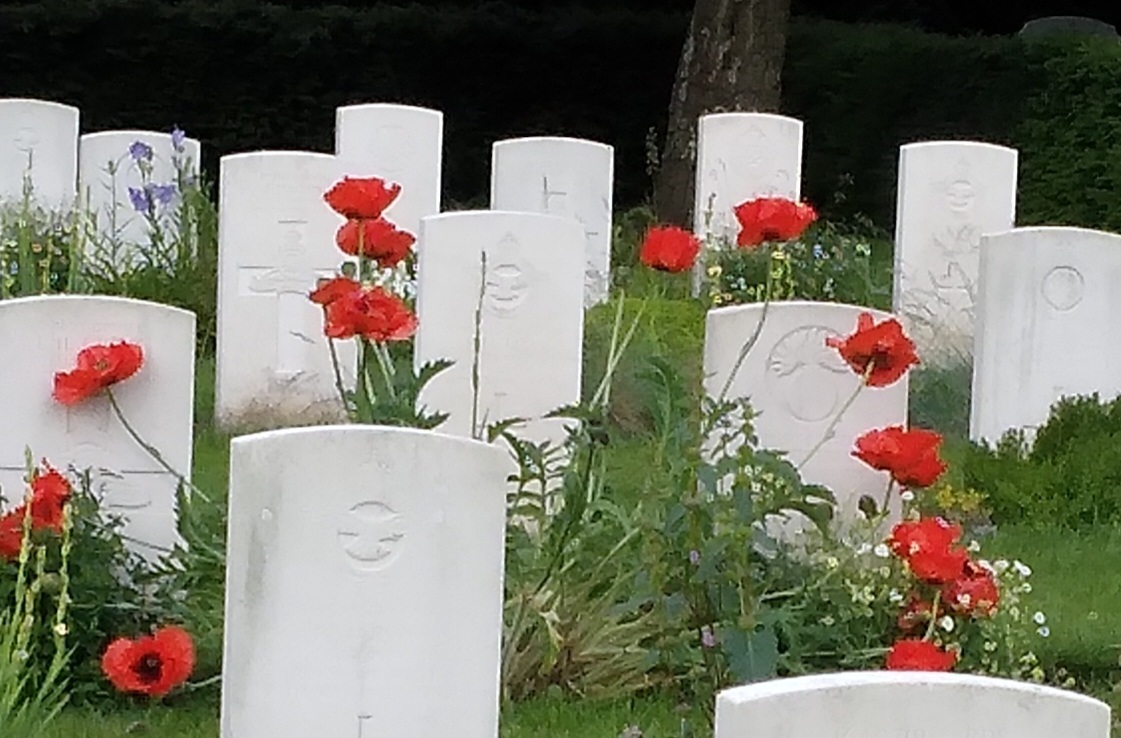
Each of the young servicepeople buried in the Hatfield Road cemetery and other cemeteries across our area has a story to tell. Many of them experienced the horrors of the frontline conflict in the First and Second World Wars.
Others fought in Korea, the Falklands, the Gulf or many other battles that have taken place in recent decades.
And, as I write, war is raging in the Middle East, in Ukraine and in the Sudan, to name just a few of the global conflicts. This Remembrance Sunday, the world feels a much more fractious, fragile place than for many years.
How to respond?
Remembering is part of the solution. We together recall the loss of lives and the tragedies of past wars and resolve to learn the lessons of the past. We don’t let the sacrifices of past generations get forgotten.
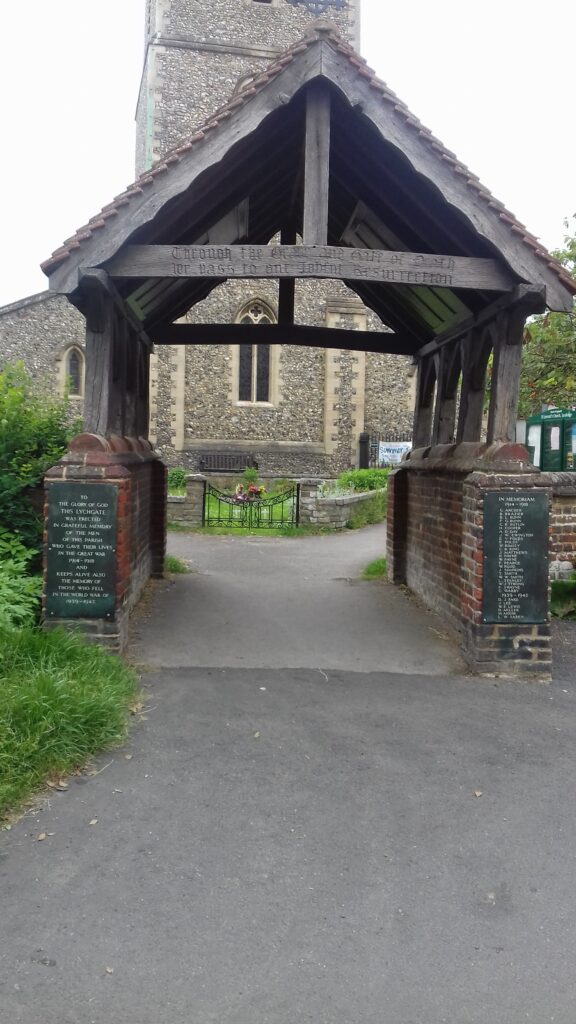
It was good, for example, to see the recent renovation of the historic lych gate at St Leonard’s Church, Sandridge. It’s important these war memorials do not slip into disrepair… and be forgotten.
I also think it’s important to remember each individual life lost to war. To remember always that each person lost was a unique individual, a mother or father, a daughter or son.
Recently, I joined a tour of the Commonwealth War Graves at Hatfield Road Cemetery, Fleetville, led by a volunteer from the charity that maintains them. He pointed out several of the graves and told us the story behind them. Who the individual was, and how they came to be buried in this cemetery – in some cases, many thousands of miles from their home.
When I look at the lines of the white graves and see how each of them is identified by their regiment and their age – some so very young – I reflect on how this is telling just part of their story. Many of them were not professional servicepeople. They were volunteers, who had left behind their day jobs to serve their country. Some may have only been in the forces for a short while. Yet, they are frozen in time as soldiers. War has taken them.
As a Christian minister, I honour all those who have given their lives for others – just as Jesus Christ did in dying to bring new life to all those who follow him.
But I also want to honour those women and men engaged in much less high-profile work, those who work in diplomacy, in international organisations, in charities and commissions helping to promote greater understanding and build bridges between people.
Their work is often unglamourous and painstaking. Seeking to build trust between communities that are suspicious of each other. Seeking to avoid conflict, talking rather than fighting.
So this weekend, I shall honour those who gave their lives, with those who serve in today’s armed forces. And those who work tirelessly, without fanfare or publicity, to ensure that peace can be maintained or restored.
As Jesus said, “Blessed are the peacemakers, for they will be called sons of God.”