


16 Oct 2023
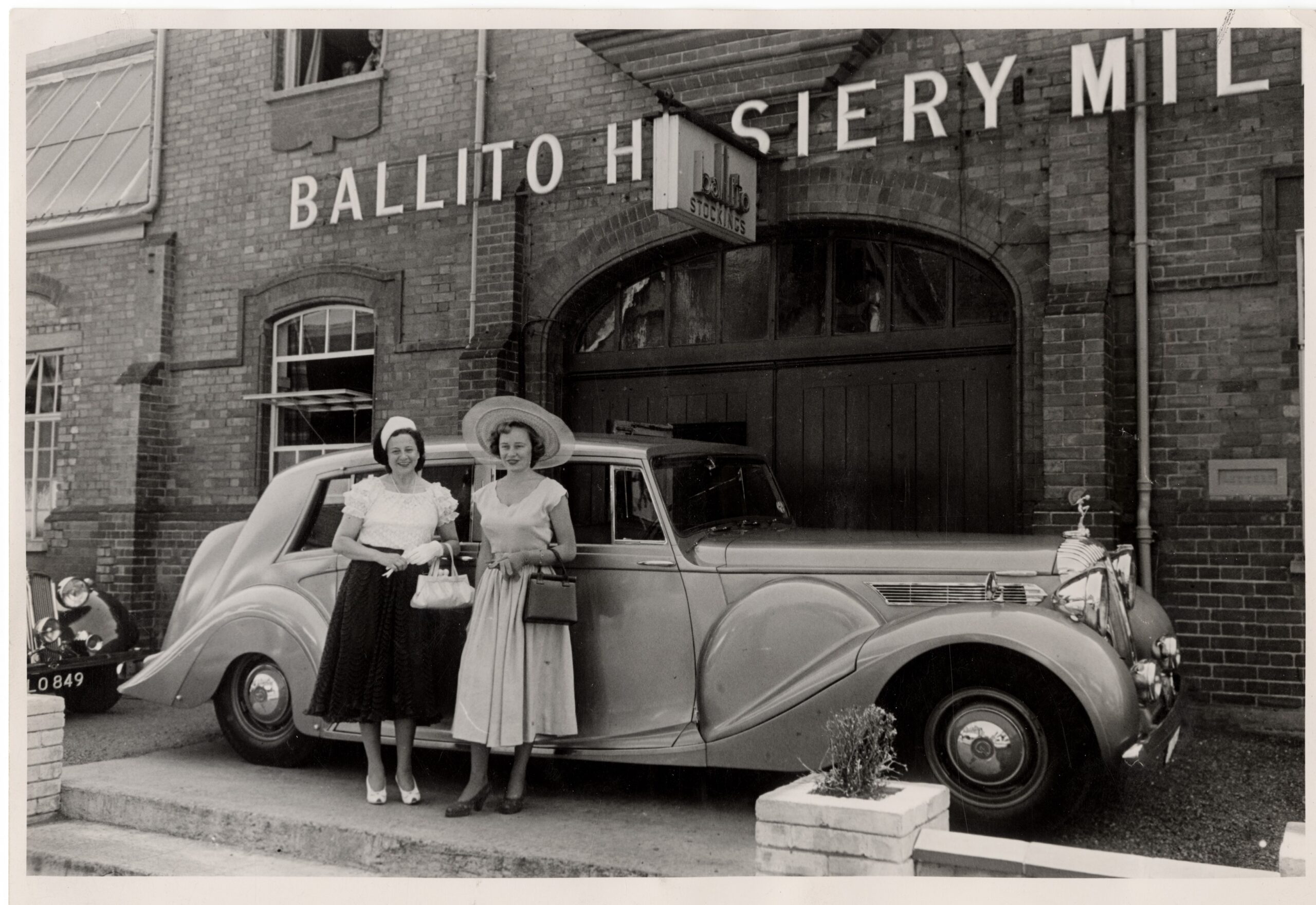
A new exhibition at St Albans Museum tells the story of Fleetville’s Ballington Hosiery Mill, which manufactured everything from delicate stockings to robust artillery shells between the 1920s and the 1960s.
The name Ballito is believed to have originated from the company’s first hosiery mill in Ballington, Tennessee. In the early 20th century, New-York brothers Alexander and Charles Kotzin took advantage of the growing demand for silk stockings after the First World War and began importing the popular products to the UK. When new import duties threatened the profits of the new businesses, the duo acquired an old factory in Fleetville, and technicians were brought over from Tennessee to install machines and train new employees.
The Ballington Hosiery Mill opened in August 1925 – on the site of what is now Morrisons – and, within four years, was manufacturing more than 14,000 pairs of stockings each month.
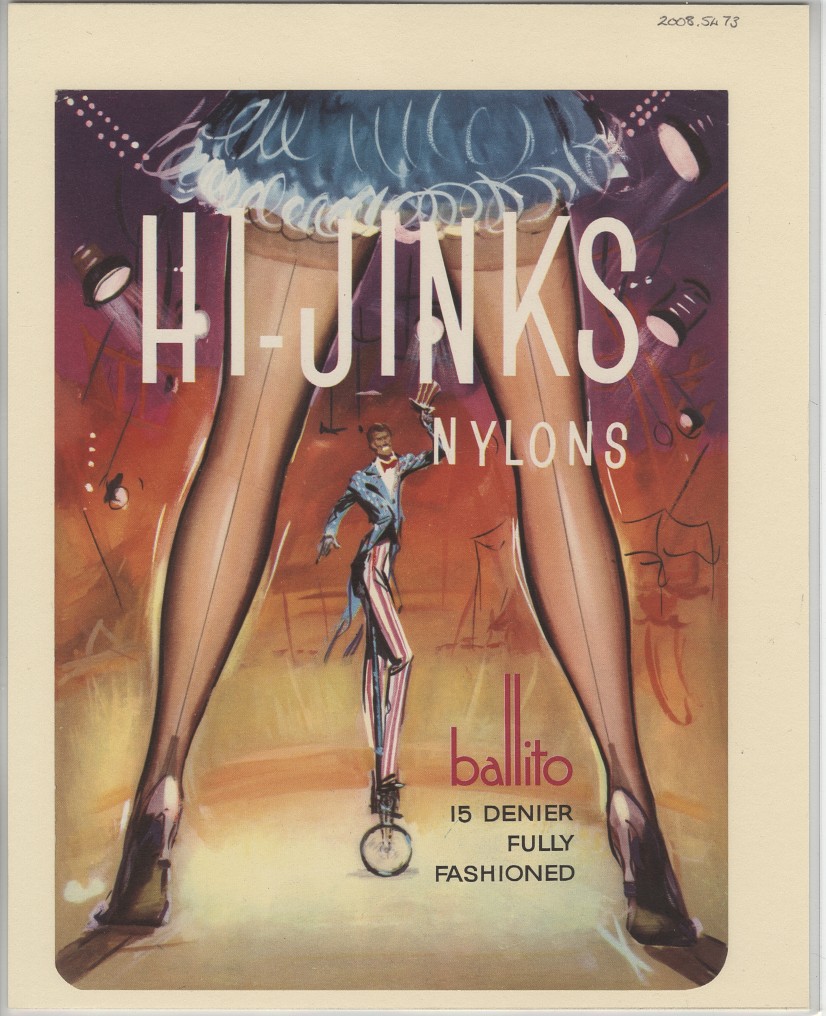
Ballito Bombshells recounts the stories of its employees – from their rigorous work to popular social events at the mill – and charts the history of the factory itself. Visitors will be able to enjoy a selection of the striking designs that made Ballito so memorable, a rundown of the machinery used in production, and an insight into the company’s role in the Second World War.

The social life at Ballito was an integral part of the employee experience. In the early 1930s, the company created a social hall and canteen that became so popular that the facilities were expanded a few years later to accommodate space for more clubs and activities (and underground shelters as war loomed on the horizon). Some of the most popular social sessions were boxing and Saturday night dancing, including the ‘Ballito Tango’- a dance specially created by M. Pierre of the famous Regent Street School of Dancing. Employees spoke so highly of the activities that locals began to join in. By the 1950s, Ballito had even acquired its own sports fields in St Albans.
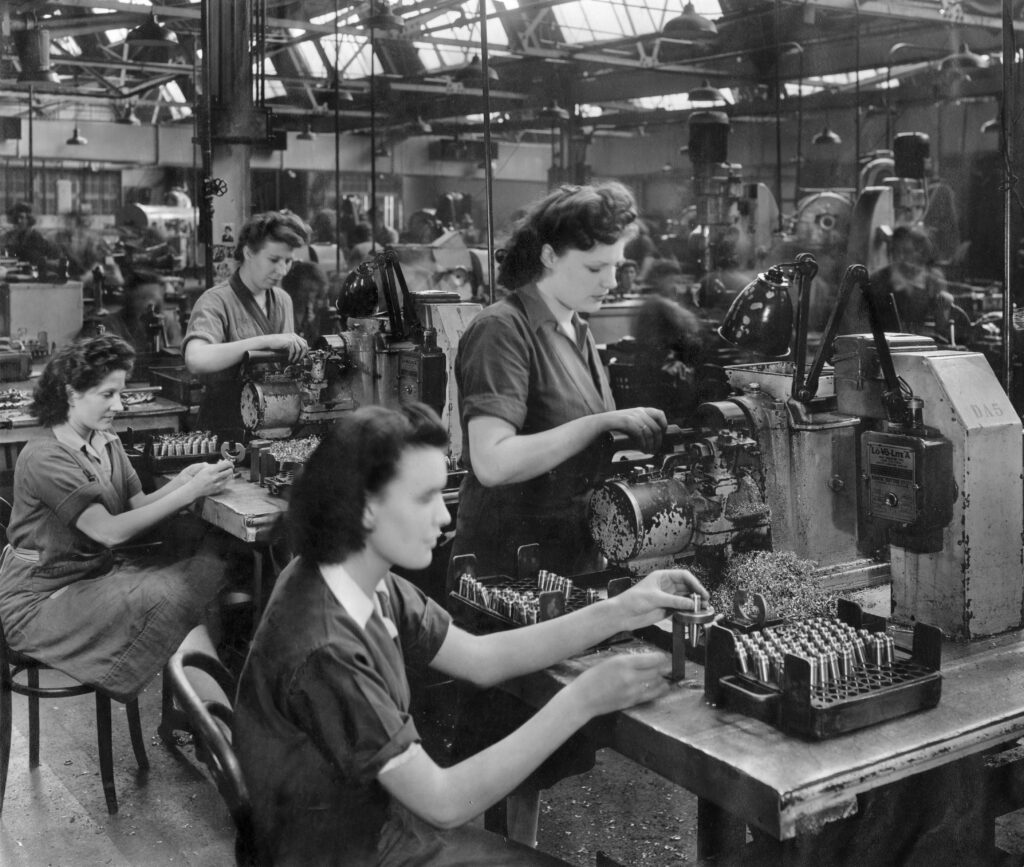
The Fleetville factory was commandeered in 1939 as part of the war effort. Hosiery machines were pushed aside to make room for larger machines that would facilitate the creation of shell casings. Two-shift – day and night – working days were introduced to ensure a constant level of production. The premises would also go on to manufacture parts for de Havilland Mosquito and Tempest fighter planes as well as radar equipment. A small group of employees maintained some stocking production for the home markets.
Farhana Begum, SADC arts, tourism, heritage and culture manager and head of St Albans Museums, explained: “Ballito Bombshells is a compelling exhibition that gives us an insight into life at the Ballington Hosiery Mill like never before. It is an exciting opportunity to understand more about the industrial history of St Albans and its role in the war, as well as the varied lives of its employees.
“We are thrilled to showcase Ballito’s intriguing story in our Keeper’s Galleries at St Albans Museum + Gallery, which offers visitors a fitting stage on which to enjoy this historical and delightful tale.”
Curator Sarah Keeling added: “A history so close to home, it is an honour to be sharing the story of the Ballito and their crucial and varied roles within the company and community. It’s a story of hard work, determination and glamour which Fleetville and St Albans should be proud of. I encourage everyone to discover more at the exhibition starting at the end of October.”
Import pressures and shareholder control got the best of Ballito in 1967 when Courtauld bid successfully for the company. Unfortunately, Courtauld was only keen to buy the Ballito name and reputation, the reality of its veiled promise to maintain the manufacture of hosiery in the area. The Ballito management had to announce the high level of redundancies to its employees. Ironically, Marconi Instruments – the business responsible for the assembly of radar equipment at the Fleetville factory during the war – went on to lease space in the factory to expand its production line.
Ballito Bombshells officially opens on October 20 and will run until February. Unique gifts inspired by the collection including postcards featuring the enigmatic Ballito designs will be available to purchase from the shop.

