18 Nov 2026
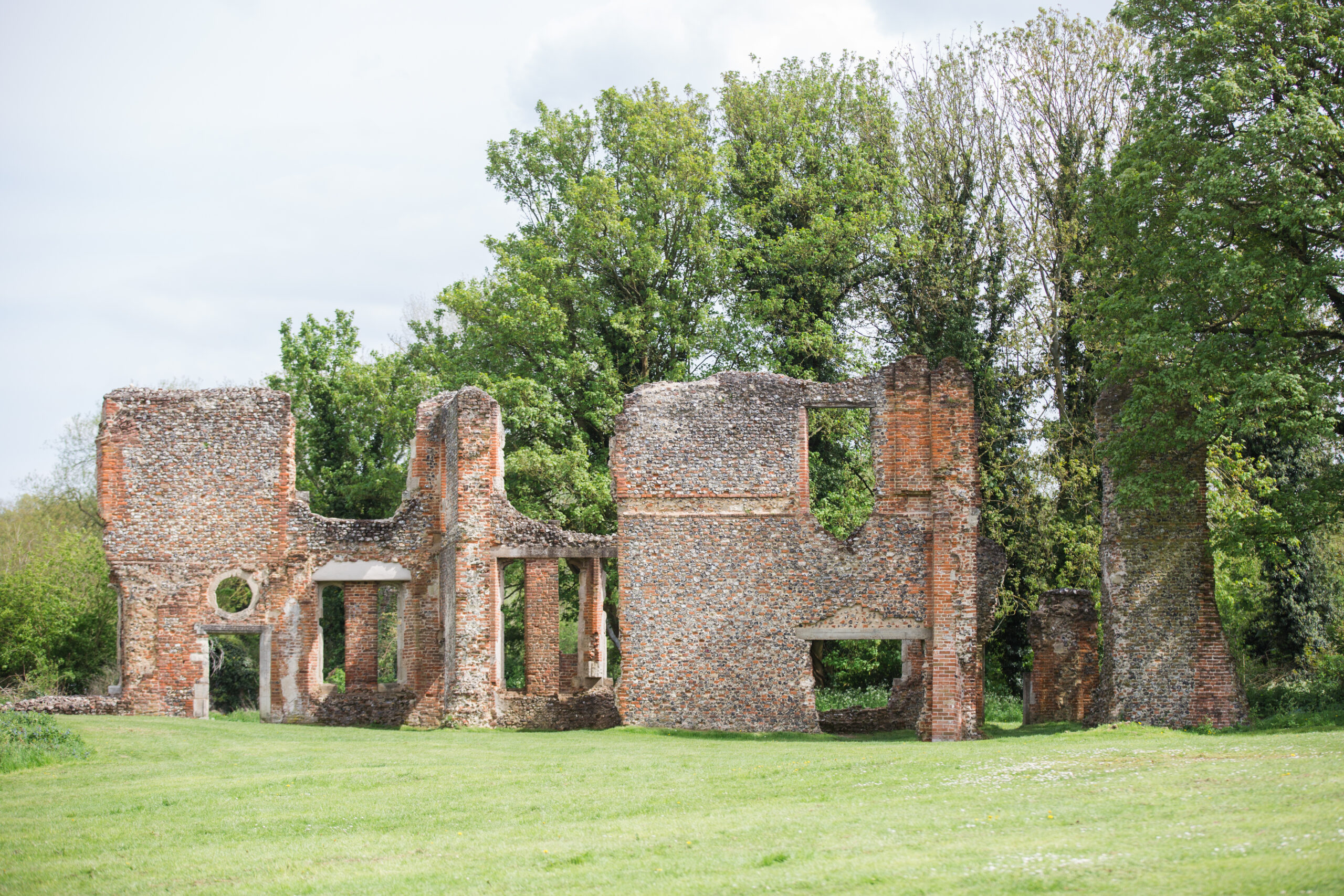
For most residents of St Albans, the legacy of Sir Richard Lee can be seen in the remnants of a building which has been misnamed – the so-called Sopwell Nunnery Ruins.
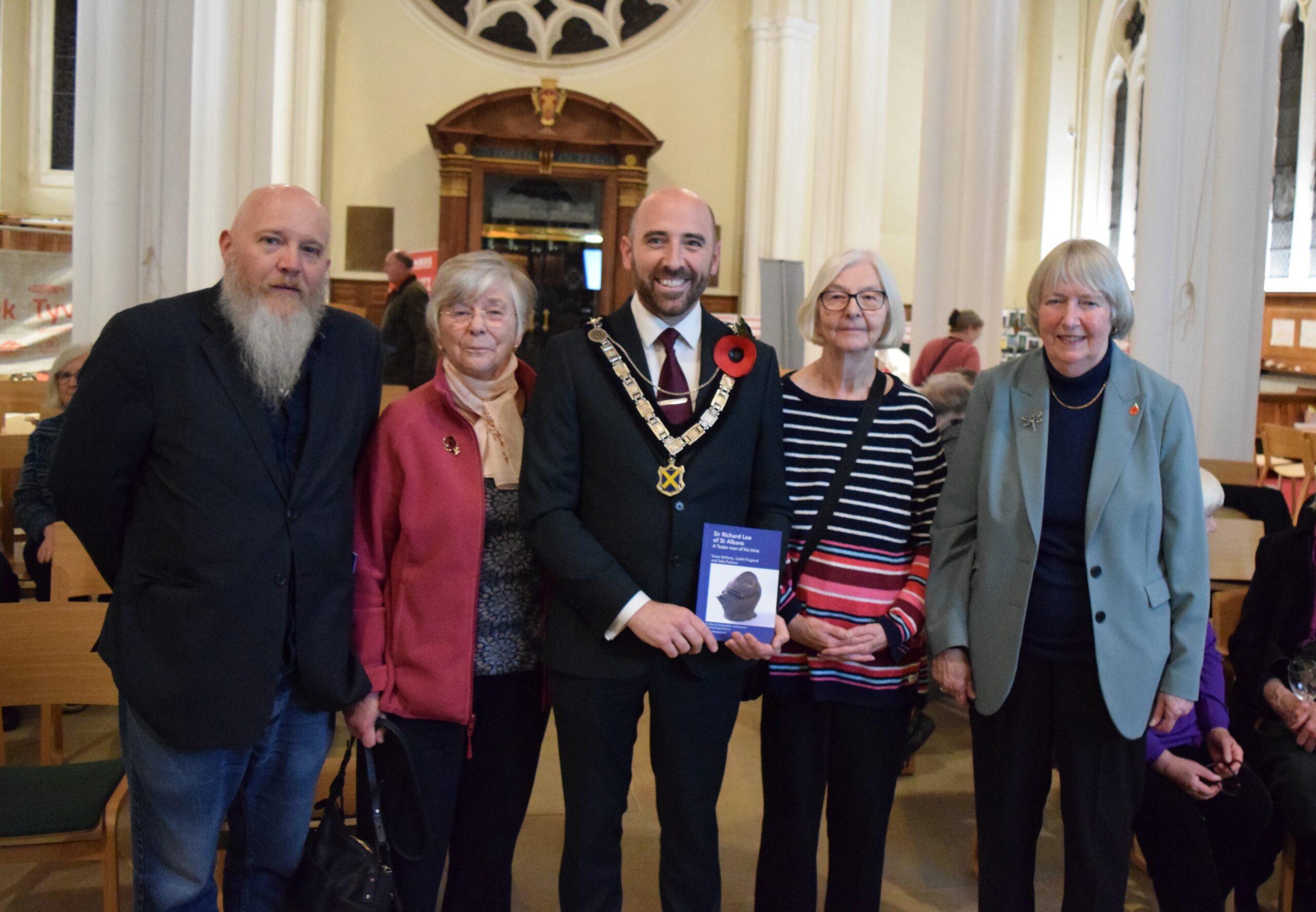
But local authors Susan Bellamy, Judith Fingland and Sally Pearson want to change that. by restoring the reputation of one of the most influential men in Tudor St Albans.
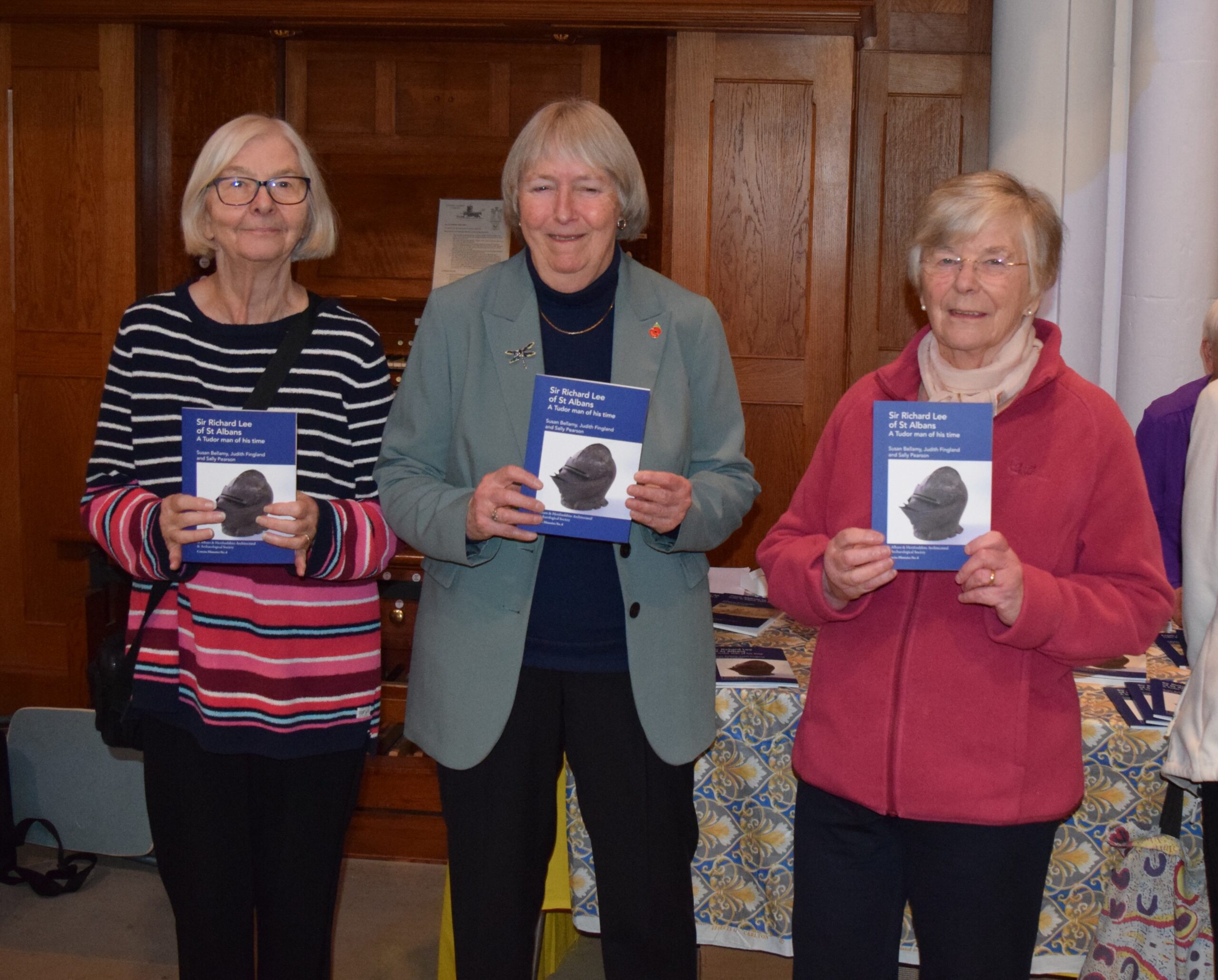
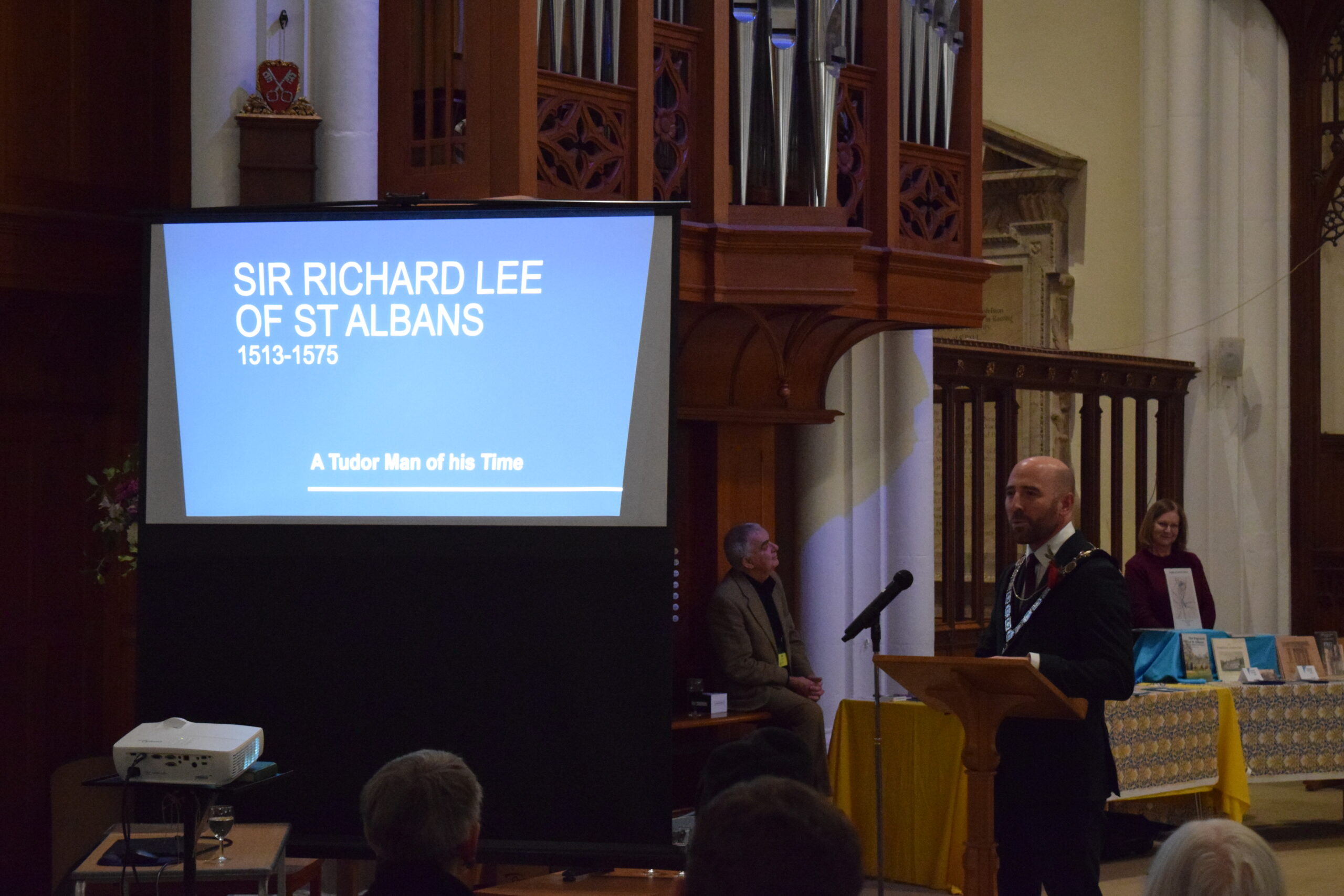
Their book Sir Richard Lee of St Albans examines the life and times of the skilled military engineer, who designed and built fortifications to defend England against France and Scotland under four successive monarchs.
Rewarded with land and property, much as a result of the dissolution, he created a substantial estate at Sopwell on the site of the former priory, the ruins of which can be seen today.
He was appointed bailiff for Sopwell by 1536-7 and St Albans in 1544, served as JP from 1543-61 and 1562-75, and was briefly MP in 1545. But he has a rather negative reputation locally as the man responsible for removing stone from the dissolved monastery and derelict abbey site for his own building projects, even though there is no evidence from the time that this was in any way reprehensible.
Further afield he fought against Scotland in the War of Rough Wooing (1544), during which time he was involved in the pillaging of Holyrood Abbey, bringing back a brass font which he presented to the abbey church, and the Dunkeld Lectern which he gave to St Stephen’s Church. He died in 1575 and is buried at St Peter’s Church.
The new book, part of St Albans and Hertfordshire Architectural and Archaeological Society’s Concise Histories series, aims to recover Lee’s reputation, showing how he used his power and influence to benefit the local community in St Albans.
Meanwhile, the full story of St Albans during the Tudor period is revealed in another SAHAAS book, From Abbots to Mayors: Tudor St Albans 1539-80, which is edited by Ailsa Herbert and Jonathan Mein.
For almost 750 years, St Albans Abbey had dominated the town which had grown up around its walls, controlling many aspects of local life, with its power and influence stretching even further, including land holdings across much of south-west Herts.
But in 1539 all of this was to change, as Henry VIII’s Dissolution of the Monasteries forced the dispersal of the Abbey’s monks, its land was seized and treasures confiscated, leaving a huge vacuum at the heart of local government.
The impact transformed the nearby town forever, with its people having to adapt quickly to the rapidly changing circumstances of the time, with five different monarchs pursuing different approaches following the end of Papal control.
There is little firm evidence about how the town was governed following the removal of the abbot, and it wasn’t until 1553 that Edward VI granted St Albans a charter, vesting responsibility for many of the Abbey’s former functions in the hands of a mayor and burgesses.
This also granted the abbey church to the new Corporation of St Albans, which included the responsibility of keeping it in a state of repair, a seemingly impossible task for such a small body.
The charter brought certainty to the government of the town, set out the corporation’s geographic scope, and named the Mayor (initially John Lockey, and after elections Henry Gape) and the 10 principle burgesses who formed the ‘Common Council’. It provided a period of stability following the uncertainty after the dissolution, with government of the town now in the hands of local men with long ancestries.
The corporation controlled the market, from which it could derive income, and was gifted the Clock Tower and the inaugural Town Hall on the corner of Upper Dagnall Street and Market Place by the Crown.
It was also permitted to sell freedoms, the liberty to trade within the borough boundaries, and lease properties within its estate.
The reign of the young Edward VI brought a renewed focus on Protestantism, with an Act of Parliament in 1549 requiring the removal of images from churches. It was during this period that the shrines of St Alban and St Amphibalus may have been broken up and used as infill for a nearby wall, the abbey’s wall paintings were covered with whitewash, the statues on the high altar screen were defaced and destroyed, and stained glass windows smashed. Hopes that the abbey would be refounded under the Catholic revival of Queen Mary were dashed with her death in November 1558.
Copies of both books can be ordered here.
Ruins photo: Cecelina Tornberg
Book launch: Andy Lawrence