


24 Oct 2026
MP Daisy Cooper has expressed her disappointment after Prime Minister Andy Burnham told her that he would not be moving forward with plans for an inpatient unit to free up mental health beds in St Albans.
Herts continues to have the lowest number of mental health inpatient beds per head of population in England, leaving many residents who are experiencing acute mental health crises without access to local support.
Some families have reported that their loved ones were placed in facilities far from home due to a lack of available beds nearby, limiting essential contact with familiar support networks at a critical time, whilst also pushing up local NHS spend on private beds miles away.
Daisy raised this issue with the previous Conservative government in 2023 but they failed to act.
Earlier this year she met with Labour’s Hospitals Minister to raise the need for additional capacity, and to highlight Hertfordshire Partnership Foundation Trust’s (HPFT) proposal for a new facility in Stevenage. The proposed development would help increase the number of inpatient beds in the county and ease pressure on existing mental health services in West Hertfordshire.
Kingfisher Court in Radlett and Albany Lodge in St Albans both take inpatients but there is much more demand for beds for people suffering mental ill health.
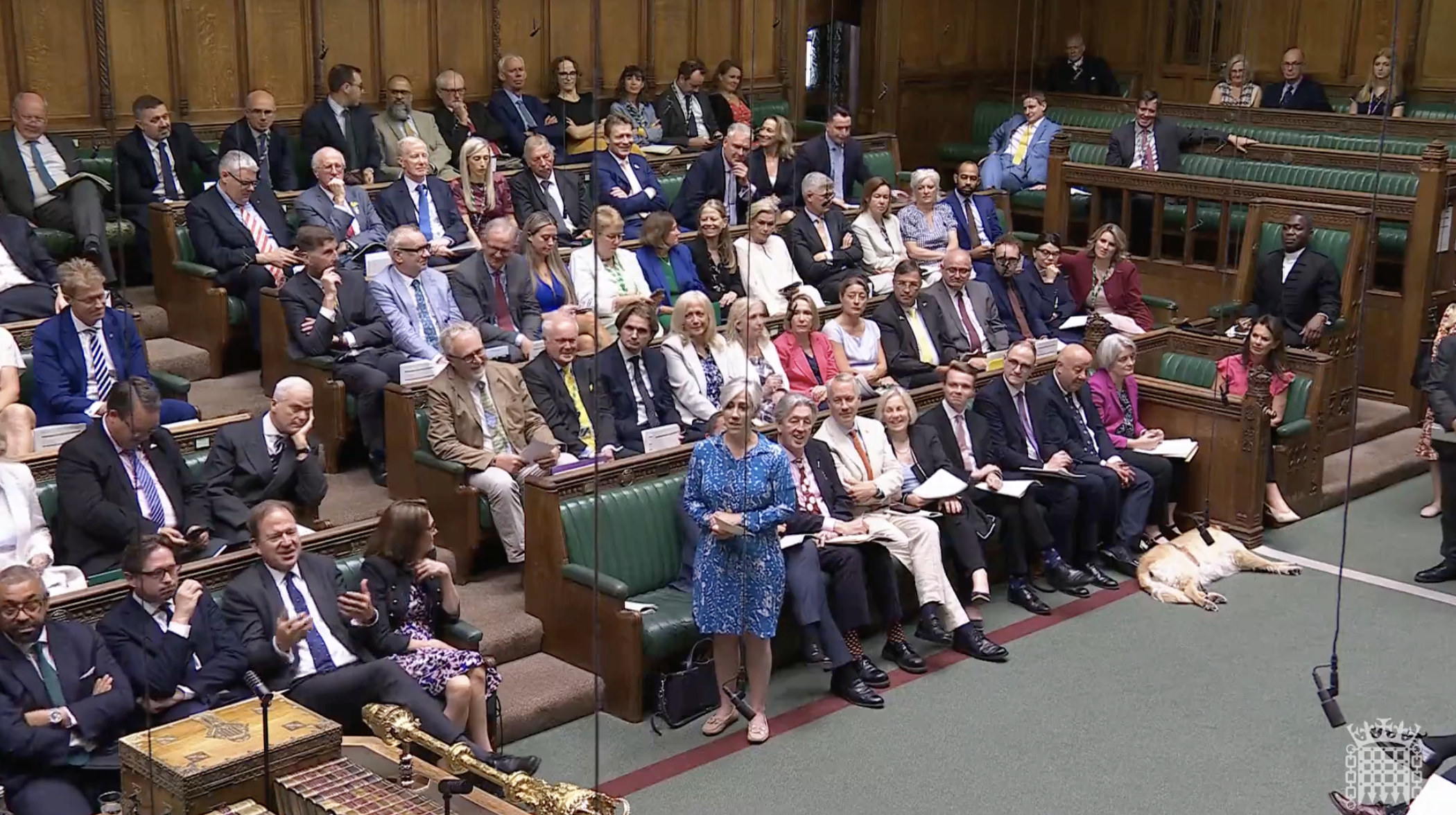
But at Prime Minister’s Questions last Wednesday she was told that government would not be considering the proposed Stevenage mental health unit.
Daisy told the St Albans Times: “It was deeply disappointing that the Prime Minister refused to back this proposal, which would begin to pay for itself as soon as it was built.
“I’ve heard heartbreaking stories from St Albans families whose loved ones have been sent hundreds of miles away from home when in a mental health crisis, just to get the inpatient care they need. When people are at their most vulnerable, sending them hundreds of miles away from their support networks undermines their recovery and costs the tax-payer a huge amount in paying for private beds.
“Back in December 2025, Hertfordshire had fewer inpatient mental health beds per head than anywhere in England. Whilst there have been improvements, there is still a desperate need for a new inpatient mental health hub.
“The proposal I raised with the Prime Minister – for a new facility in Stevenage that would ease the pressures on inpatient facilities in our local area – would begin to pay for itself as soon as it opened. I know that he understands the importance of ‘invest to save’ as a principle in public spending because he himself has used the argument, so I’m deeply disappointed that he hasn’t stuck to his principles in considering this idea.
“Whilst it’s welcome that the Prime Minister confirmed we will be getting four new community mental health centres in Hertfordshire, which might for example provide counselling, this isn’t a substitute for the new inpatient beds our county needs for those who are in acute crisis.
“Nonetheless, I’ll work with the Government and our local mental health provider to ensure these new centres deliver some of the services that people in St Albans and across Hertfordshire need.”
We asked the Cabinet Office a series of questions relating to the proposals.
Why are you not backing an inpatient unit in Herts?
What makes you think early intervention is the better option? (Is this based on specific evidence in another area, for example?)
What would you say to people who are having to visit their loved ones in crisis hundreds of miles away at other units around the country?
They twice refused to answer but supplied a statement from a spokesperson for the department of Health and Social Care. It said: “We are transforming mental health services so people can get the right support earlier and closer to home, and inpatient care when they need it.
“We’re investing £343 million in mental health facilities across England, including four new community centres across Hertfordshire, so people can get help earlier and closer to home.”
“Alongside this, we made £75 million available last year to help localise mental health inpatient care and remain committed to ending out-of-area placements.”
