14 Oct 2026
Elena Hogg, founder of local culinary company FOOD by Elena, has some cookery shortcuts which won’t add to your food waste…
I’m ashamed to admit it, but a quick weekly clear-out of the fridge’s crisper drawer saw yet another half-used pack of fresh coriander leaves head for the food waste today. It looked not unlike algae and smelled a fair bit worse.
A knob of wrinkly ginger that was turning blue-green at the cut end joined the coriander, as did a forgotten lime that had been zested and so was dried up and harder than a rock.
These are some of my favourite flavour-boosters but, as you can see, they don’t always get full use made of them. This is where the kitchen larder flavour hacks come into play in all their glory. Ingredients or concoctions that have a huge impact on taste, but an excellent shelf-life, too.
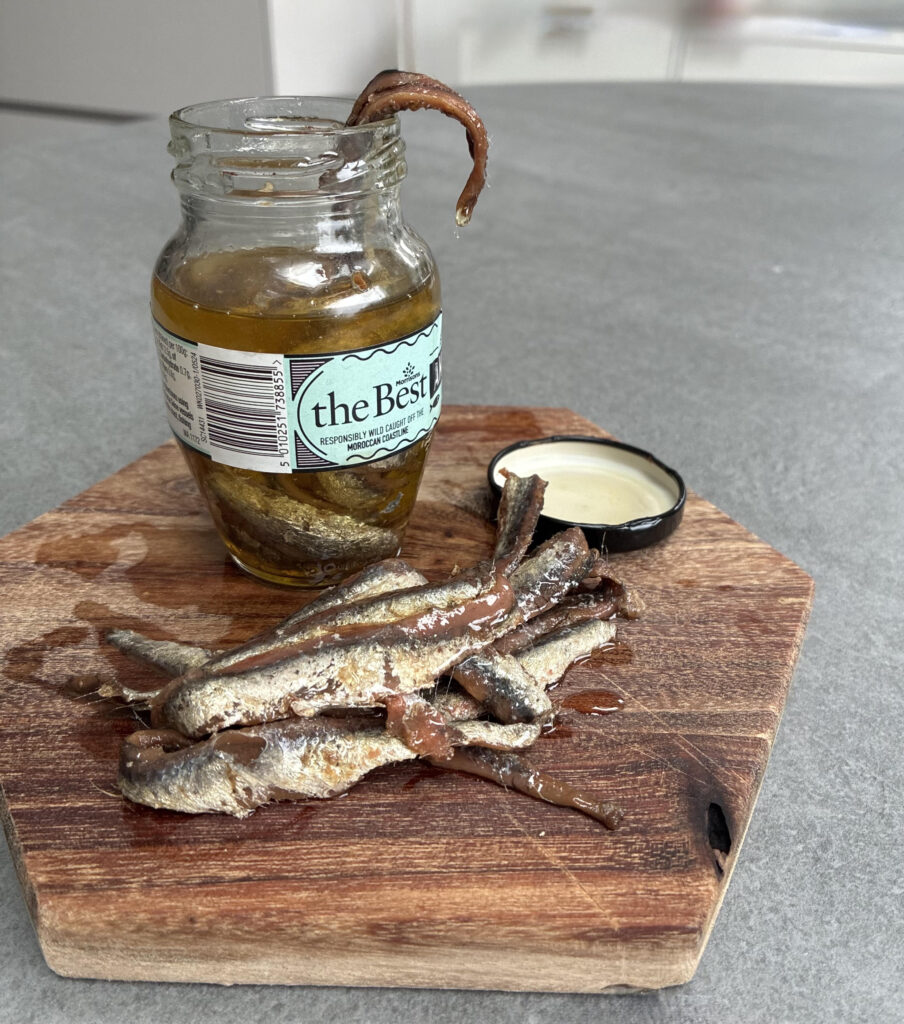
One of the front runners which pulls double shifts in my kitchen is the trusty jar of anchovy fillets.
Now, unfurrow your brow, reader, because these beauties don’t add the overpowering fishiness you’d expect, but rather a saline depth to whatever you’re cooking, be it a lentil soup or a pasta sauce.
The anchovies dissolve in heated oil, so you’re left with dispersed flavour rather than the aggressive punch that biting down on a whole fillet would give you. Store them in the fridge, making sure they’re submerged in their oil, and you extend the shelf-life considerably.
Every bit as umami-rich (but suitable for vegan diets), there’s miso paste and black garlic ketchup. Neither of these get any peace in my kitchen. They are wonderful additions to any dressing or jus and, in the case of the miso, a clever way to pimp up a pudding, too.
Add a spoonful or two to your favourite cookie recipe for a trendy twist to your teatime treat or, if you don’t fancy baking, just whisk some into store-bought toffee sauce to bring a salty edge to your vanilla ice cream.
Another store cupboard hack is to swap your tins of coconut milk for a block of coconut paste. How many times do you pull a small Tupperware of coconut milk out of the fridge because you can’t remember how long it’s been there, all because you only needed half the tin in the first place?
The block of coconut paste takes up less room, keeps for ages, and you can make up exactly how much you need.
It’s eminently more versatile, too, because if you want a coconutty richness without the volume of liquid, you can just grate it directly into your recipe. I use it to enrich Thai-inspired noodle soups and broths, because adding a tin of coconut milk would dilute the other flavours too much.
My final nugget of wisdom for you is this: keep a bottle of cider in your larder.
I’m not suggesting this so you can take the edge off when a recipe’s gone wrong, but because it’s very useful for dishes that require white wine, or sherry.
Cider is not only cheaper than both sherry and wine, but stores just fine in the cupboard with just its screw-top lid. It does go flat, but that doesn’t impact its flavour, so it doesn’t matter.
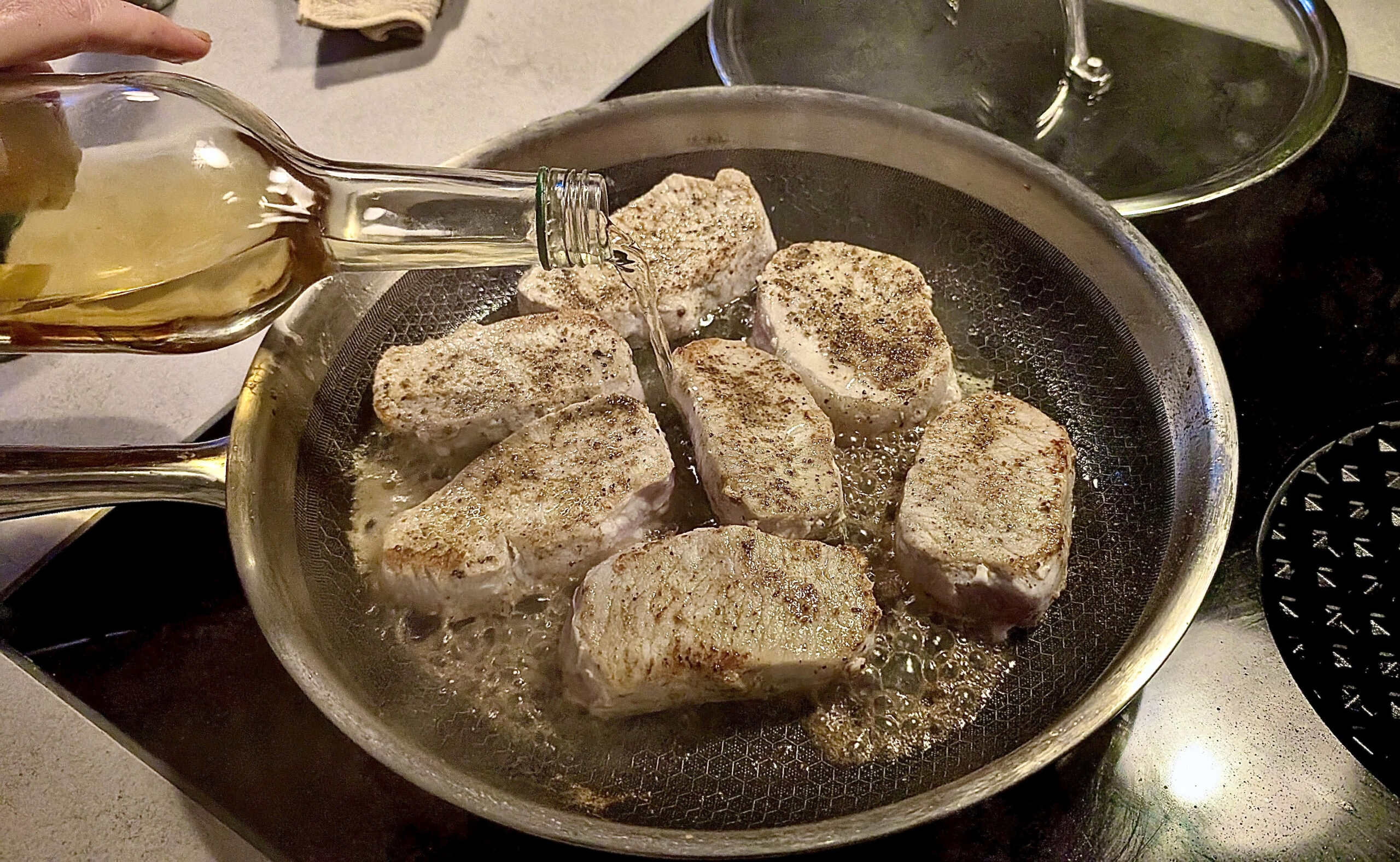
I use it whenever I’m pan-frying pork steaks or chicken breasts: sear the seasoned pieces of meat as you would usually in the pan, then once coloured nicely on one side, flip them over and add a good glug of cider and some sage or thyme, if you have any to hand. Pop on the lid and let the cider bubble and steam, infusing its apple-y tang into the meat and, at the same time, minimising the risk of your meat going dry and tough.
Once the meat’s cooked through, take it out the pan to rest, during which time you can whack up the heat and allow the meat juices and cider to combine and reduce: the cider adds depth, fruity zing and a balancing dose of sweetness. Feel free to add a teaspoon of your favourite mustard (another excellent store cupboard hero) for a little heat, and drizzle over your meat before eating. It tastes like a fancy reduction that’s taken hours of tasting and tweaking, but in fact is quick and effortless.
Cheffy sans le schleppy.