


22 Aug 2026
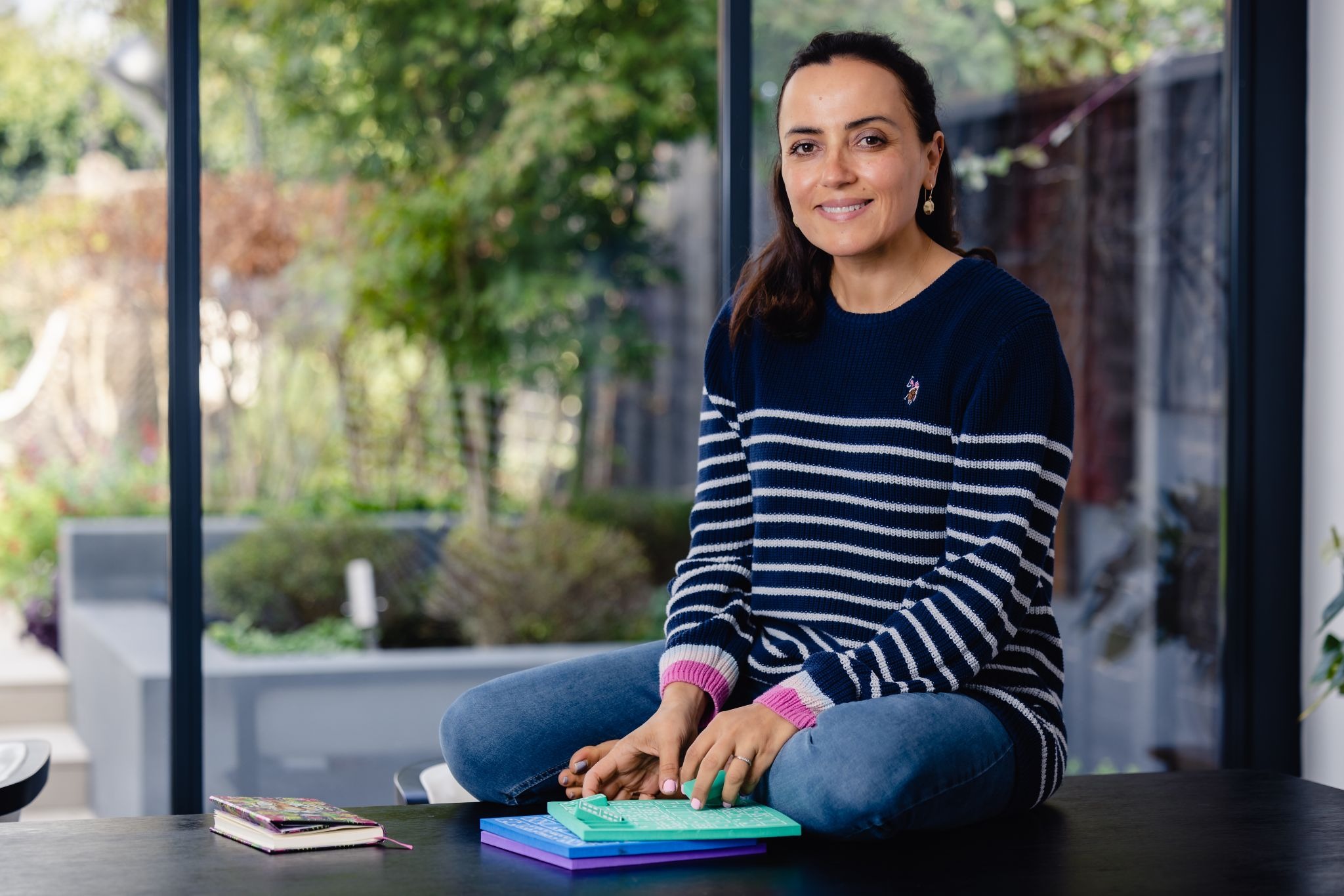
Belle Cottingham – St Albans-based educational specialist and editor at educational resource publishers Olivia Press gives her perspective on this year’s GCSE maths results.
It’s been a tough year for foundation GCSE maths, with the pass boundaries going up. However, St Albans remains above the national average and has a lot to be proud of.
This year, foundation GCSE maths grade boundaries rose by approximately three per cent compared to 2025. Despite these more demanding conditions, students across St Albans and the wider Hertfordshire area have consistently performed above national averages.
Every year, around 800,000 students across the country take GCSE maths. Students can take foundation maths, where the maximum grade available is a 5, or the higher maths paper, where students can achieve up to a Grade 9.
This year, the boundaries for achieving like-for-like grades compared with 2025 were around three to four per cent lower on the higher paper. On the foundation paper, however, they were around three per cent higher.
For students, that difference can be significant. As St Albans-based educational specialist, Belle Cottingham, said: “Foundation maths isn’t an easy exam to pass. The percentage needed to achieve a pass is high, and that can be incredibly challenging for students who are already finding maths difficult.”
In St Albans, 3,570 students took GCSE maths this year, with 60.8 per cent achieving at least a Grade 4. That is ahead of the national figure for England, where 57.2 per cent achieved a Grade 4 or above. Hertfordshire performed particularly strongly, with 66.1 per cent of students achieving a Grade 4 or above.
There is some good news further up the grades too. While the overall pass rate has fallen, the percentage of students achieving Grades 6–9 has increased across St Albans, Hertfordshire and England. This suggests that the tougher results at the pass level may be linked particularly to students sitting the foundation maths paper. And the results from the Higher paper are genuinely impressive.
In St Albans, 26.2 per cent of students achieved a Grade 7 or above. That compares with 23.5 per cent across Hertfordshire and 16.8 per cent nationally. The number achieving the very highest grade, a Grade 9, did fall slightly in St Albans, from seven per cent in 2025 to 6.5 per cent this year. But that still compares very favourably with 3.4 per cent across England and 5.4 per cent in Hertfordshire. For anyone disappointed with their results today, it is important to remember just how tough this year’s exams have been.
And this is not just a St Albans issue. With the goundation boundaries higher nationally, more students across the country may find themselves disappointed by their results, even where they have worked incredibly hard and performed well.
“If you are disappointed , please don’t think that your result tells the whole story,” Belle said. “The foundation paper has been tough, and the percentage needed to achieve a pass is high. Students should be proud of the work they have put in, regardless of the number on the piece of paper.
“It is equally important that we celebrate those students who are delighted with their results. For students in St Albans who have achieved Grades 8 and 9, this is a huge achievement. These are exceptionally strong results, and our local schools should be incredibly proud of the students who have achieved them”.
The higher maths results in St Albans remain outstanding, particularly when compared with national averages, and they are something worth celebrating. At the same time, we need to make sure we don’t overlook those students who have found maths more difficult.
The foundation paper is intended to provide a route to a GCSE pass, but this year’s results show just how challenging that route can be. It is widely recognised that students need to perform very strongly across their papers to achieve a strong pass on foundation.
That raises an important point – perhaps the idea that foundation maths is simply the “easier” option is something of a myth. There could be a number of reasons behind this year’s results. The changing curriculum and the increased emphasis on applying mathematical knowledge may have made some aspects particularly difficult for students who already find maths challenging. There may also be other, more specific issues within individual educational settings. We cannot know for certain from the results alone.
What we do know is that, while St Albans continues to perform very strongly at the higher end of GCSE maths, there may be more that can be done to support those students sitting foundation.
As educators, that is something we need to remain mindful of. But this week’s results are ultimately about the students. To those who are celebrating, well done. A Grade 8 or 9 in GCSE maths is a fantastic achievement, and the St Albans school system should be very proud of the young people who have achieved those results.
And to those who are disappointed, remember that one set of exam results does not define you or what you can go on to achieve. This has been a tough year for GCSE maths, particularly for those sitting foundation. Whatever the grade on the page, every student who has worked hard and got themselves to this point deserves recognition. There is plenty for St Albans to be proud of.
