28 Jul 2026
New regular testing by the Ver Valley Society has revealed declining water quality in the River Ver – especially in periods of hot weather.
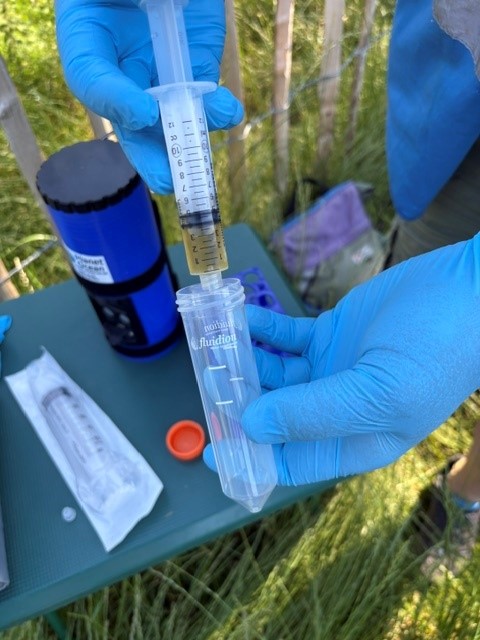
In response to concerns last summer about the high levels of E coli in the Ver, especially when sewage was being discharged directly into the river near Flamstead, the society has invested in a new piece of equipment that gives same-day results rather than relying on laboratory scores a week or two later.
The ALERT One analyser, as used during the 2022 Paris Olympics to test the Seine before events in the river is now being deployed by groups like River Action to test the Thames and Wye.
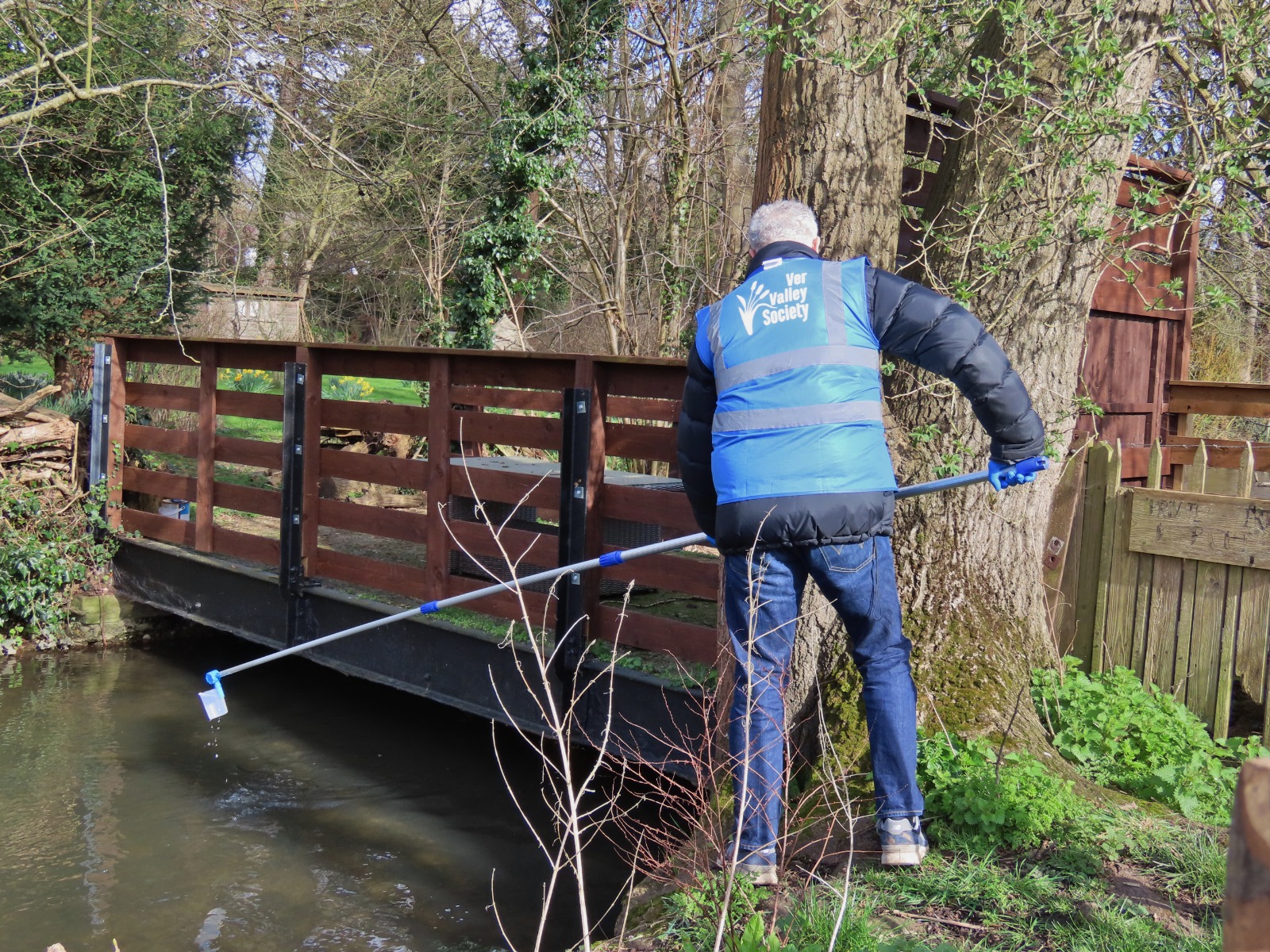
The ad hoc spot testing has been taking place in Verulamium Park and results show, that on some days, E coli levels are five times the level recommended for bathing. Levels of more than 5,000 colony forming units (cfu) have been recorded in 100ml of water. The Environment Agency rate anything above 900cfu per 100ml as ‘poor’ and below the standard for bathing.
There have been no known sewage discharges for months, so the combination of natural contaminants and unusually high water temperatures – over 26°C has been recorded in the Ver itself – is a more likely cause.
Results are published on the Sociey’s website weekly at www.riverver.co.uk/e-coli-monitoring
Chairman John Pritchard said: The message is ‘Take care if you visit the Ver’.
“One word of caution, the results can only provide a general guide to water quality as it’s not a like-for-like testing with official analysis, which is based on several years’ samples and takes place at designated bathing waters (which the Ver does not have). Nonetheless, it does give river users more information than was available in the past.
“The results underline SADC’s long-standing position which advises against bathing or swimming in any rivers or lakes.”