24 Jan 2026
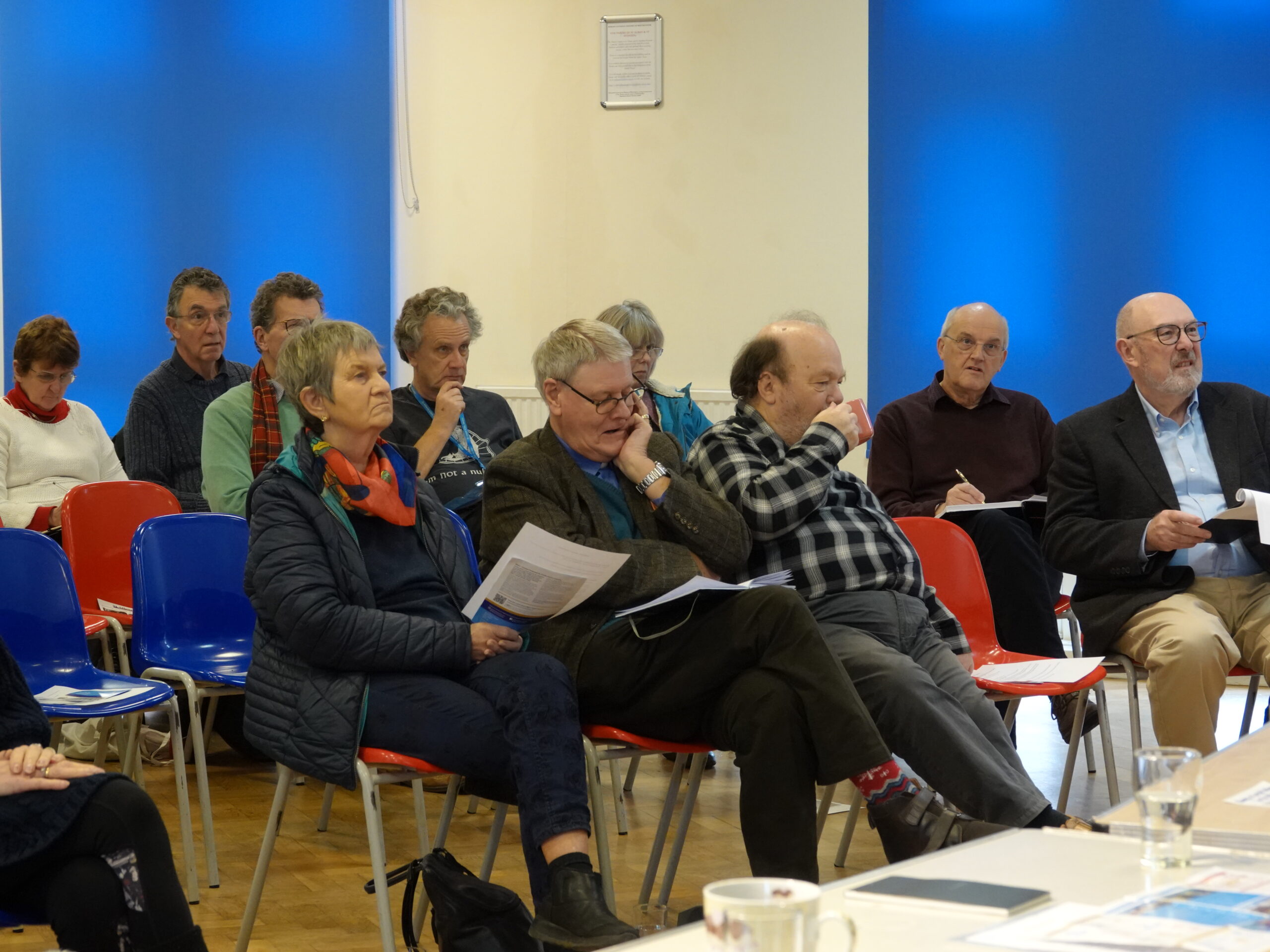
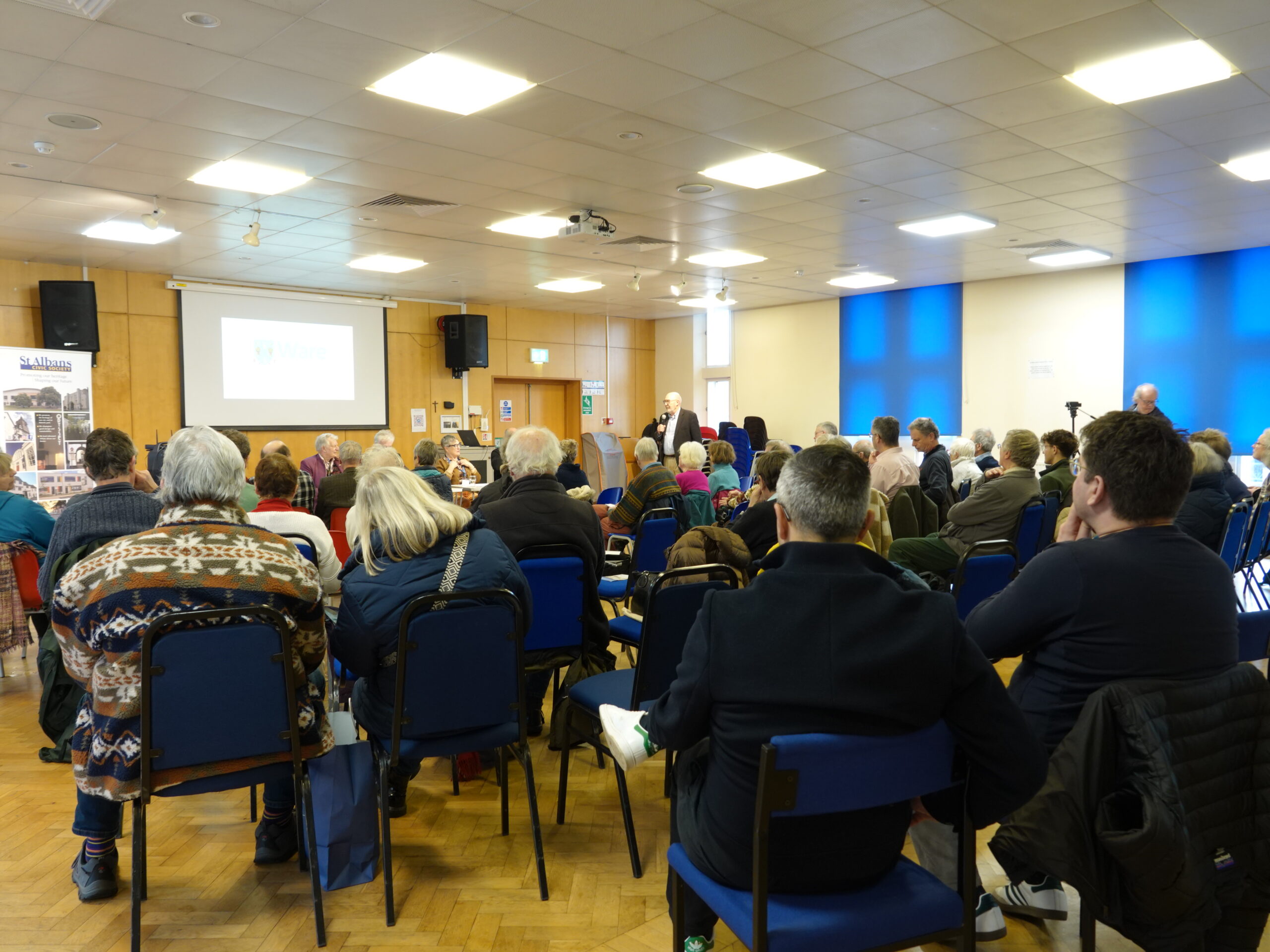
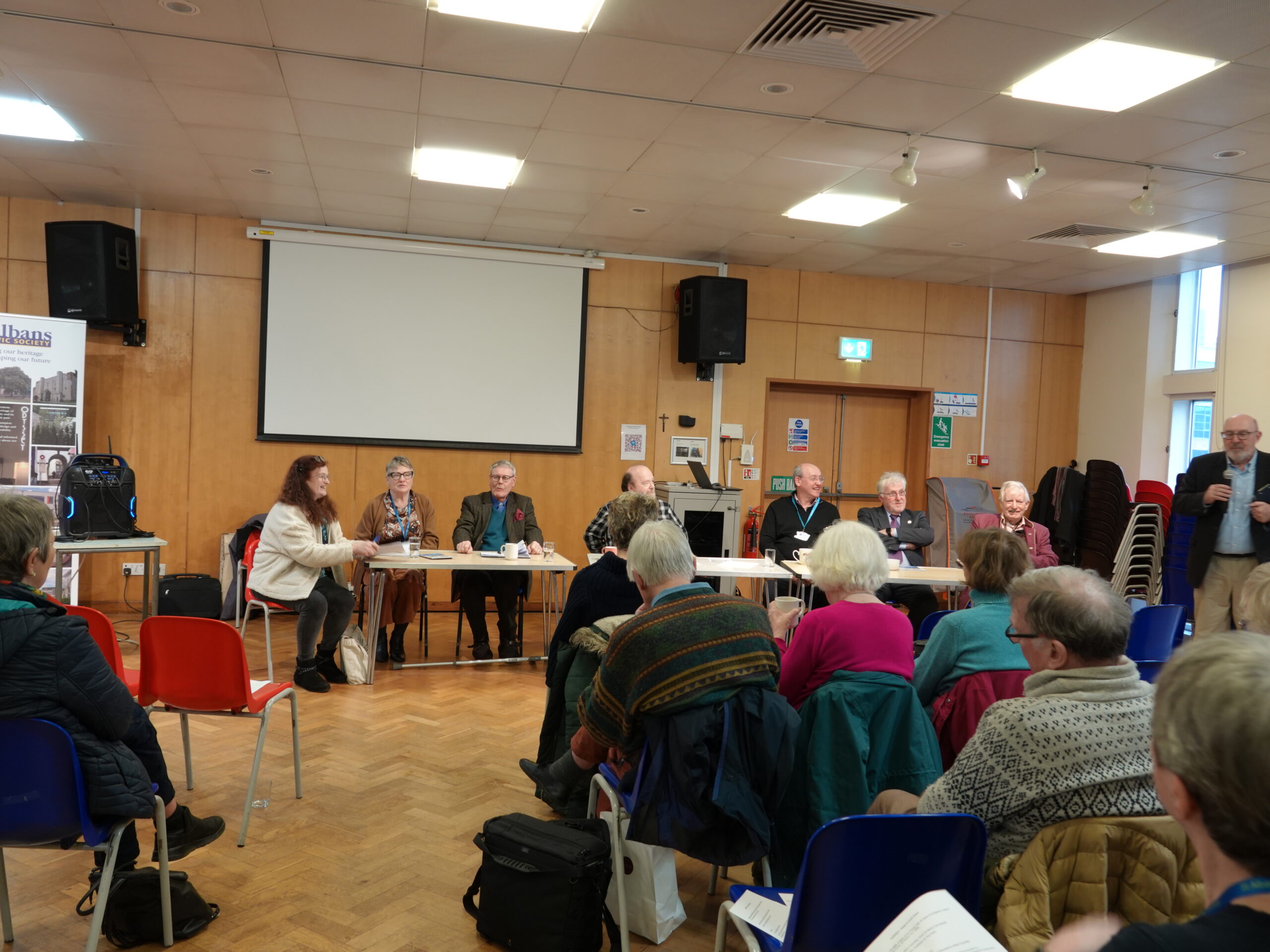
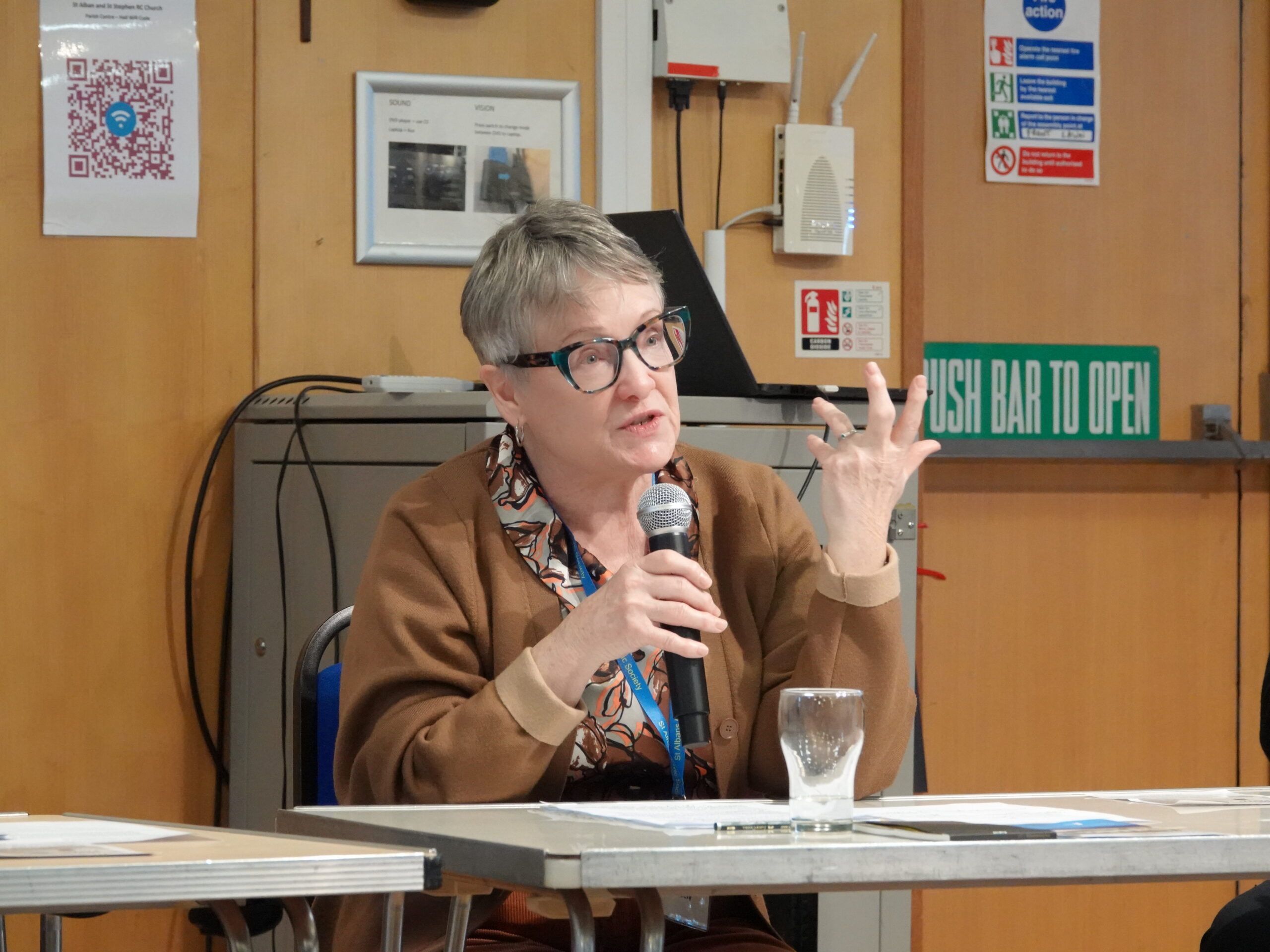
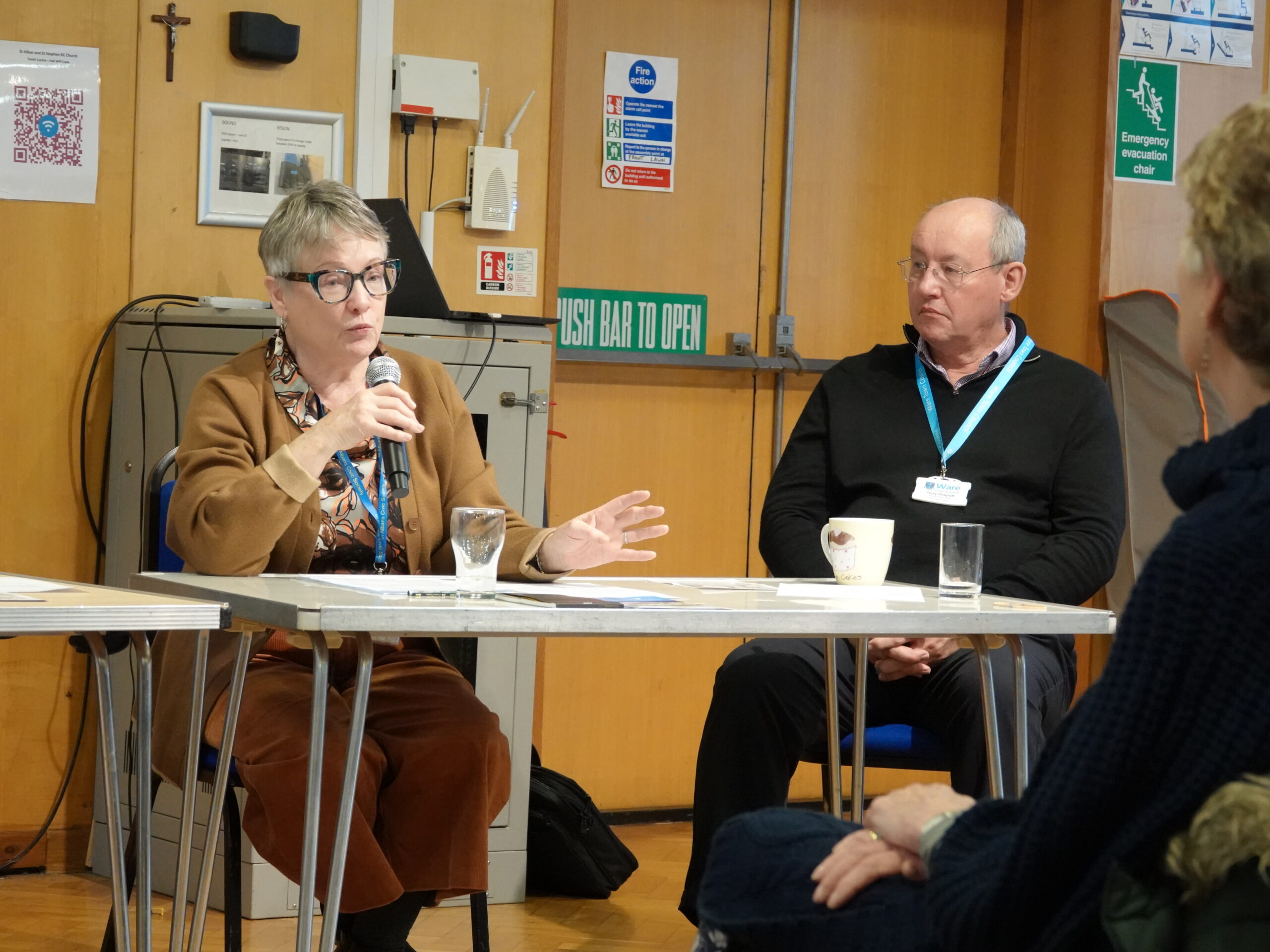
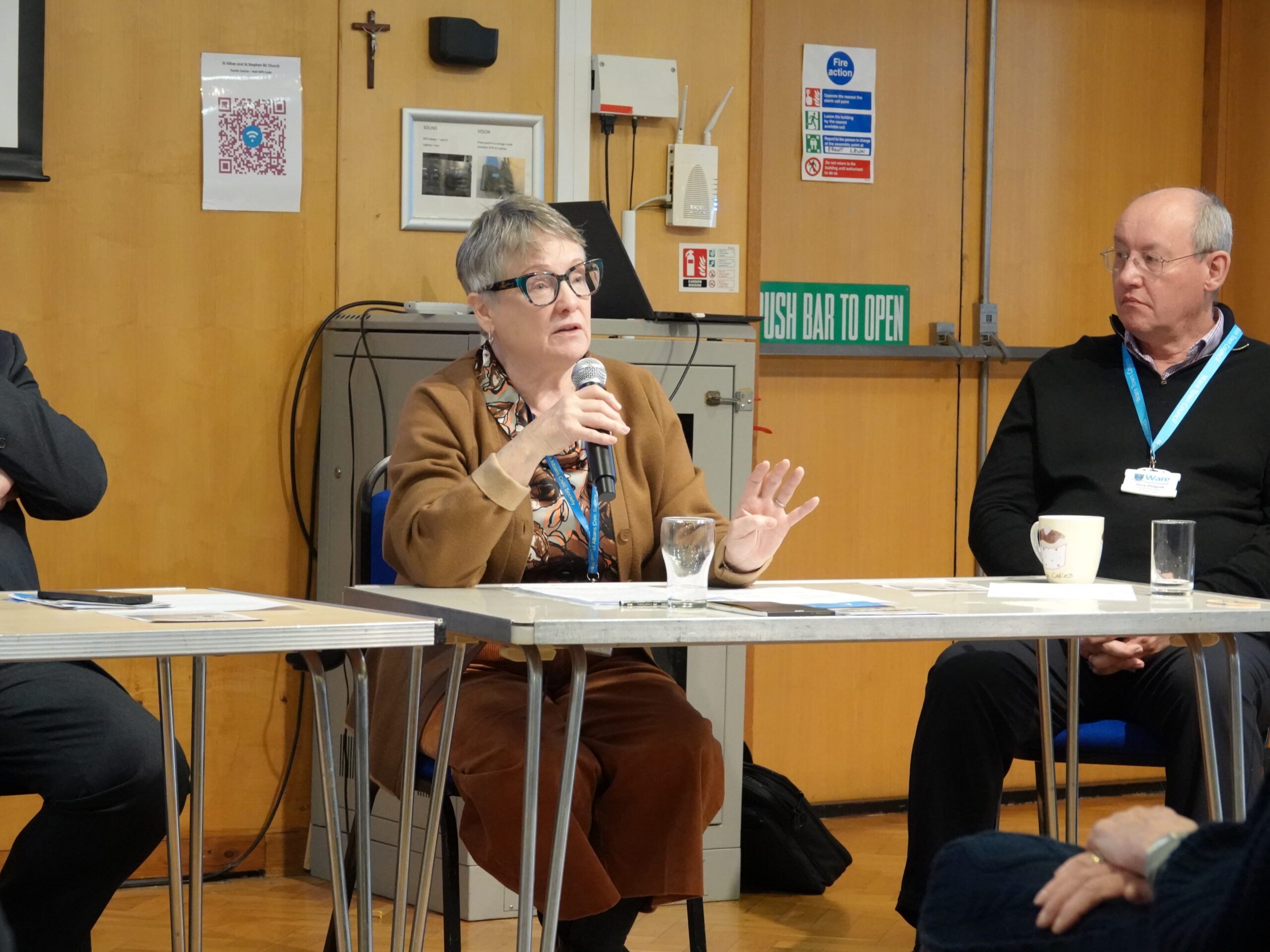
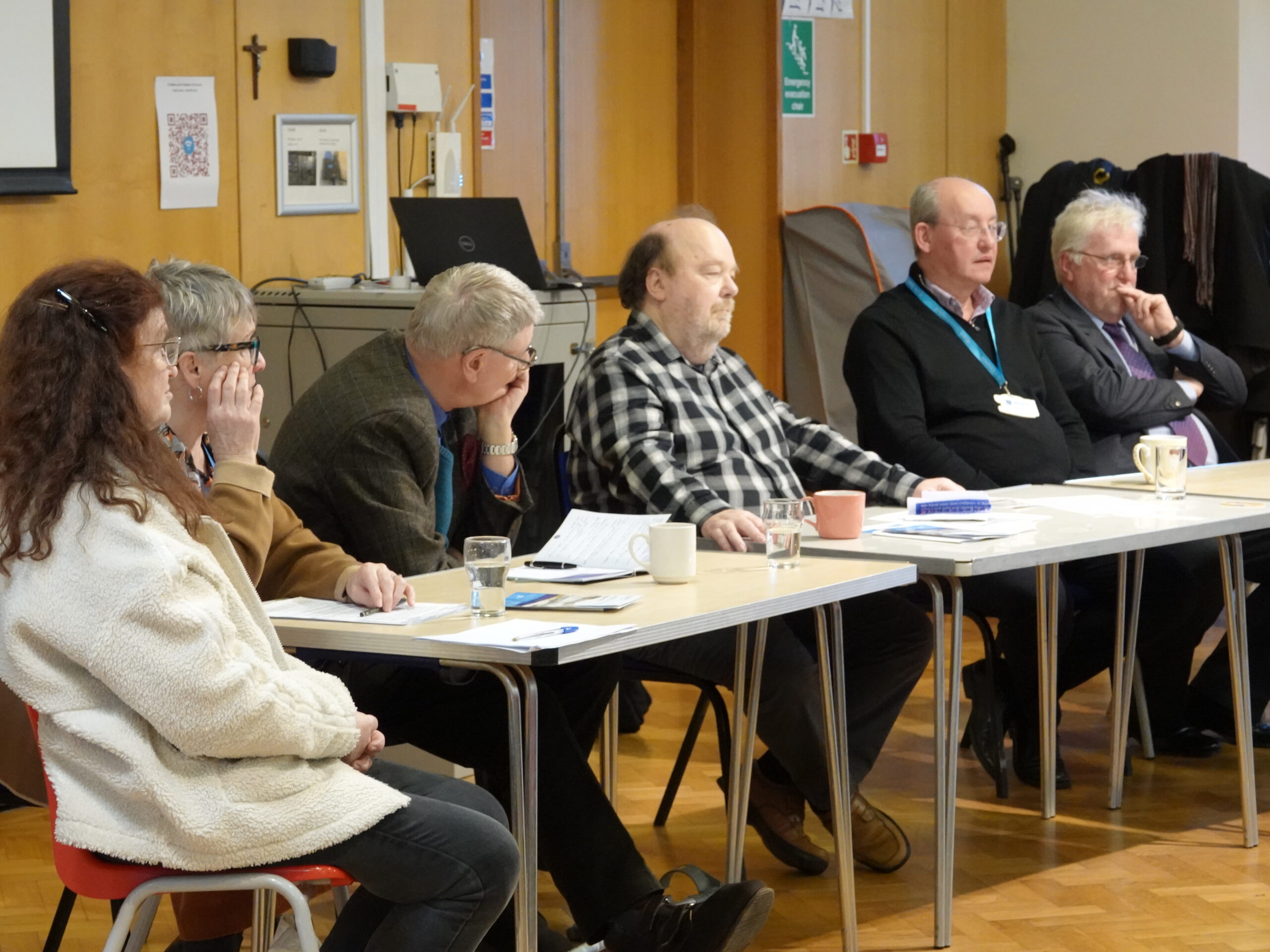
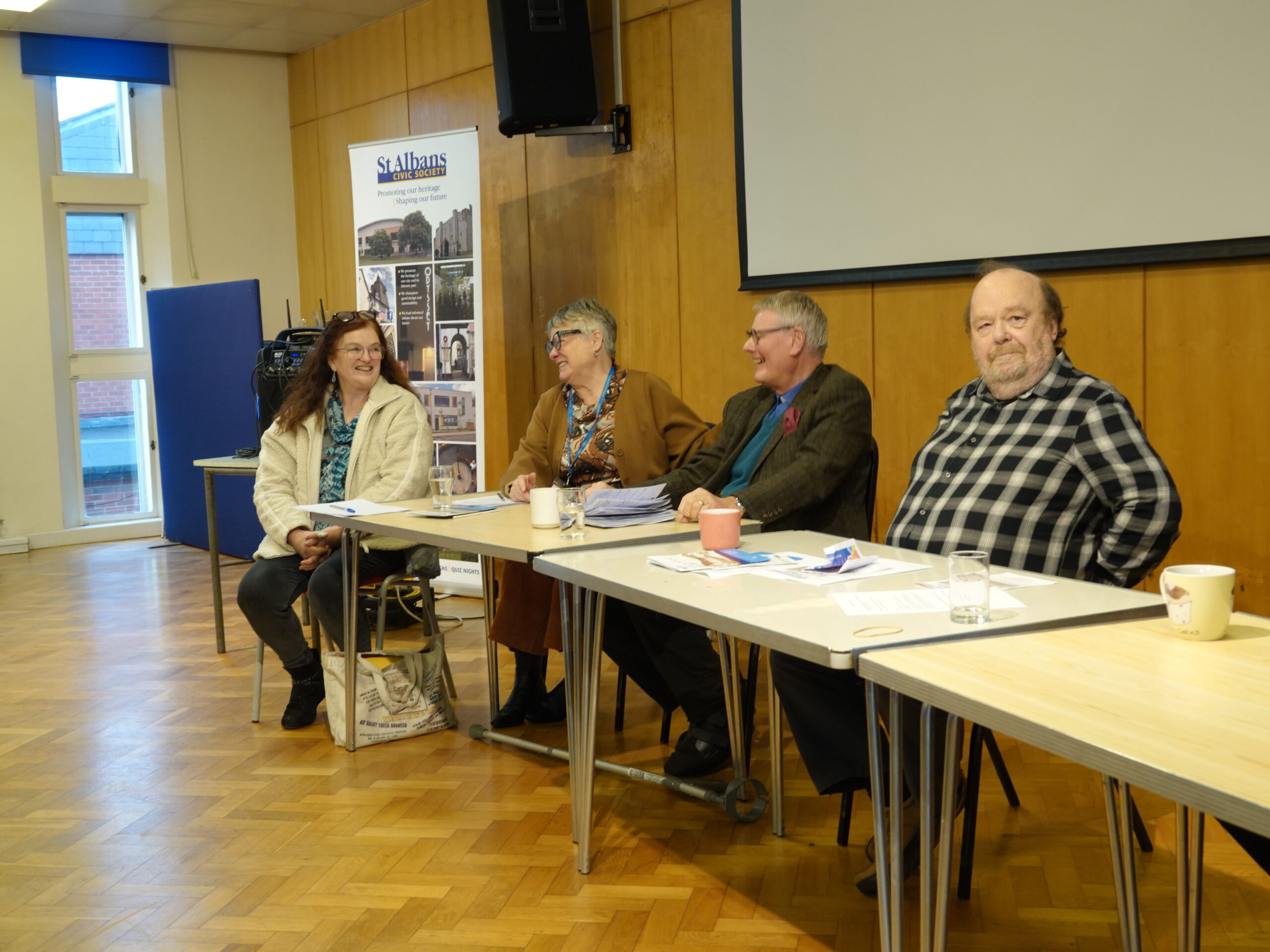
At the first of four public meetings looking at the campaign to create a city parish council, St Albans Civic Society chair Mary Conneely welcomed a distinguished panel of speakers drawn from similar towns who talked about their experiences of living with – and without – a parish council.
The ongoing Community Governance Review (CGR) consultation is looking at whether there is an appetite among residents for the creation of a St Albans City Parish Council, covering 28,000 households in Batchwood, Bernards Heath, Clarence, Cunningham, Hill End, Marshalswick West, Sopwell, St Peter’s and Verulam wards.
The CGR comes in the wake of the local government reorganisation initiative, which will replace HCC and SADC with two or more unitary authorities, and the fear is that without a parish council then the city will lose ownership of heritage assets as well as local representation.
A campaign in support of the proposal is being run by St Albans Civic Society with the backing of local residents associations and other bodies.
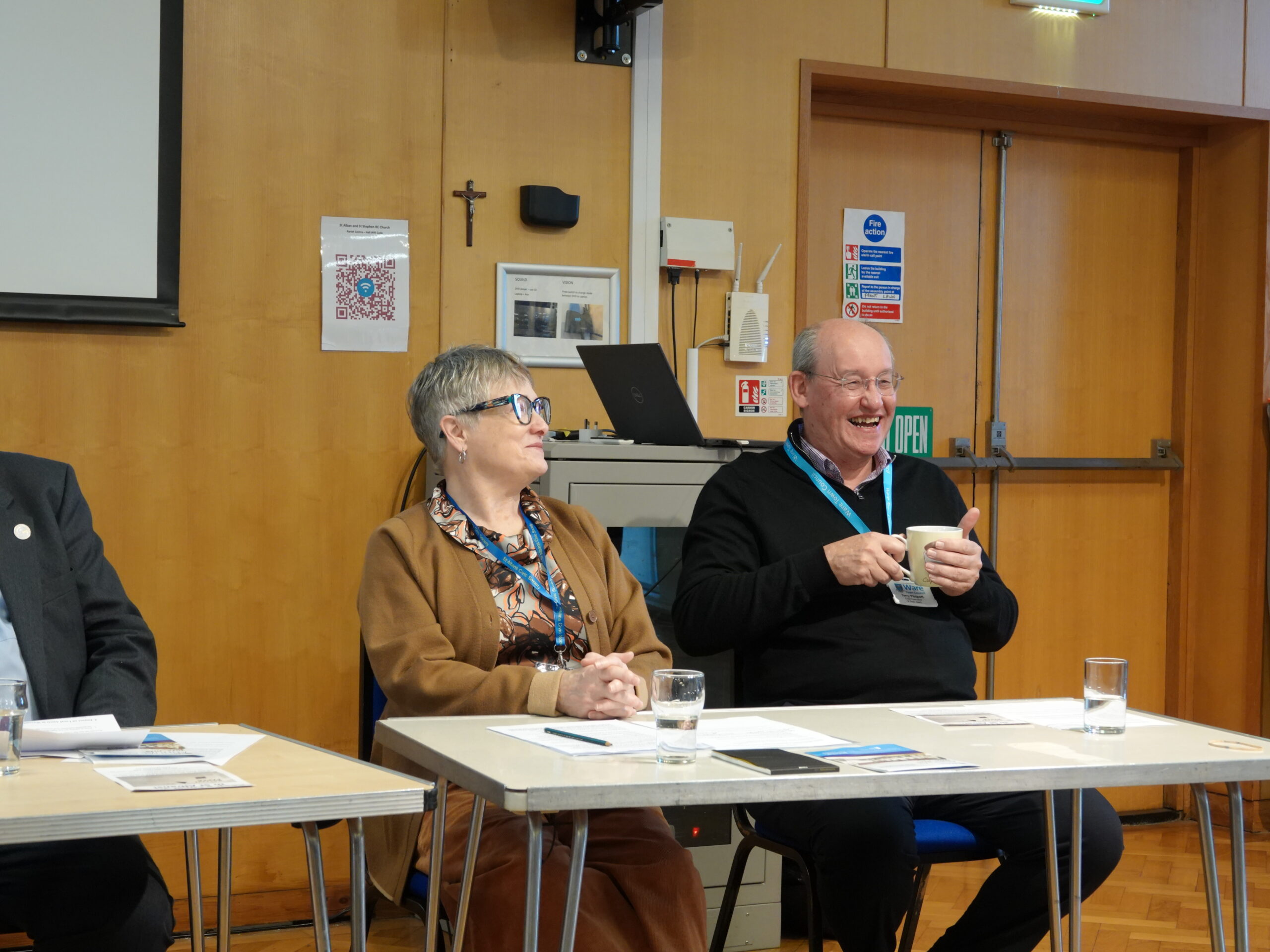
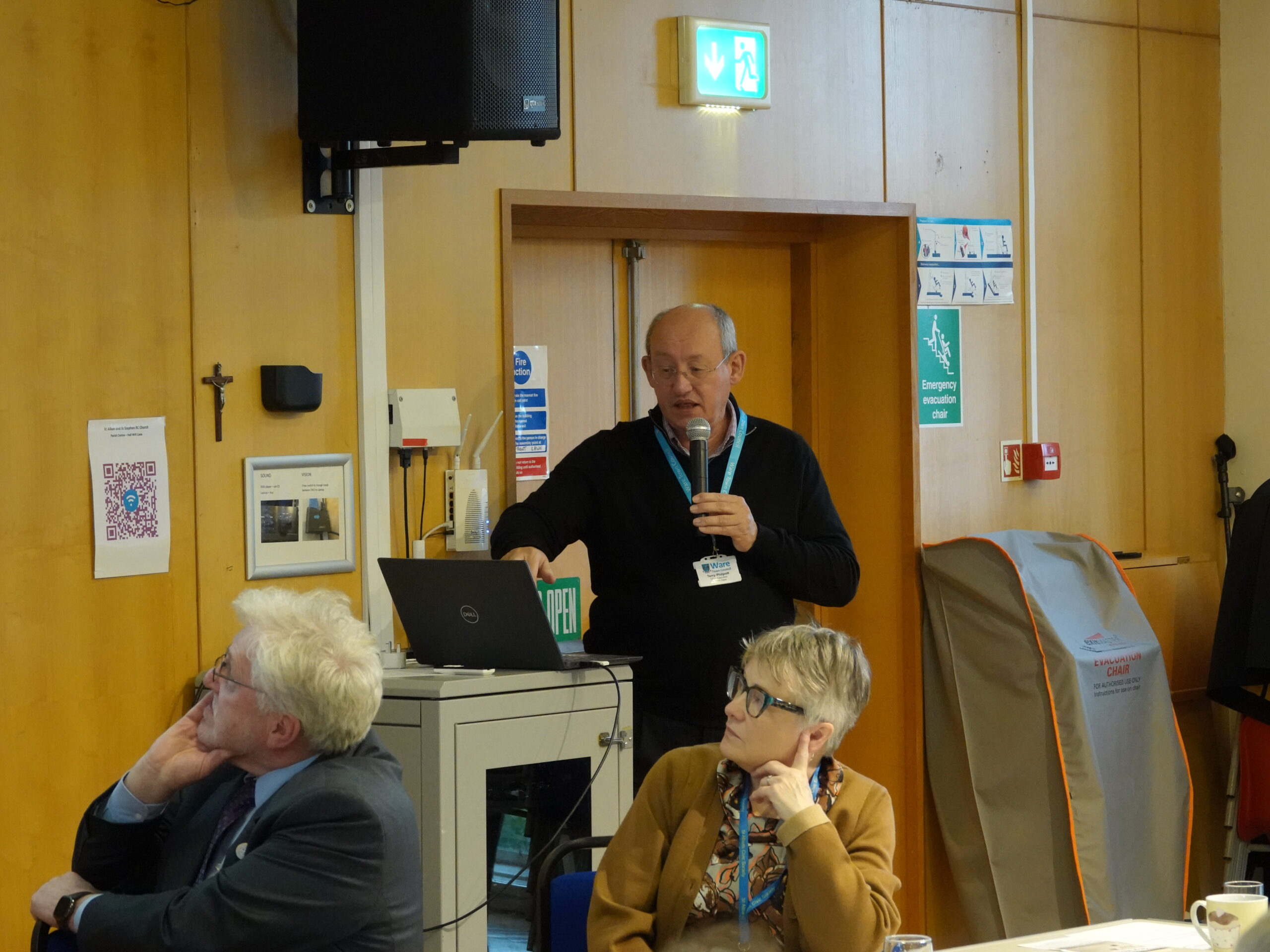
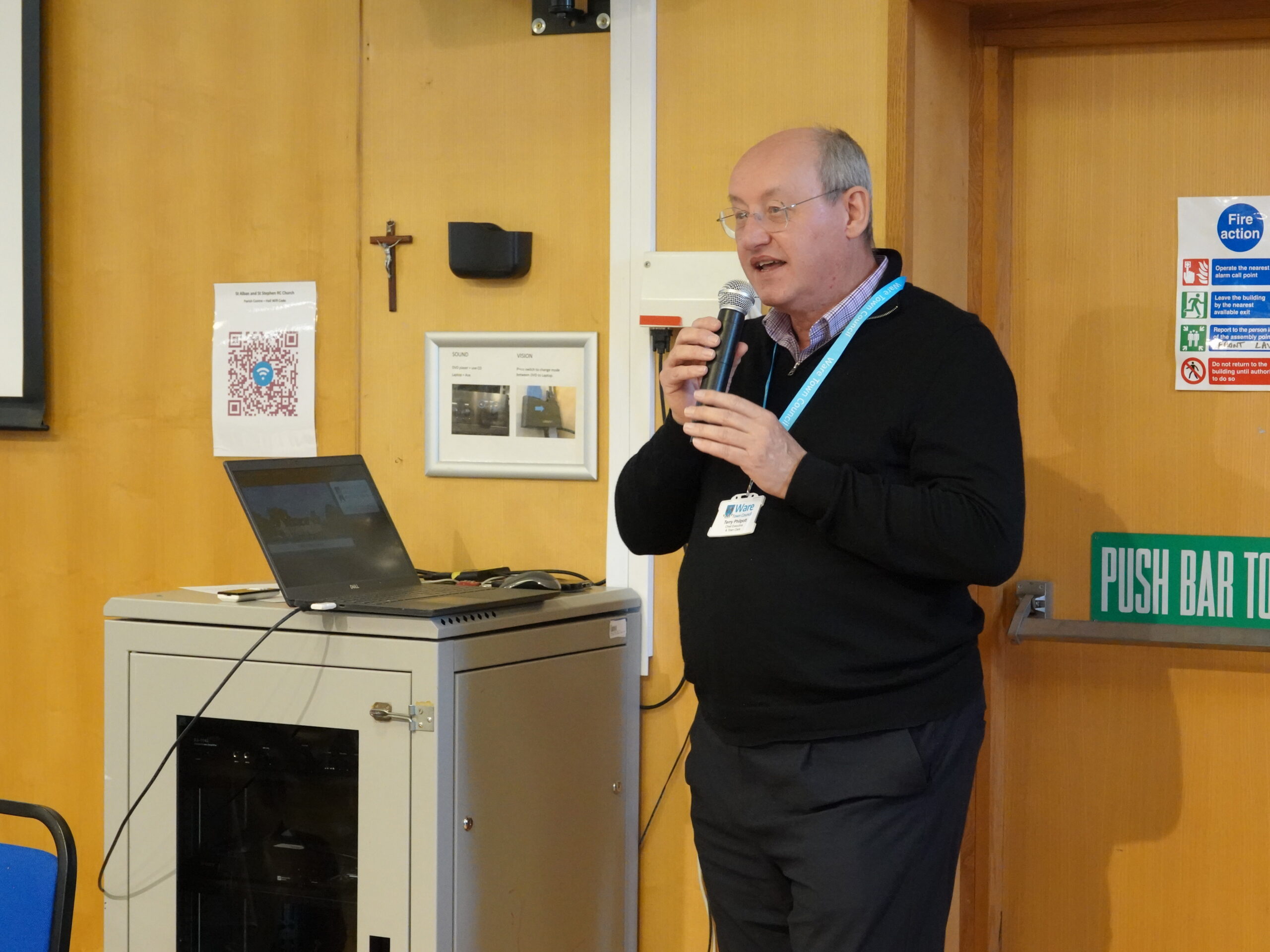
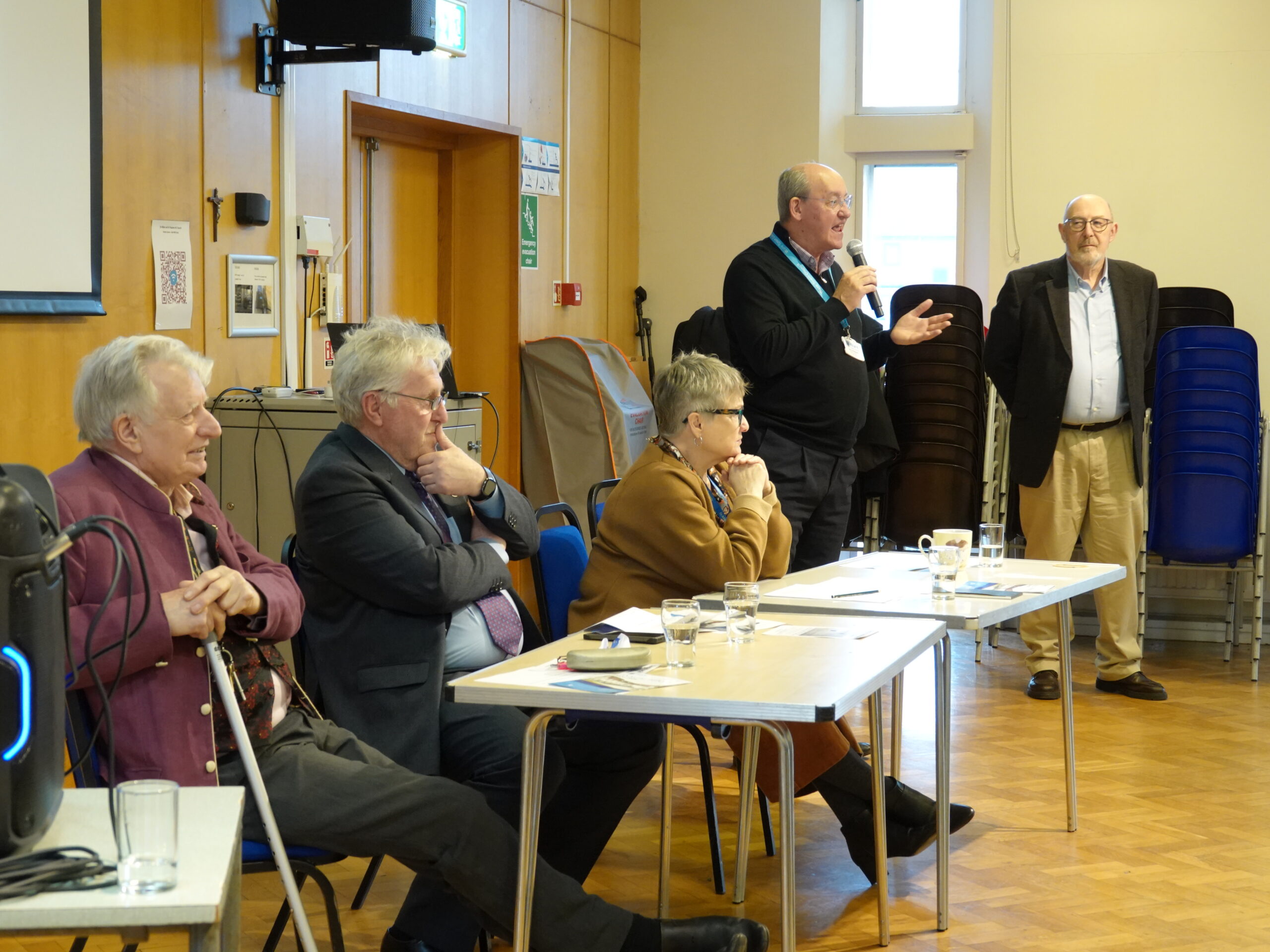
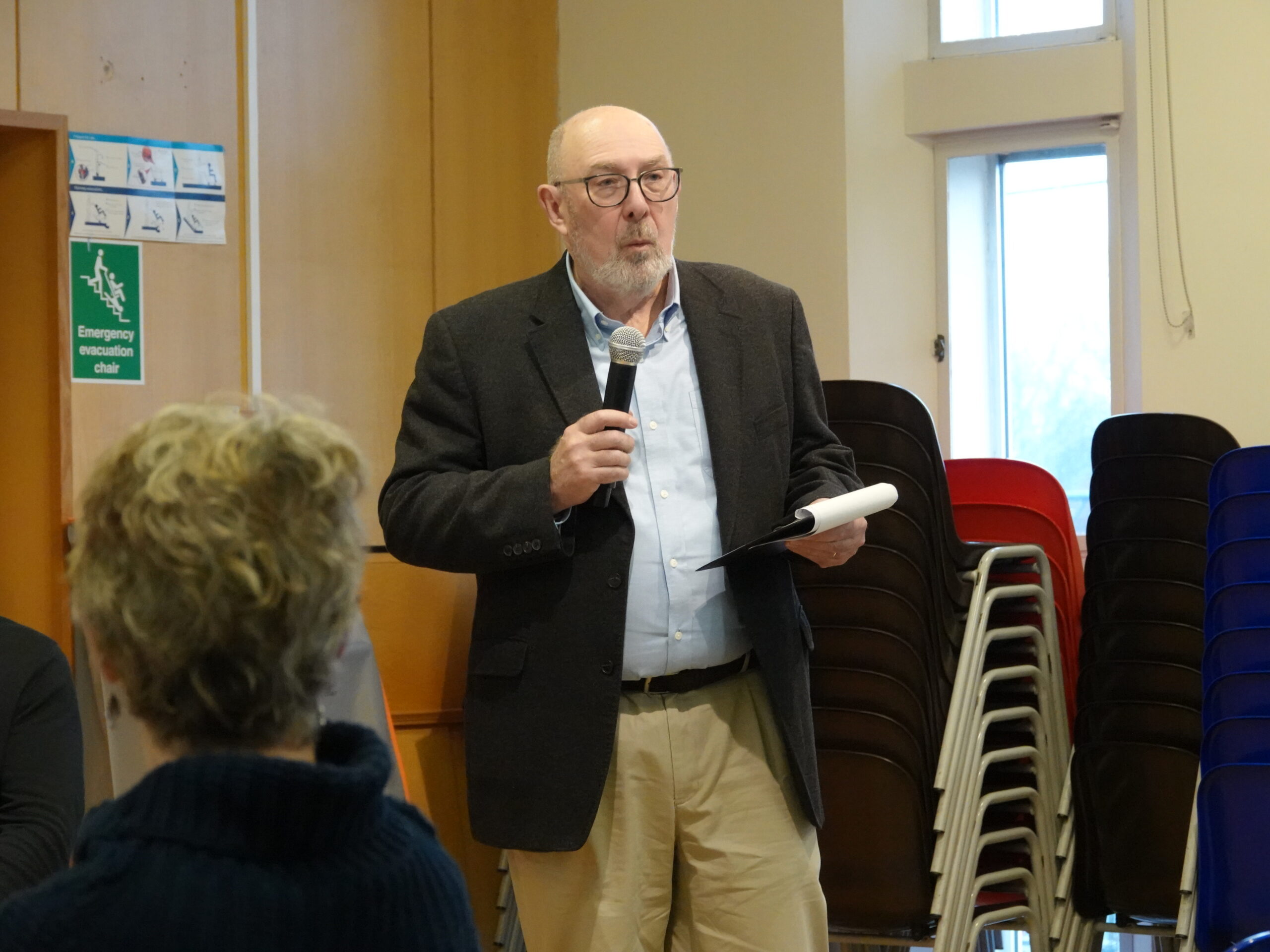
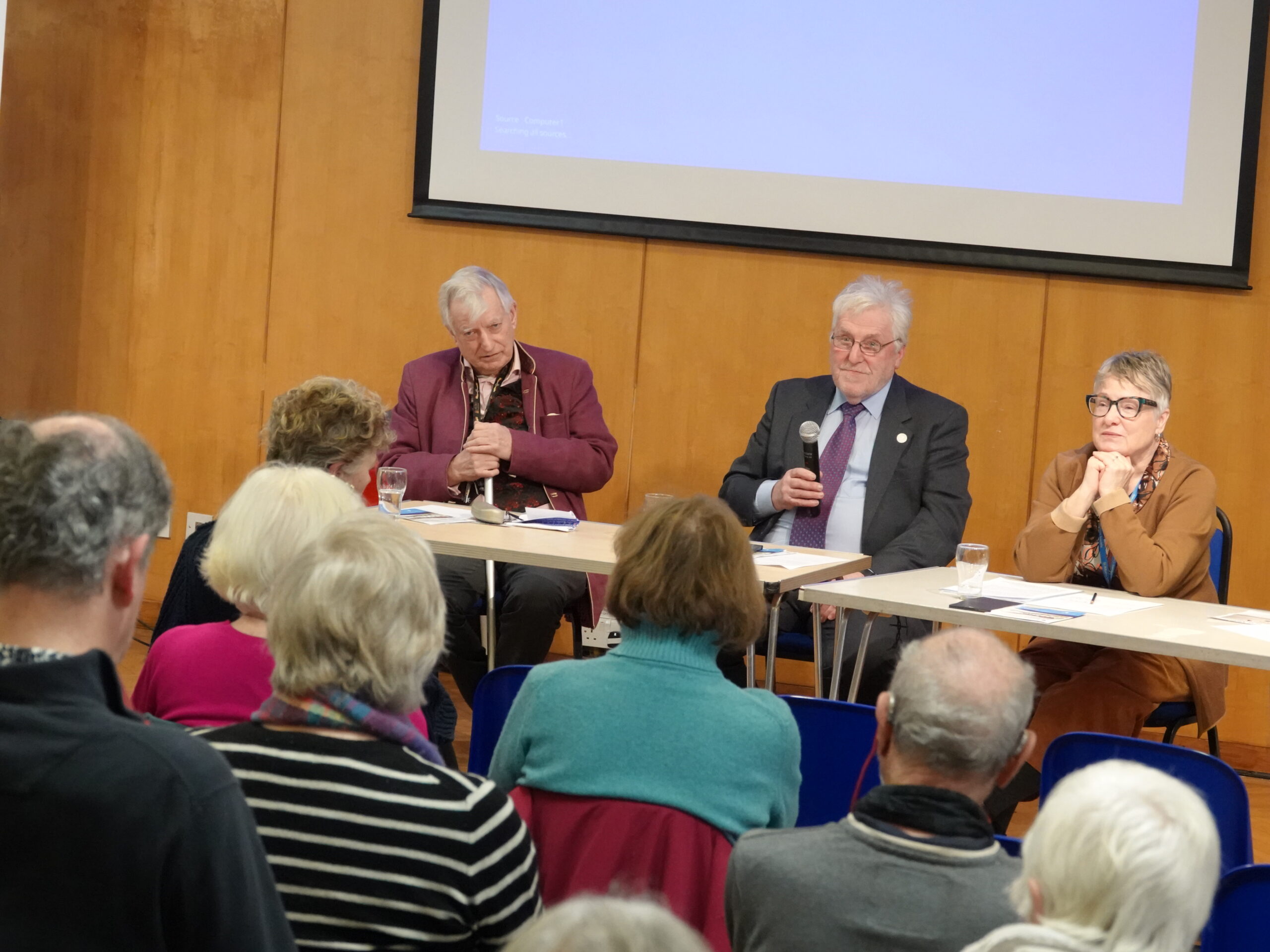
At Sunday’s public meeting at St Alban and St Stephen Catholic Church, Terry Philpott, Town Clerk of Ware, shared evidence of what a thriving historic charter town with a parish council can deliver after listening to the voices of its residents.
He showed pictures of the restored public lido, a new skate park, refurbished public toilets, rebuilt children’s playgrounds and a community grants chest which any town or city would be proud of – with profits from now thriving public facilities being reinvested into other areas of the town to deliver on the agreed priorities drawn up after consultation with their residents.
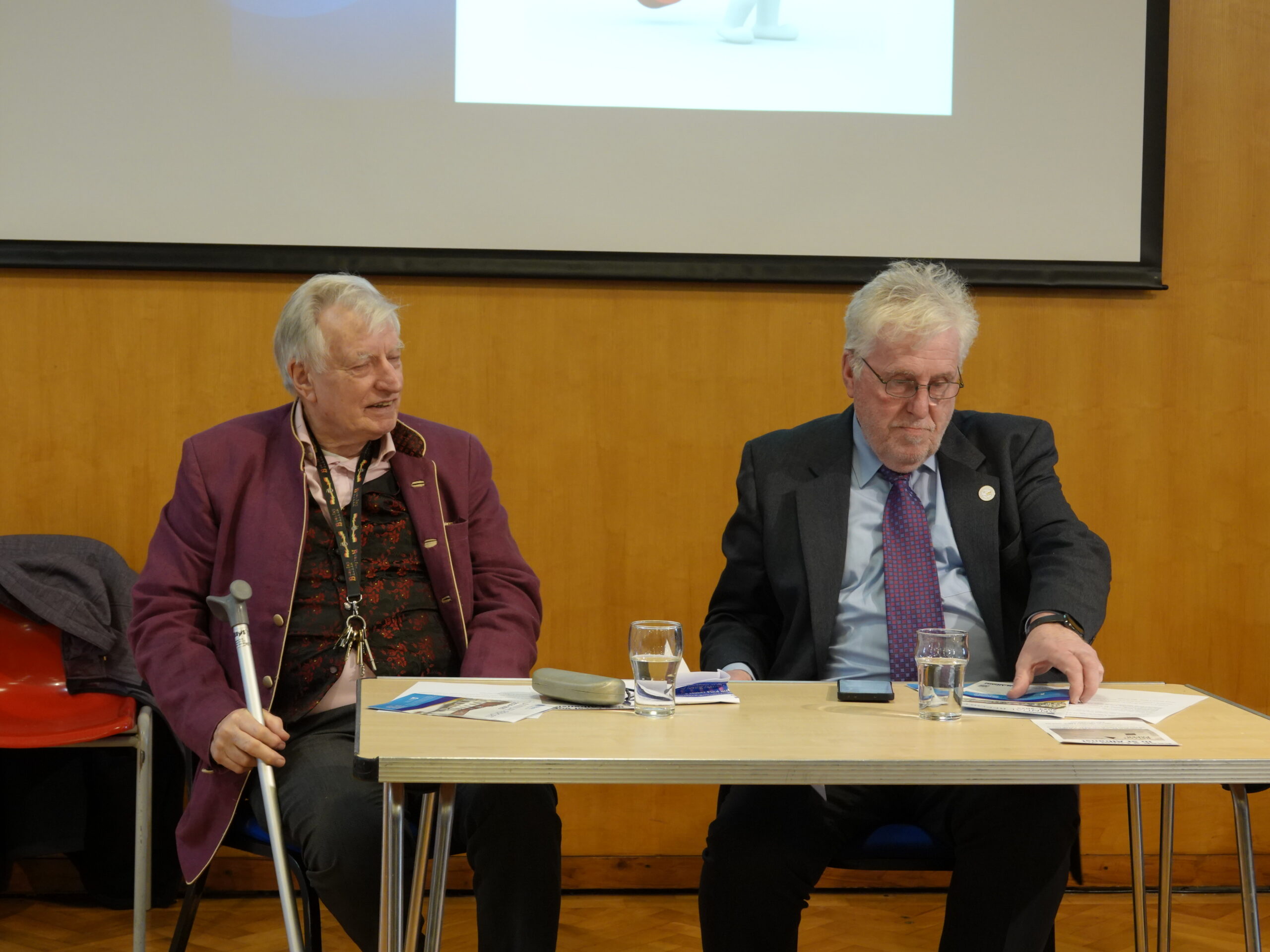
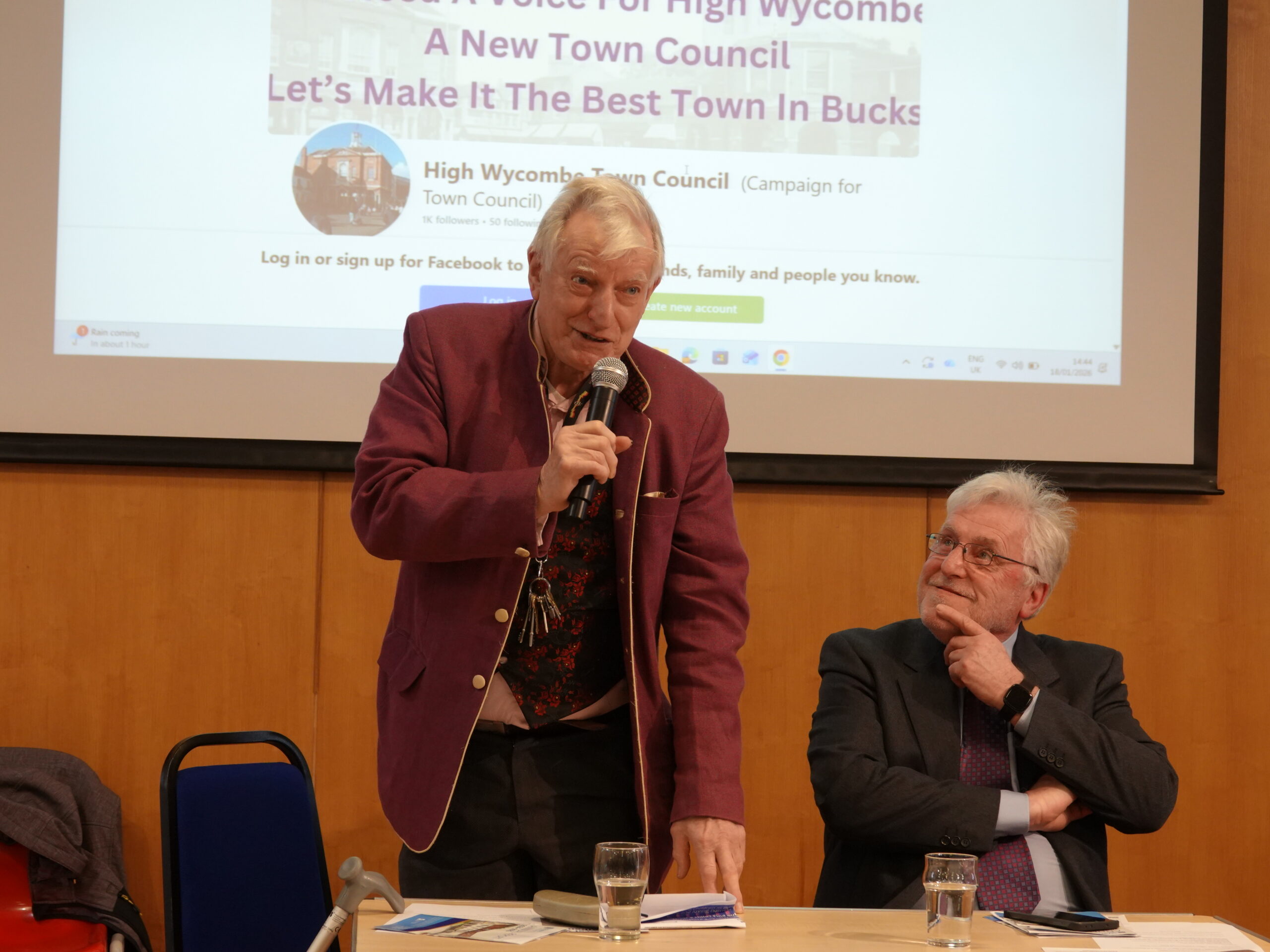
A starkly different picture was painted about High Wycombe by Trevor Snaith, charter trustee for High Wycombe and unitary councillor with Buckinghamshire Council, and Peter Cartwright, previously a High Wycombe district councillor and a Buckinghamshire county councillor.
High Wycombe was not able to establish a parish council, making them the only town in Buckinghamshire without one when their CGR preference was rejected by the then-county council.
They spoke with great sadness about how this has led to the decimation of their town, and the loss of everything important.
All decision-making is being carried out by a unitary authority board with no local knowledge or commitment, based in Aylesbury.
They spoke of their town being asset-stripped, the town they have given so many years of service to, now run down and looking neglected, with one stark example – High Wycombe currently has no public toilets at all.
Their clear message was – don’t let that happen here.
SACS chair Mary Conneely again urged the need for more awareness amongst St Albans residents about Local Government Reorganisation to ensure the same fate does not befall our historic city.
She said she felt this should also be a wake-up call to our councillors, as many appear to believe that all will go well without actively engaging with the campaign to ensure that residents are fully aware of the CGR ballot that is underway.
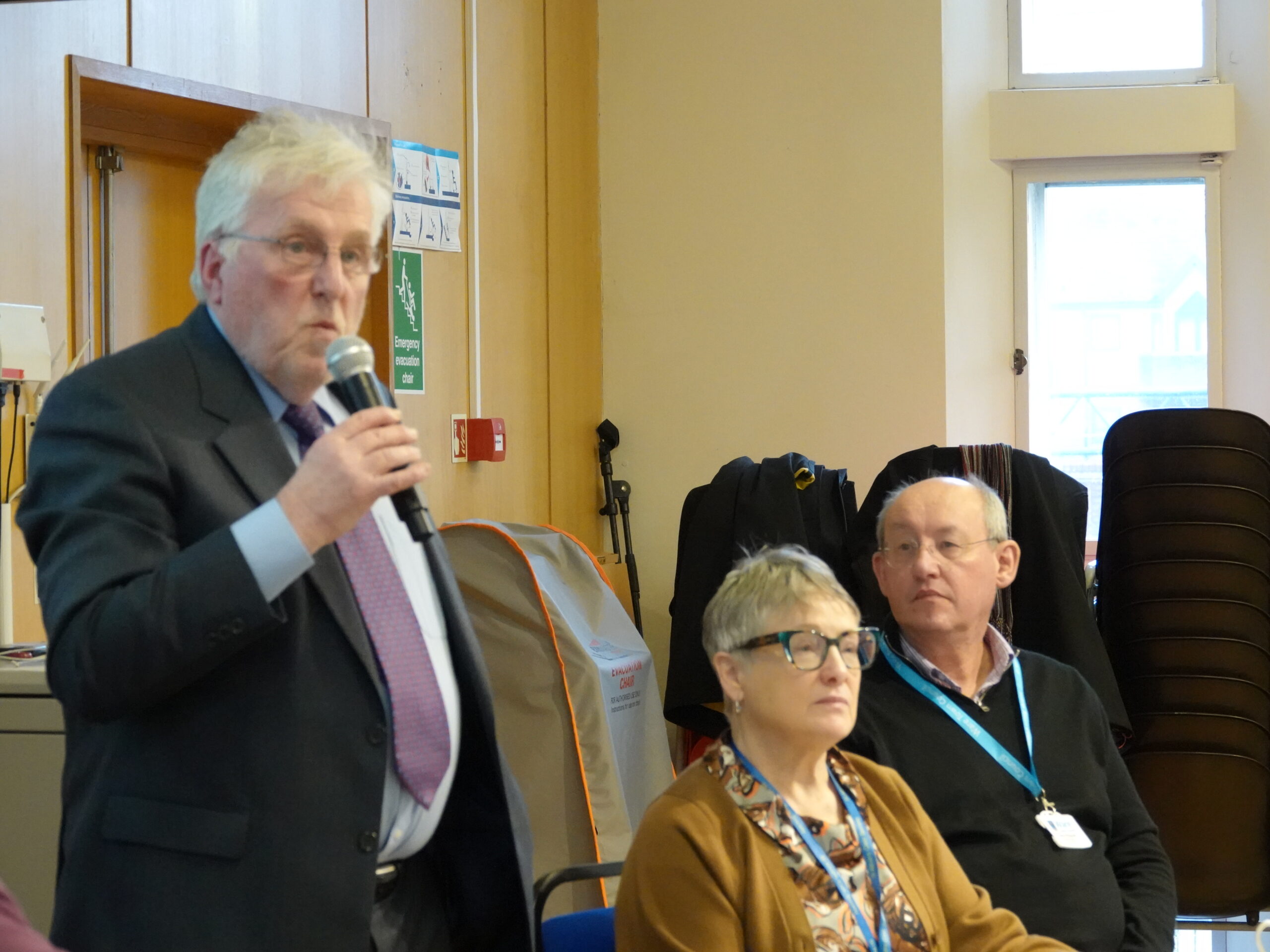
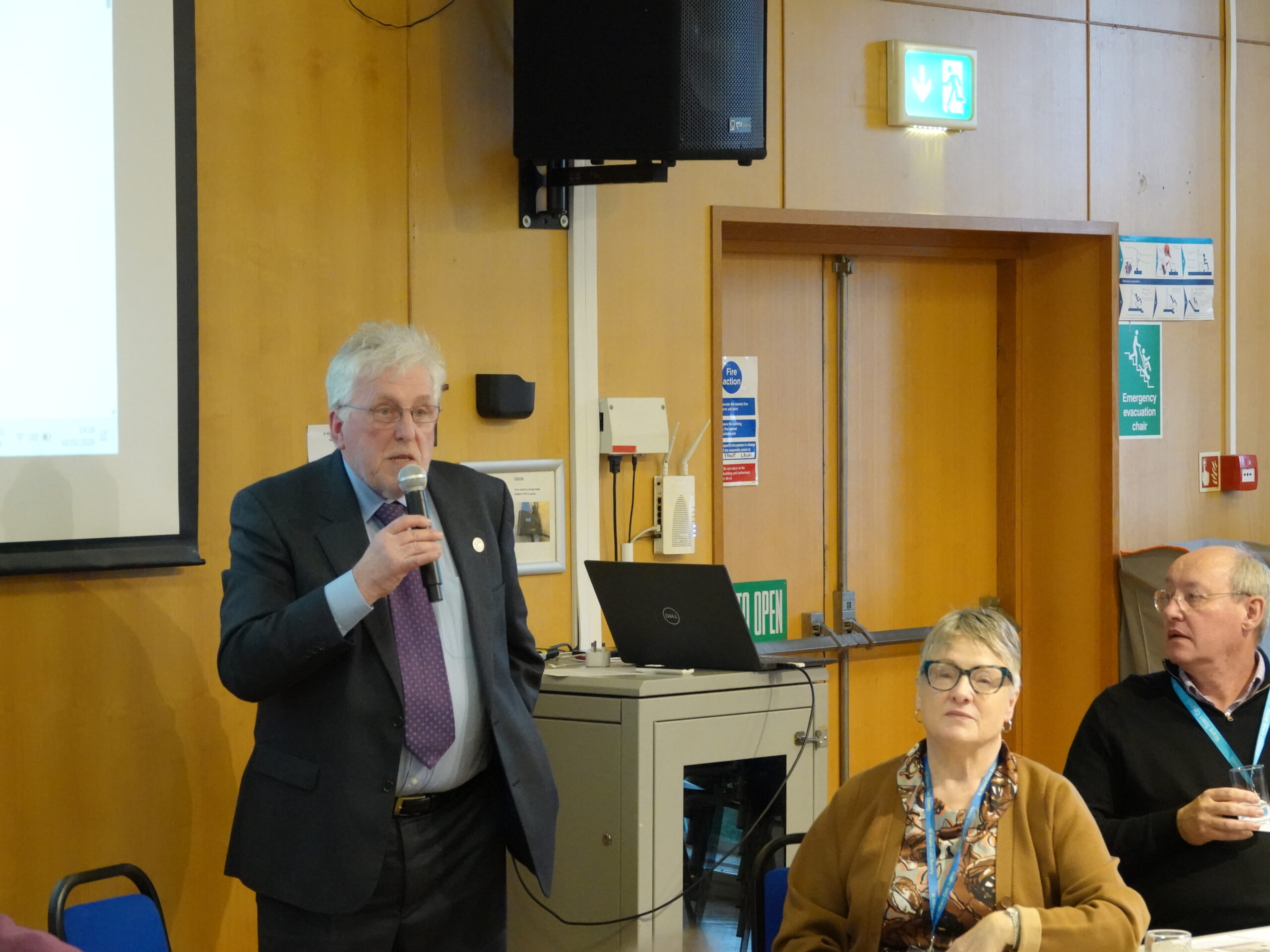
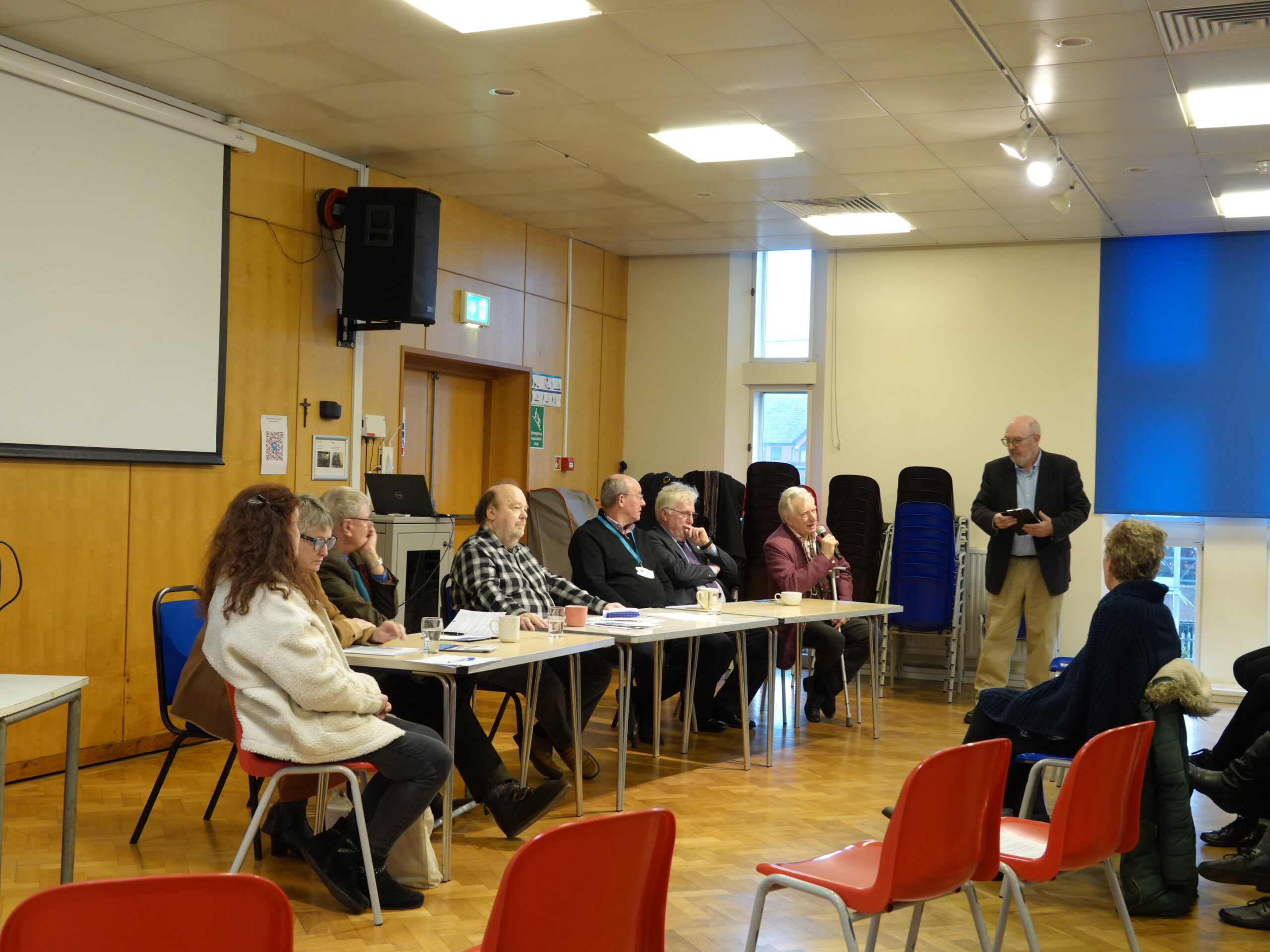
A question time panel was convened in the second part of the meeting, featuring district councillor Robert Donald and parish councillors Nuala Webb and David Yates, chair of St Stephen Parish Council.
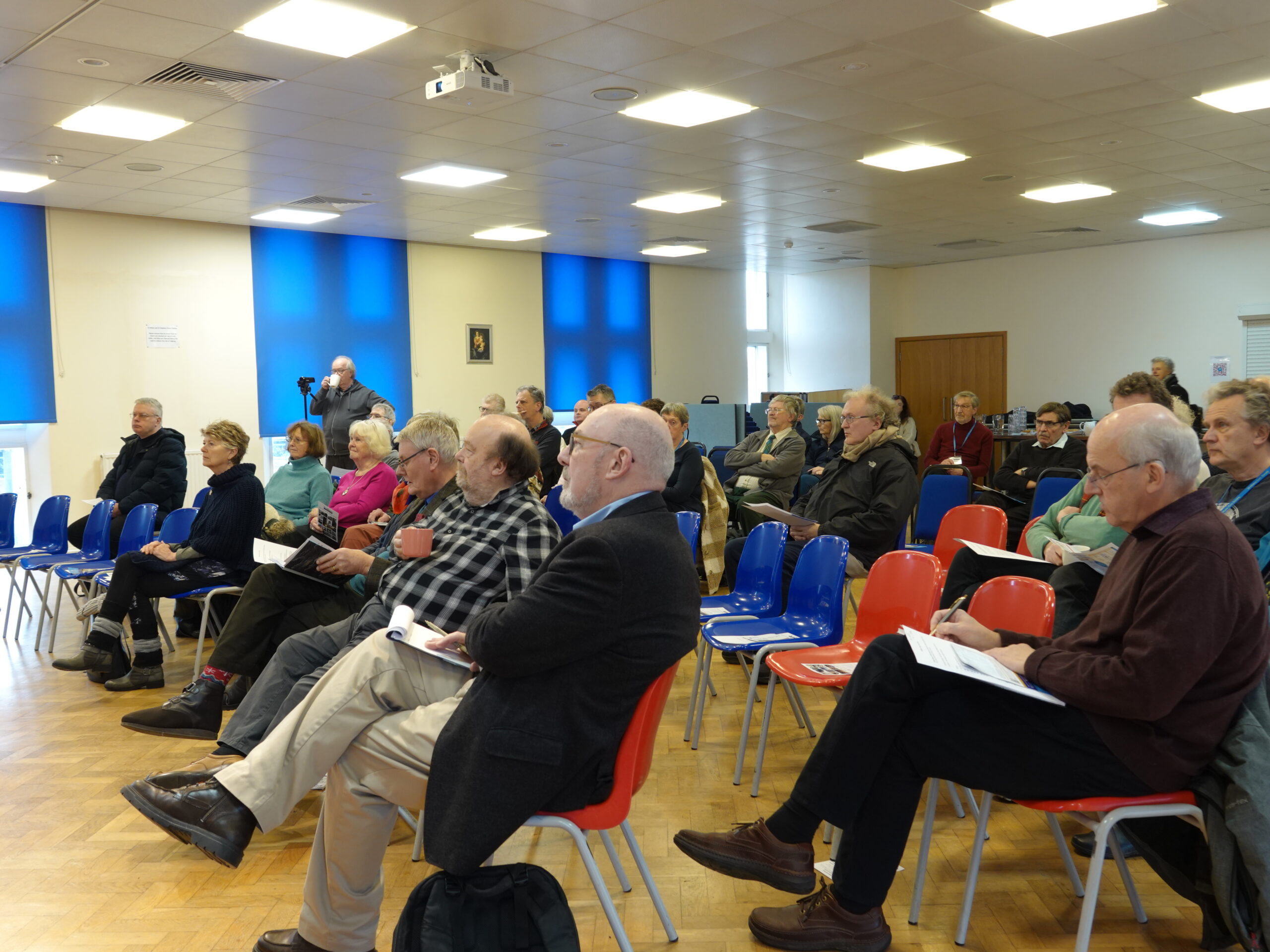
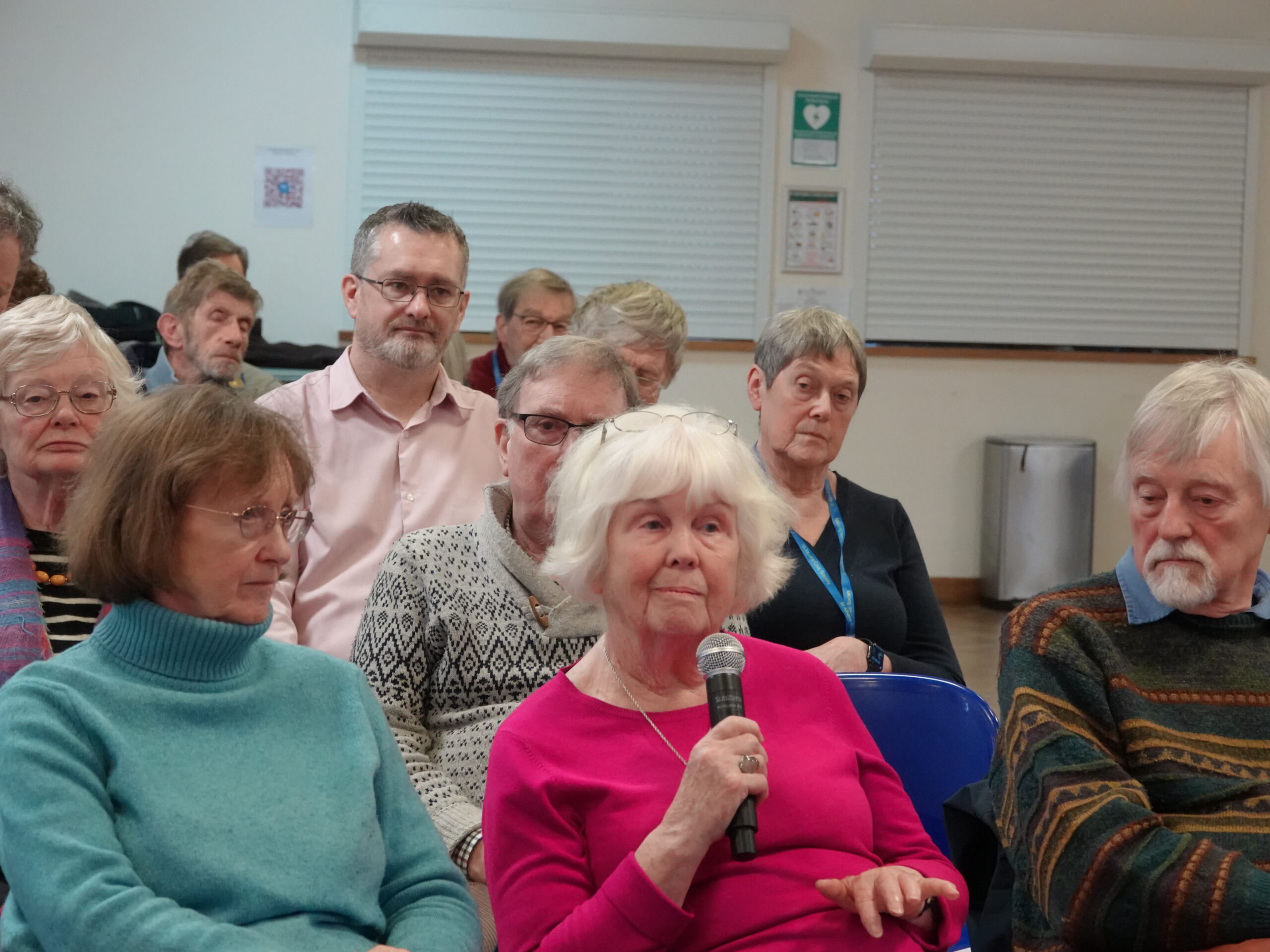
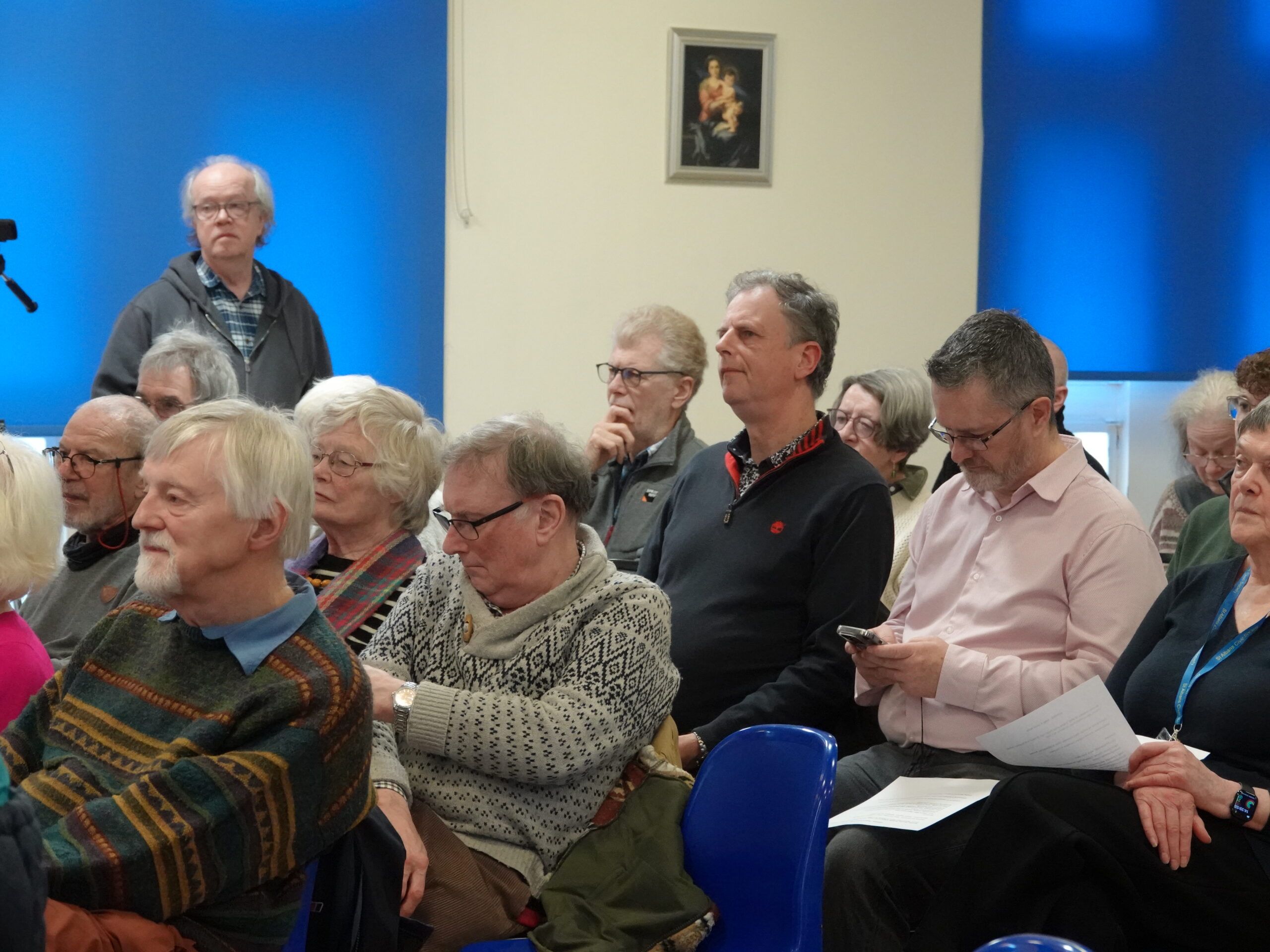
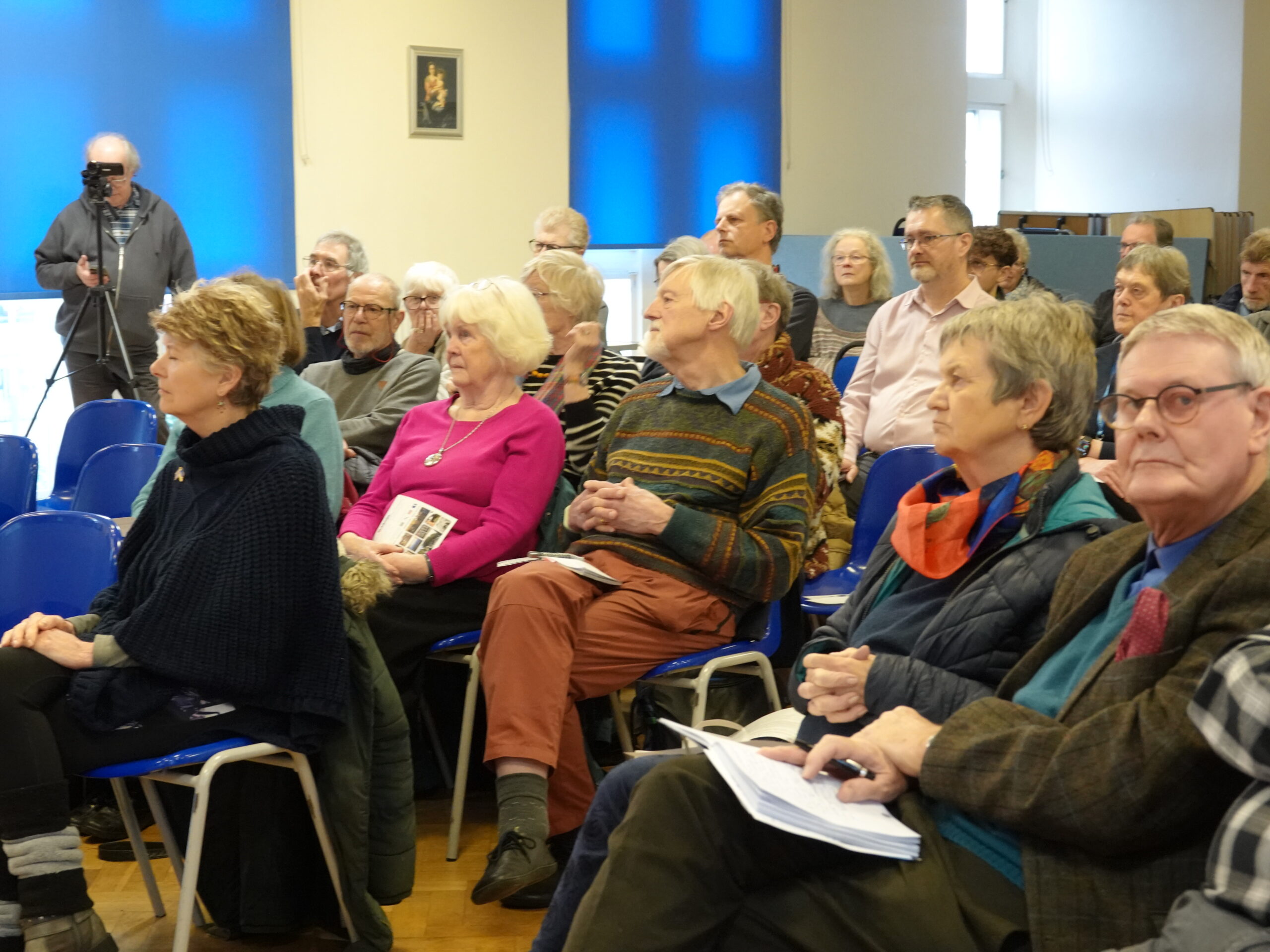
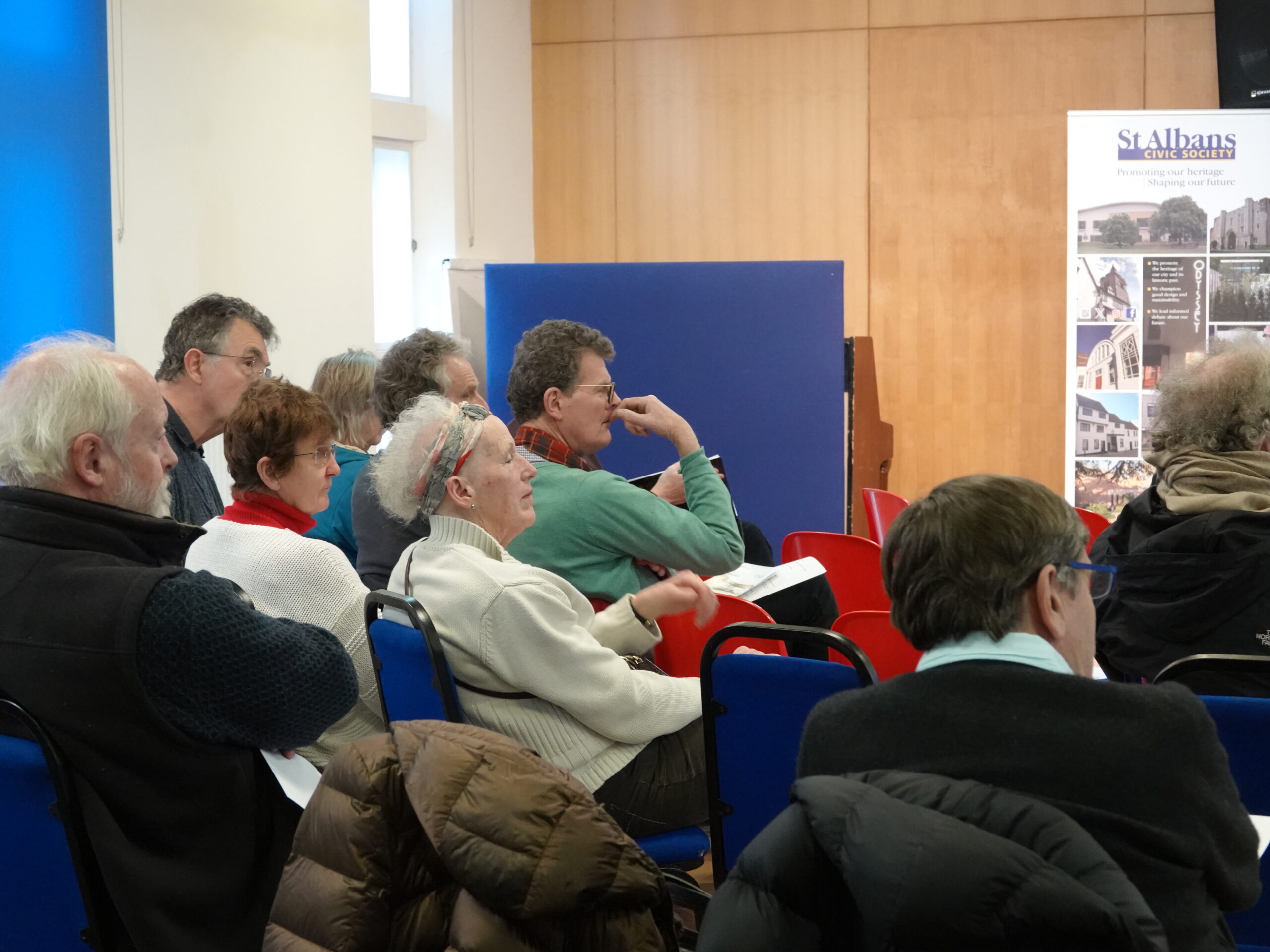
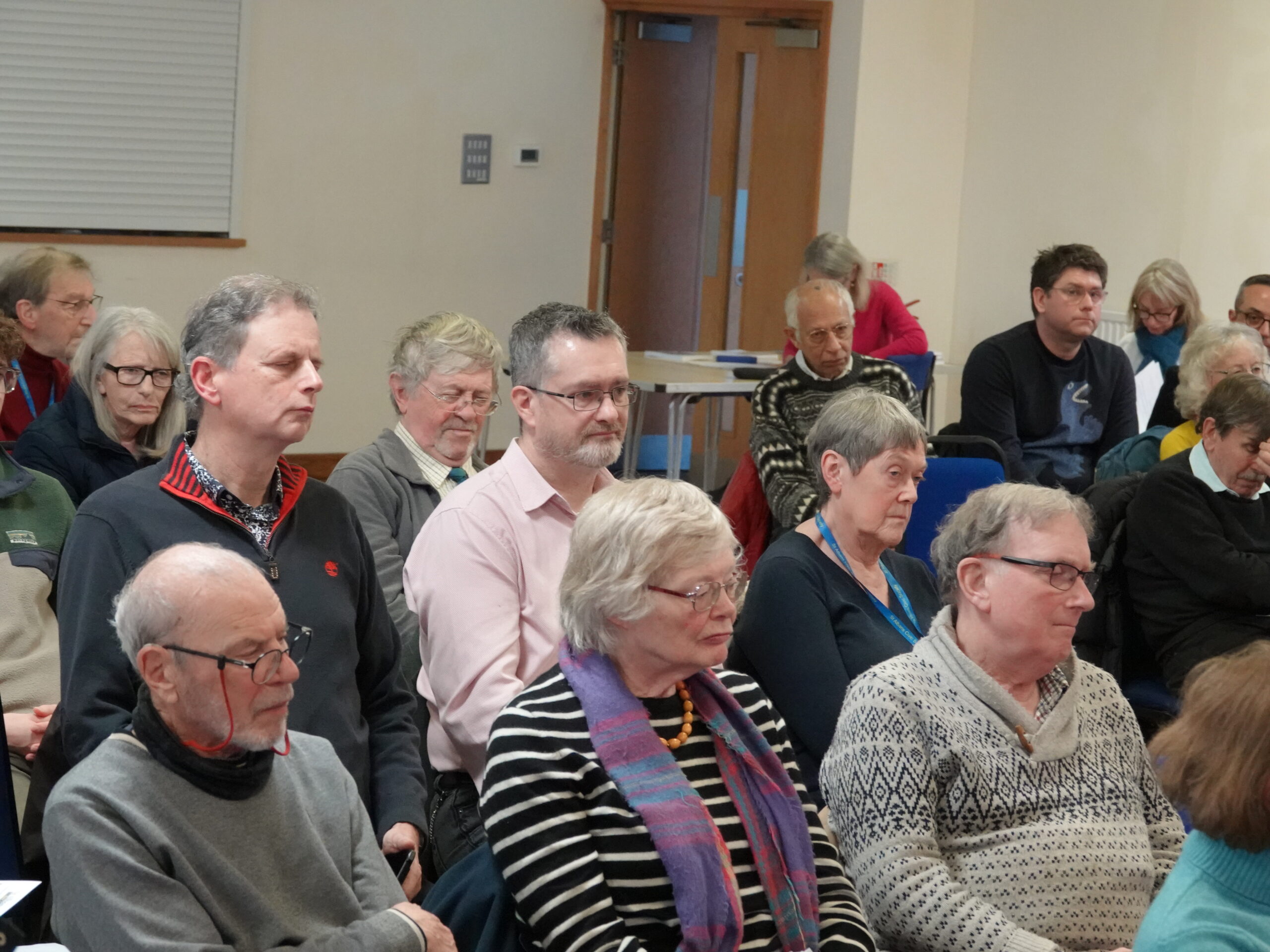
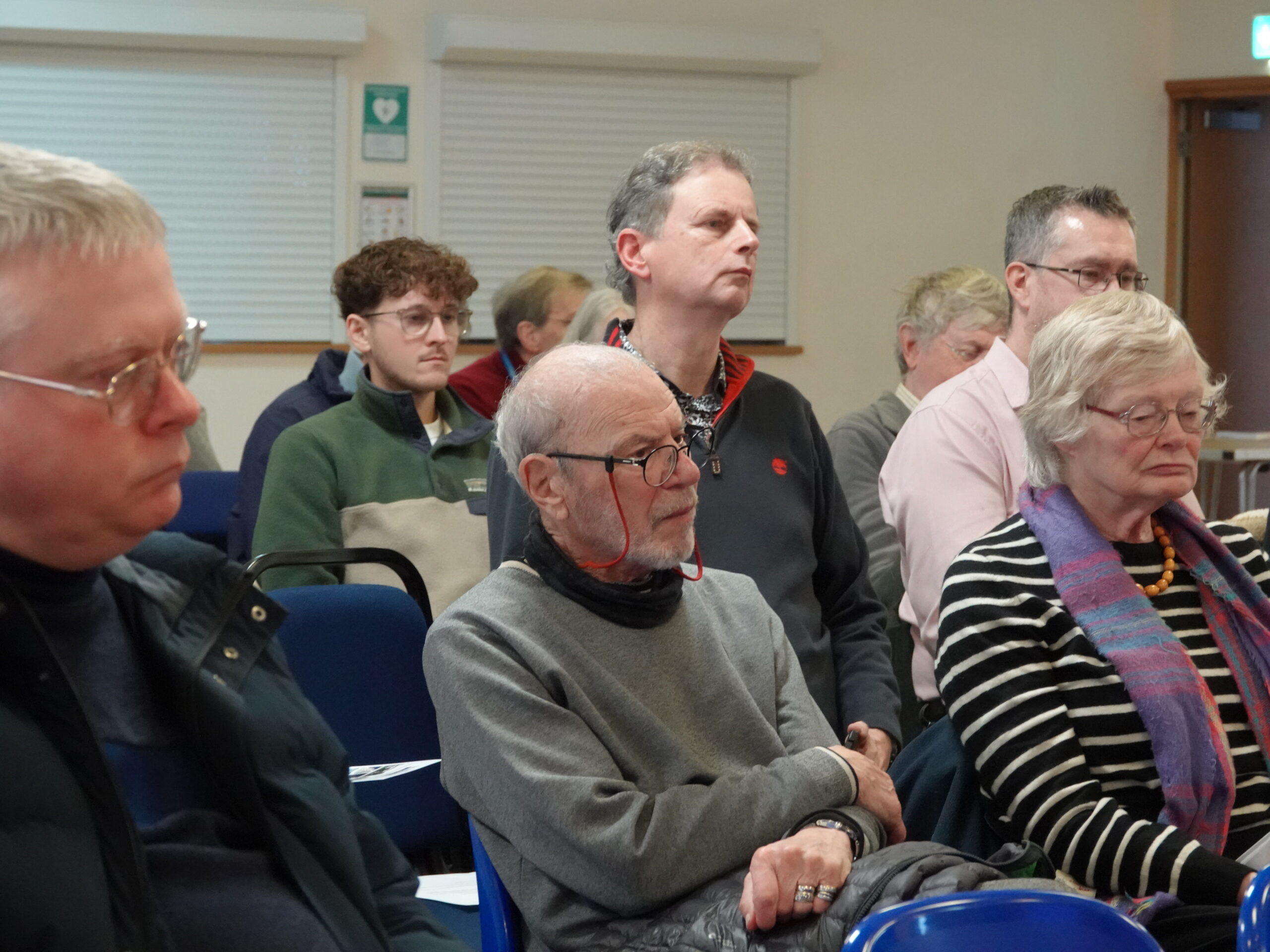
They answered questions from the large and very animated audience on what lessons could be learned from the two opposing examples that were discussed in the first hour, and about how best to approach the question of the asset transfer and its management, an essential part of establishing a thriving parish council here.
Attendees voiced their concerns that the current SADC leadership and its officers aren’t doing enough to ensure residents are informed about the upcoming local government restructure. Many feel that all the attention is focused upwards on the new unitary authority, and not enough attention and care is focused on the creation of a thriving parish council. Although SADC is also running a consultation on their website, many have found this to be misleading, as filling in the questionnaire will not count when it comes to the ballot for the establishment of a parish council – each household has to use their vote to do this.
The guest speakers emphasised the importance of the work that can be done now, and the local councillors told their audience that with the next local government elections due in May, there is no better time to raise your concerns and aspirations for the parish council with your local councillor.
There was a clear audience demand for much greater ambition and a stronger vision for our historic town going forward.
Cllr Webb also reminded the audience that an elected parish council, although the very first rung of local government, is a legal entity – able to take out loans on behalf of its community, to invest, to apply for grants to improve local life. The overwhelming message of the meeting is that a strong Vote Yes for a parish council and keeping a local voice for the city, could not be more essential.
Mary Conneely thanked everyone present for a very positive meeting and emphasised that there is a real need for urgency and now is the time to get this right, if the future of our city is to be protected.
Further public meetings –
- Saturday January 24, 11am-1pm, St Lukes Church Hall, Cell Barnes Lane, AL1 5QR;
- Saturday February 7, 11am-12.30pm, Christ Church Centre, 3 High Oaks, AL3 6DJ.
If you’ve lost your ballot paper or it never arrived and still want to vote, email CGR@stalbans.gov.uk or write to: CGR, c/o Electoral Services, St Albans City and District Council, Civic Centre, St Peters Street, St Albans, AL1 3JE.
Report and photos by Fiona Couper of St Albans Civic Society.