06 Oct 2026
A St Albans documentary filmmaker who spent five years charting one man’s mission to help vulnerable Nigerian children falsely accused of witchcraft has released the fruit of his efforts on Amazon Prime.
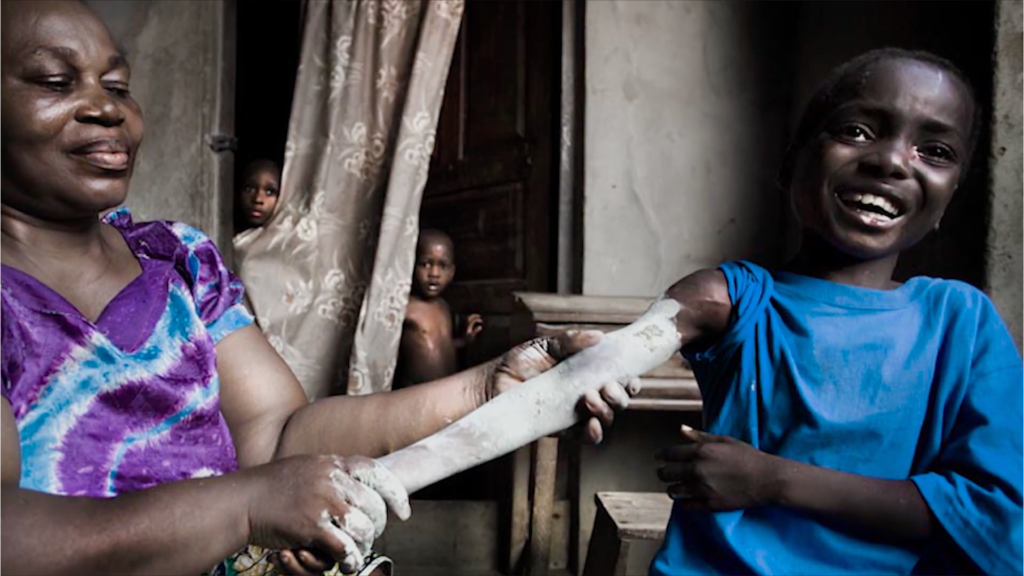
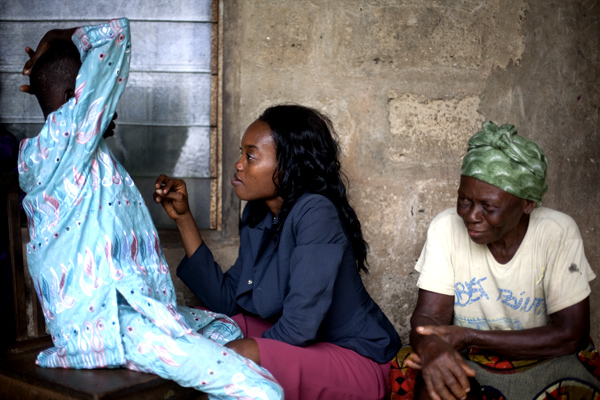
Lucca Bertollini’s film Nameless Children chronicles the extraordinary journey of Caddington preacher Leo dos Santos, who resolved to tackle the humanitarian crisis of these youngsters who were cast out by their families, tortured, and left for dead.
Children may be accused by family members, village leaders or religious figures of having “witch powers” and being responsible for illness, misfortune or other problems affecting their families or communities. In some cases, religious leaders reinforce these accusations because they are believed to have a special spiritual ability to identify witches.
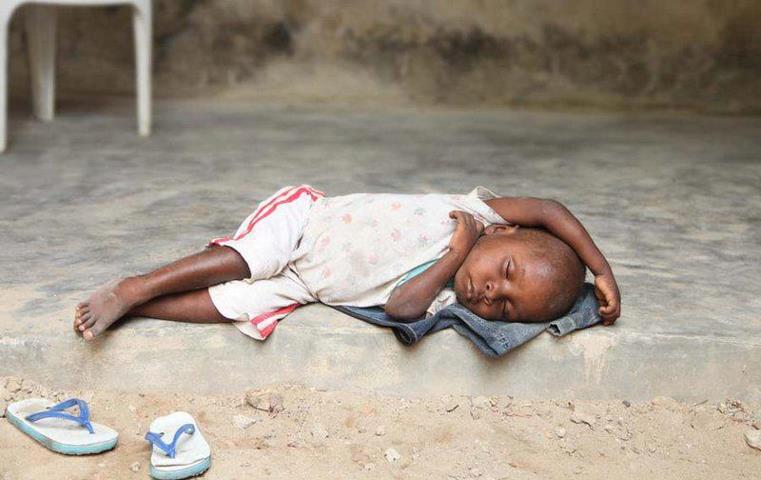
Once accused, children can face severe abuse, attempts to force them to “confess” or be “healed”, and in the most extreme cases, death. Others are simply expelled from their homes and left to survive on the streets, often with no food, water or protection.
What makes the situation particularly difficult is that these beliefs can be deeply rooted in some communities. People who try to rescue or protect the children can themselves face hostility, because they may be seen as interfering with religious or cultural beliefs.

Lucca explained: “What began as a one-month trip to Nigeria became a lifelong humanitarian mission. Leo eventually founded an orphanage that became a place of sanctuary, safety, education and love for children who had nowhere else to go.
“Though he returned home, he continues to travel back to Nigeria with volunteers, sustaining a lifeline for hundreds of vulnerable children. I have spent years documenting Leo’s journey, using more than 15 years of rare personal footage, and the story has now been released on Amazon Prime.
“Intimate and unflinching, I hope the film captures Leo’s most powerful encounters – moments of pain, resilience, and redemption – while shining a light on the larger struggle against fear, superstition, and abuse. It aims to be both a record of extraordinary devotion and a testament to the enduring strength of compassion.”
Lucca is a Brazilian filmmaker with a background spanning narrative features, documentaries, and social impact media. As a producer, he worked on the feature films Ménage (2021) and Coração de Cowboy (2018), the latter of which received extensive international recognition, including more than a dozen awards worldwide, including Best Foreign Language Feature at the Orlando Film Festival.
Beyond producing, he has written, directed, and edited more than 20 short films.
“In 2019, my work documenting the refugee experience led to me being named a finalist among 5,000 global entrants in a UNHCR-sponsored competition. Across all my work, I try to focus on the ‘quiet resilience’ of individuals facing systemic struggles, creating human-centred stories with strong emotional and social resonance.”
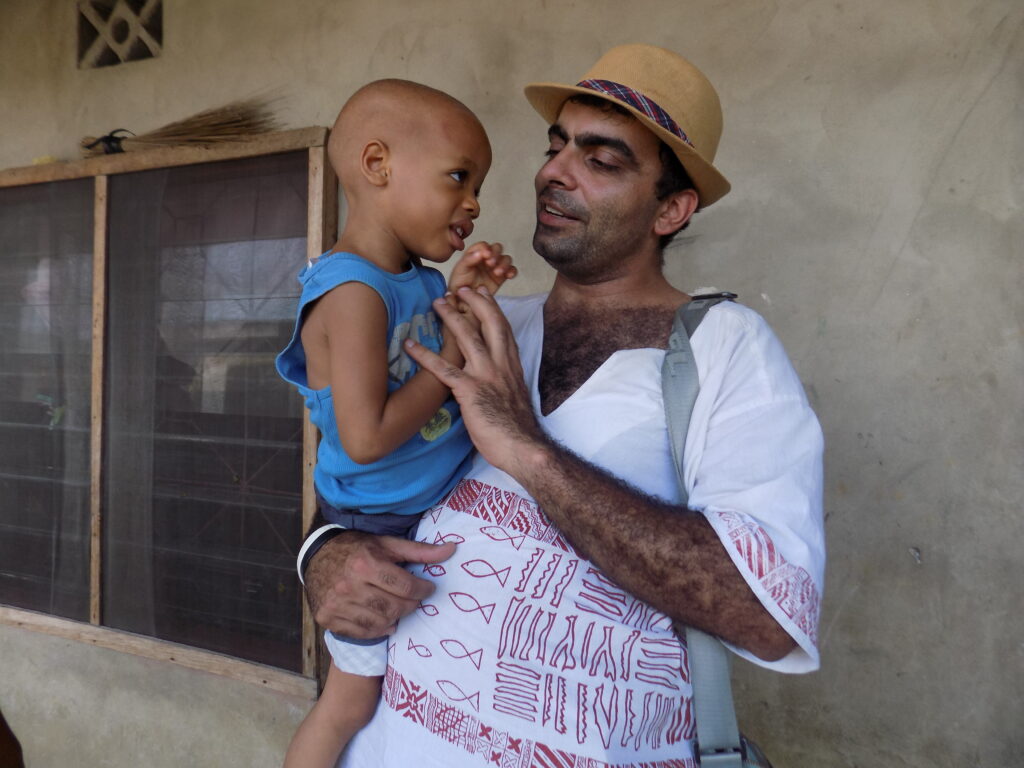
Lucca met Leo five years ago, and was struck by his quiet resilience in eh face of impossible odds: “Leo wasn’t a young dreamer chasing recognition; he was a family man with a wife and children of his own who chose to fight daily for dozens of vulnerable children in another country – often with limited time, resources, or institutional support.
“Beyond Leo himself, I was deeply moved by the incredible work of Diana Akinamoh in Nigeria and the network of volunteers who have worked tirelessly behind the scenes over all these years.
“As a Brazilian who spent over 30 years surrounded by similar silent battles against poverty and inequality, their collective struggle deeply resonated with me. His story wasn’t about flashy headlines or heroic tropes; it was about an unglamorous, daily commitment to keeping hope alive for these children.”
His own experiences in Nigeria proved very harrowing, but also full of surprising joy.
“There were difficult moments, particularly confronting the sheer scale of the systemic obstacles Leo and the children face every day – the severe lack of resources, the absence of institutional backing, and seeing opportunists try to exploit the suffering of vulnerable people for personal gain.
“But there were also incredibly meaningful moments. Witnessing the quiet joy of a child receiving a meal, seeing the steadfast dedication of the local team, and realising that every day the doors stayed open was a major victory. It reinforced my belief that no act of compassion is ever wasted.”
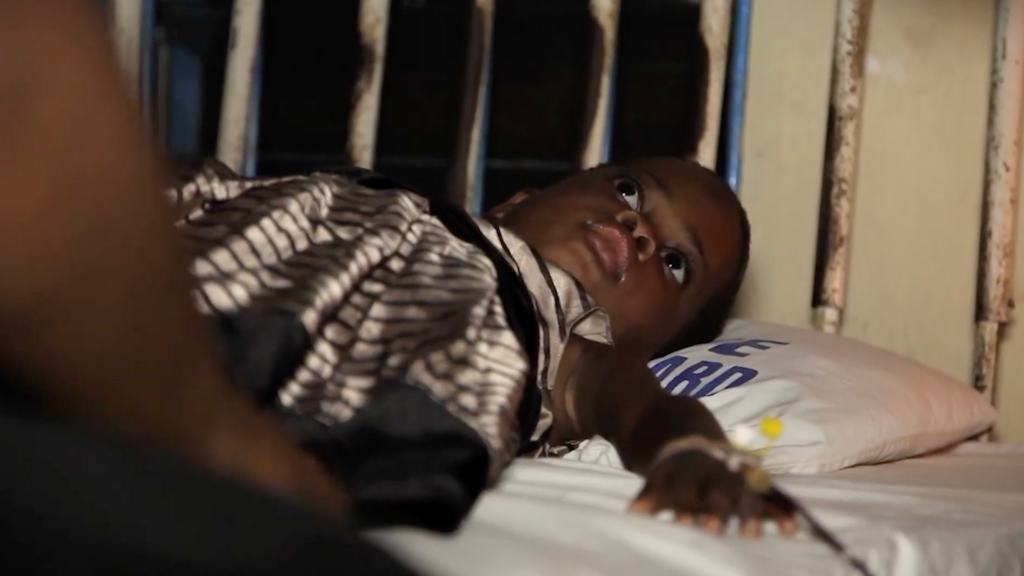
Although the documentary project itself began around five years ago, Leo’s work in Nigeria had already been going on for around 15 years, which meant the film was based on two different timelines.
“Over the five years of making the documentary, we created a significant amount of new material, but we also worked extensively with footage that had been filmed throughout Leo’s journey over the previous years.
“Bringing those different periods of his life together and shaping them into one coherent story was a major part of the filmmaking process.
“It took so long partly because, much like Leo’s orphanage, our production had to navigate a constant shortage of resources. Along the way, however, we were fortunate to have the support of dedicated industry professionals who believed in the cause and gave their time and talent to help us finish the project. We simply couldn’t have done it without them.
“Considering all of these constraints, seeing the finished film released on Amazon in more than 15 countries is something we all consider a massive victory. After five years of work, and after drawing on 15 years of Leo’s journey, it is incredibly meaningful to finally see the story reaching audiences.”
Now Nameless Children has been released, Lucca is hoping to continue his working relationship with Leo: “Leo and I share an interest in taking elements of his story into a feature fiction project. We know there is a long road between a documentary and a fiction film, and there is a lot to develop before that becomes a reality, but we believe the story has the potential to be explored in a different cinematic form.
“For now, making Nameless Children was the first step. Hopefully it won’t be the last.”