10 Nov 2025
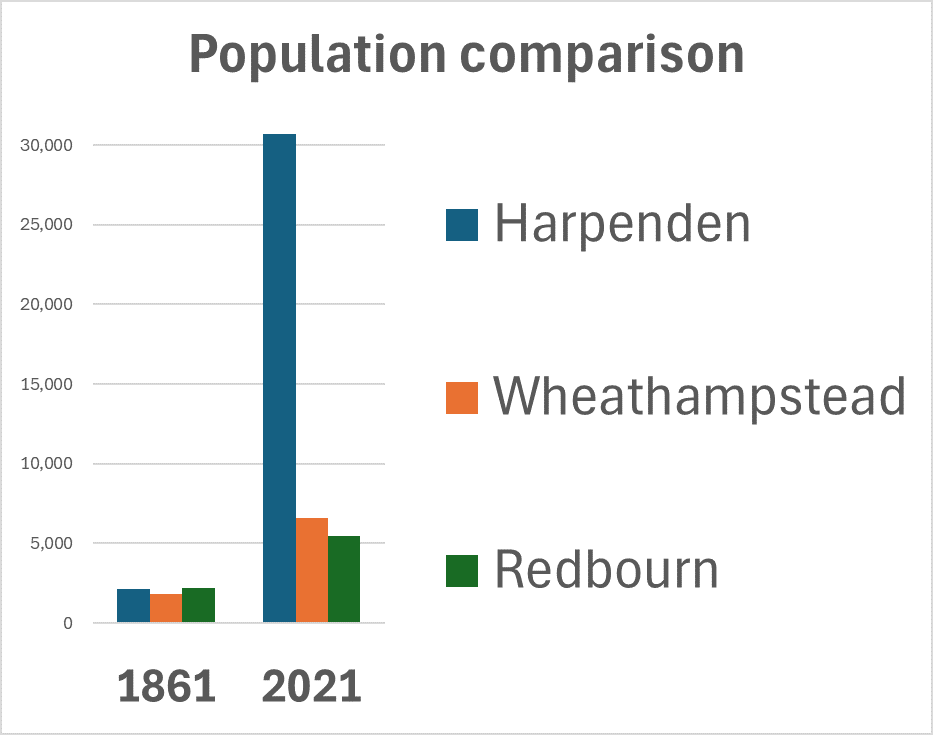
The story of how Harpenden transformed from a rural village with a population of 2,000 in 1860 to the town of approximately 30,000 today is the subject of a forthcoming lecture by the town’s history society.
Philip Smith presents Growth of Harpenden: 1860 to 2040 at High Street Methodist Church on November 18 at 8pm.
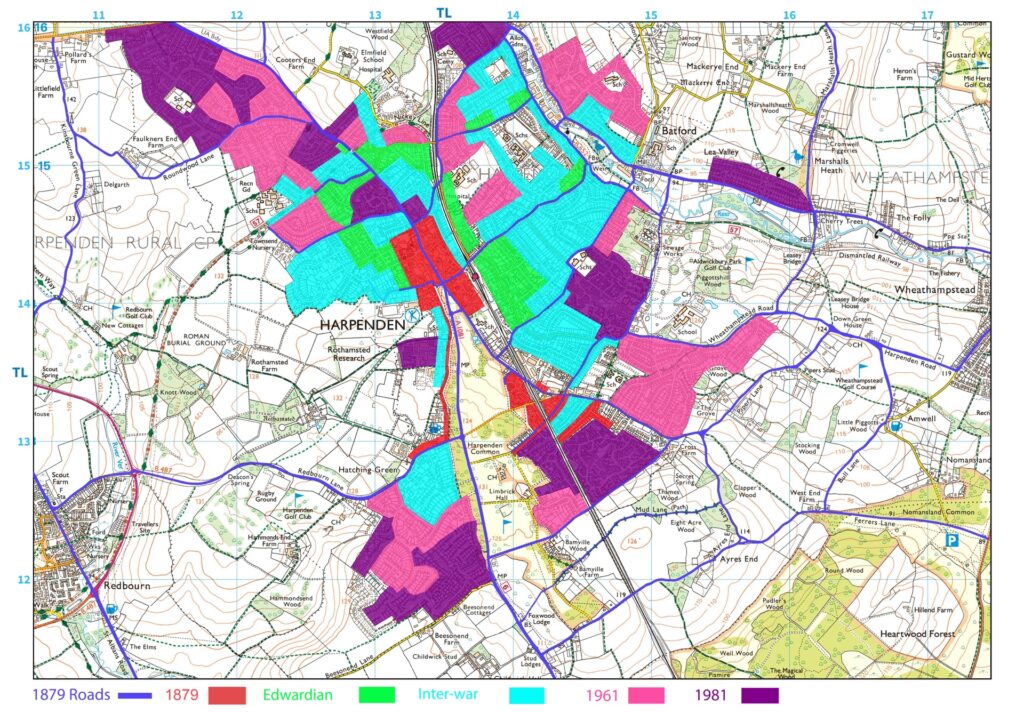
He said: “Harpenden grew organically between 1860, when Harpenden, Redbourn and Wheathampstead were all a similar size, and 1980 at a growth rate five times above the national average – population in 1980 was 28,000. The trend then revered from 1980 to today, with growth significantly below the national average. But where might we be in 2040!”
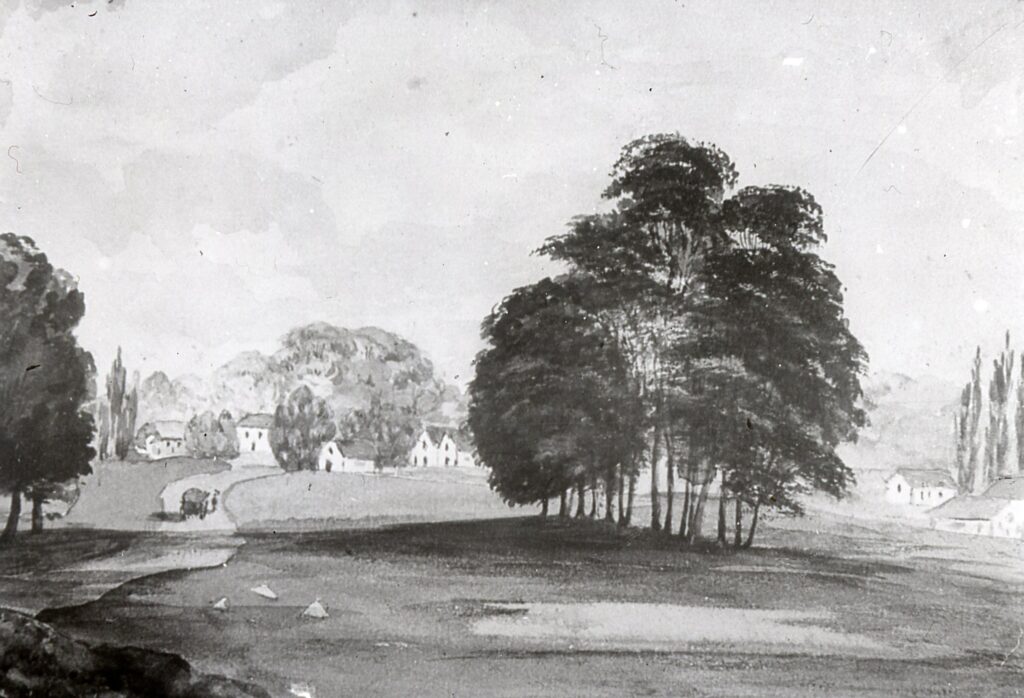
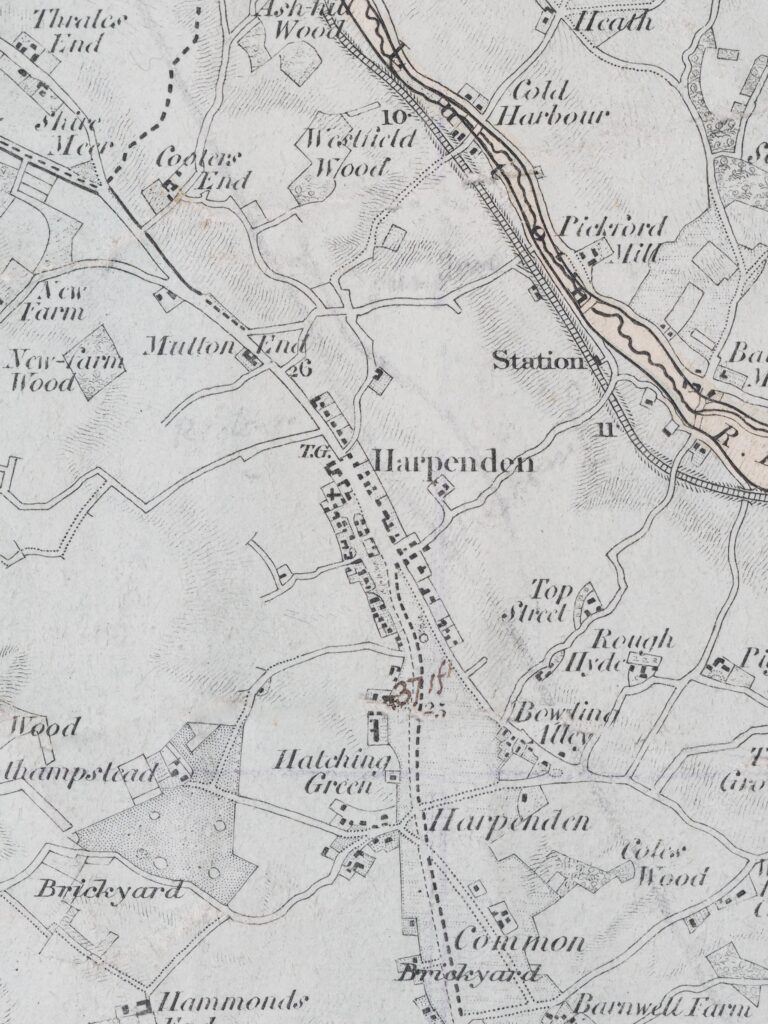
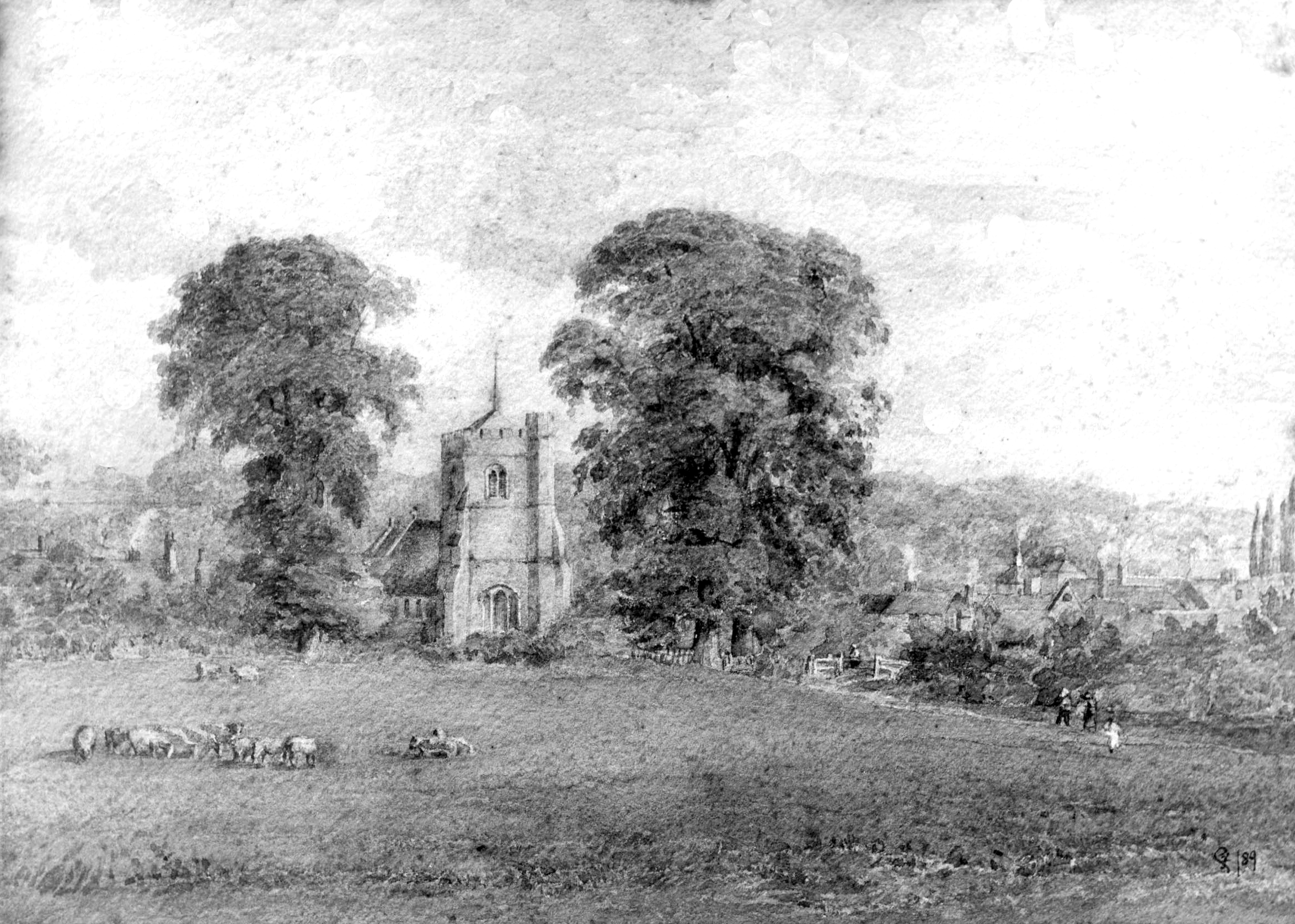
Drawing on maps, photographs, and paintings from the History Society archives, the presentation will also examine how the original pre-1860 village layout still dictates the layout of today’s town and how the railway triggered the growth – but it’s not all about commuting.
Lectures are free to Society members and students; visitors are welcome, and a £5 donation is requested. Booking is not required; just turn up. As well as free on-street parking in the evening, the Methodist Church benefits from direct pedestrian access at the back from Bowers Way (West) public car park, lower level, behind Sainsbury’s. Find out more at www.harpenden-history.org.uk