21 Oct 2025
One of the rarest animals in the British countryside has been spotted at a local wildlife meadow.
The Glis glis – or “edible dormouse” – can only be found in the UK in a 200 sq mile triangle in south-east England near the Chiltern Hills.
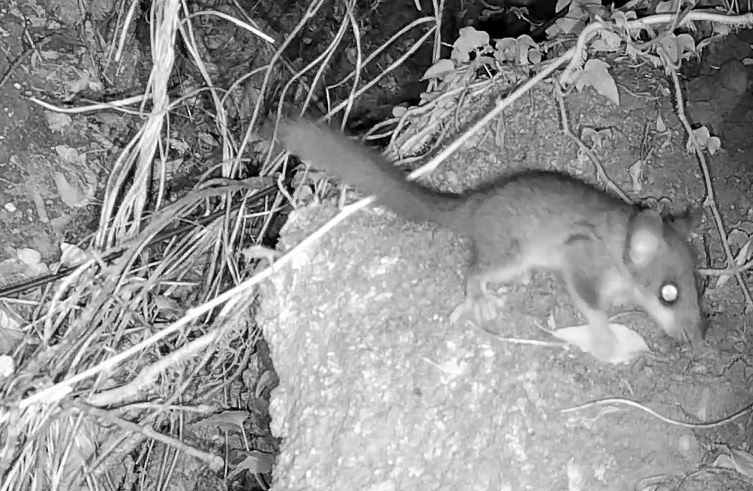
It is the descendant of Glis glis kept in the private collection of banker and zoologist Lionel Rothschild at his home in Tring, which escaped in 1903 and established themselves in the wild. They can be found between Beaconsfield, Aylesbury and Luton, but nowhere else in this country, and this one was spotted on a hidden wildlife camera.
Larger than the domestic dormouse, about the size of a small squirrel, it has now been discovered at Bedmond Lane Wildlife Meadow in St Albans. Glis glis are a protected species and it is an offence to disturb them without a licence from a wildlife authority.
Dr Robert Wareing, who has been campaigning for decades to save the meadow from development, said: “When we saw the Glis glis on the video, it had us all scratching our heads as to what on Earth it was. Is it a squirrel? … No, too small. Is it a mouse? … (with a bushy tail like that!) … No. Is it a shrew? … Nope (it hasn’t got the long nose).
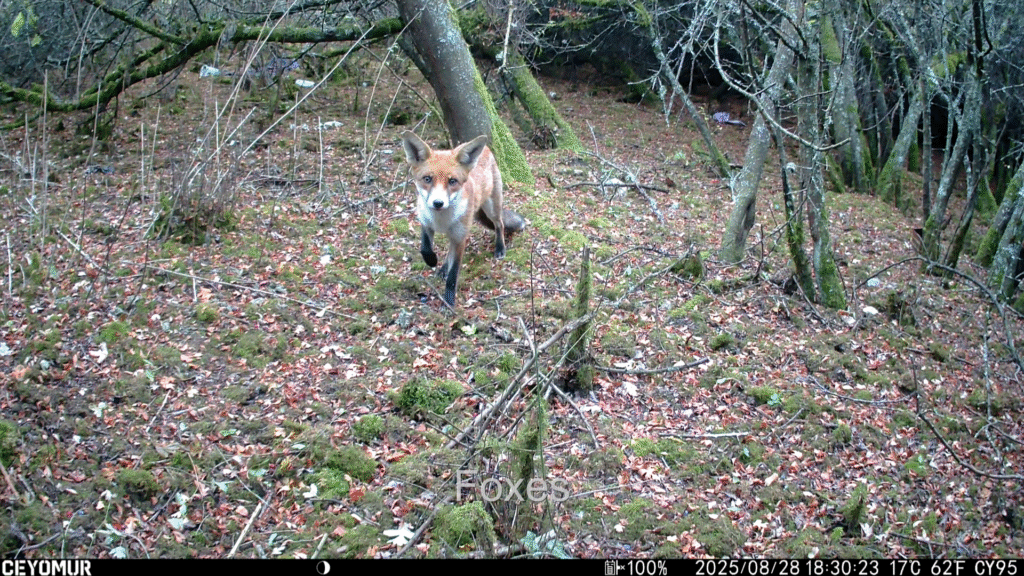
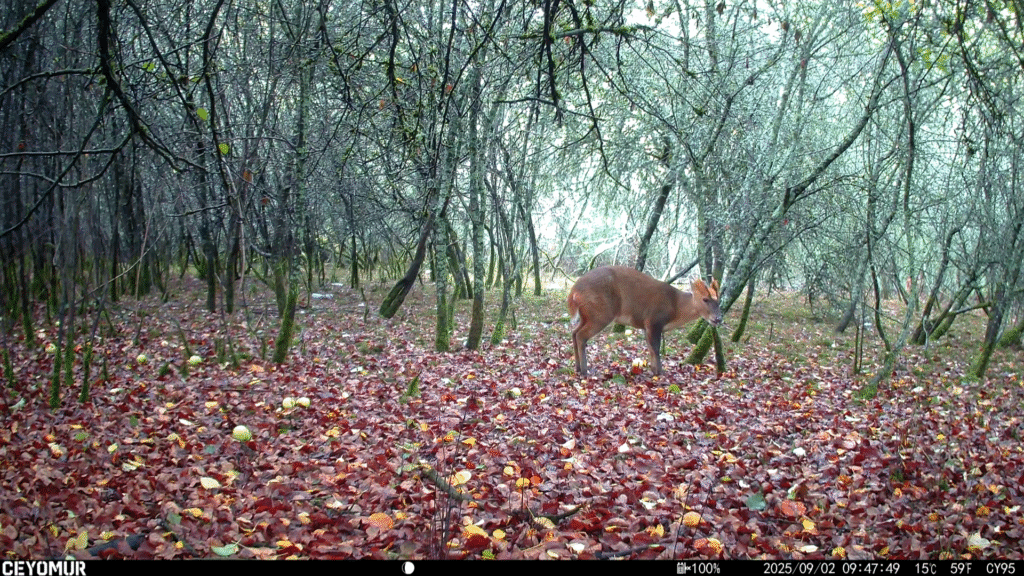
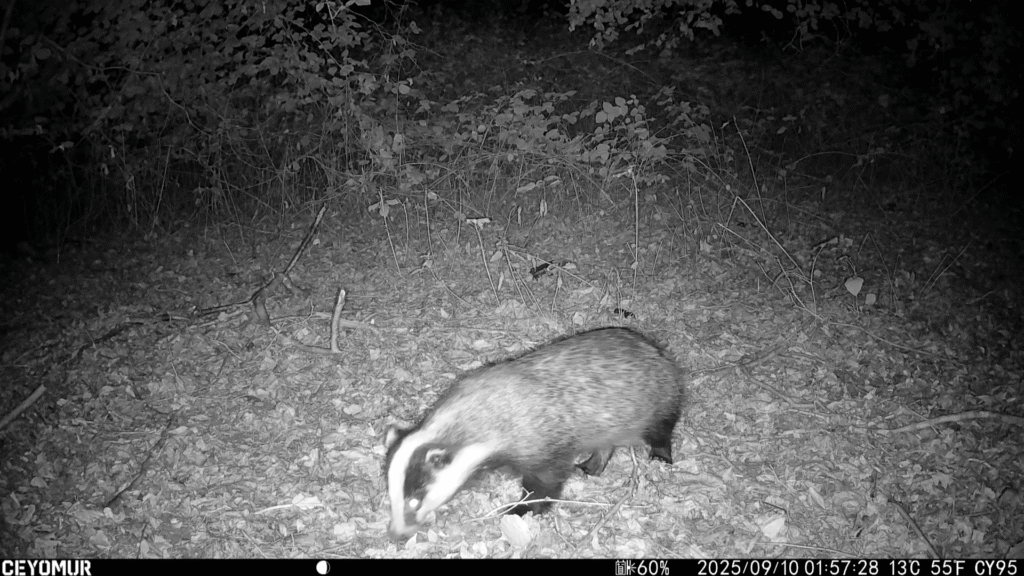
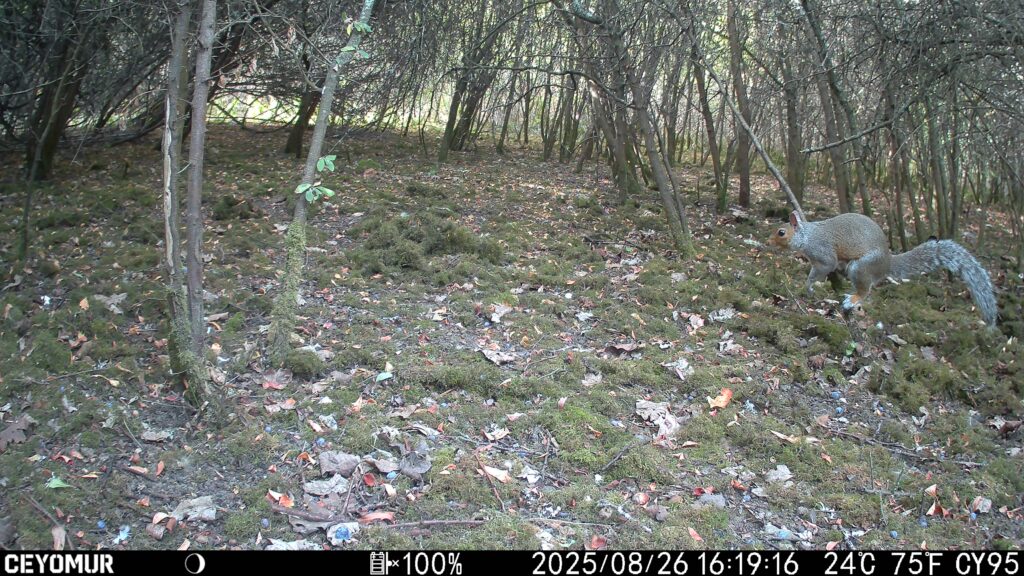
“The only thing that is certain is that it joins the badgers, bats, muntjac deer, foxes, rabbits, squirrels, hedgehogs, rats (which it is not) and lots of other animals, insects and plants that call Bedmond Lane Wildlife Meadow their home.
“Puzzle solved: It’s a Glis glis (otherwise known as an edible dormouse (because in Roman times it was reared and fattened and eaten as a delicacy). Its habitat is rather limited and centred around Tring.”
The meadow is also home to muntjac deer, which also escaped from the same Rothschild Collection, and whose barking can occasionally be heard.
Bedmond Lane supports a massive range of biodiversity, with a complete and diverse ecosystem, and covers 14.5 acres of countryside next to the south-west corner of Verulamium Park.
Dr Wareing added: “Countless other wonderful creatures all call this meadow ‘home’. For instance, an incredibly disparate range of species of insects, especially many different varieties of butterflies, moths and bees.
“Significantly, two protected species of butterfly have also been sighted, the white-letter hairstreak and the small heath.
“A large range of birds – from red kites, kestrels and owls, to robins, goldcrest, cuckoos and green woodpecker, jays and sparrows – create a melodious meadow chorus. And lots and lots – an infinite number – of invertebrates enjoy this environment. The landscape is also peppered with mounds and domes of ant hills.
“The meadow also welcomes many occasional visitors: pheasants and partridges seek sanctuary from the nearby Gorhambury Estate shoot; together with herons, ducks and geese who fly in from nearby Verulamium Park to graze. Even the peregrine falcons from St Albans Cathedral are occasionally seen scouting for food above the meadow. Swallows, too, are sometimes seen gracing the sky.
“The biodiversity and breathtakingly rich mosaic of different forms of life this meadow sustains is unbelievably spectacular. It is breathtaking and needs to be seen to be believed. And its value to the environment is immense.”
Bedmond Meadow is also the location of the locally and nationally rare lizard orchid which has legal protection – meaning it would be an offence to intentionally or recklessly destroy it.
But Cala Homes, owners of the meadow, have declared their aim is to build 78 houses on the site, and SADC have controversially included it in their draft Local Plan.
The council’s selection of sites proposed for release from the Green Belt is based upon the Ove Arup & Partners Limited report on the Green Belt Review of June 2023 (‘The Arup Report’), but Dr Wareing says they have failed to consider the biodiversity of these areas.
When the wildlife meadow was originally included in the Plan, Matthew Dodds, the planning and biodiversity manager at Herts and Middlesex Wildlife Trust, condemned SADC for making a mockery of its own environmental credentials.