14 Aug 2025
The appeal decision giving permission for former tourist attraction Butterfly World to be used for a car storage facility is set to be quashed.
Planning inspector Andrew Walker granted permission for Bud Rescue and Recovery to operate from the Green Belt site last month, but the decision was made without any public consulation, despite campaign groups Keep Chiswell Green and Herts and Middlesex Butterfly Conservation saying they wished to have their say.
The Government’s Legal Department has now conceded that a procedural error was made which invalidates the decision, and Bud Rescue and Recovery’s application to remain and operate from the site will return to the Planning Inspectorate for a third time for redetermination.
The history of the Butterfly World site is long and convoluted.
In June 2009, Chiswell Green welcomed the Butterfly World Project on an 11 hectares site within the grounds of the Royal National Rose Society.
The initial planning permission granted was for Butterfly World to be a visitor attraction, offering educational opportunities to school groups, leisure opportunities for families, and lepidopterology research and cultivation facilities, to include a 100m biome to house 10,000 butterflies. Its aim was to be the world’s largest butterfly house and it had the support of UK charity, Butterfly Conservation, and Sir David Attenborough who was its patron.
Butterfly Conservation is a 40,000 strong registered UK charity whose objectives are to save butterflies, moths and our environment.
The Herts and Middlesex branch has 1,600 members and maintains butterfly records for the two counties, publishing a detailed annual report identifying all population trends and distributions as part of the national UK Butterfly Monitoring Scheme.
Butterflies and moths are important for several reasons; first, they are important pollinators, transferring pollen between flowers as they feed on nectar. Many plants rely on these insects for reproduction, and their pollination services are vital for both wild plants and crops.
They are also a significant food source for various animals – particularly in their caterpillar stages – including birds, bats, amphibians, and other insects. Caterpillars are especially important for feeding young birds, including many familiar garden species.
Additionally, butterflies and moths are sensitive to environmental changes, making them good indicators of the health of ecosystems. Changes in their populations, distribution, and abundance can signal habitat loss, pollution, and climate change impacts. Monitoring butterfly and moth populations can provide valuable insights into the overall health of the environment.
Butterfly Conservation started recording butterflies on the Butterfly World site prior to its opening; at that time, there were 10 species recorded.
Volunteers from the charity planted up a part of the site known as the Theatre of Insects as a habitat created from materials that provided opportunities for a wide variety of native insects to thrive. They also helped with the construction of the Butterfly Meadows, species-rich chalk grassland areas which are the best types of habitat in the UK for their ability to support a significant range of plant species, which in turn support specific butterflies, moths and invertebrates that are rare in Hertfordshire.
The importance of these chalk-rich grassland habitats has been recognised by local and national government and are a high conservation priority.
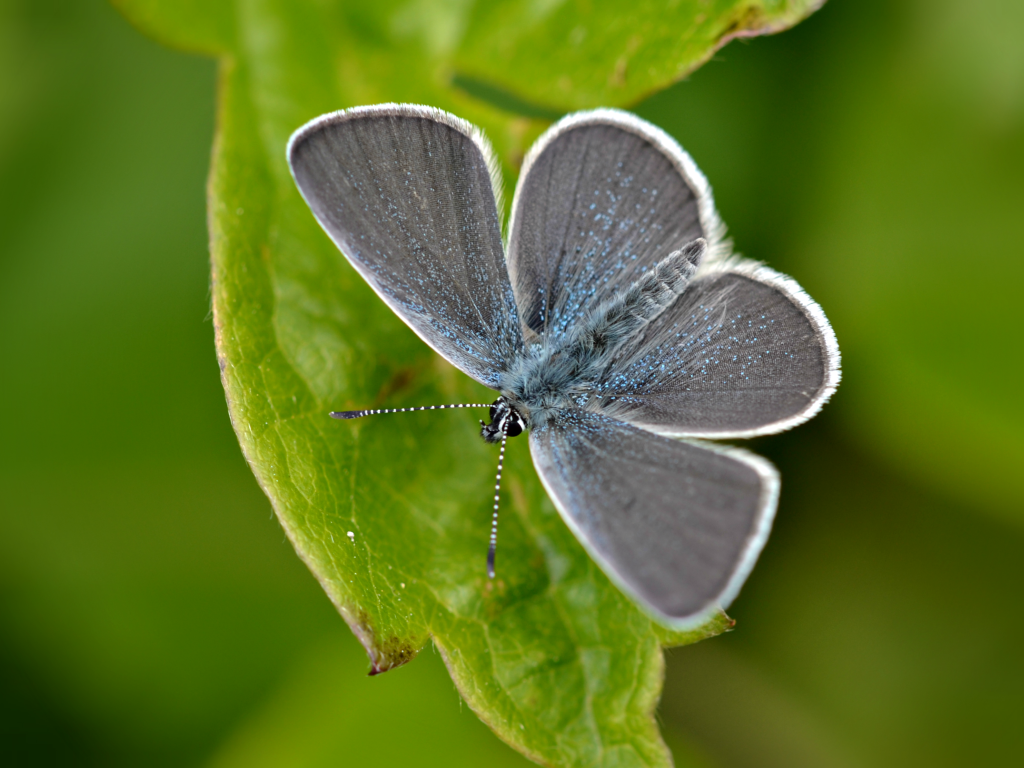
Due to sustained trading losses, the Butterfly World Project closed in December 2015, leaving the site in disuse. However, 30 species of butterfly were recorded on the site shortly after this, making the Butterfly World site one of the most valuable and diverse sites in the district for butterflies and moths. Notably, the site supports a significant colony of the Small Blue butterfly which had been extinct in Hertfordshire until 2005; by 2016, the Butterfly World site supported the largest colony in the county, but full recording of butterfly and moth populations has been prevented since then due to concerns for the safety of recorders while on the site.
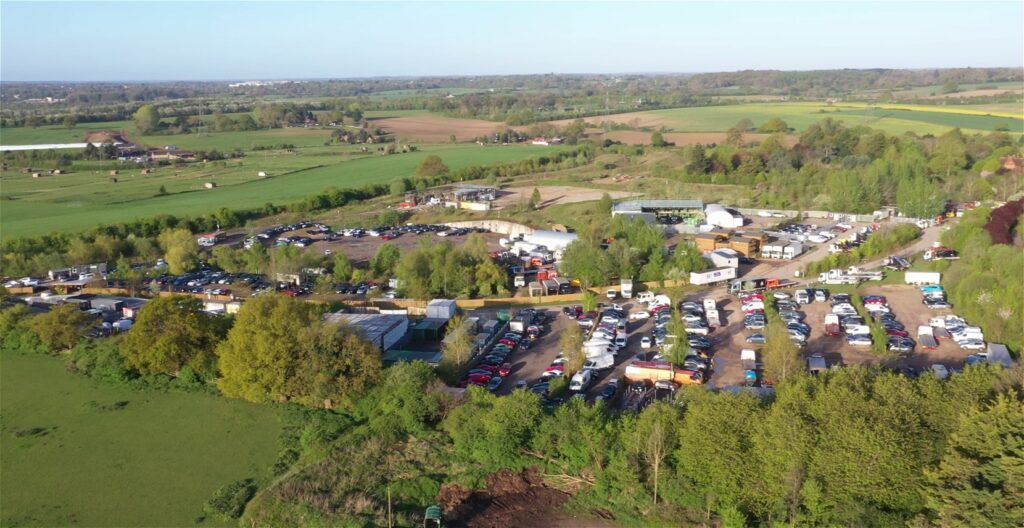
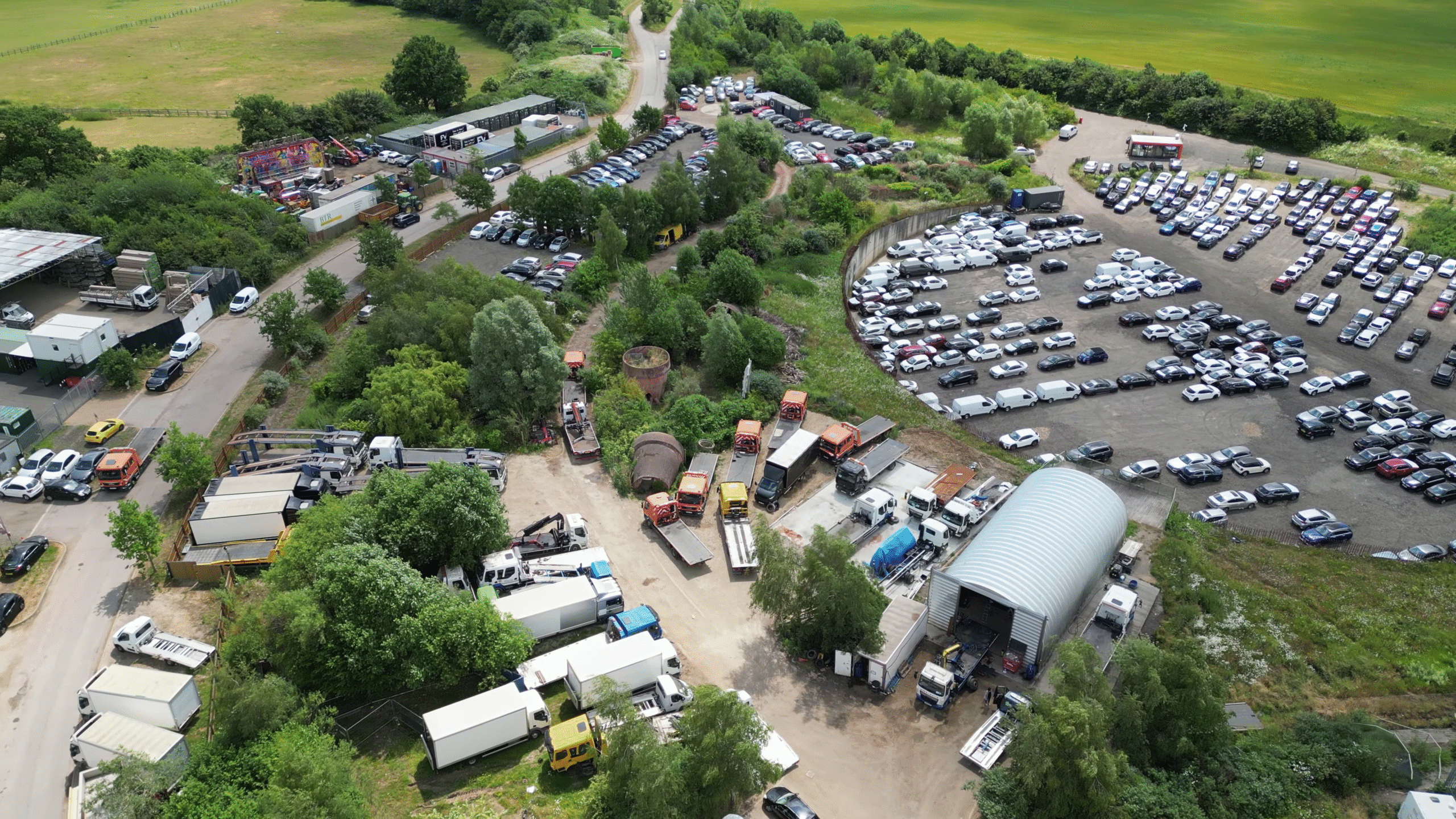
In 2020, the site was occupied first by Convene Construction and then by Bud Rescue and Recovery who have allowed the operation of a large range of vehicle businesses including the stationing of caravans and shipping containers, vehicle sales and maintenance, the storage of construction plant, materials and waste, and scaffolding equipment.
As local residents are well aware, the operations from this site are a noise nuisance to neighbours, as well as causing air and light pollution which is detrimental to local residents and to the insects on the site.
In July 2022, following public pressure – particularly from Malcolm Hull, chair of the Herts and Middlesex Butterfly Conservation group and Keep Chiswell Green – SADC eventually took enforcement action to stop the unlawful occupation and use of the site, against which Bud Rescue and Recovery appealed to the Planning Inspectorate.
In September 2024, Inspector Hitchcock dismissed both appeals, refusing Bud Rescue and Recovery permission to remain and operate from the site, and instructing them to vacate the site by mid-June 2025.
In early 2025, rumours heard by this paper suggested that Bud Rescue and Recovery had taken action in the High Court to overturn Inspector Hitchcock’s decision but local campaign groups were unable to substantiate them. Neither the planning portals of SADC or of the Planning Inspectorate shed any light on the matter.
In July 2025, a decision was published by Inspector Walker for the Planning Inspectorate (PINS). In a shock move, the High Court had quashed the decision by Inspector Hitchcock that supported SADC’s enforcement action, and remitted the decision back to the Planning Inspectorate, who had allowed the appeals by Bud Rescue and Recovery and granted them permission to remain on the Butterfly World site, while local residents had been kept entirely in the dark.
Concerned about the fate of the butterfly and moth populations on the site and the damage being done to the valuable habitats, Malcolm Hull questioned the lawfulness of this decision.
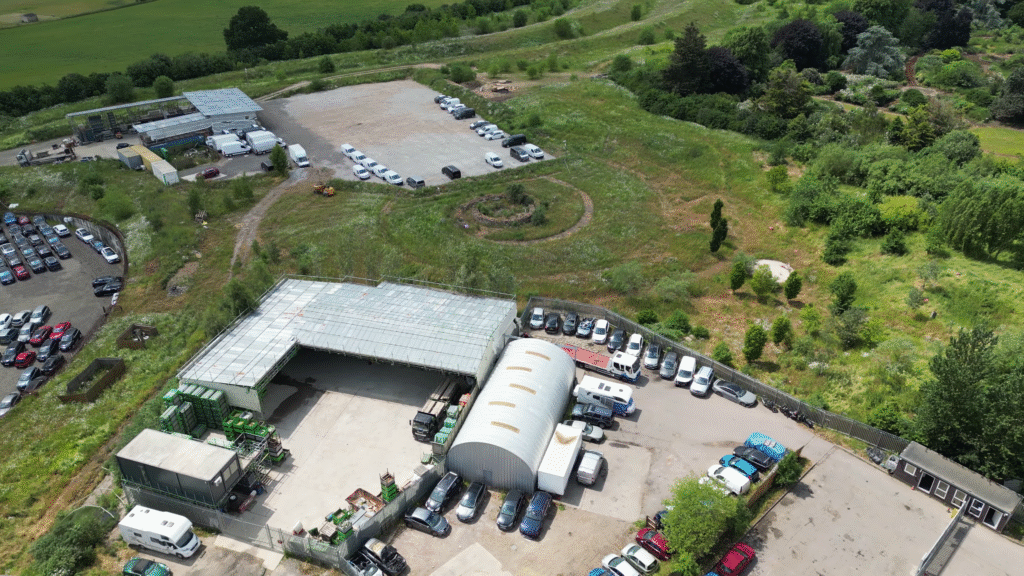
Working with Shirani St Ledger McCarthy, formerly of Keep Chiswell Green, and Cornerstone Barristers, Malcolm successfully identified certain procedural failures; the
failure of the Planning Inspectorate, and consequentially SADC, to notify local residents and interested parties of the remittance of the appeal to PINS, and the lack of public consultation before the appeal was decided, constituted procedural failures and rendered the decision of Inspector Walker unsound.
As a precursor to a claim to the High Court for Judicial Review, Cornerstone issued a Pre-Action Protocol letter to the Secretary of State, to SADC and to Bud Rescue and Recovery.
The evidence presented was so clear and irrefutable that the Government’s Legal Department conceded the claim at this initial stage, with SADC and Bud Rescue and Recovery following suit. The uncontested claim is now being submitted to the High Court for a consent order for the appeal decision to be quashed.
“I’m delighted at the decision to revoke the planning consent for car parking on the Butterfly World site. A fair planning system which allows people to have their say is an important part of our democracy. Granting the consent without public consultation was clearly wrong and this is the right result.
“I hope the applicants will now cease their unlawful use and repair the damage caused to this valuable wildlife site,” said Malcolm.
The appeals by Bud Rescue and Recovery against SADC’s enforcement action will now be remitted for a third time to the Planning Inspectorate for redetermination. However, the concession by the Government’s Legal Department that the correct procedures were not followed last time means that local residents and groups will now have the opportunity to present important evidence to be considered as part of the decision.
“There is significant interest in the Butterfly World site from local residents due to the intrusive noise and disturbance from the site, as well as because it was a much-loved activity for families” said Shirani.
“Keep Chiswell Green wrote to the CEO of the district council in July 2022 asking for enforcement action to be taken, and responded to the public consultation in January 2023 which led to Inspector Hitchcock’s decision in 2024 to uphold the enforcement action. Now we have to fight this appeal again, but Malcolm’s determination to challenge the PINS decision, including going through the complications of taking the Government to Judicial Review, means that it will be a fairer fight for us all in the next round.”
Malcolm added: “It is absolutely essential that any decision about the future of this site gives serious consideration to the rare and highly valuable habitats that were created at Butterfly
World with significant effort, professional input and at great expense. The established presence on the site of the Small Blue butterfly (pictured) which is legally considered ‘a species of principal importance’, means that any decision must include an assessment of the site as a habitat for legally protected wildlife. I look forward now to being able to put forward a case that these habitats must continue to be protected, and even to be given Local Nature Reserve status.”
Shirani continued: “As local campaign groups gain experience of the planning system, and particularly of contributing to planning decisions and challenging decisions that are not in the interest of local residents, I anticipate that, as a district, we will become increasingly more successful at stopping the inappropriate development of our Green Belt. It’s hard work, and frustrating to see the bias, incompetence and even corruption in the system, but so rewarding when we are successful. The habitats and the wildlife at Butterfly World need our protection and we must do what we can for nature and the environment, for our future.”