30 Mar 2025
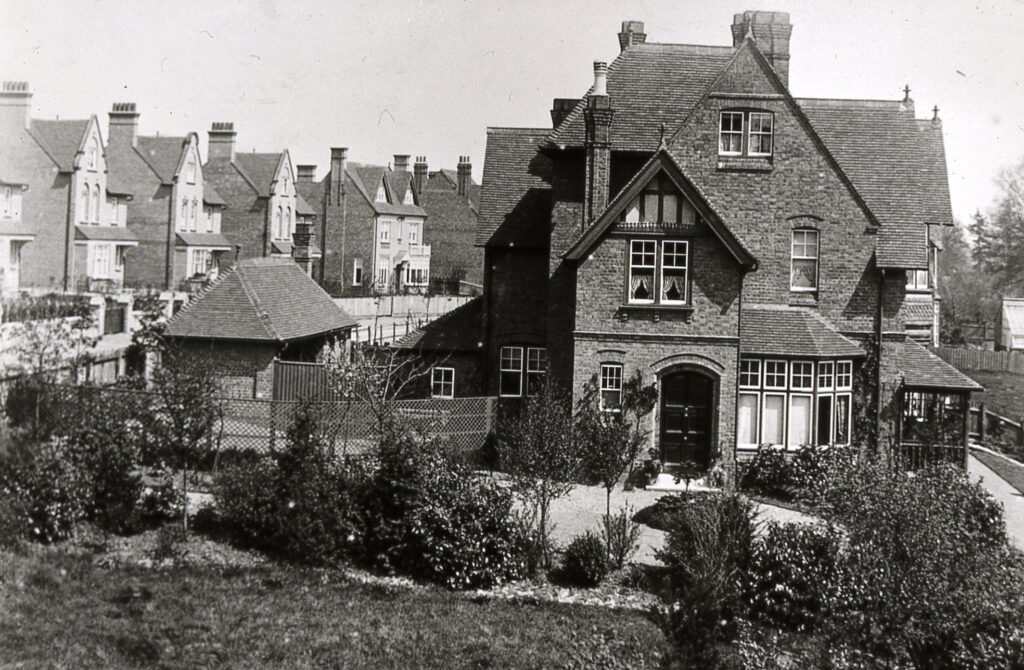
The arrival of the railway in the 1860s and the sale of farmland for housing were catalysts for change in Harpenden, which effectively became a town following the establishment of Harpenden Urban District on April 15, 1898.
The story of this period of growth features in the latest exhibition at Harpenden Museum, part of a series of instalments by Harpenden and District Local History Society.
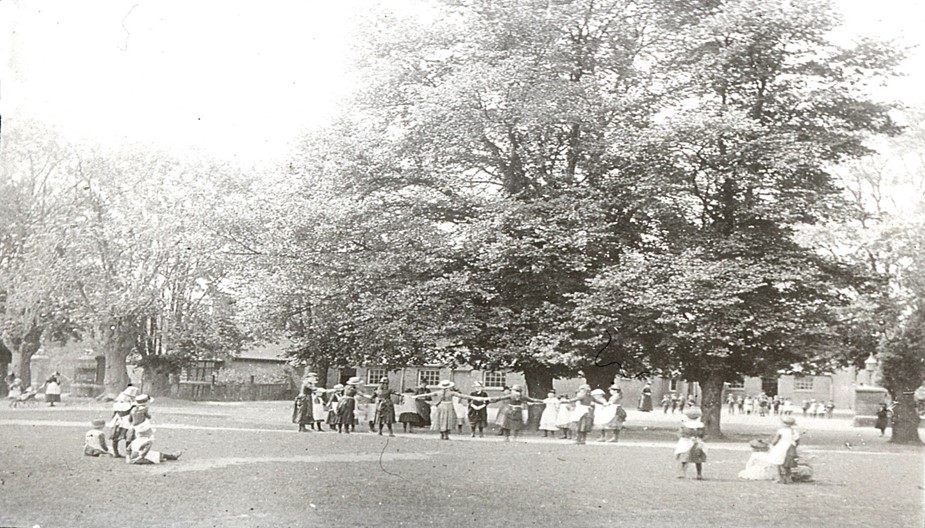
Apart from farming, the main industry up until this time had been cottage-based straw plaiting.
The Harpenden Echo of August 15 1919 reported: “There had been three schools where boys and girls were taught straw work and educated at 6d a week. In 1860 Sir J.B. Lawes built the British School, now Park Hall, and soon the plait schools closed down. From this time plaiting as a village industry for women decayed. By 1880 it had become unusual to see even older women at their open doors with fingers flying, plaiting and gossiping at the same time. Foreign plait so ruined the industry that a day’s work now only earned three or four coppers.”
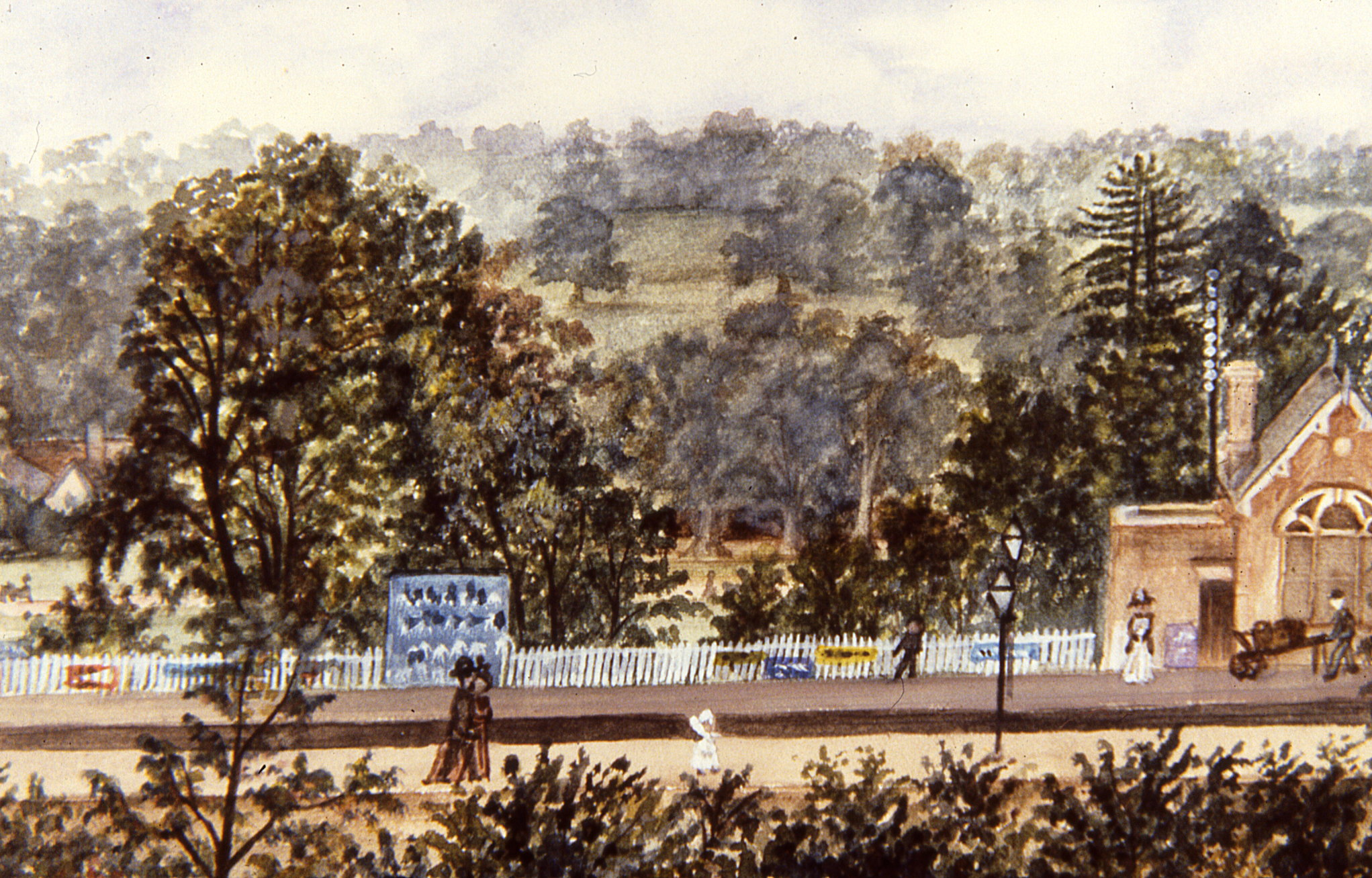
David Kendall, trustee and researcher with Harpenden and District Local History Society, explained: “Whilst Harpenden East Station at Batford, built in 1860, was a truly rural location, the main station, built in 1869, was also surrounded by fields as Station Road and Arden Grove had not been developed.”
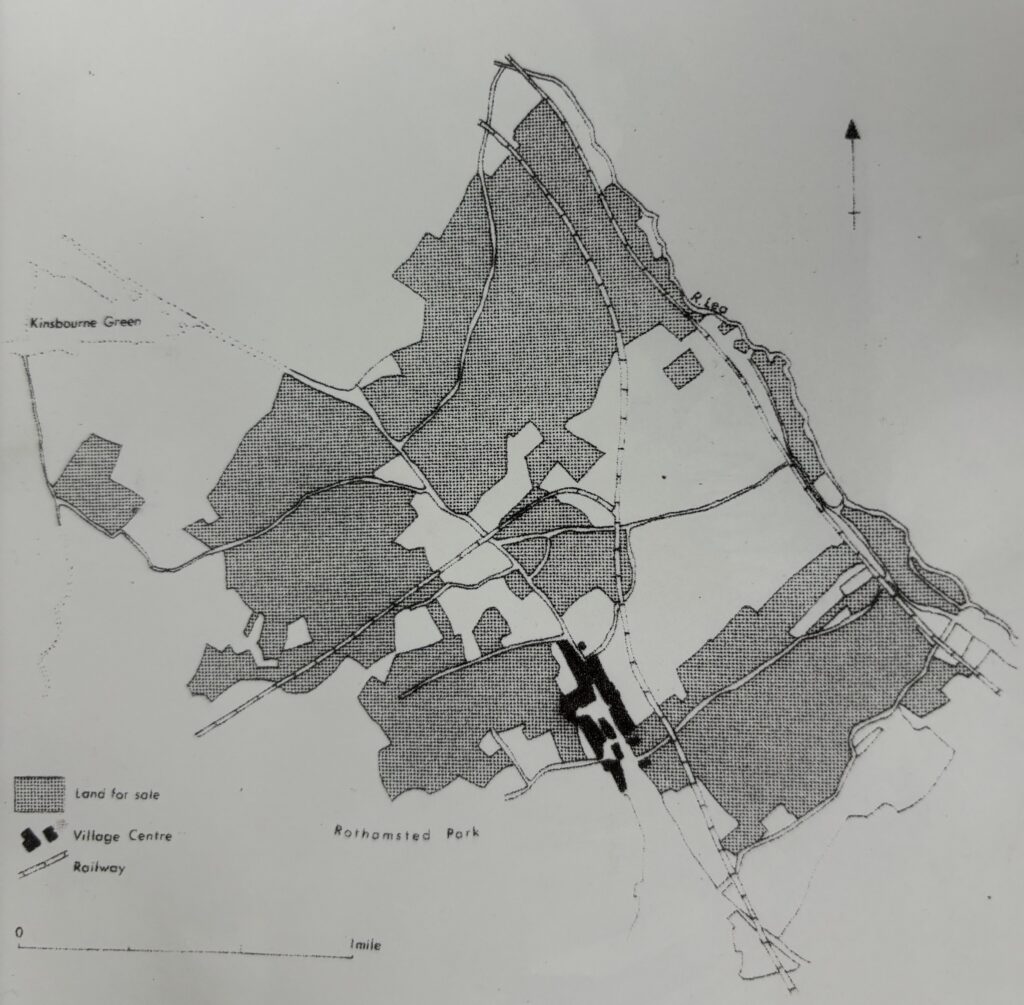
Again from the Harpenden Echo, this time on August 8 1919: ‘‘The great day in the history of Harpenden was 20 July 1882, when 1,000 acres of land in and close to the village was sold.”
The Packe and Pym Estate was originally owned by Godman Jenkyn of Harpenden Hall. The auctioning of this land initiated the development of Harpenden. The land was divided into multiple plots and sold to various builders, and
then often resold multiple times. But it wasn’t until the 1930s that it was all built on.
These stories and more feature in Harpenden – From Village to Town, which runs to April 26 at the Eric Morecambe Centre in Rothamsted Park and is open 11am-3pm on Tuesdays, Thursdays and Saturdays. Check the website for confirmation www.harpenden-history.org.uk