23 May 2024
The big guns of politics are being brought into play in a bid to win the battleground of Harpenden and Berkhamsted as the General Election campaign finally gets underway.
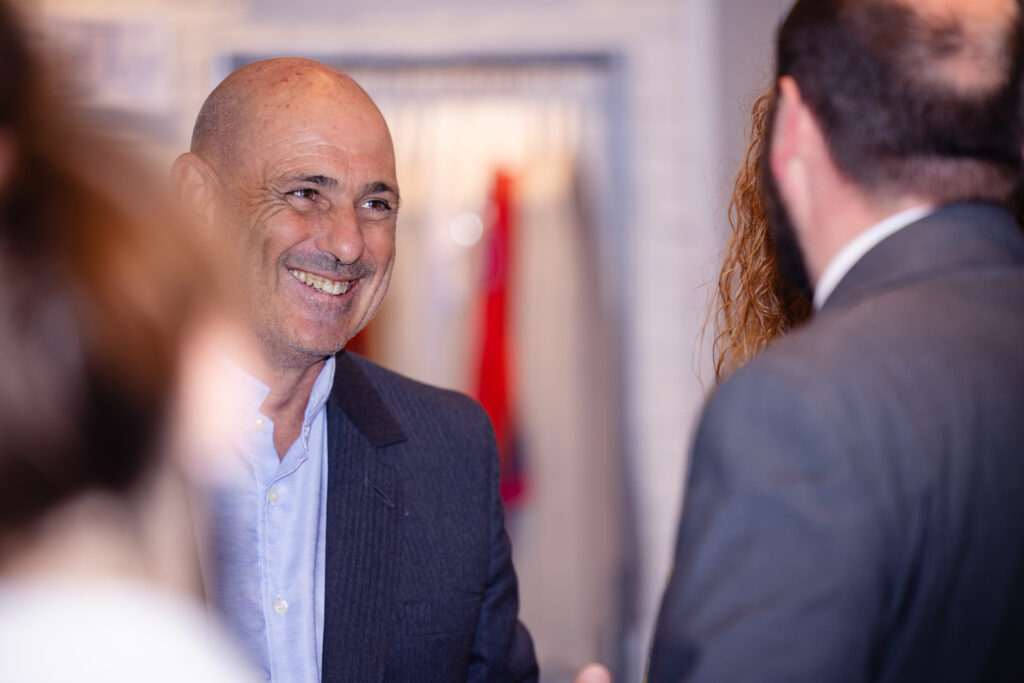
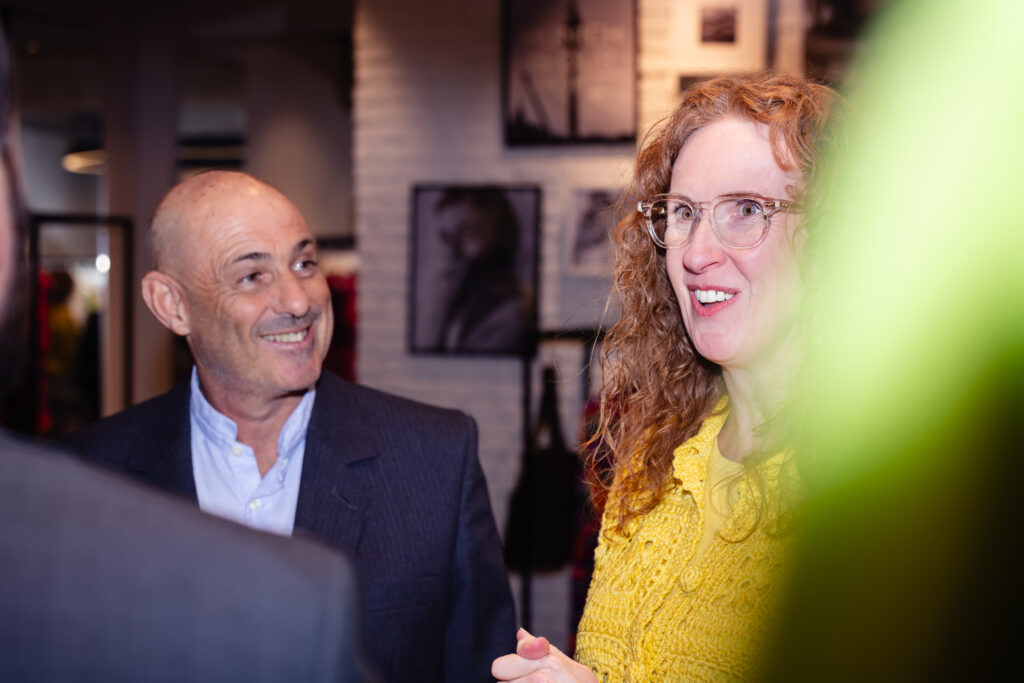
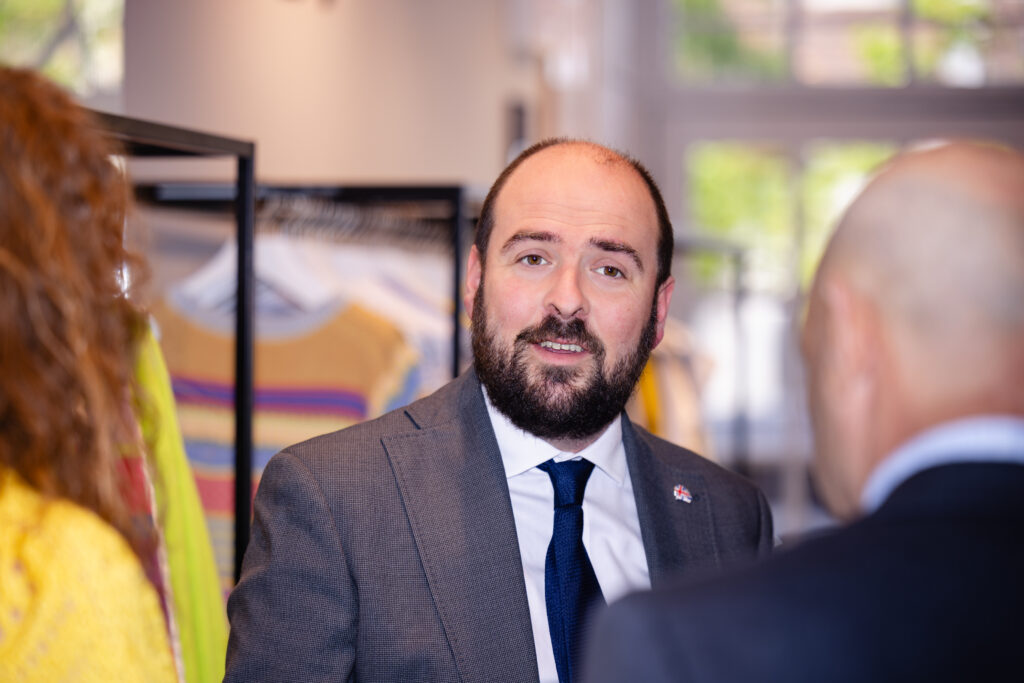
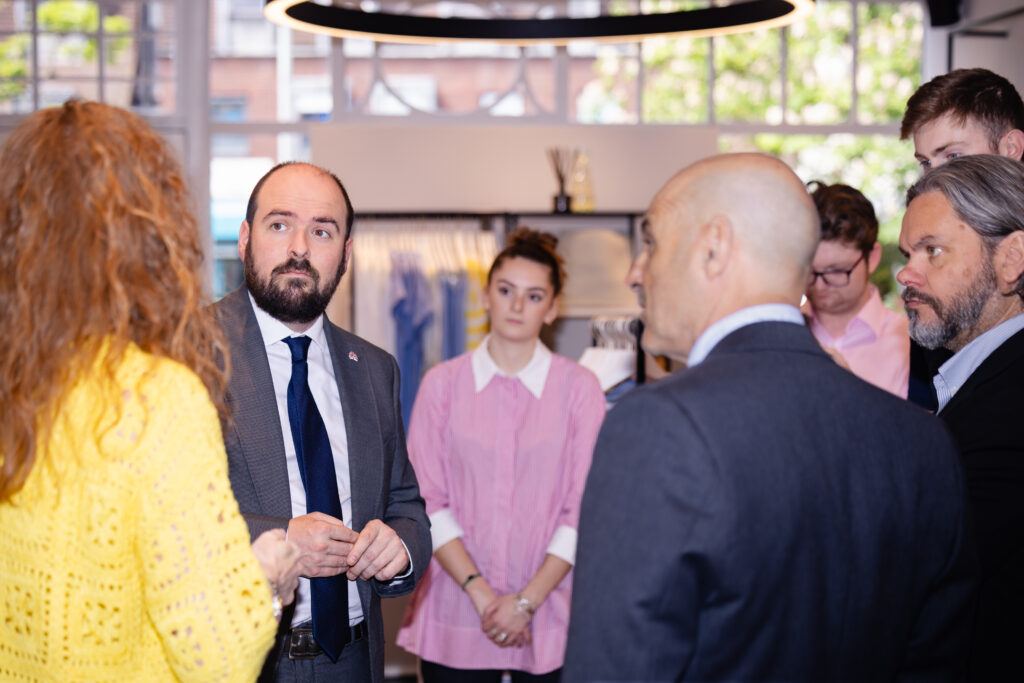
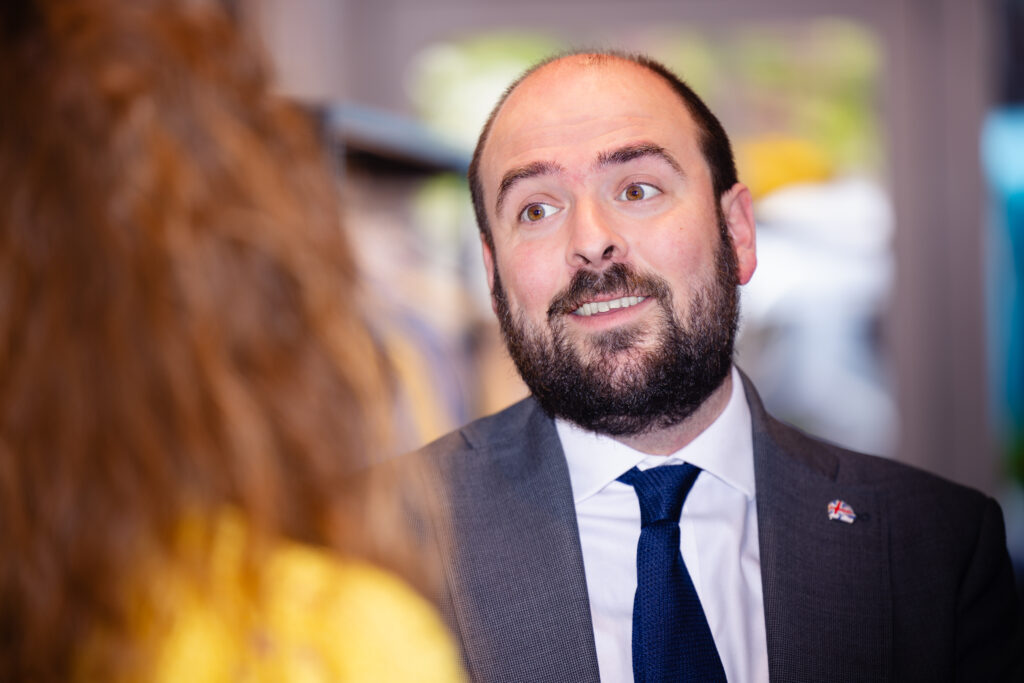
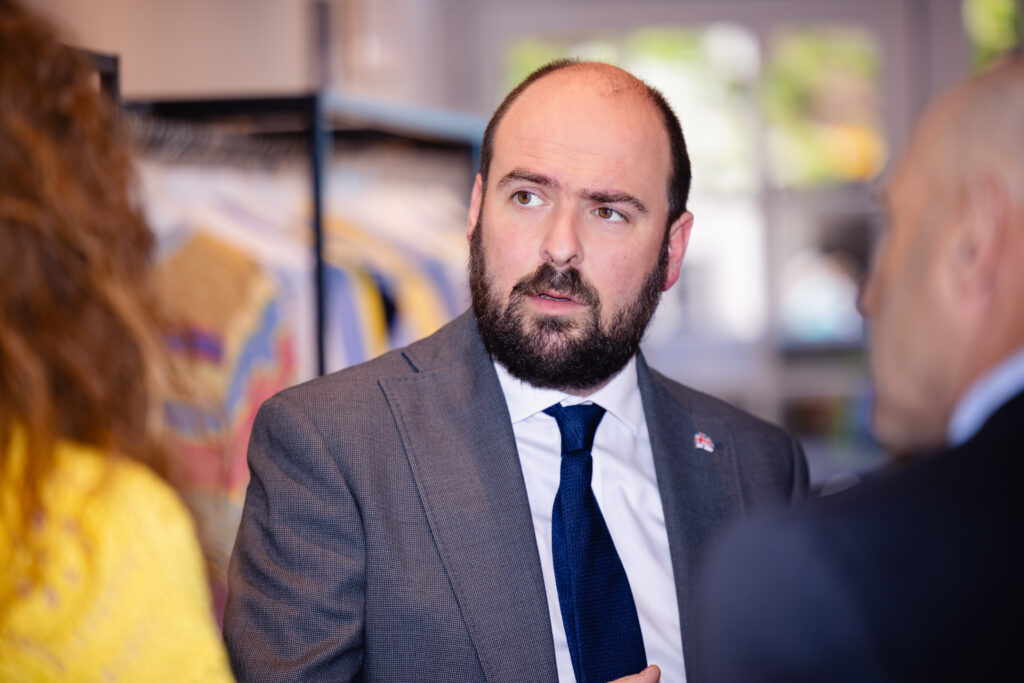
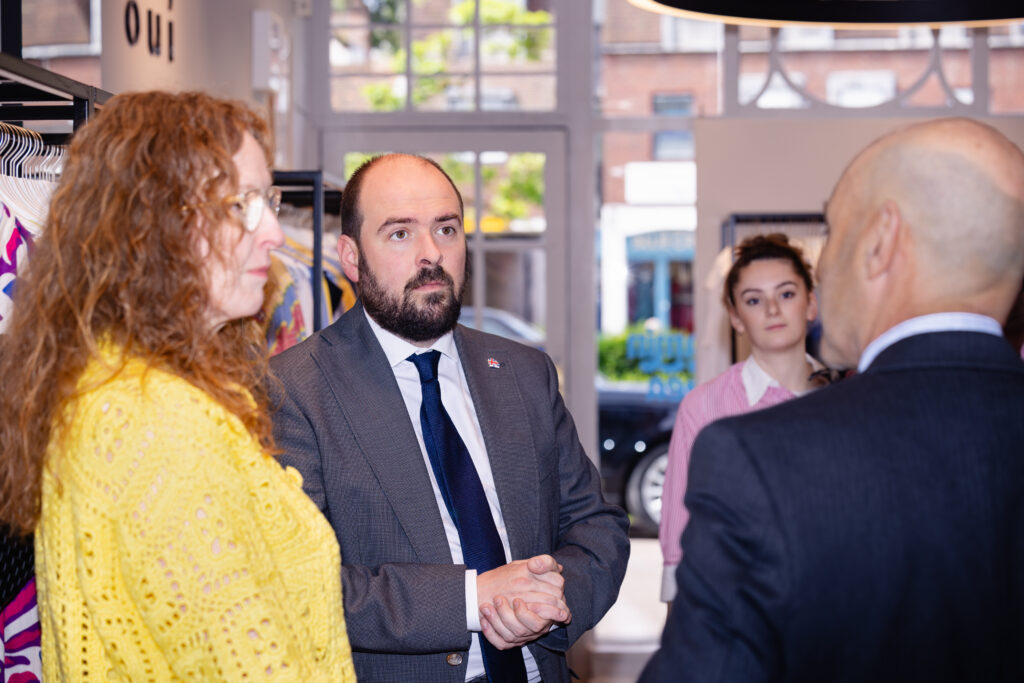
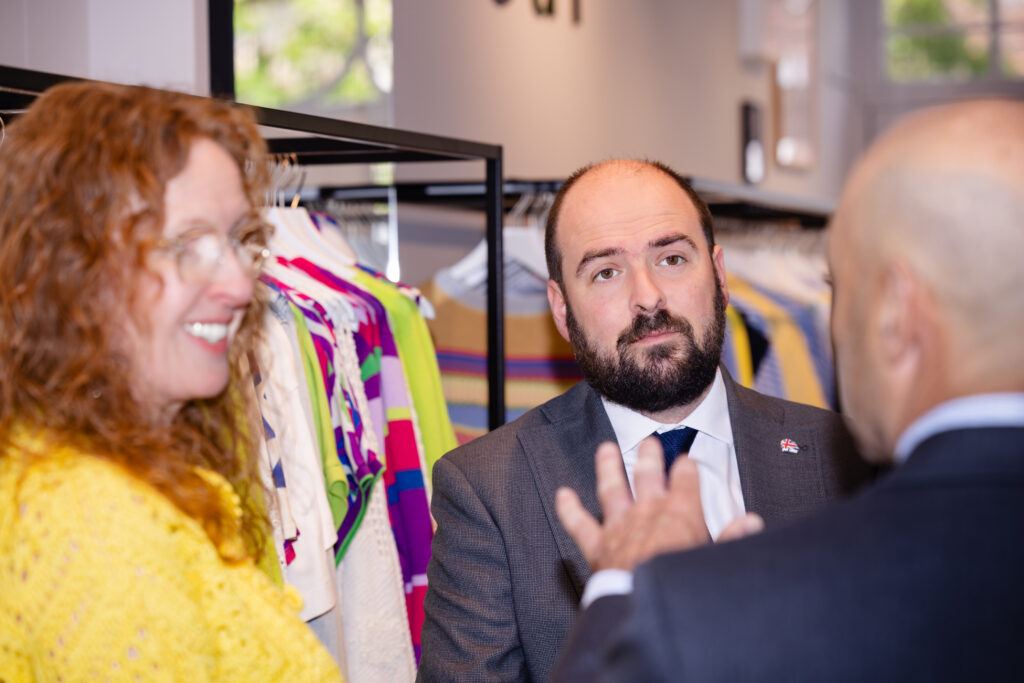
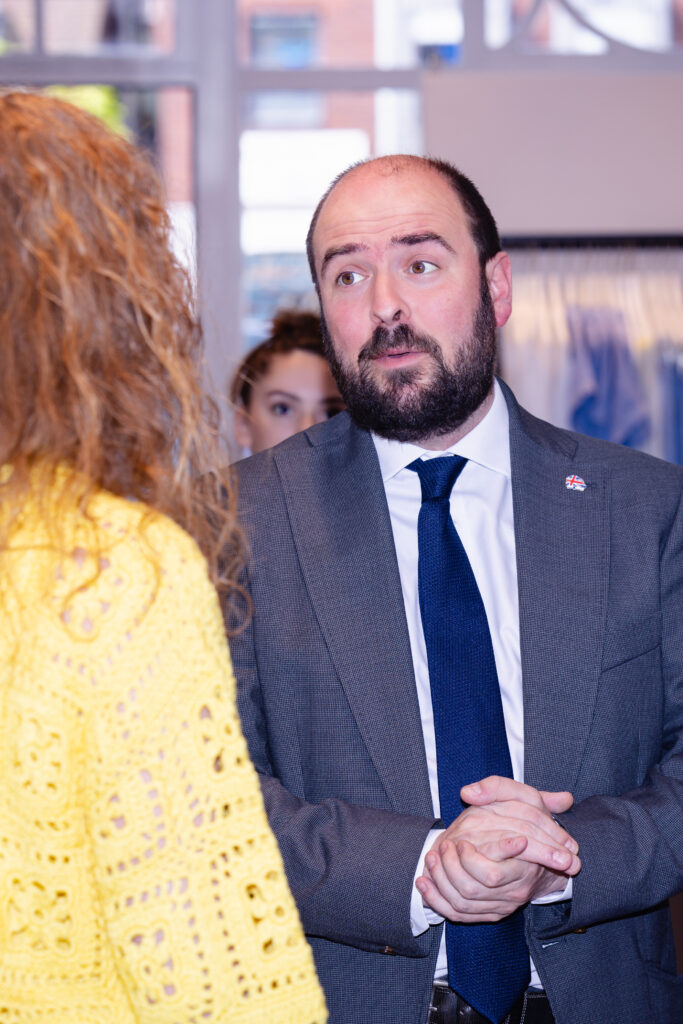
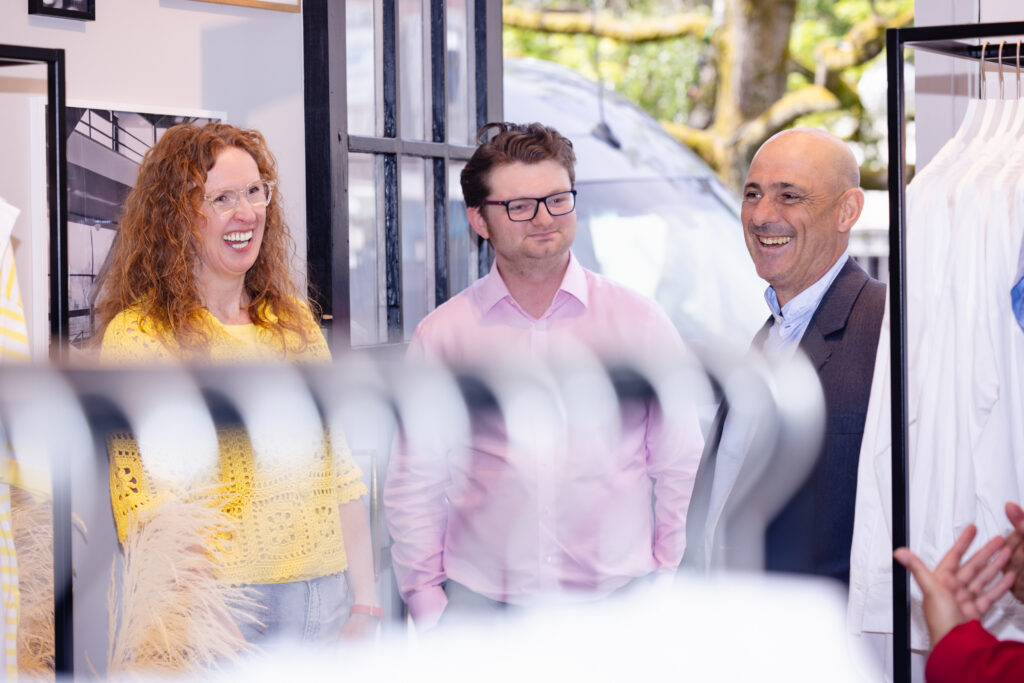
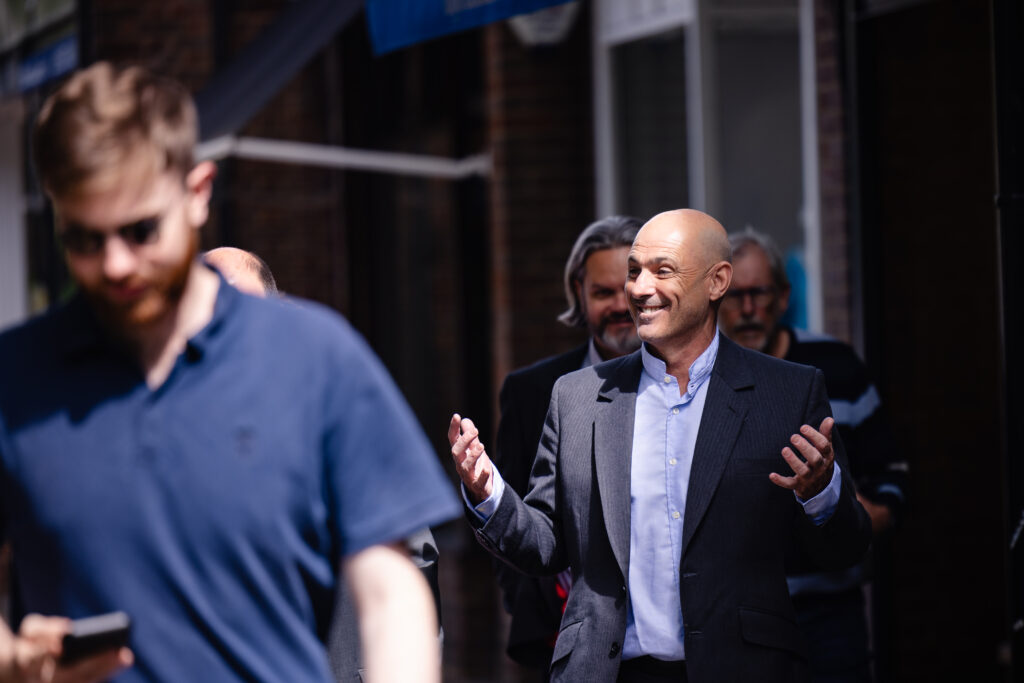
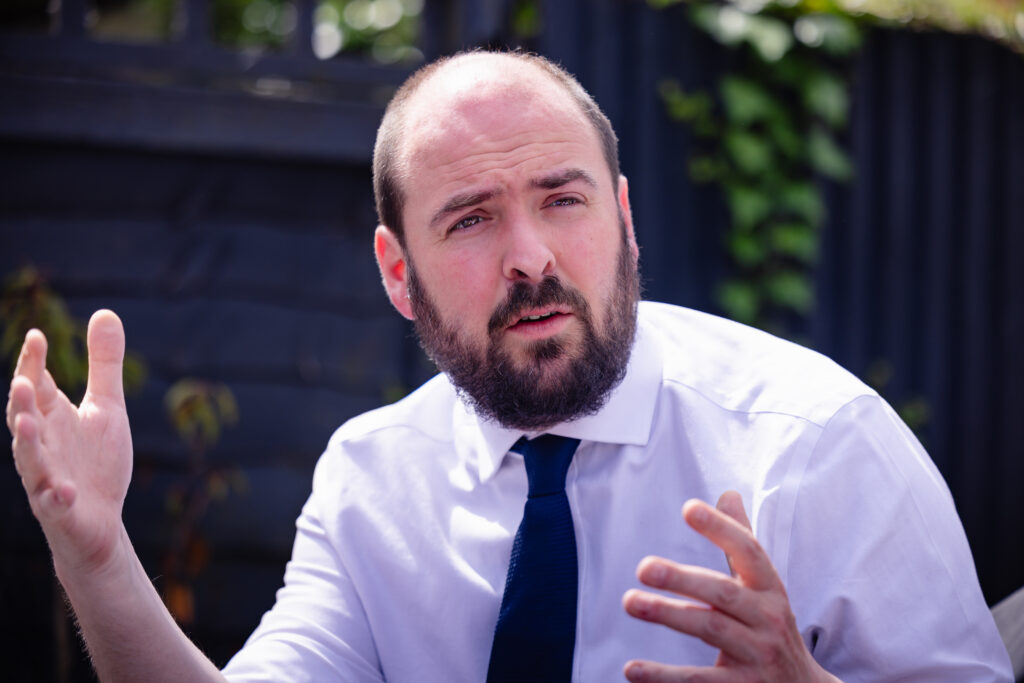
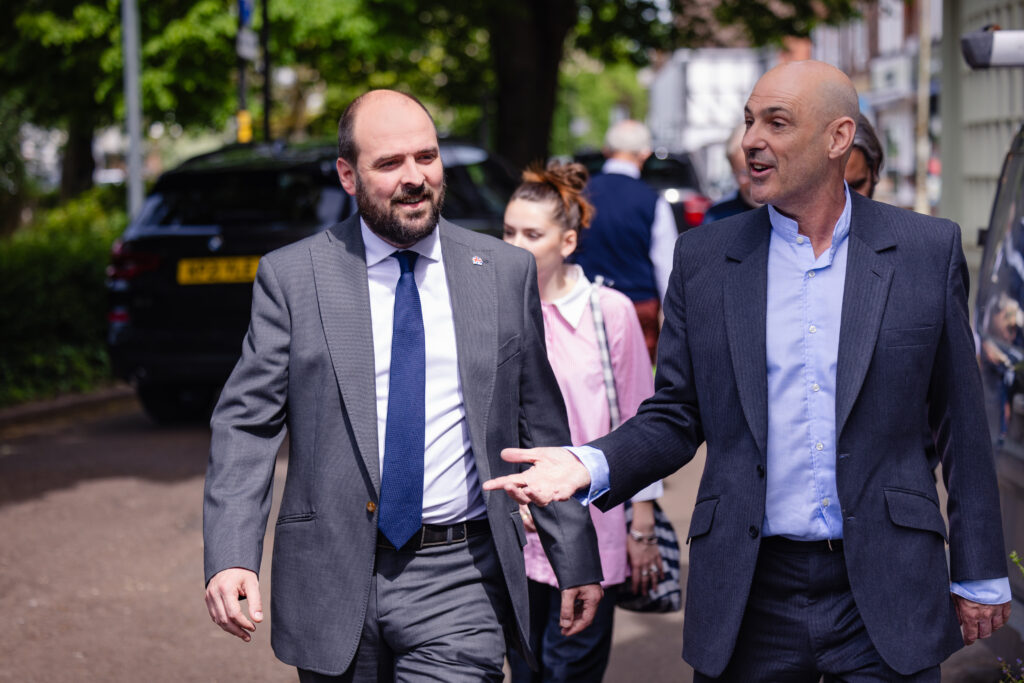
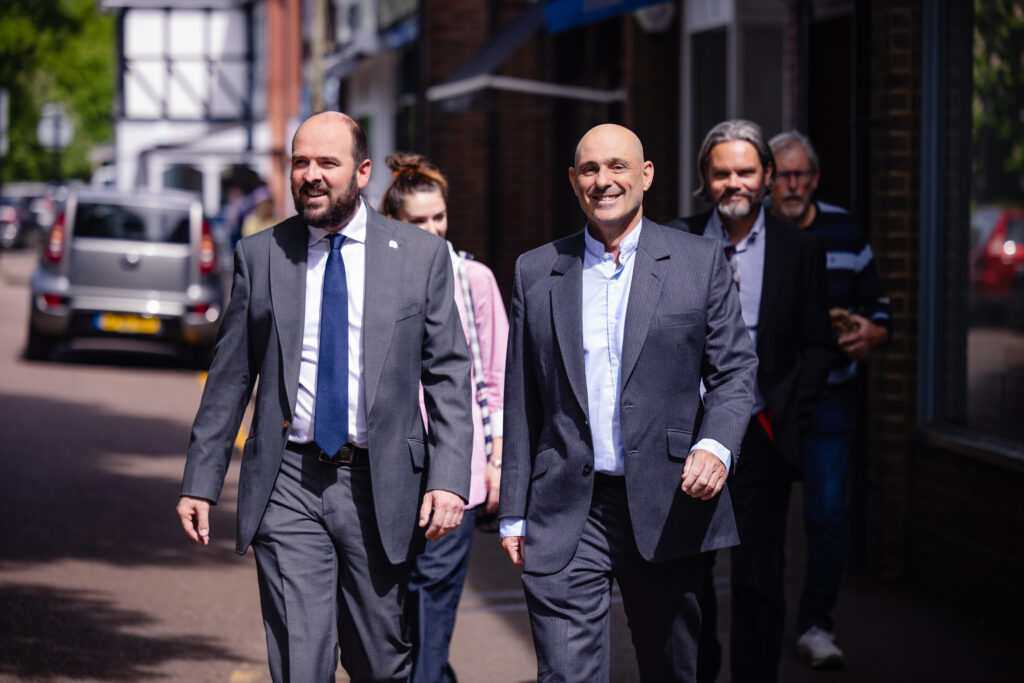
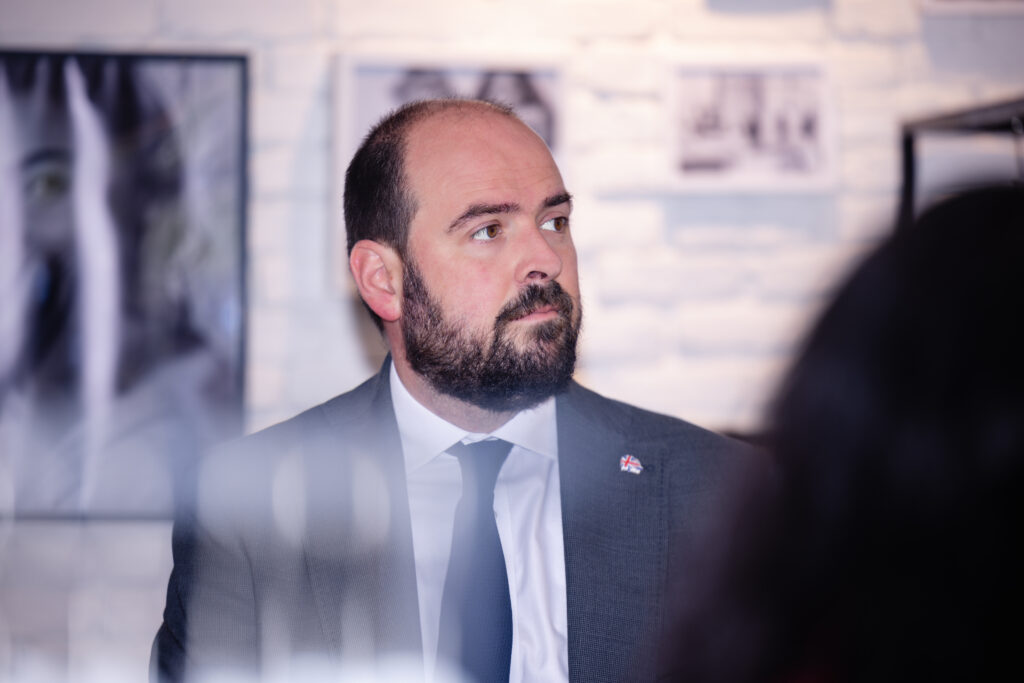
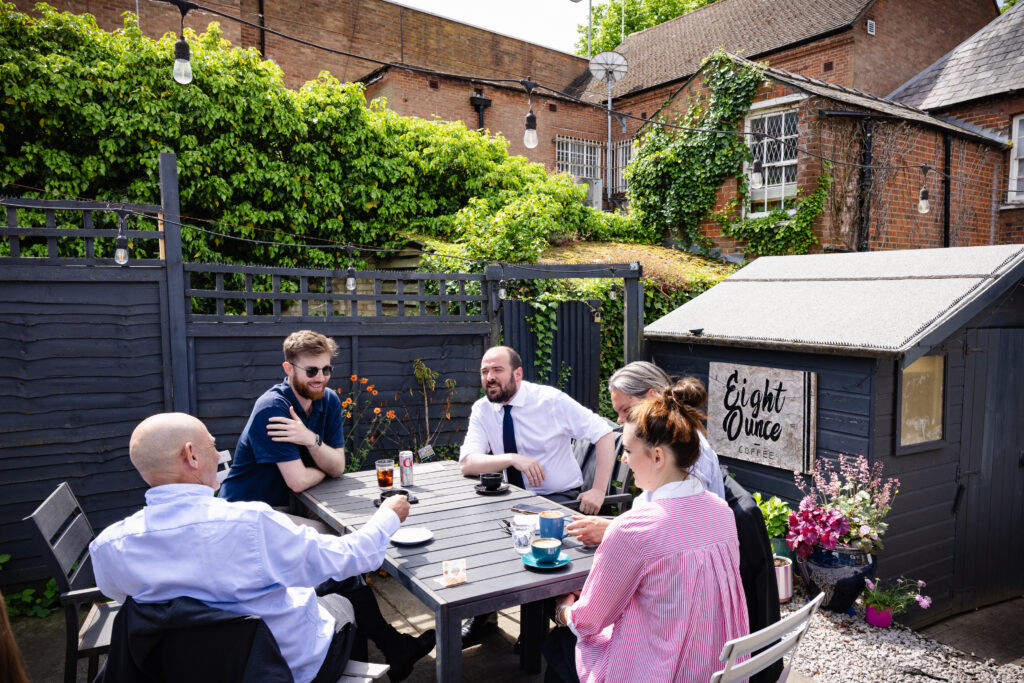
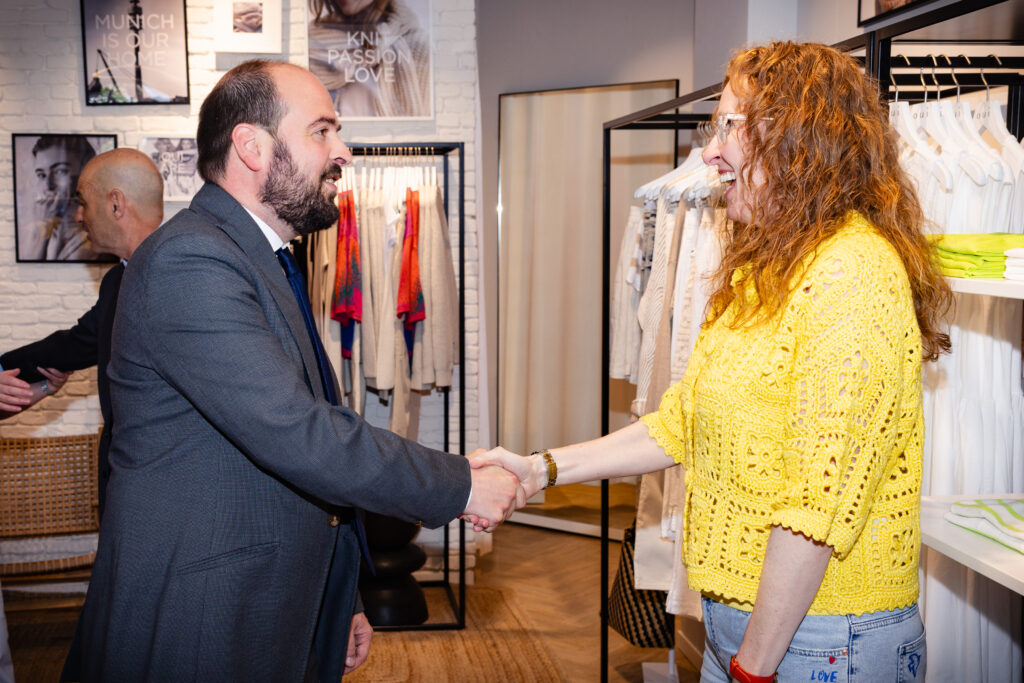
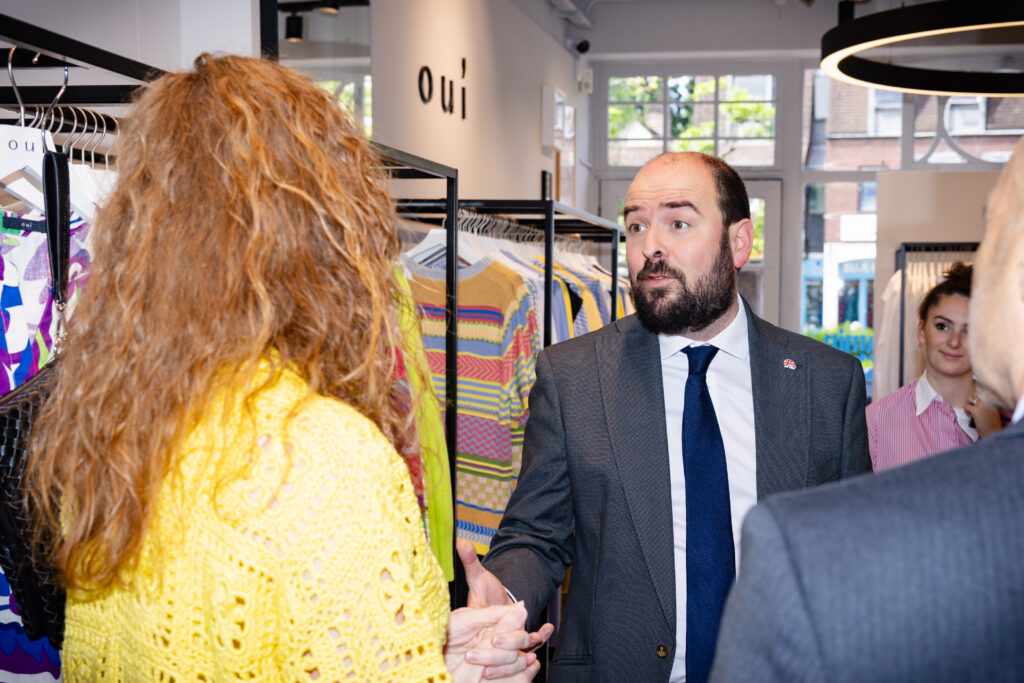
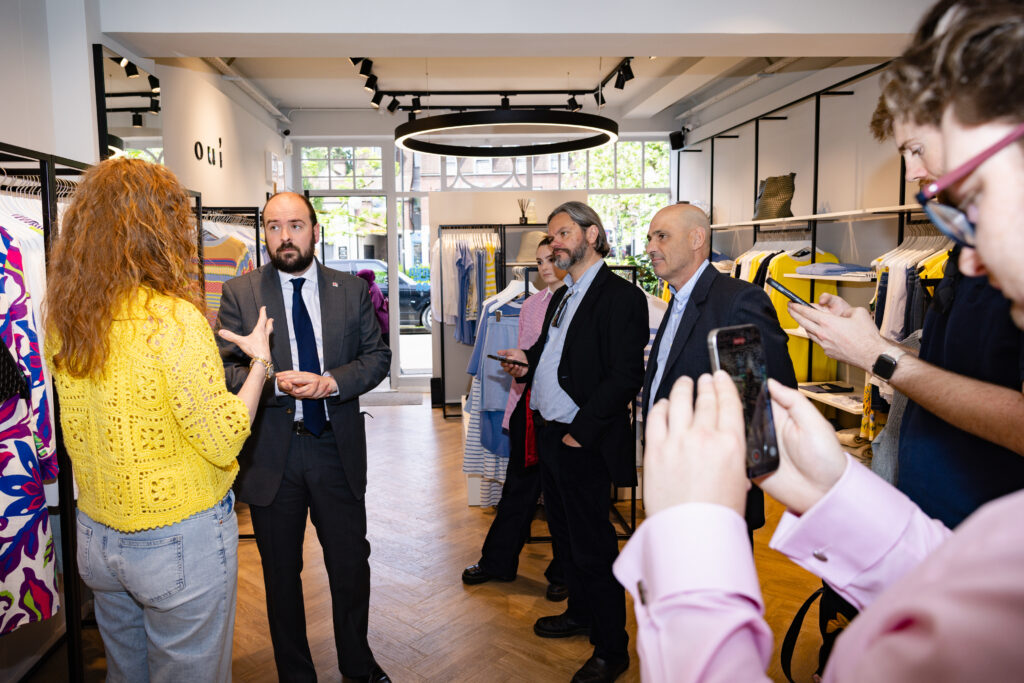
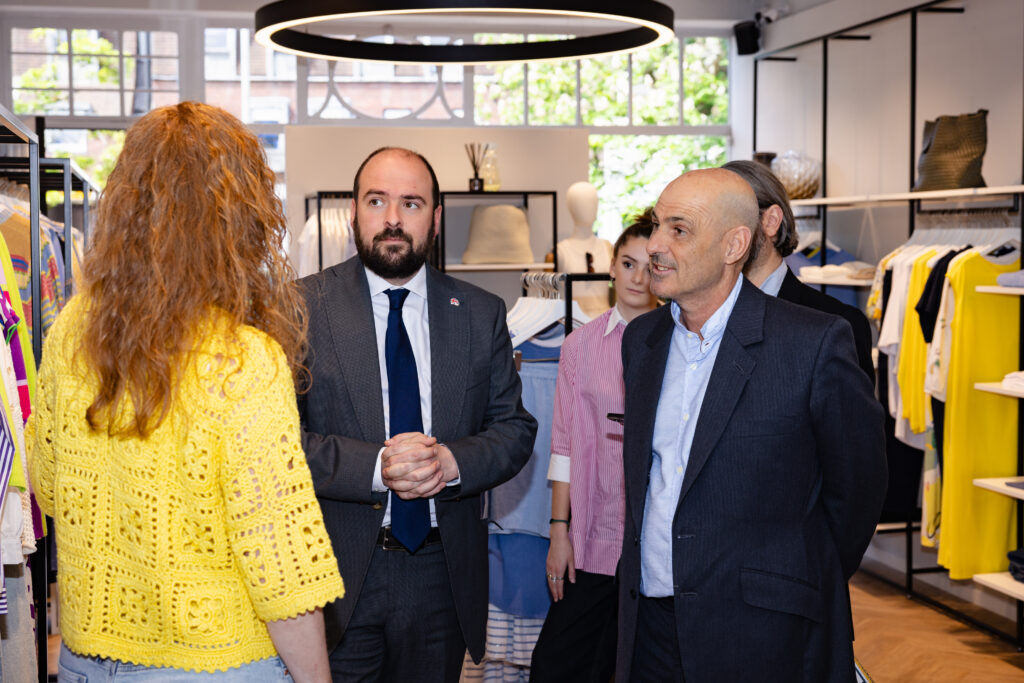
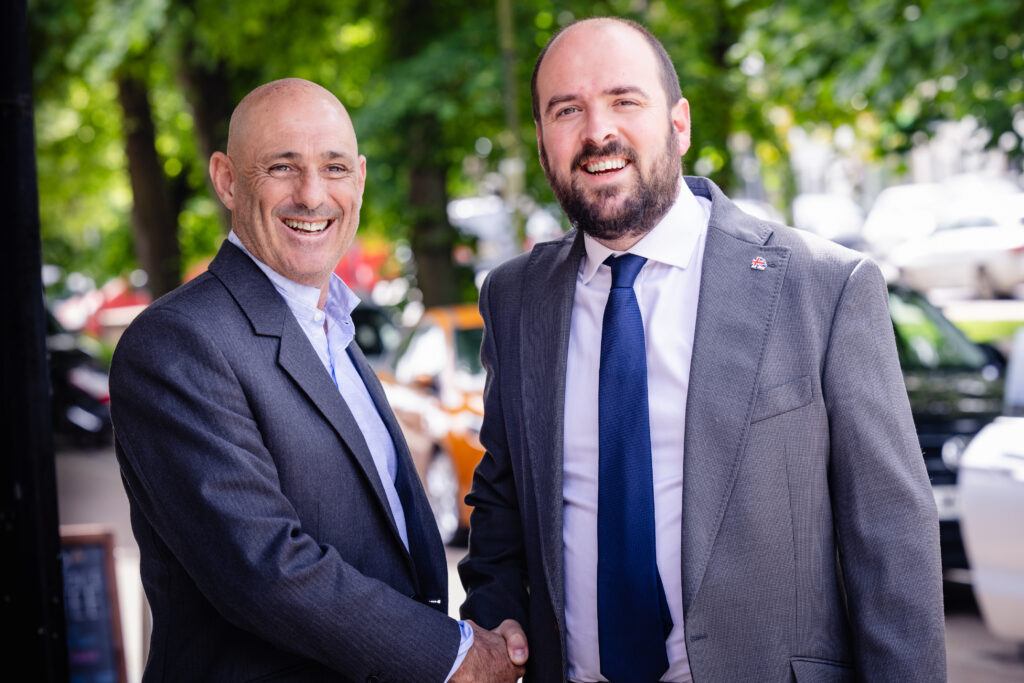
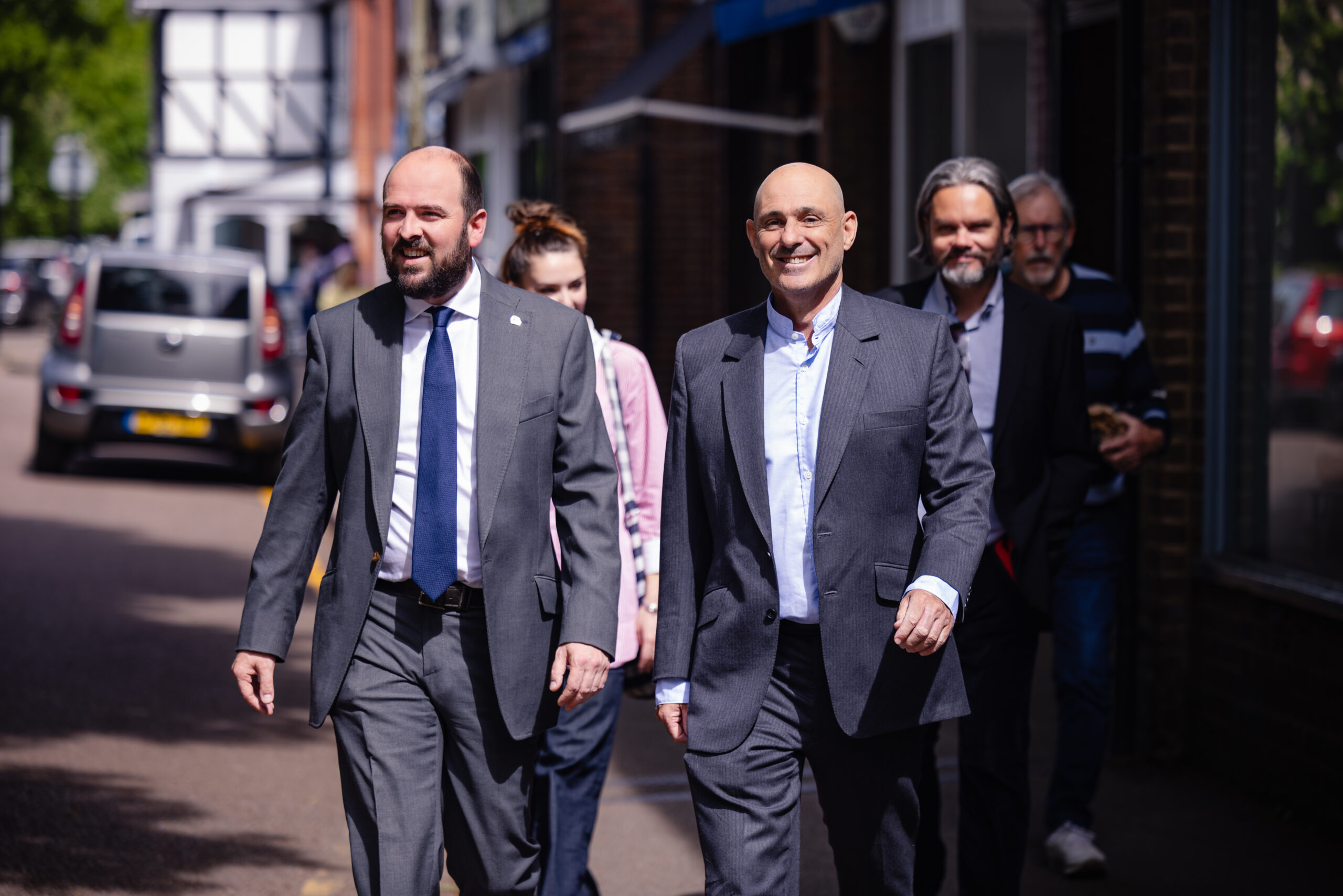
Last Friday saw Conservative Party chairman Richard Holden, MP for Durham, visit the town to show his support for Tory prospective Parliamentary candidate Nigel Gardner, and talk exclusively to the St Albans Times about key local issues.
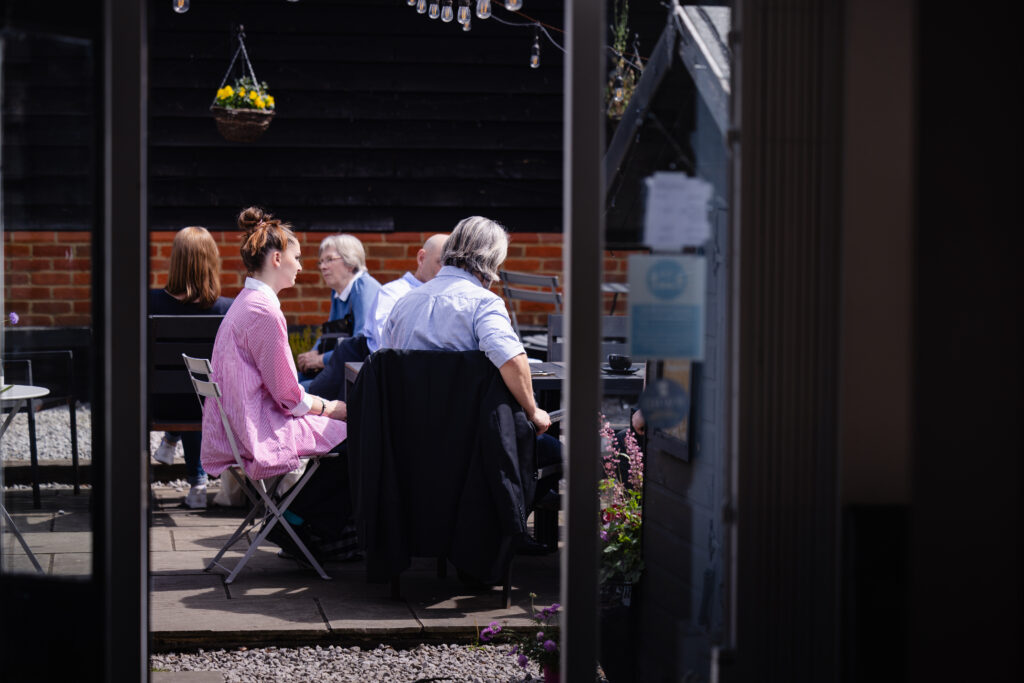
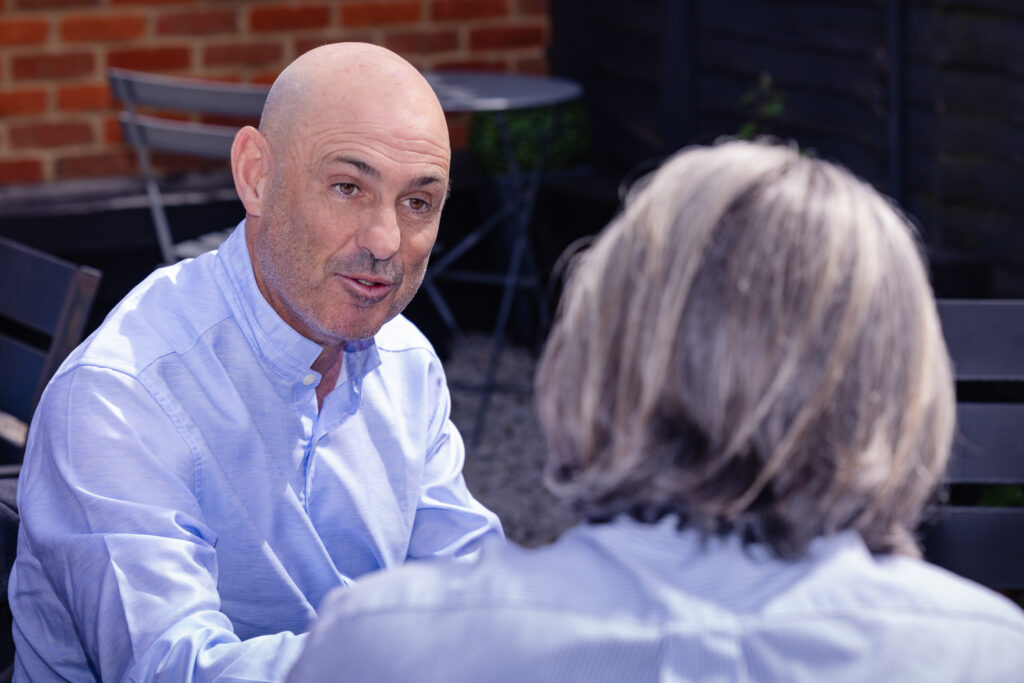
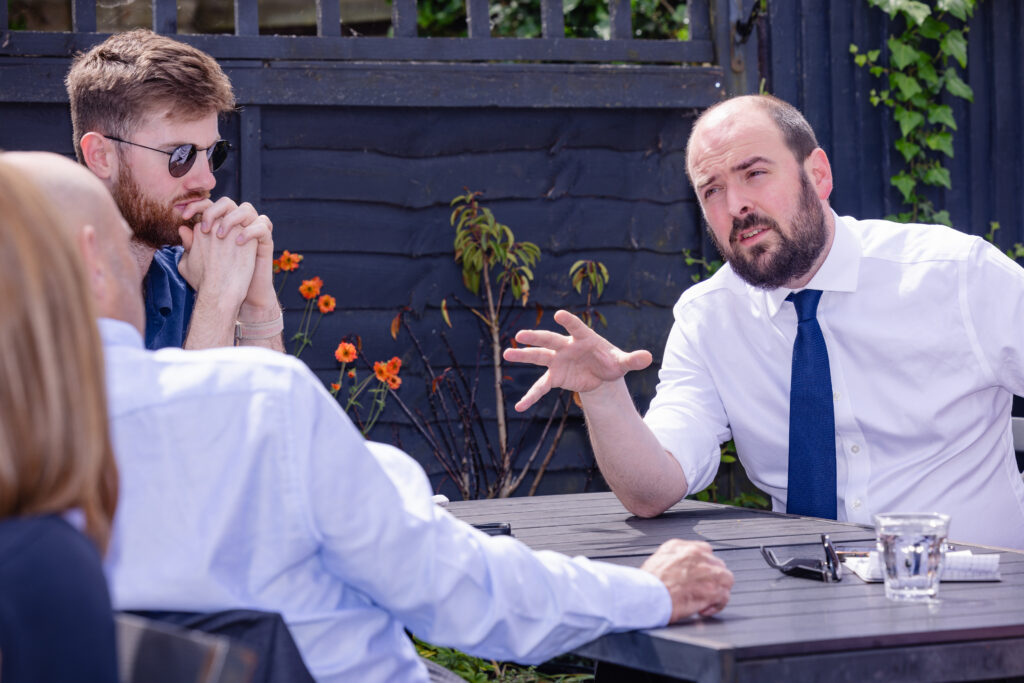
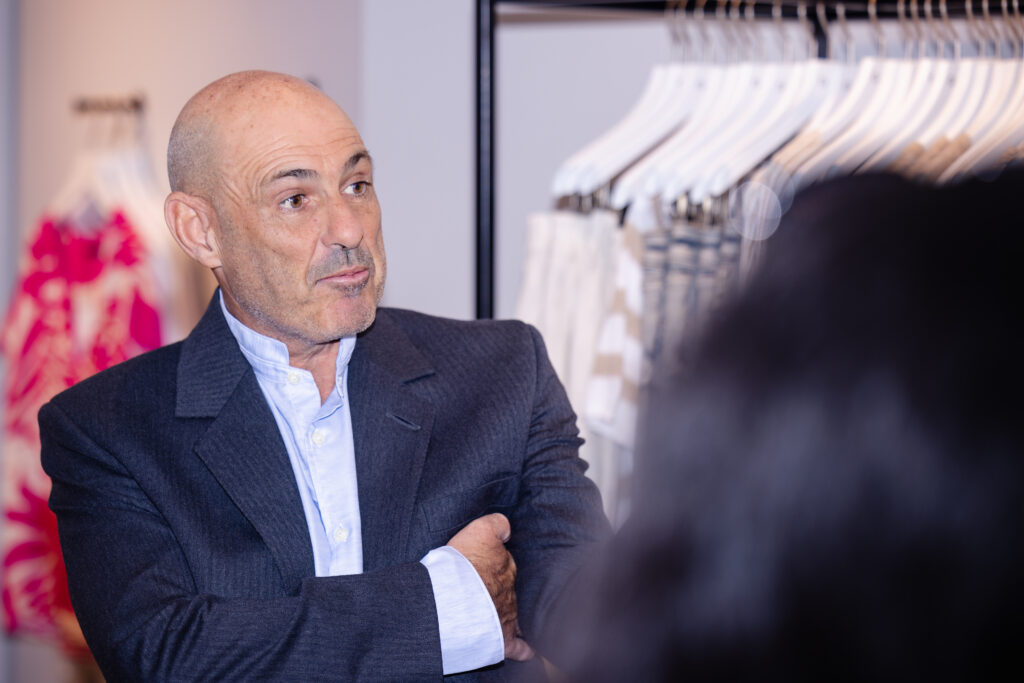
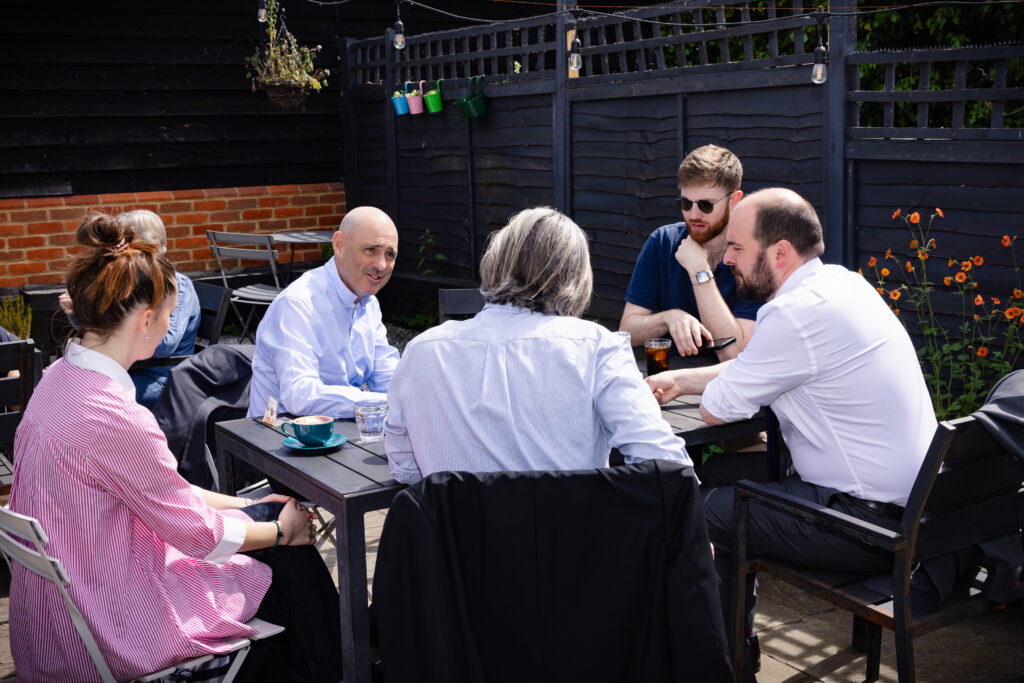
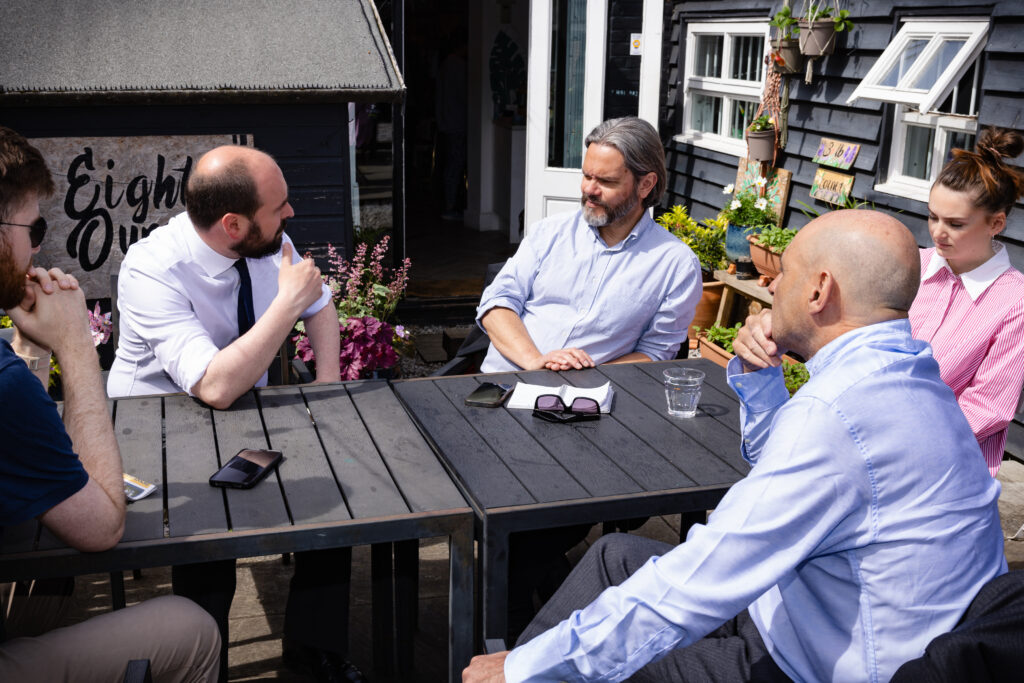
Top of the agenda over drinks at Eight Ounces Coffee Shop (to the rear of Purple Menswear) were questions about Green Belt development, the imminent General Election, VAT on independent school fees, and even current MP Bim Afolami.
But as you might expect when dealing with a politician of Richard’s seniority and experience, actually obtaining concrete answers to some of these questions was another matter entirely, even when he was pushed for a direct response.
Things kicked off with that constant hot potato, the issue of housing demand versus preserving the Green Belt, and Nigel’s bid to see Area of Outstanding Natural Beauty status to be given to the countryside around Redbourn, Wheathampstead and Harpenden.
At the end of last year the Government announced changes to the National Planning Policy Framework which suggested local authorities no longer had to build on the Green Belt, but did not change the existing housing targets they had set.
For SADC, this means they are under pressure to deliver a Local Plan which not only preserves the district’s Green Belt, but locates suitable brownfield sites for housing which, ultimately, might not exist.
So is there now an argument to rethink all housing targets and start again with the process?
Richard replied: “I think there has been this big proper move away from targets. I think the key thing is getting a proper Local Plan in place so that it reflects the needs of the local community.
“Obviously we want to push brownfield development, and that’s been very much the first, second and third priority of what we want to do.
“Some of that also involves elements of densification of town centres as well.
“One of the things we’ve seen over the last few years is a lot more older people living in sheltered accommodation, but one of the things we’re very keen to do is support town centres by having more sheltered accommodation in them, because this means older people can be more active and out and about.
“I think there was a move a few years ago to locate a lot of these retirement villages away from towns and village centres, which is great in theory, but in practice actually what people want is access to the centres of towns.
“When you’re looking at the housing need for different areas, it’s really important that we ensure we’re reflecting future needs, not just what was wanted in the past.”
So how can we protect the Green Belt we have? And if all of the remaining pockets of brownfield land are developed, where is the space for the necessary infrastructure?
“If you’re doing brownfield infill development, one of the key things is the infrastructure that goes with it often isn’t as heavy, so if you’ve already got a train station in the town, you don’t need to build a new train station on a new greenfield site or a new doctor’s surgery.
“You might need to expand the facilities available, but often you don’t need to do as much of that if you’re able to do brownfield development. We’ve seen that a lot in parts of east London as well, where there was a lot of low-density housing built, maybe in the post-war era because land was relatively cheap then, and the densification process that’s happened there has been quite beneficial. We’re also seeing it in a lot of town centres across the country and city centres as well.
“Everybody knows this area, right? Fantastic train links into London, huge commuter area, also a beautiful place to live, great schools, you know, there’s a lot going for it.
“You’ve got a lovely high street and when the weather’s like this there’s nowhere better to be. But there’s got to be a balance and that’s why I thought it’s really interesting to hear Nigel’s plans for an Area of Outstanding Natural Beauty and how we can do this for the broader area as well.
“That’s something I’ve got in my own constituency in the North Pennines, but there is also that need for protection for areas around London. These are the rolling hills of the south of England, and they also need to be protected because one of the reasons people want to live here is to have that access to the countryside.”
But do we need so many homes? The Government claims to be tackling immigration, birth rates are falling, so are we now looking at figures which are well out of date?
“I think that’s a sensible point. What we’ve also seen now is that demographics have changed. So whereas you did have families, there’s now many more people living on their own than there used to be. People are living longer, they might need more protected housing, sheltered housing. So there is a need for different sorts of housing as well in that mix.
“But we need to see a bit of actual thinking about how we can work with existing communities. And that brings us on to the issues you’re facing here, right? You want local authorities here to be looking after and protecting the high street, working with local existing businesses.
“You’re thinking about things like these parking charges which clearly are something people feel really passionately about. It’s a really important thing for the area. People want to feel that their local council is on their side.”
As covered extensively by the St Albans Times over the past few months, SADC intends scrapping free parking bays and free car parks in Redbourn, Park Street, London Colney and Harpenden.
At this point Nigel interjected with a reminder of the criticism SADC has faced with regards to planning, including the department effectively being placed into ‘special measures’: “They’re not really doing the best they can to give us a gold star approach to planning. I’ve seen the Green Belt change here in
my lifetime and I’ve seen it eroded and we have to save what is left because it’s a precious resource for future generations. Otherwise, as Richard says, we lose what is special about Harpenden and why people want to come and live here anyway.”
So is there a dichotomy between saving the Green Belt and this sort of target-driven approach to housing found in the Local Plan?
Richard responded: “I think the Local Plan is meant to focus on local need, and it’s meant to be driven by local people. That’s the entire purpose of having it, right?
“It’s to enable local people to have that projection going forward rather than it just being down to speculative developers where development happens. That’s why it’s so important that [the council] gets it right, and within that, they can also put local priorities forward.
“So if it is densification in certain areas, if it is trying to regenerate towns within the broader area which need a bit more of a lift, then you can actually target where you want that investment to come. There are loads of different things about this area which make it special and there’s an element of wanting to protect this as well.”
Also present at Friday’s interview was St Albans Times intern Anna Shreeves, who has been contributing articles to the title over the past few weeks.
She offered her view on the issue: “From a young person’s perspective I live in St Albans and I’m not going to be able to buy a house here if more houses aren’t being built. There’s just nowhere, it’s too expensive. You need those houses for future generations.”
Nigel agreed, but added: “The problem is that a lot of these houses being built by developers are not the kind of houses you would buy. They are not affordable housing. That’s not where the profits are. Housebuilders are profit-driven, they’re not driven by your interests or the interests of the Green Belt, they’re looking to maximise a buck.”
Richard continued: “I didn’t buy a house until I was in my mid-thirties, and I was in a very similar situation to you probably. I was working in London with no parental support, so getting on the property ladder was never going to be an option for me, unless there were more affordable homes at the starter end.
“You can build as many six bedroom detached houses across Hertfordshire as you like, but it’s still not going to mean you’ve got somewhere to live, and that’s one of the reasons that ensuring those infill developments in town centres where you are either living locally or commuting into other towns around the area are also part of that Local Plan.
“That Local Plan isn’t just about one sort of housing for a developer-led plan, it’s got to be about local needs which reflects the needs of everybody in the local community.
“If you don’t have that, then you don’t have a Local Plan, it’s basically a developer’s charter, and if you have a crap Local Plan which isn’t reflecting the needs of the entire community, then you end up with the wrong development in the wrong place.”
Moving away from the issue of housing onto the hospitality industry, which has struggled through various challenges in recent years, including Covid and soaring business rates. Should the Conservatives be re-elected, will they continue to offer business rates discounts to our pubs, restaurants, cafés and other eateries?
Richard said: “That business rates relief has been crucial to small businesses for the past two years, and I’d love to see us do more in the future, but obviously it’s a big financial commitment.
“You can see the difference between what we’ve done here in England and where we’ve given the cash to Wales and Scotland.
“In Wales, which has been run by a Labour government for 25 years, a Welsh business similar to any pub here on the high street will be paying business rates twice as much as here, because they haven’t recognised the importance of local business to the economy.
“Obviously you’ve got to balance the books, and I want to see is keeping taxes down for small businesses as much as practically possible. That brings us on to the other economic drivers like high street footfall.
“If people want to nip out for lunch then they should be able to park up for a couple of hours and spend their money in the town centre, otherwise all you’re doing is driving people out of the town.
“The biggest thing really for businesses is footfall and whether people are actually still using the high street. If they’re not then you could have the business rates at zero, it doesn’t really matter because they won’t exist.”
So does that mean driving trade rather than propping up businesses?
“We have supported businesses from central government and that’s in stark contrast to what Labour have done, when they’ve had the opportunity in government in Wales.
“We’ve also supported them through low-cost loans through the pandemic to ensure those businesses could keep going as well. But the future of growth is not about the Government propping things up, it’s about ensuring that there’s a good local economy driving things, it you want a lovely bustling high street that means you’ve got to have people in it and that should be keeping those people there through sensible parking.
“That’s all we’re asking. We’re not saying park forever for free!” he added.
Apart from issues on the national stage, one of the problems Nigel’s campaign has encountered locally is the fact that incumbent Harpenden MP Bim Afolami has been largely invisible here, focusing on the Hitchin part of his constituency instead. Is that acceptable?
Richard deftly avoided answering the question: “I think what you’ve got in Nigel is somebody who’s born and brought up in this area, and who’s going to put it first, second and third. It’s either Starmer or Gardner, right?”
But isn’t he also fighting problems that shouldn’t have been there in the first place? Harpenden residents should have had an MP who was visible and out in the local community like Nigel is, and Mr Afolami has also ignored press inquiries for the entire duration of his tenure as MP, failing to provide the transparency expected.
As the Chairman of the Conservative Party, shouldn’t he therefore be taking action because this is affecting his party’s standing locally?
“Well quite, this is one of the reasons I’m here supporting Nigel today. I want to promote really good candidates wherever I can, that’s why I’ve come to support Nigel.”
Reading between the lines it seems he’s actually saying more than initially seemed to be the case. Nobody really expected a direct rebuke of Bim Afolami’s actions, of course, but Richard also didn’t defend his actions.
He continued: “I tell you now, when I got Nigel’s message a few days ago saying these are the local issues in my area, bang bang bang, breakdown, breakdown, breakdown, I thought this is somebody who is absolutely across it, and that’s what local people want to see.
“This is going to be a tight race this time, there’s no doubt about that and it is going to be Labour versus Conservative here…”
But is it though? How much of a challenge does Labour really pose in this new constituency? Their candidate has only just been announced, whereas the Liberal Democrats have been campaigning arduously for months…
“There is a big difference between the Lib Dems locally and Lib Dems nationally, I think people know that what’s going to happen is you either have Nigel as your MP or you get Keir Starmer in Downing Street. Those are the two realistic options you’re going to have and there’s going to be a lot of constituencies in that space across the country.
“We’ve also seen huge variation in local numbers, and I’ve seen every bar chart and every poll going, but it’s quite clear from those big YouGov polls we saw recently, that actually this seat is going to be a real tussle between Labour and the Conservatives.
“I understand that Daisy [Cooper MP] is positioning herself for the future of the Lib Dems next door in St Albans, I get that.
“I also get that for her it would be great to see those good local council results reflect well on her position as she’s running in the future for the Lib Dem leadership, but that’s about Daisy’s career. I think when it comes down to local politics, you’ve got Nigel here on the ground as the local candidate.”
So why aren’t Labour taking the seat seriously?
“I can’t justify everything Labour do, in fact I find it difficult! All I’m saying is that we’ve got a cracking local candidate, we can understand the Lib Dem dynamics around Daisy’s personal brand and I do understand that.
“There has been talk within Westminster of [Lib Dem leader] Ed Davey and the Post Office scandal at the moment. Is there going to be a coup against him? All that sort of thing. I think Harpenden and Berkhamsted deserve more than being part of an internal Lib Dem power play. I think there’s much more at stake than that.
“You can see that from the local businesses we talked to on the High Street. They’re not really interested in the internal politics of political parties. What they’re interested in is who’s going to be a great local champion for the local community.”
Whether he has actually misjudged Labour’s standing in Harpenden and Berkhamsted will remain to be seen, but we thought it only fair to give Lib Dem candidate Victoria Collins a right of reply.
She responded: “This is desperate stuff from a Conservative Party who knows people are fed up with their lack of integrity and honesty. It shows the local Conservative Party is no different to the mess of Conservatives in Westminster. It is time for change and a return to honest politics in Hertfordshire.
“Everyone here knows, just as the last General Election in the Hitchin and Harpenden seat, polls and local election results show that this will be a close fight between the Liberal Democrats and Conservatives.
“The Conservatives know this too – anything different from them is just a desperate attempt to muddy the waters.”
Last week, after months of speculation, Labour East finally announced their candidate for Harpenden and Berkhamsted.
Zara Layne is a councillor for Harpur ward on Bedford Borough Council, but also works as a research officer for MP Mohammad Yasin.
She volunteers for Black Tom’s Big Lunch, organising community events and street parties as part of the national Great Get Together in memory of murdered MP Jo Cox, and helps with meal preparation and serving with Dine with Us on the Streets, working as part of a team of volunteers to prepare and serve meals and distribute clothing to homeless people in Bedford.
One of the other key issues Nigel has been campaigning about is Labour’s plans to add VAT to independent school fees, which he believes will have a knock-on effect on both public schools and the local economy.
Richard agrees: “I’m not saying that every child around here goes to an independent school, but you’ve got some big independent schools around here which are huge employers.
“A 20 per cent increase in fees would either cripple or potentially close some of those schools, really affecting jobs.
“On the other side, the kids I’m really worried about are the ones not in independent education.
“If you end up with large numbers of children forced out of fee-paying schools into the state sector by this tax grab from Labour, who’s going to face the detrimental effect from that? It’s going to be those who suddenly find extra kids in their schools and less facilities. This seems to me a policy driven out of ideology rather than best interest.”
Nigel interjected: “It’s already happening. The Telegraph think this policy has cost £22 million already because parents are not enrolling their kids in private education and the only people
who will suffer are kids trying to get into state schools who have more competition for places.”
With Richard, Nigel and their associated entourage heading off to meet Conservative supporters elsewhere in Harpenden, there was just time to ask the question which was on every journalist’s lips before Wednesday: when is the General Election taking place?
Richard quipped: “Is this because you’re trying to work out whether you can have a summer holiday or not? The PM said the second half of the year and you should be comfortable booking a break over the school summer holidays, so I think that probably gives you an indication.
“My job as party chairman is to get around the country supporting our great candidates, but the other part of my job is to plan for things like the Conservative Party Conference and I can guarantee you that is going ahead absolutely bells and whistles because I’ve paid the deposit!”
The second half of the year begins on July 1, the conference is scheduled for September 29 to October 2, and the school summer holidays are from July 24 to September 1. So this week’s announcement by the PM that it would be on July 4 perhaps should have come as no surprise…