24 Apr 2024
Deborah Heath has an insight into the personal the life of the acclaimed composer…
The Abbey Theatre’s 2024 season has offered a variety of treats so far including the physically exciting ‘She Kills Monsters’, teen adventure of ‘The Machine Gunners’ and the touching all-female ‘Steel Magnolias’. In ‘Elgar and Alice’, a drama about English composer Edward Elgar and his wife and mistress (both called Alice), Company of Ten take on the tricky task of biography.
Biography by its very nature presents challenges to theatre makers because the audience arrive with their own knowledge and expectations which may not be upheld.
Peter Sutton was commissioned to write this play for the 150th anniversary of Elgar’s birth. Director Tim Hoyle explains: “It has been very well-researched by the author… but it is a drama, in some ways a fiction, about actual people and events.”
I suppose, in this way you have to take it like an episode of ‘The Crown’ – a group of skilled actors playing a story you already know pieces of.
As a cellist, I have been moved by Elgar’s music for many years, especially the Enigma Variations, but must confess to knowing very little about him before seeing this play.
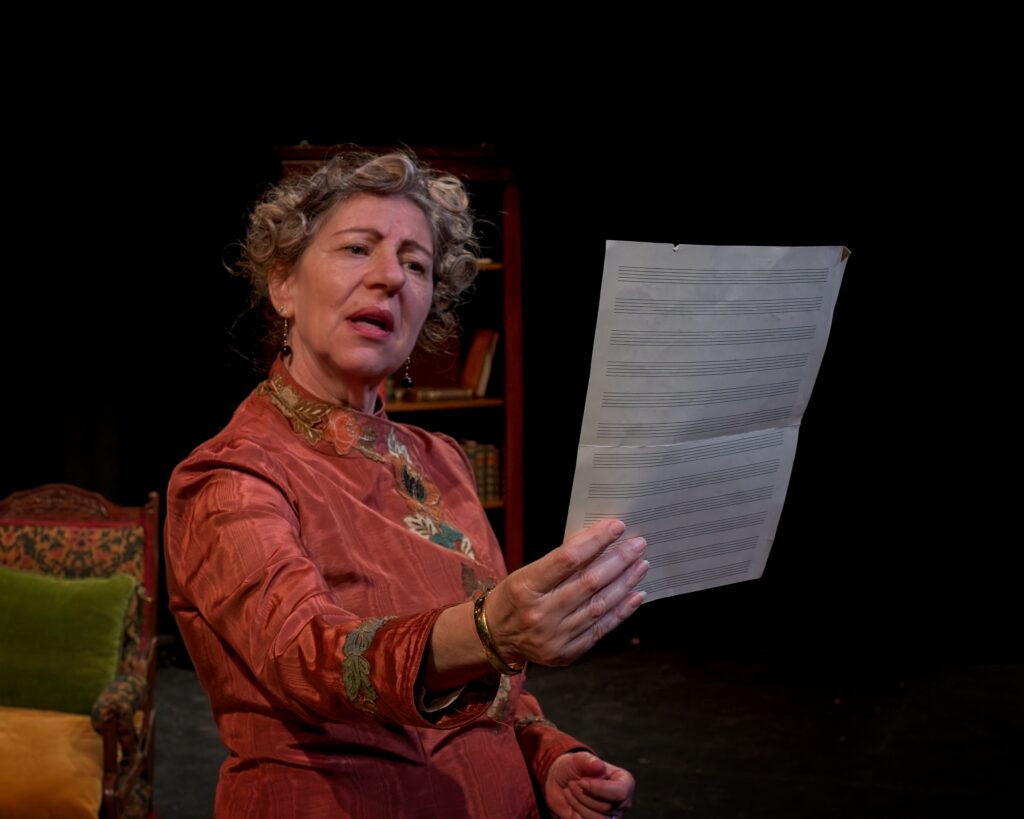
I was fascinated by the idea of him composing the shape of the Malvern Hills on a stave. It was also great to see the crabby side of his nature and his frustration with his more artistically sound pieces of music being less universally
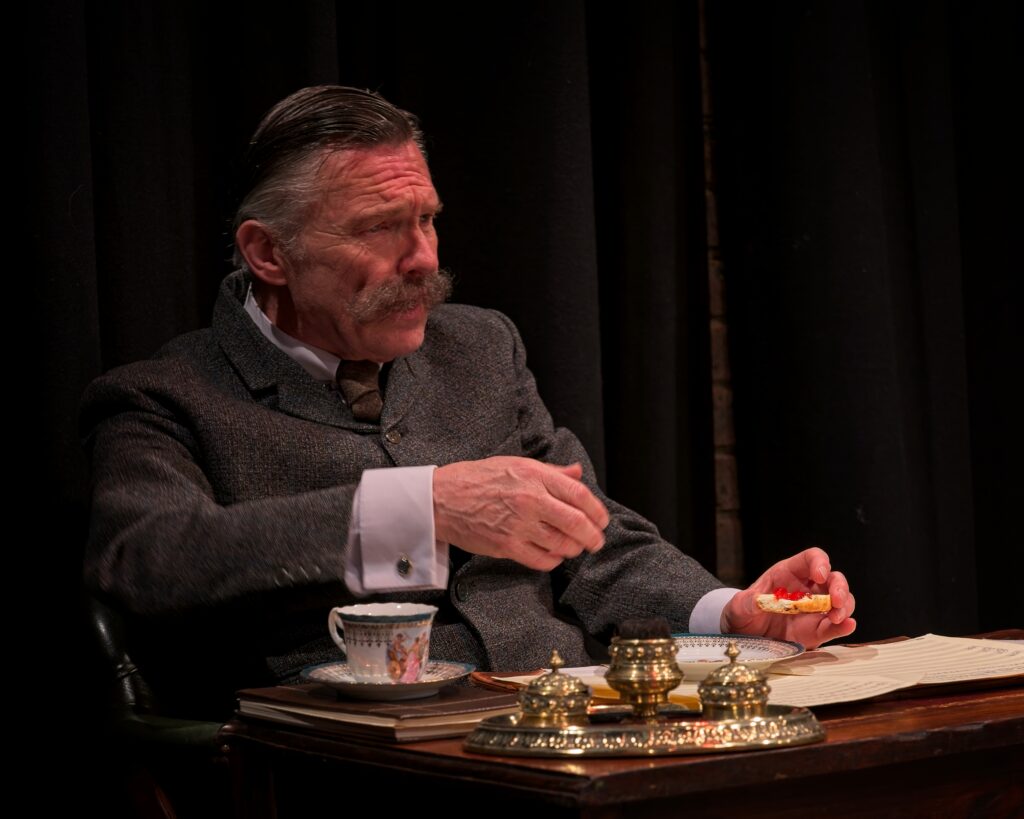
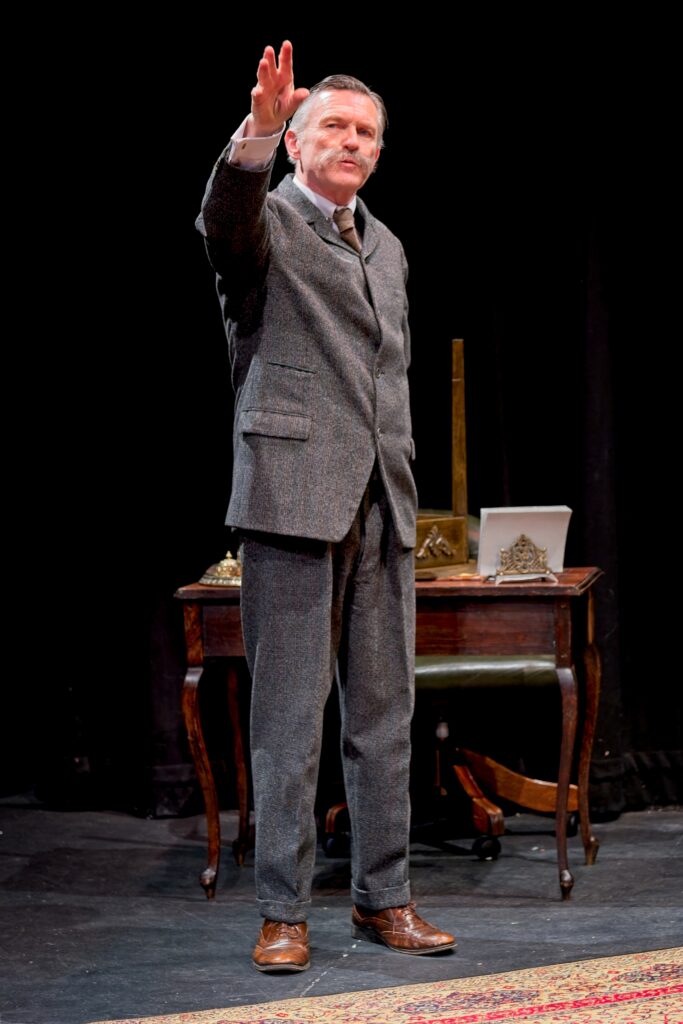
appealing than those he flung together quickly. Dan Clucas did a great job of showing Elgar’s restlessness as he ran out of ideas.
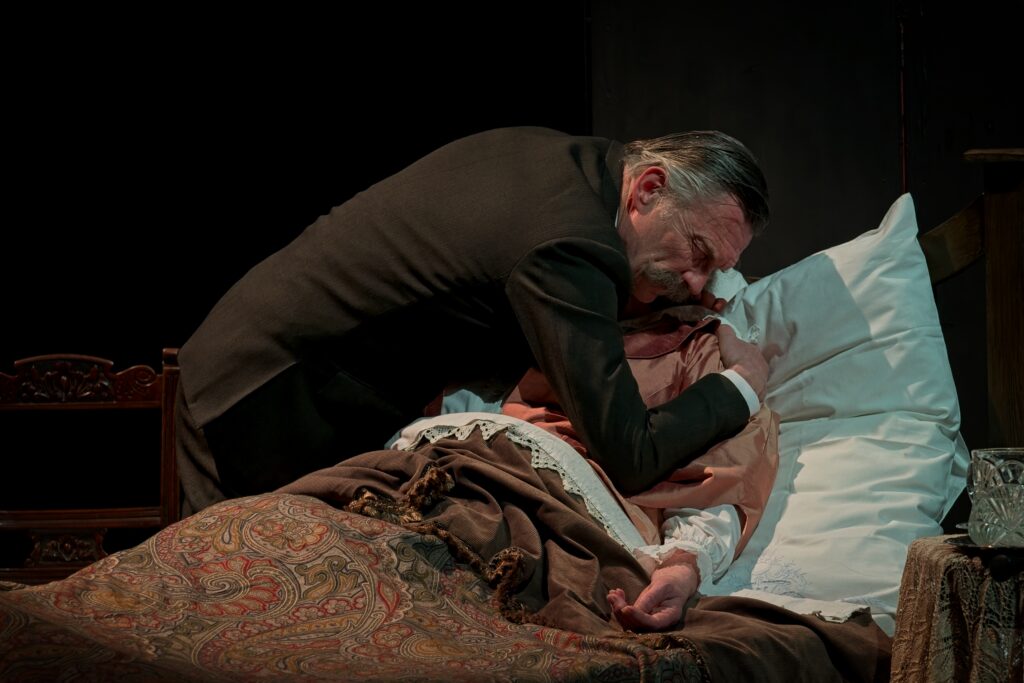
In terms of the domestic story, I won’t give any spoilers except to say that Act I really explored how Elgar and Alice’s marriage didn’t work while in Act II it proved that every reason it seemed not to work, actually made their union stronger.
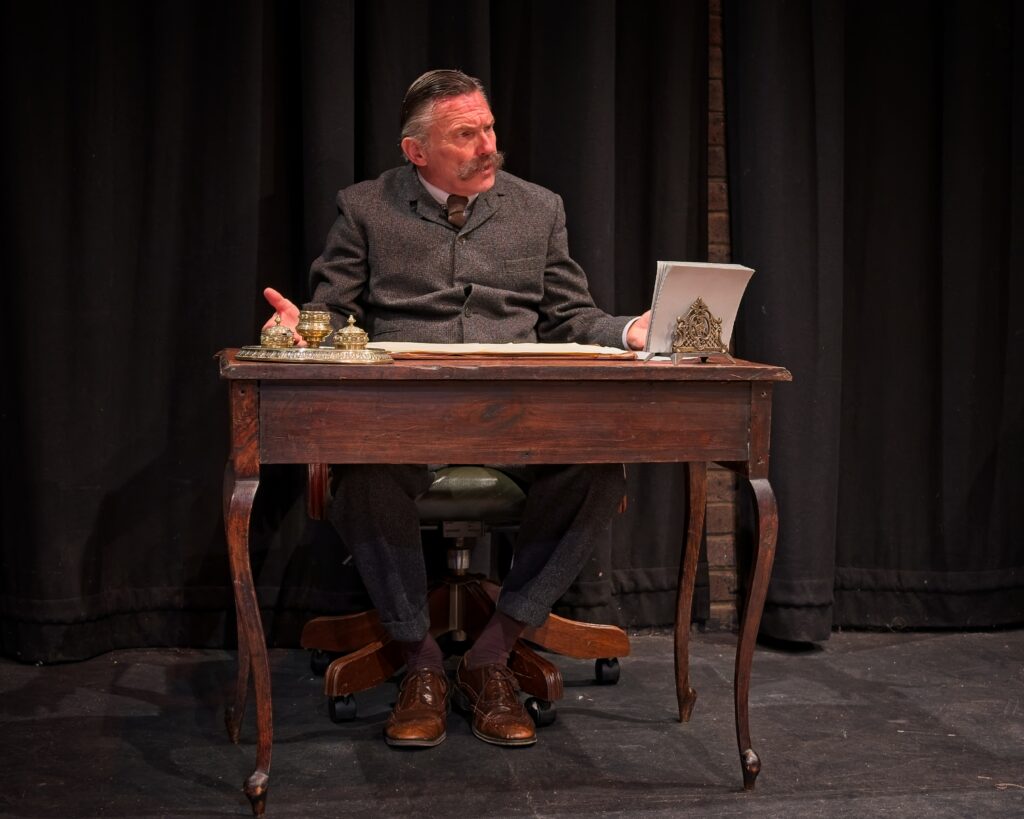
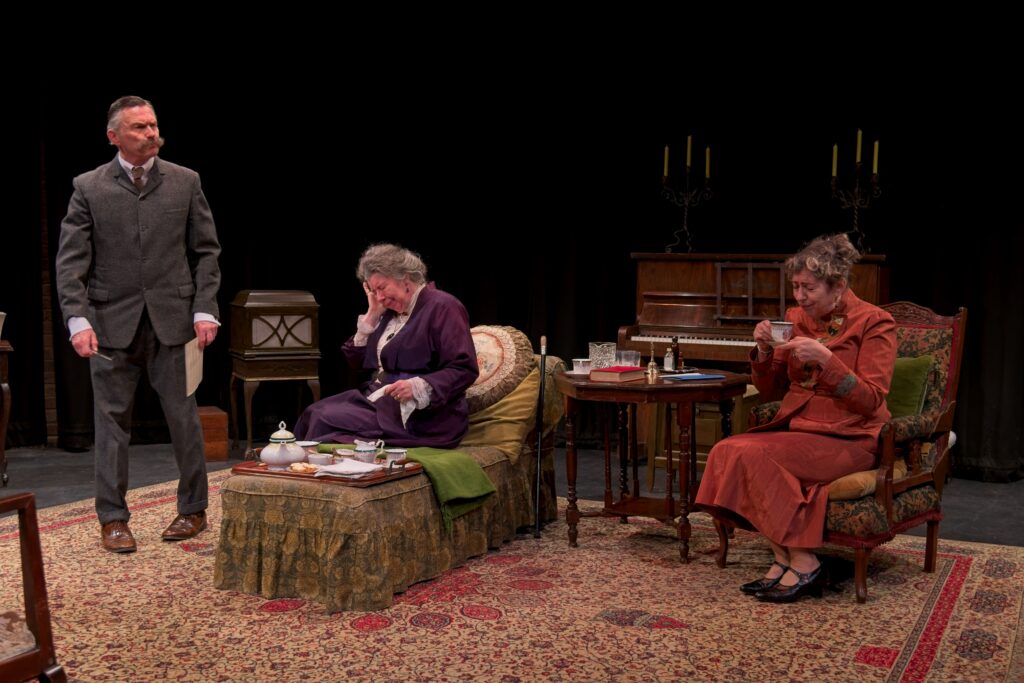
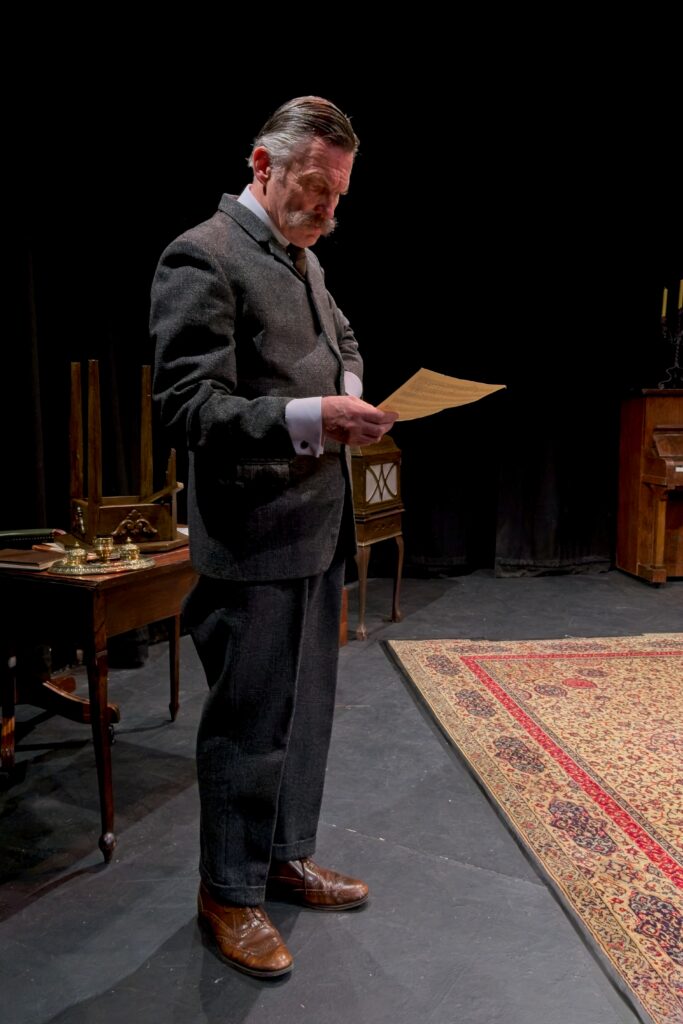
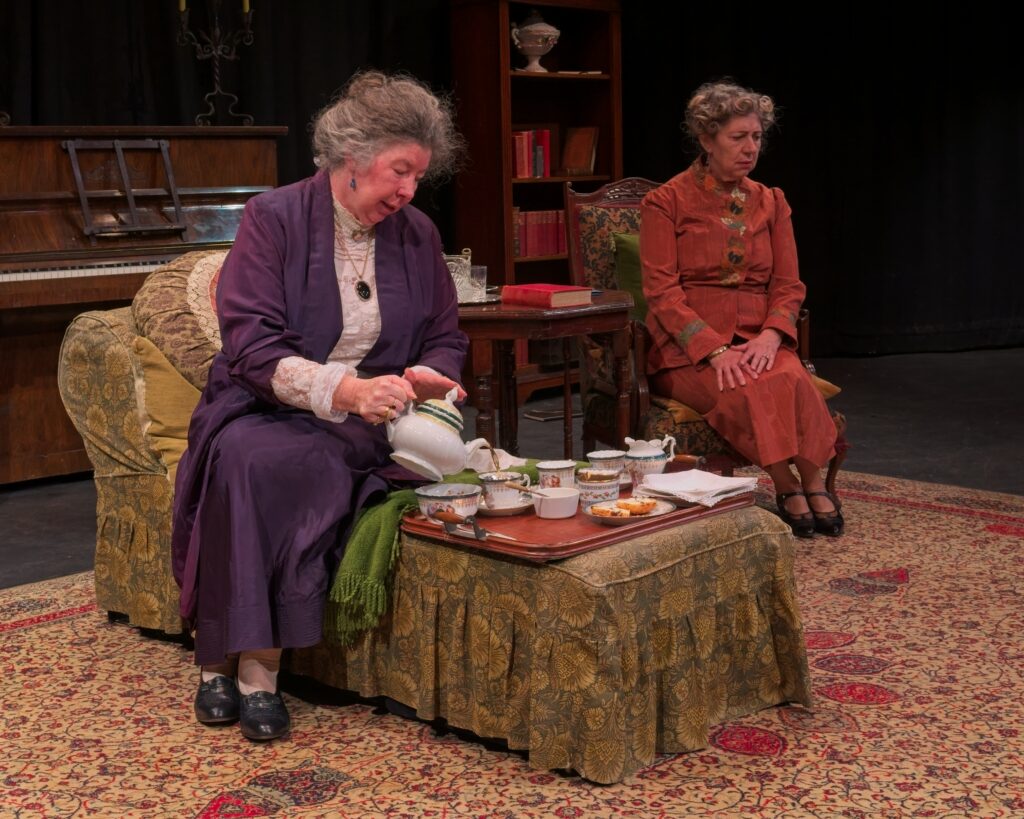
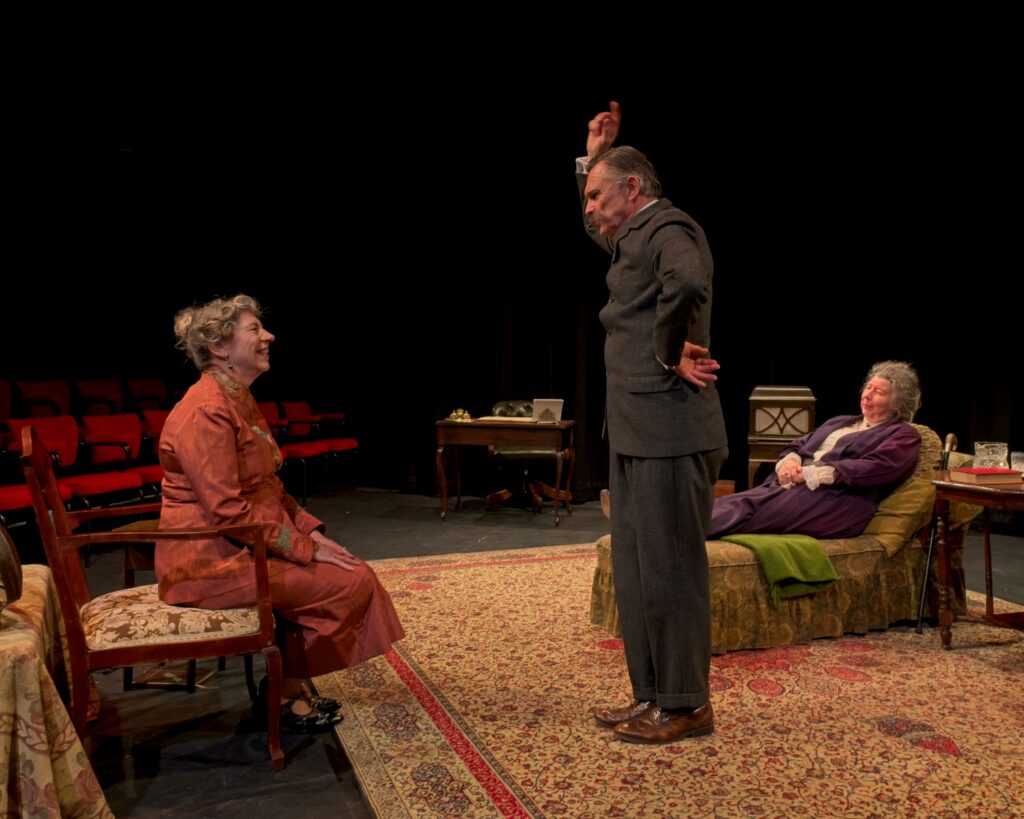
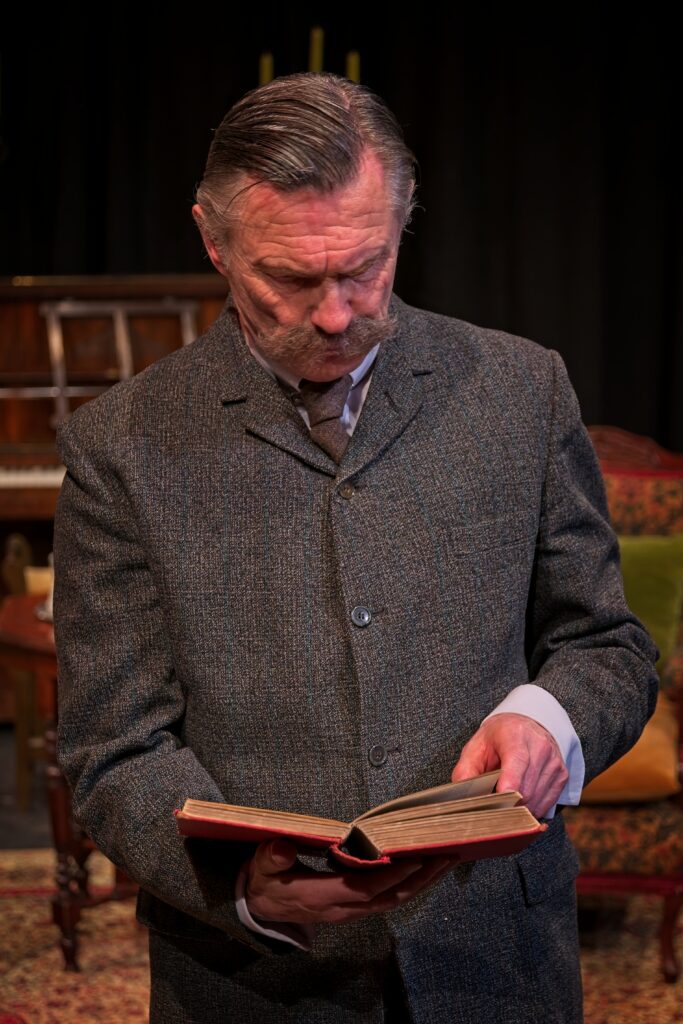
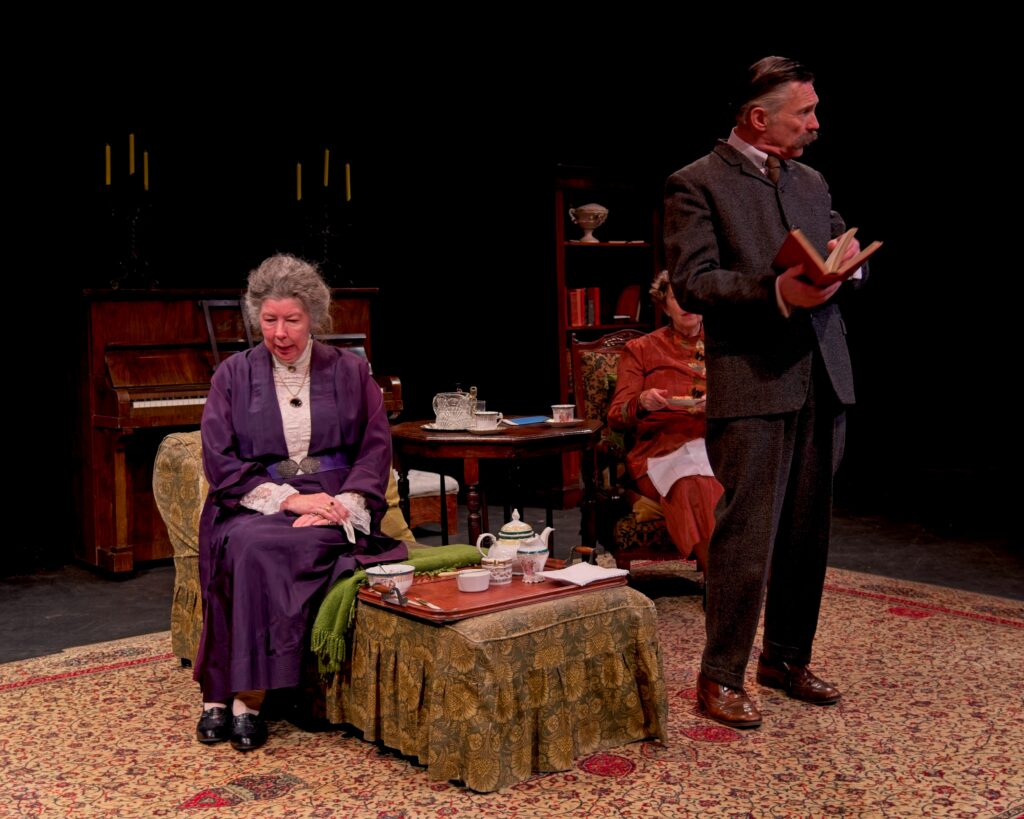
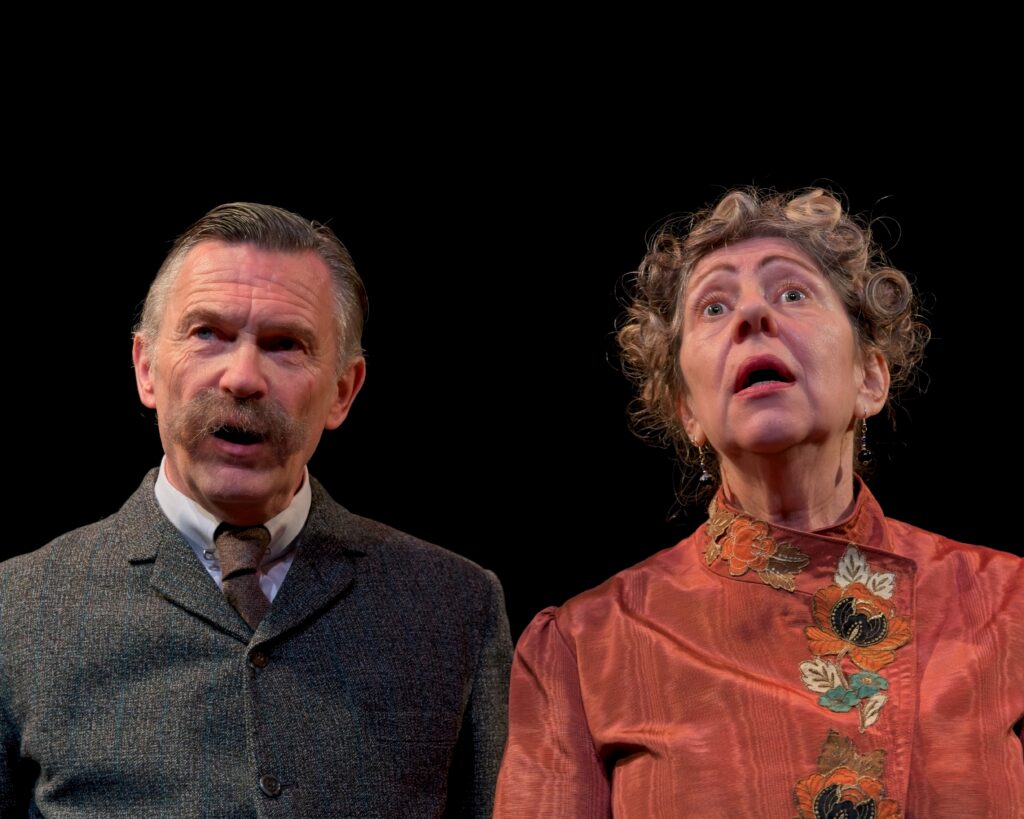
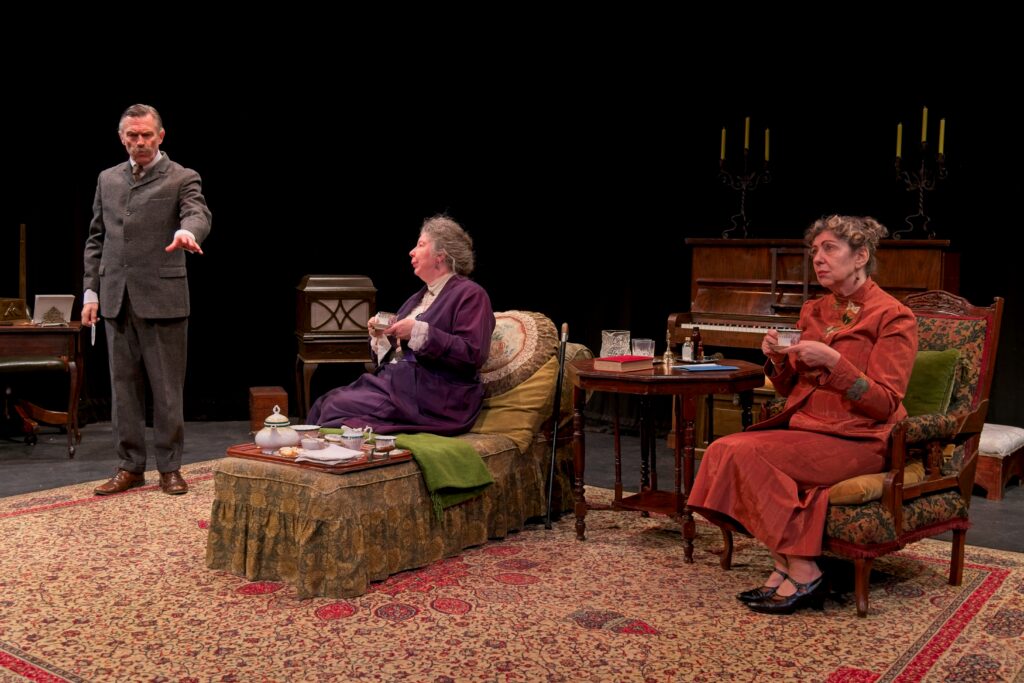
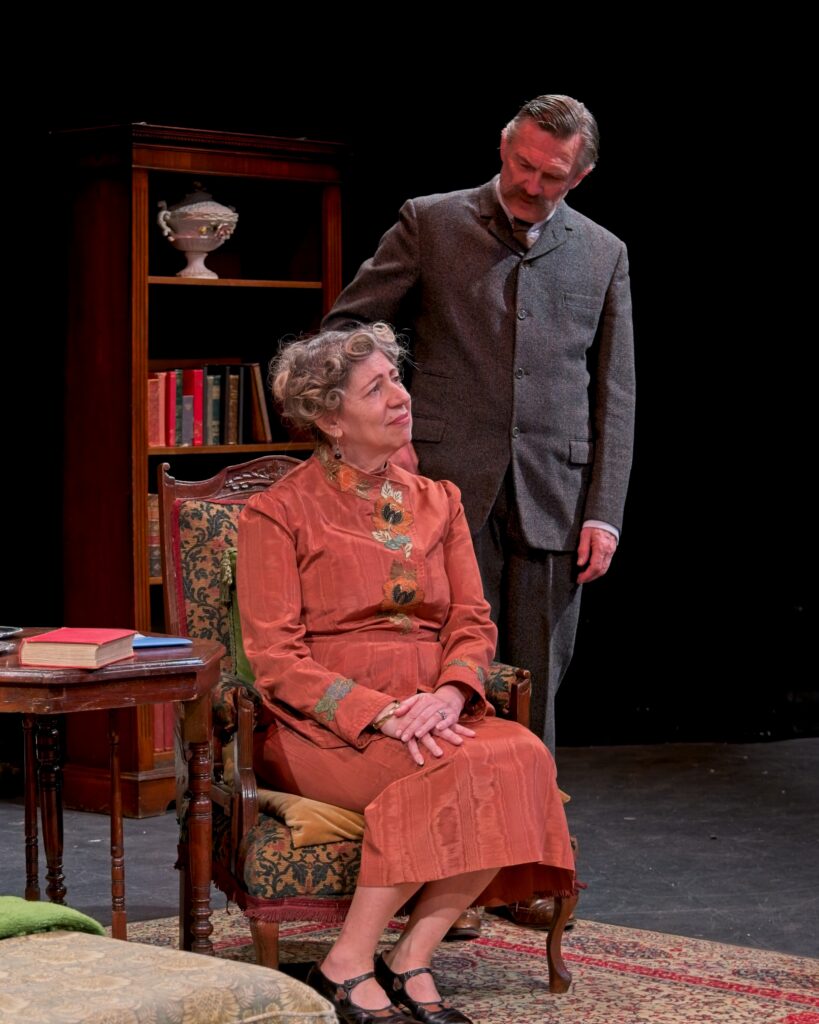
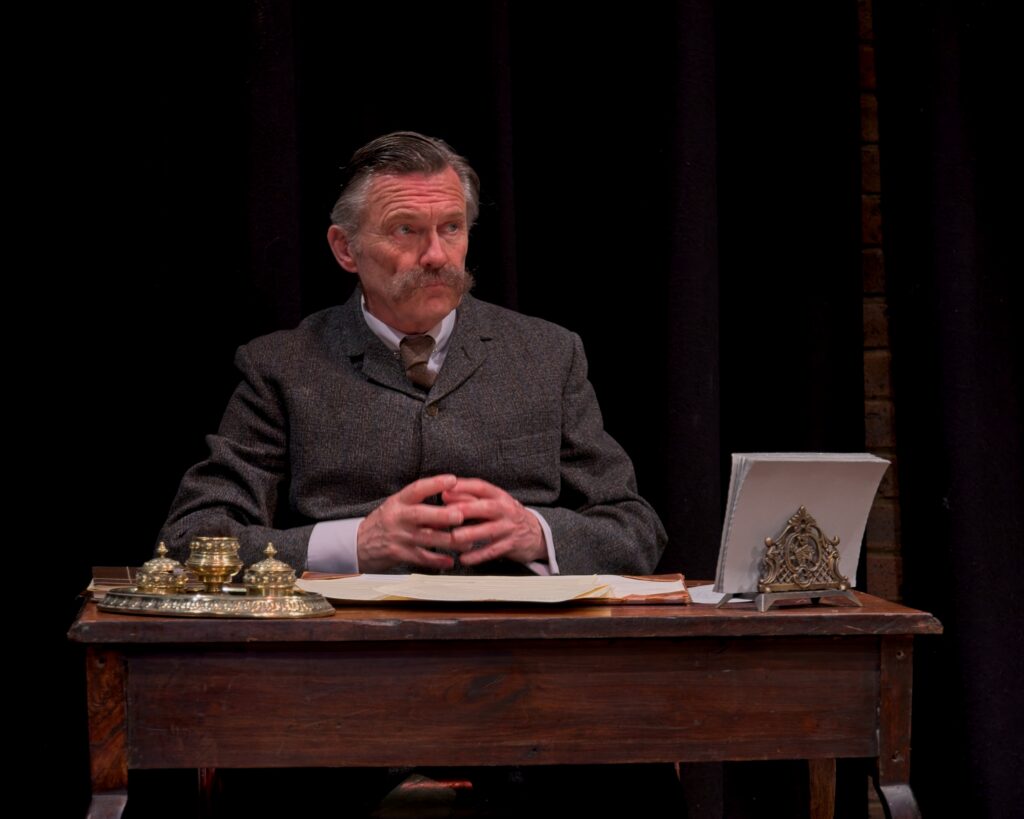
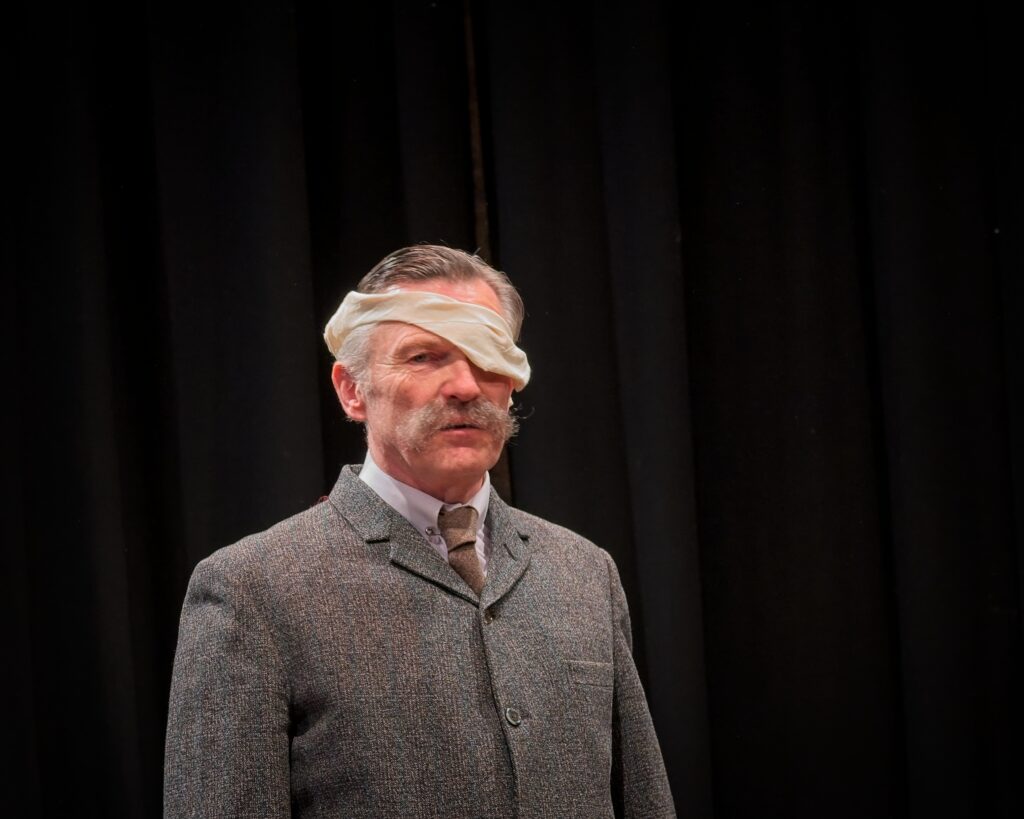
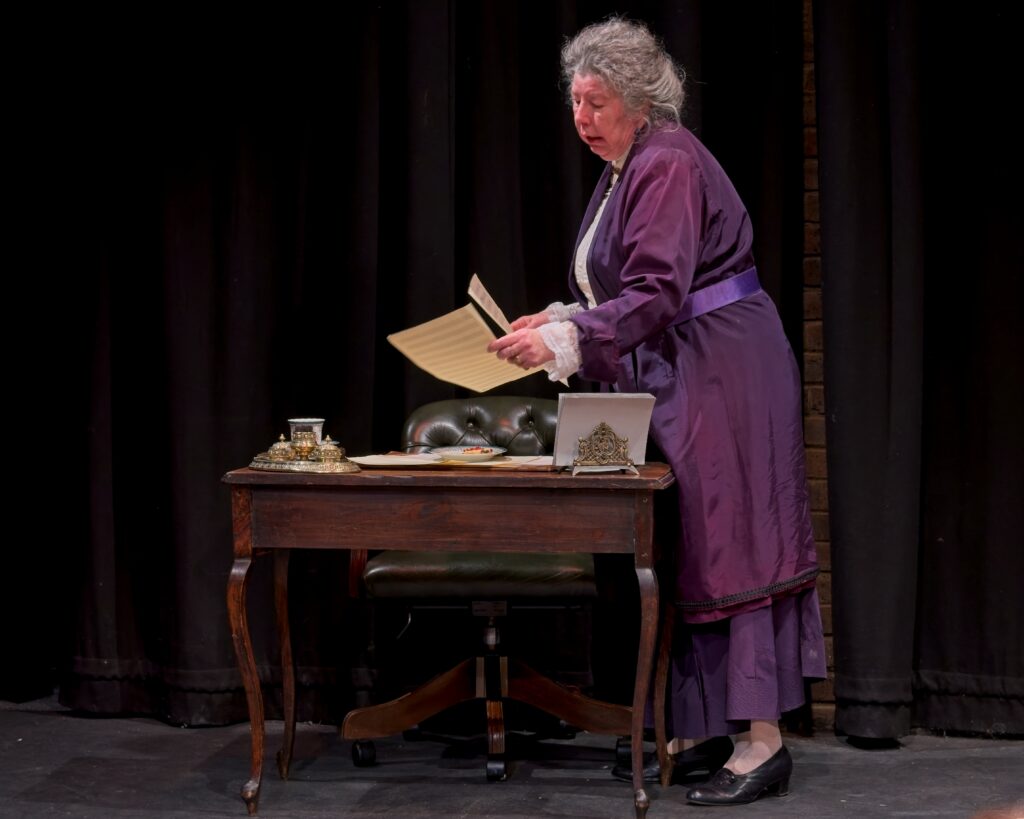
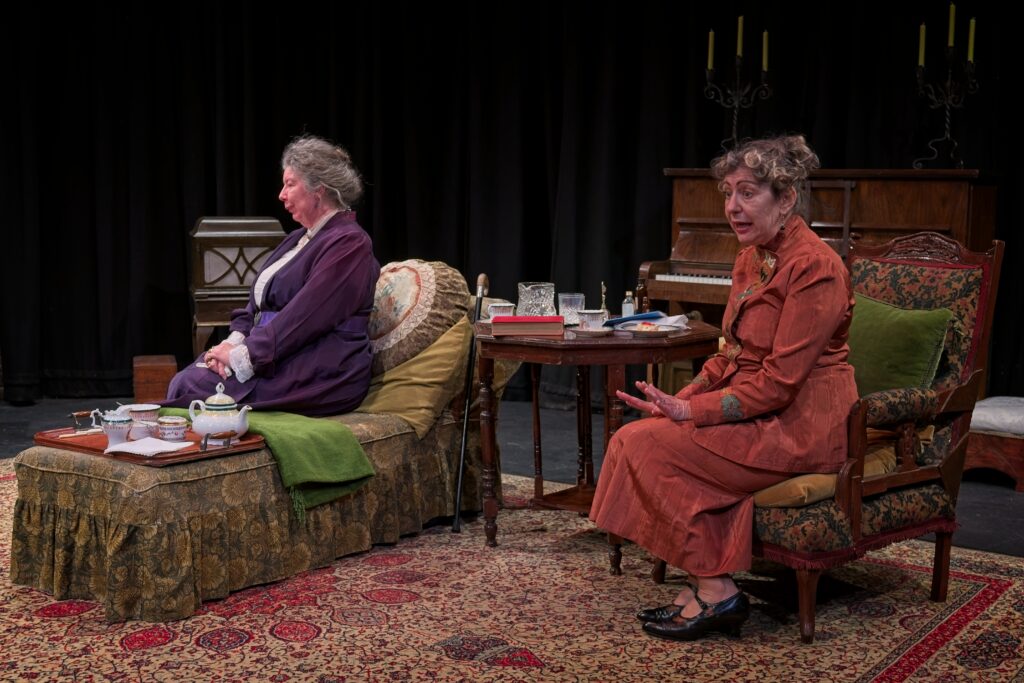
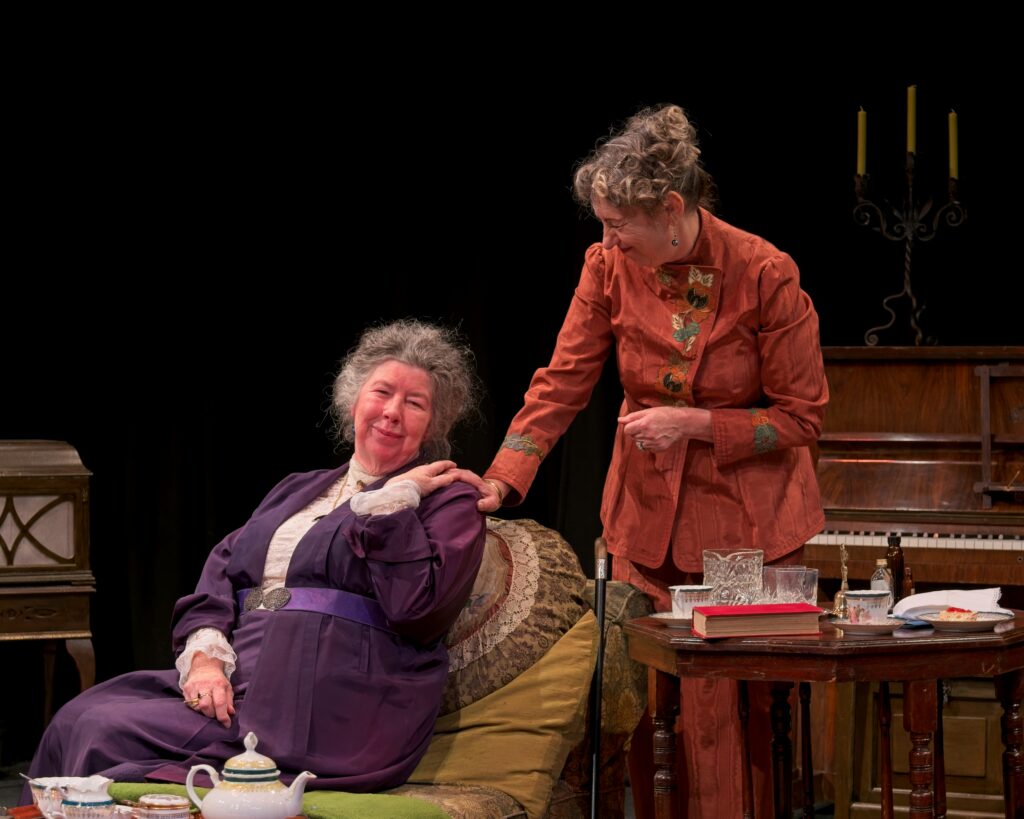
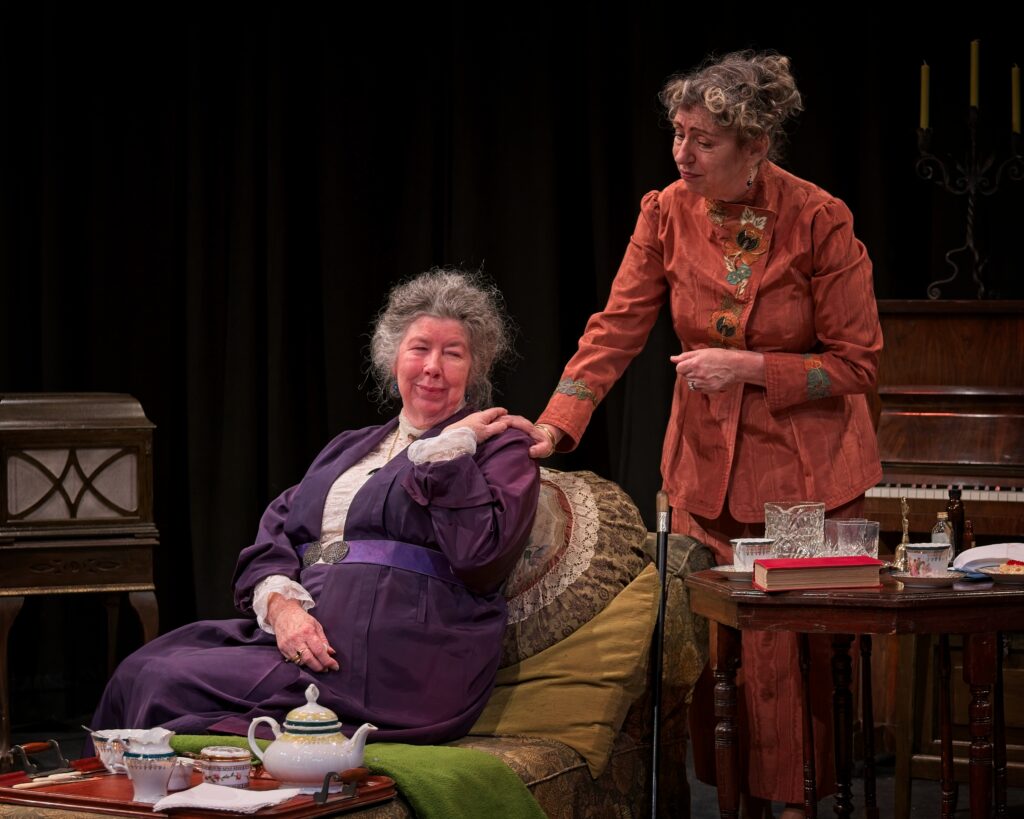
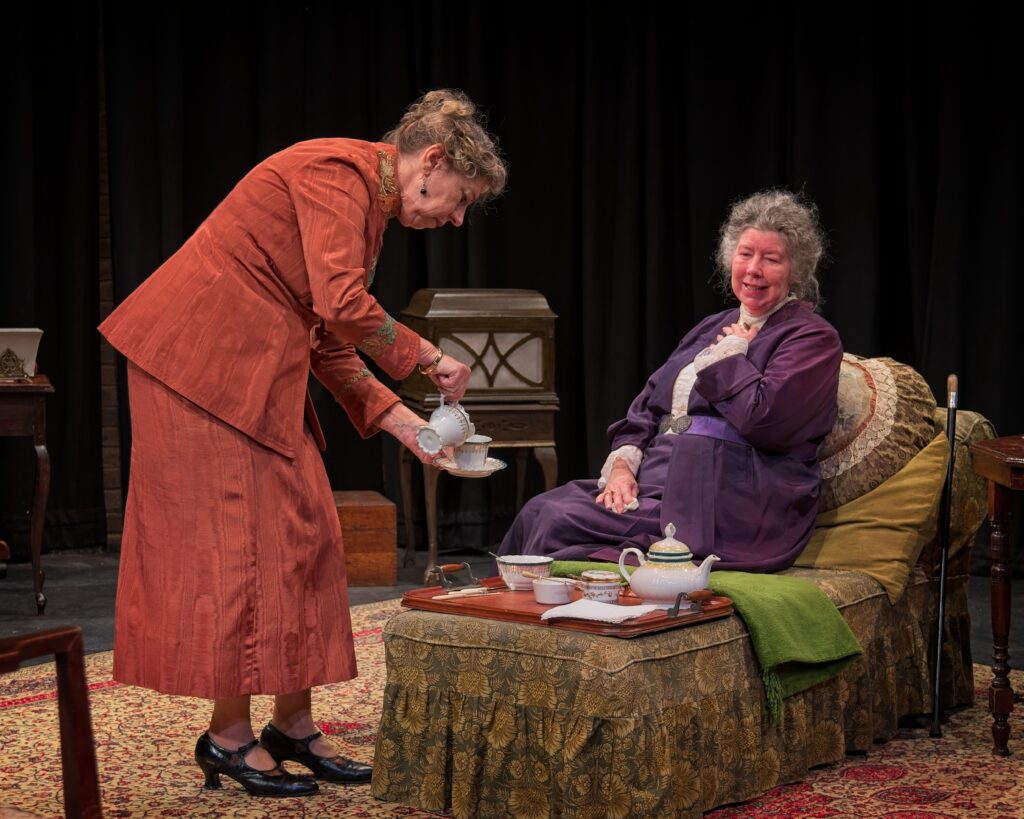
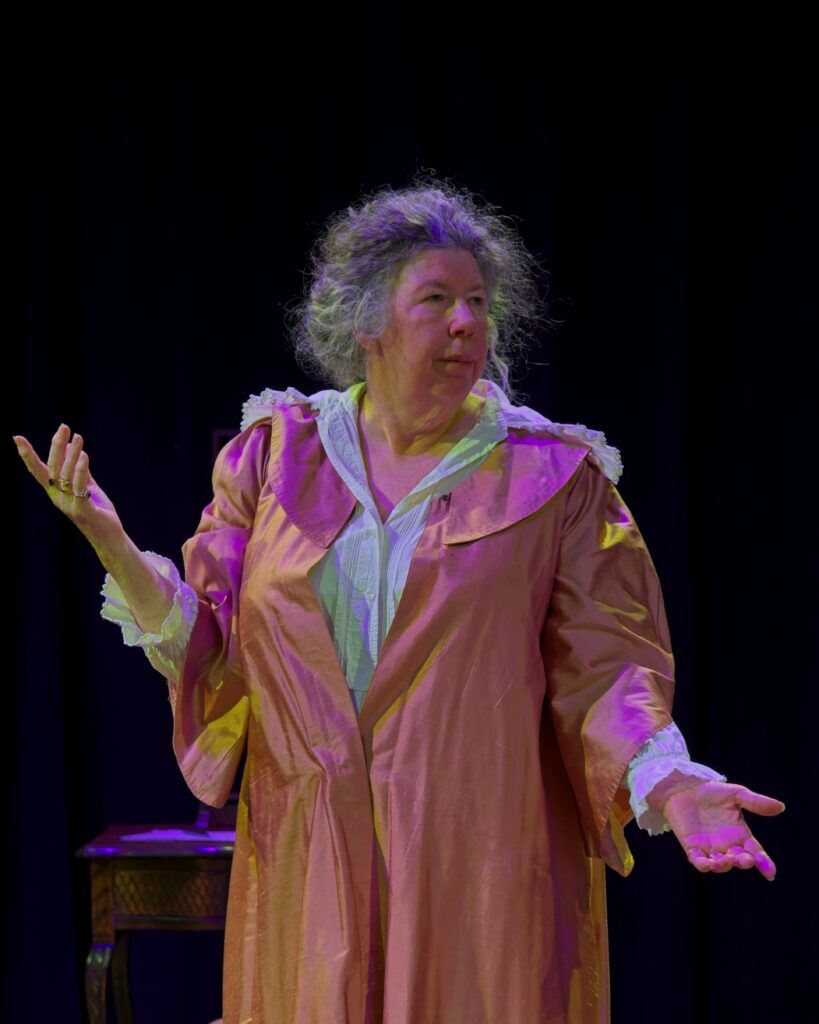
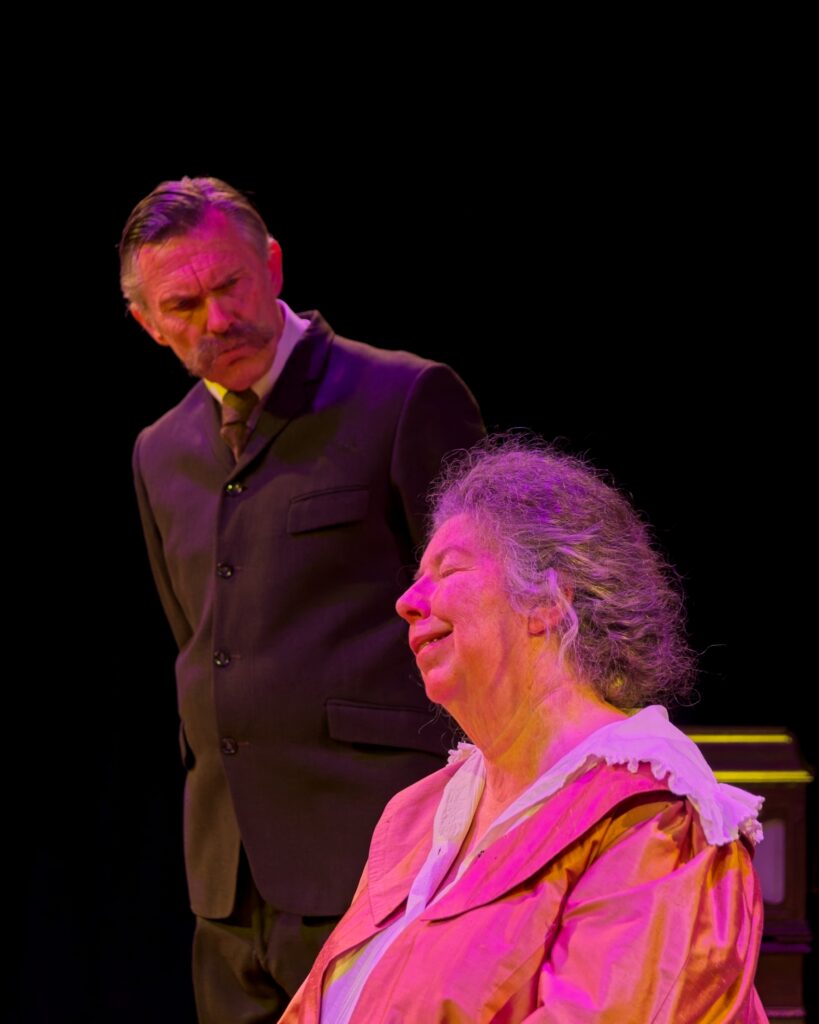
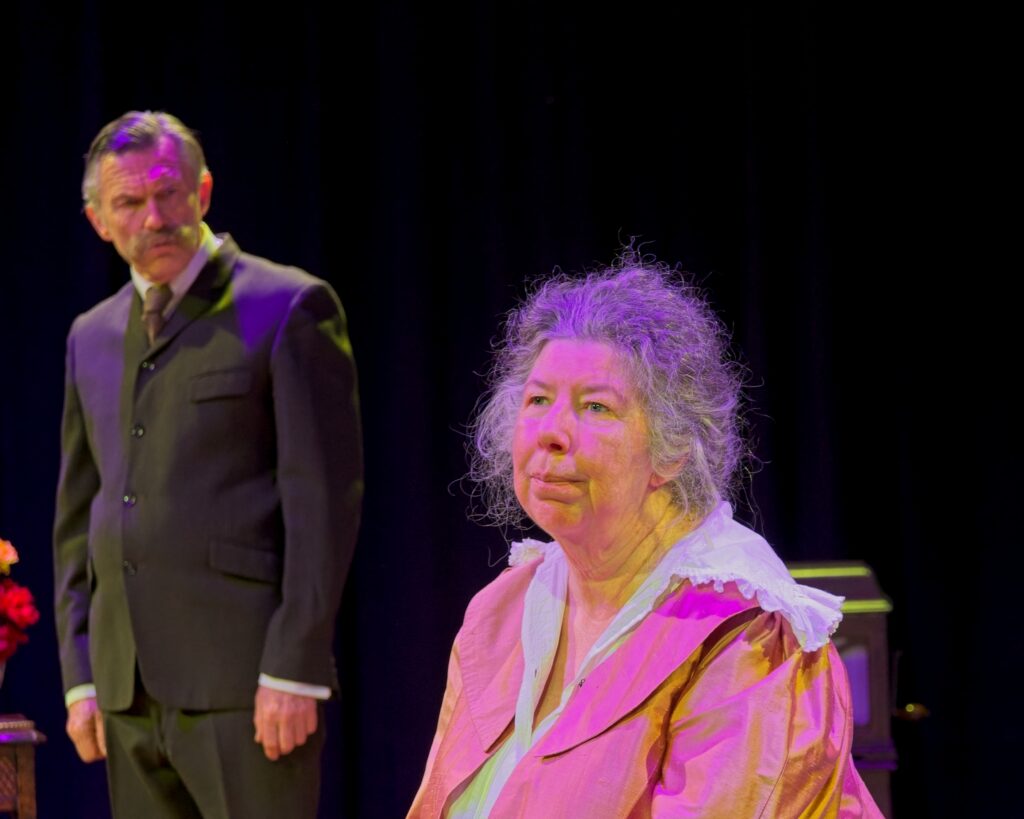
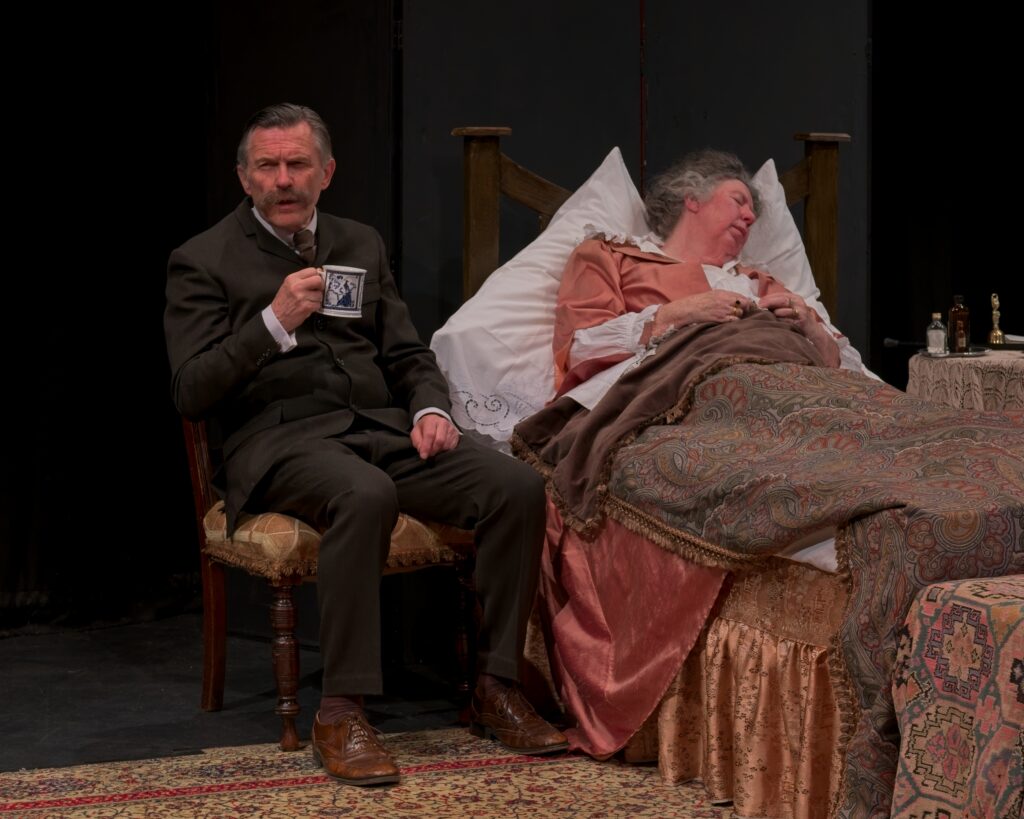
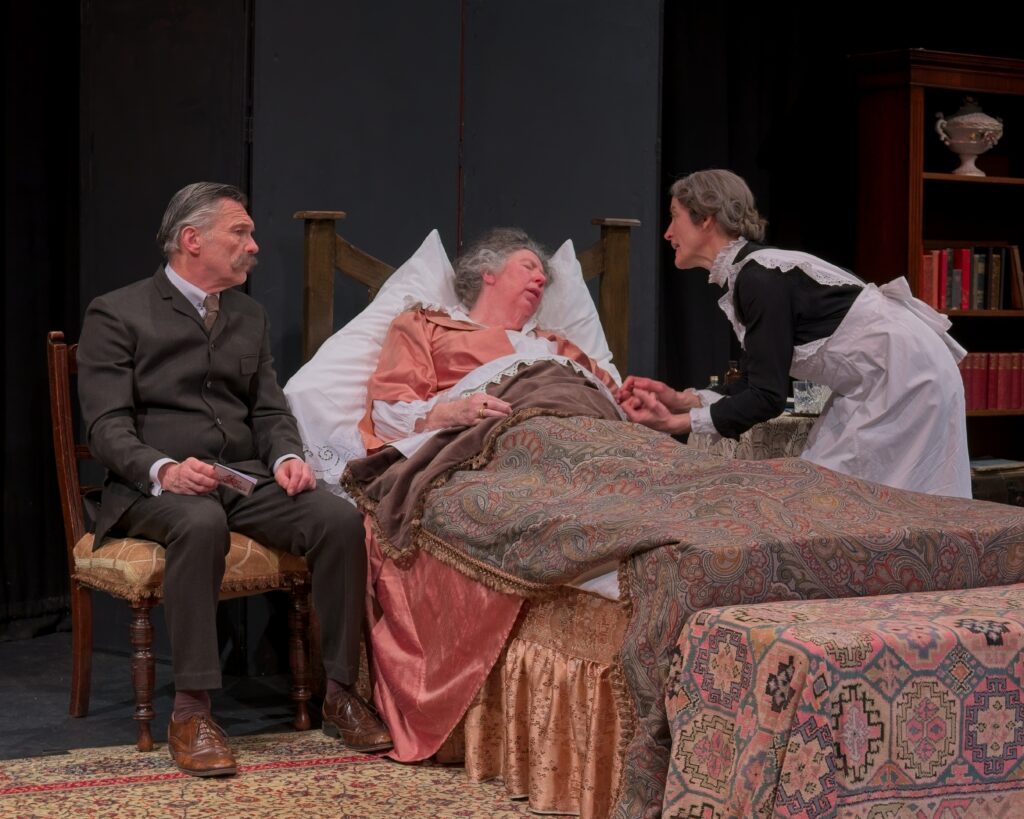
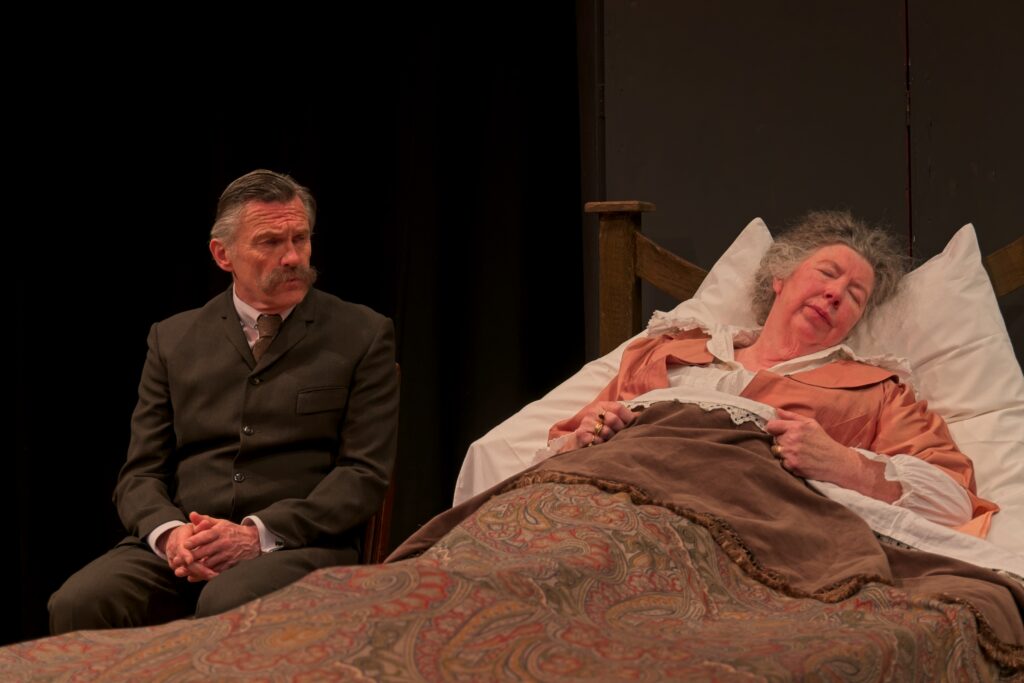
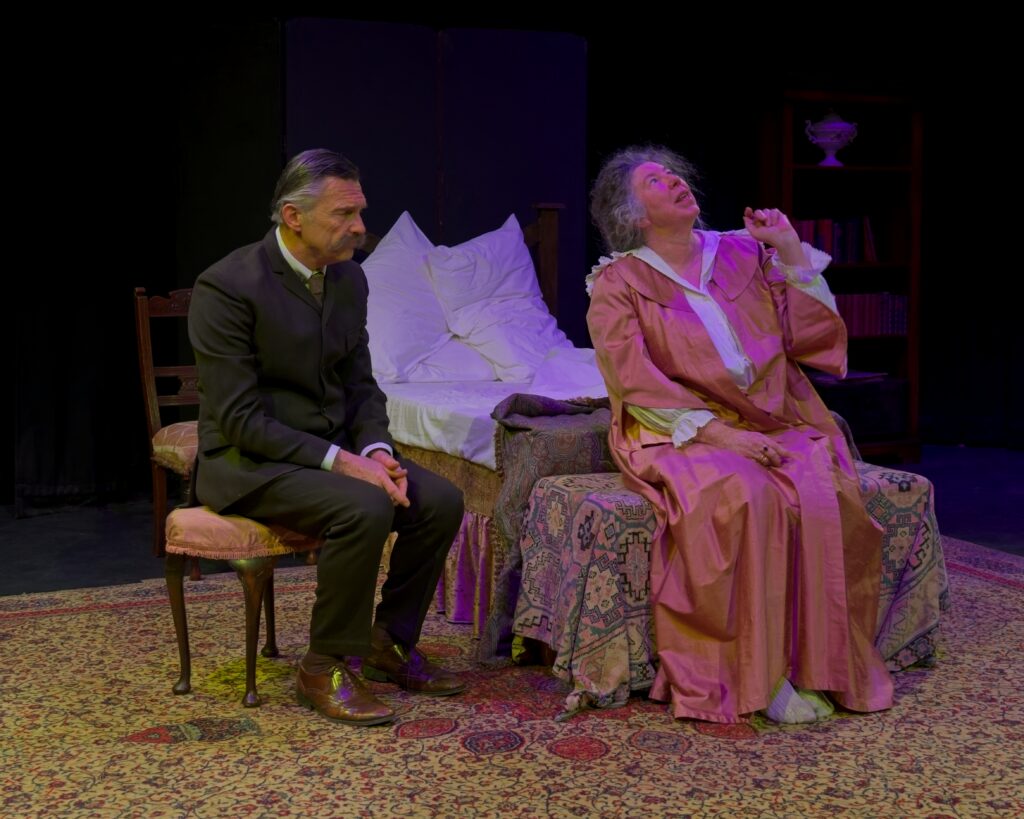
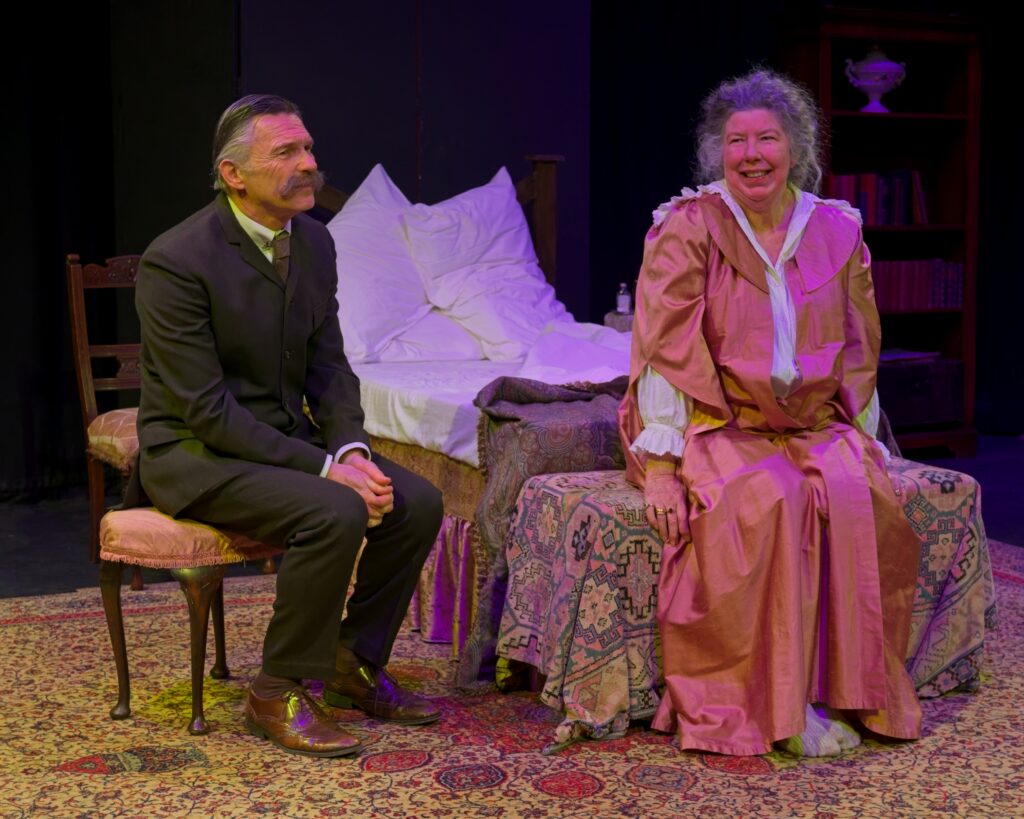
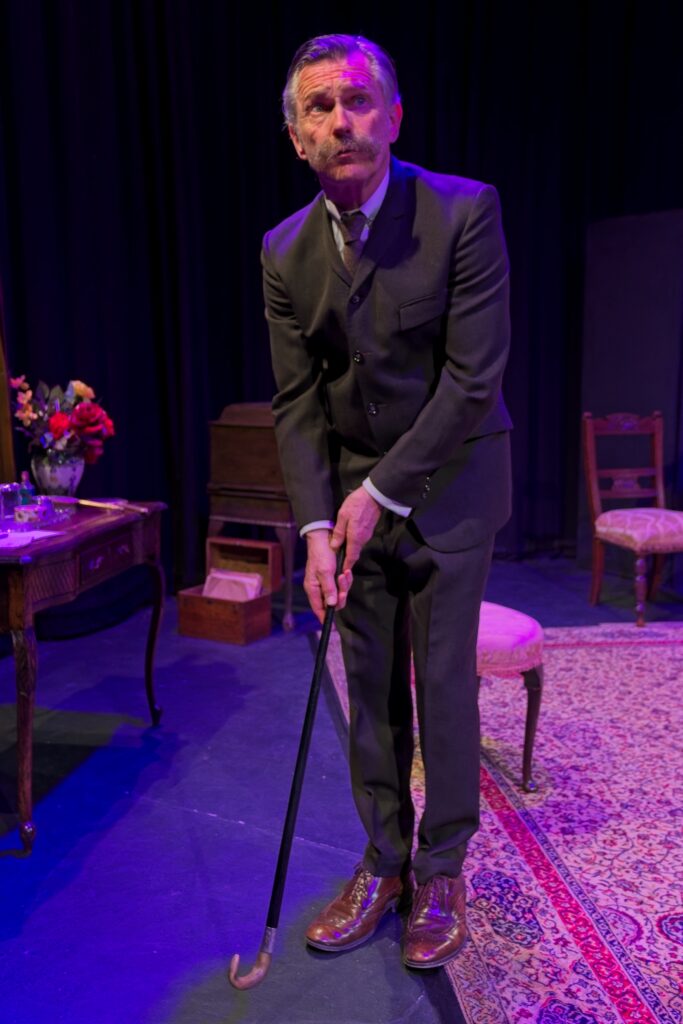
The cast of four established their characters extremely well. Dan Clucas played Elgar, himself an enigma, with a classic musician’s befuddled intensity and pre- occupation.
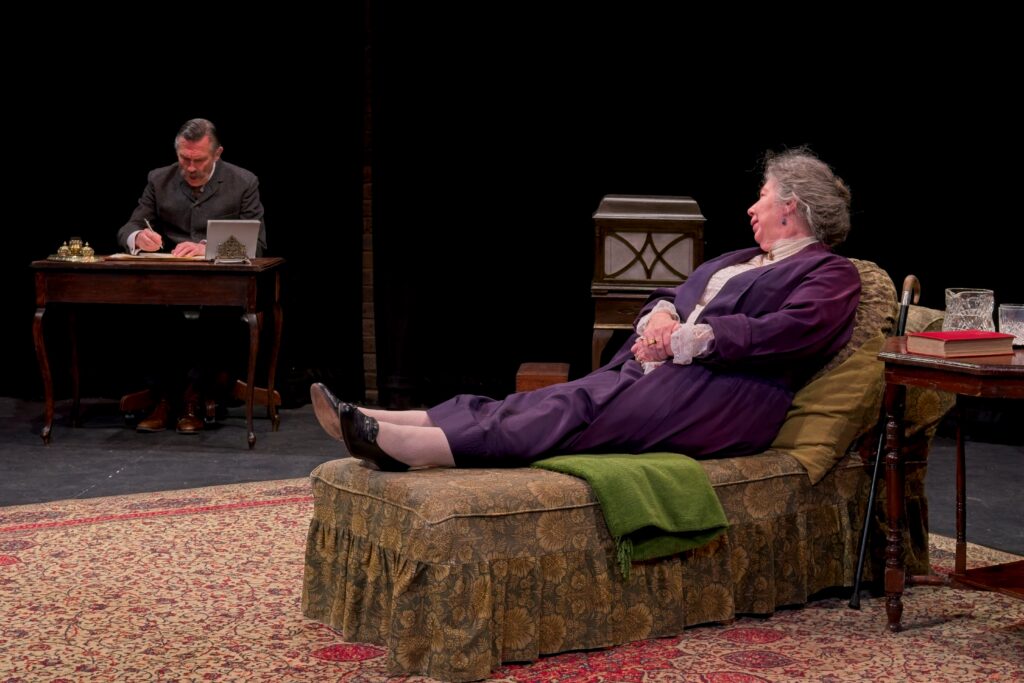
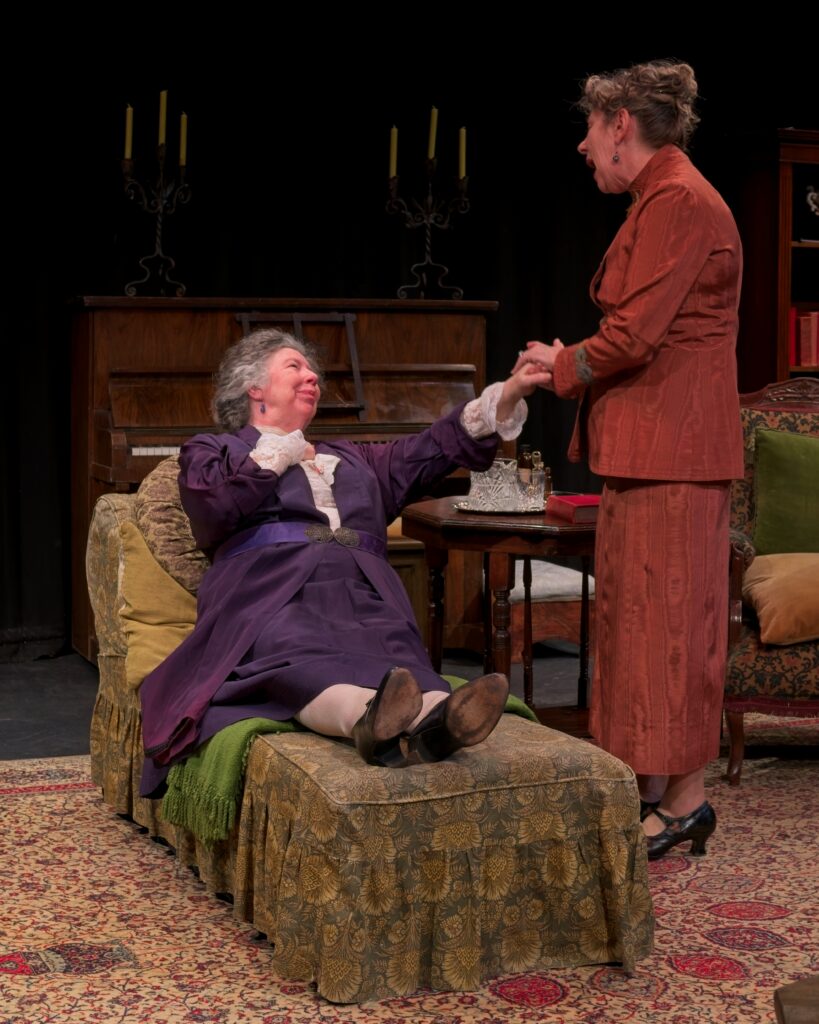
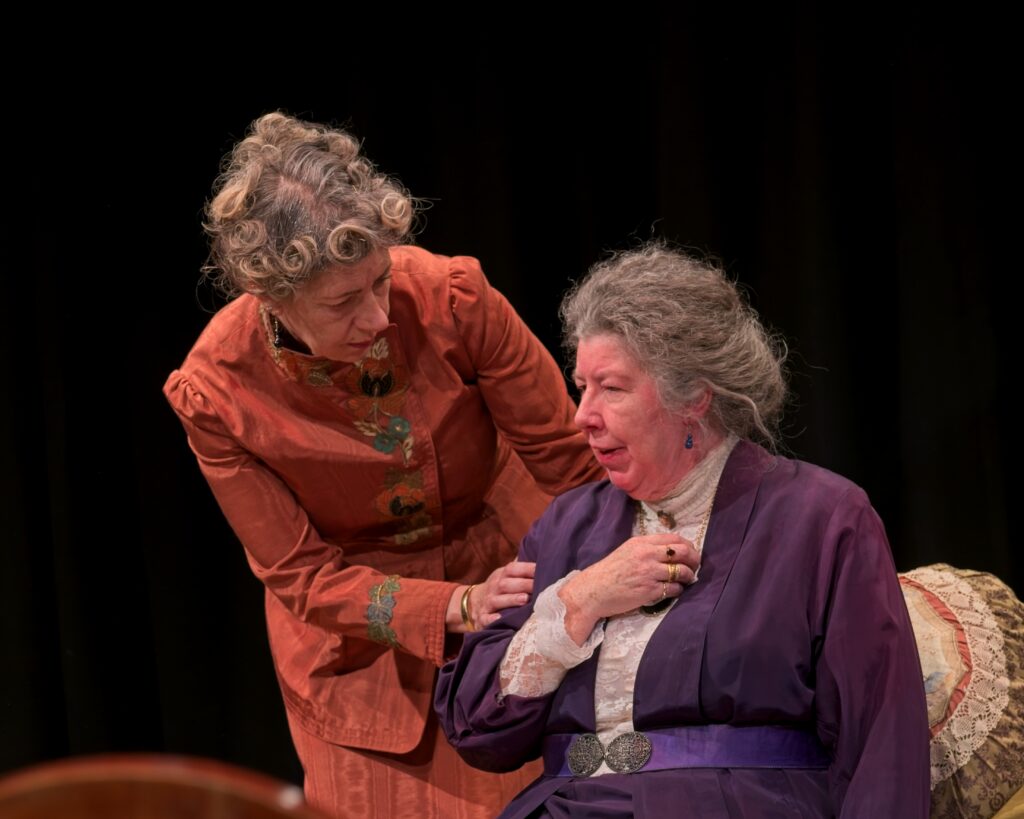
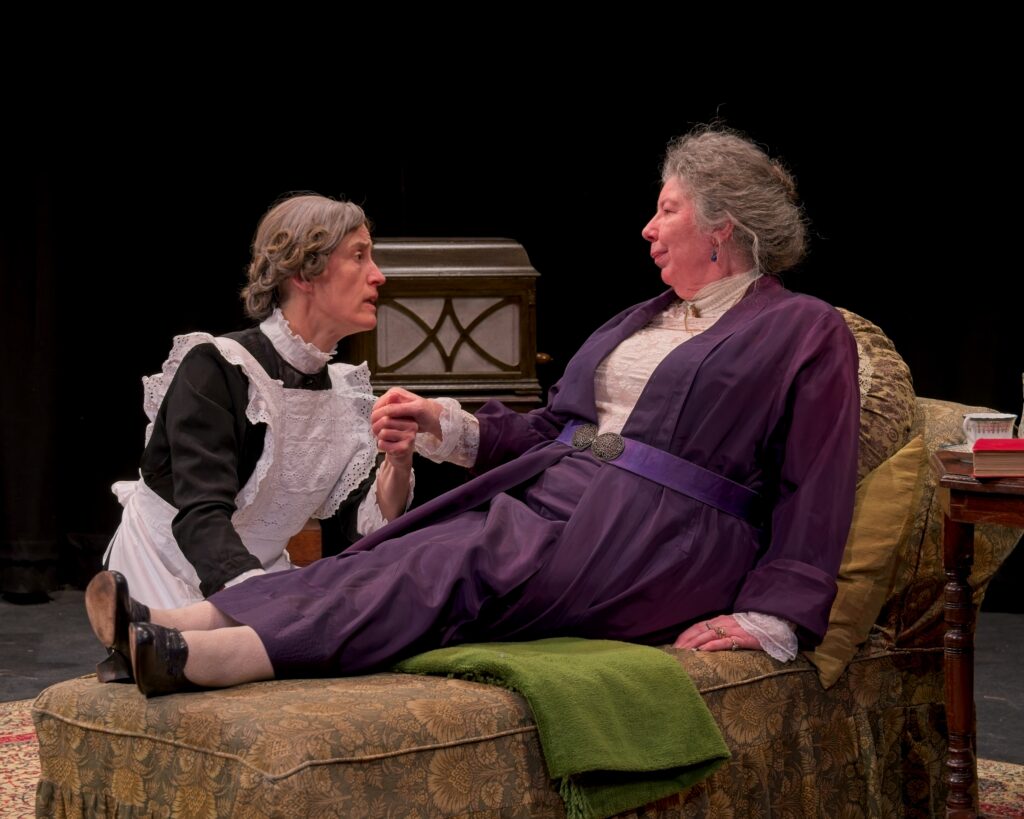
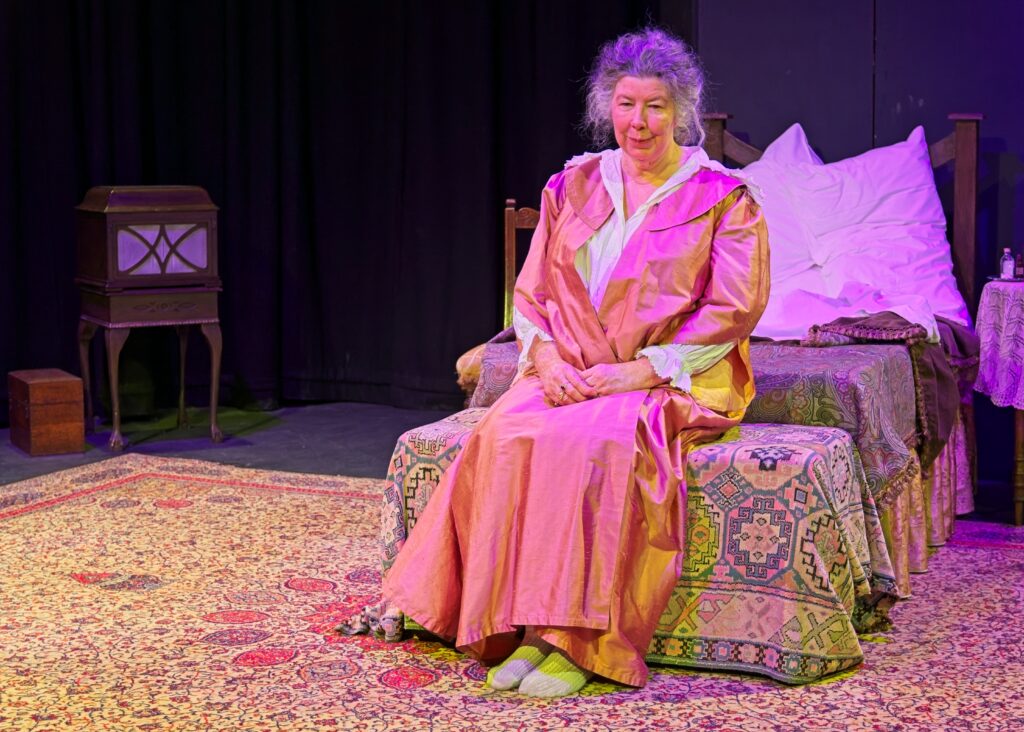
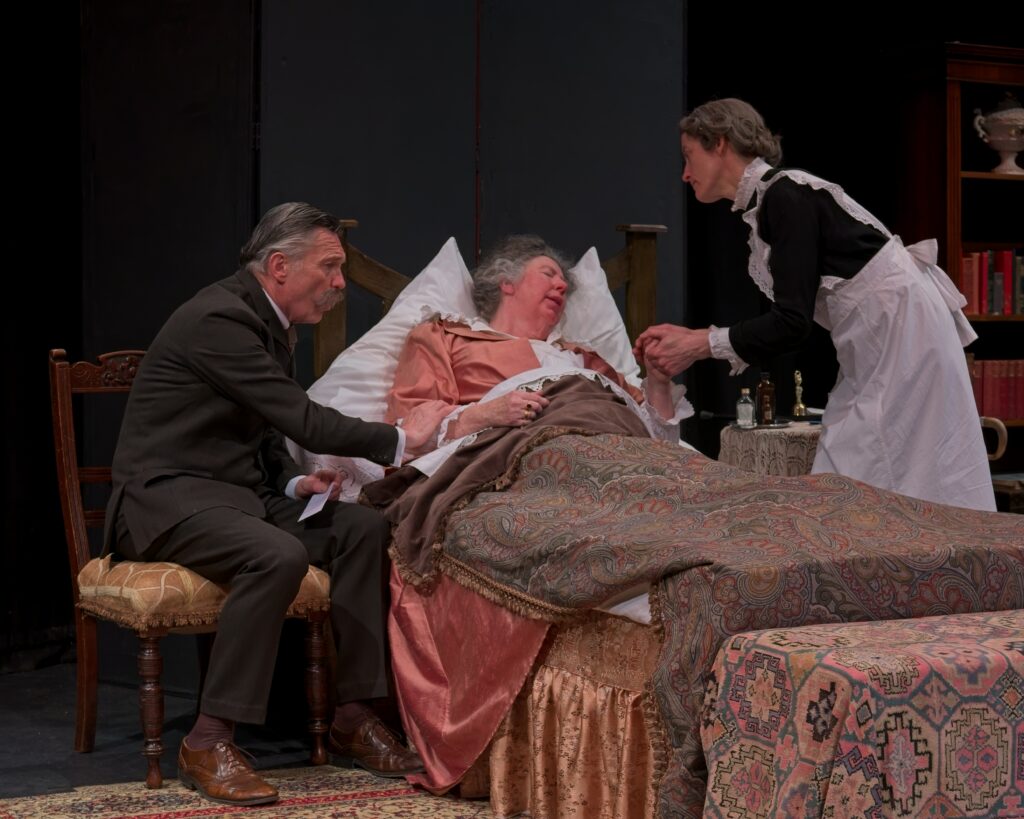
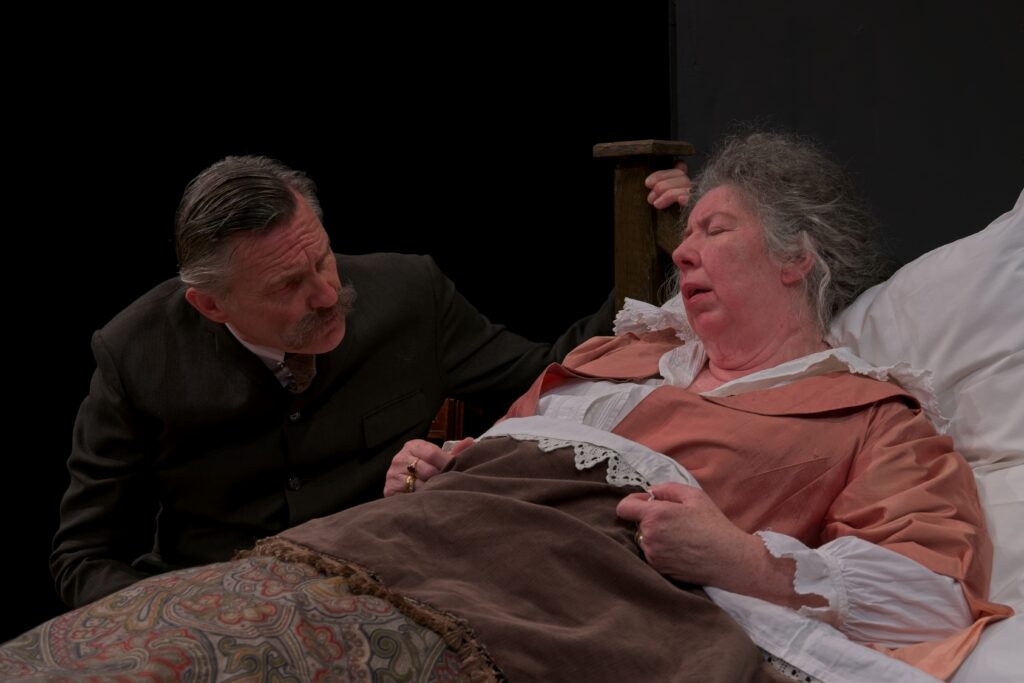
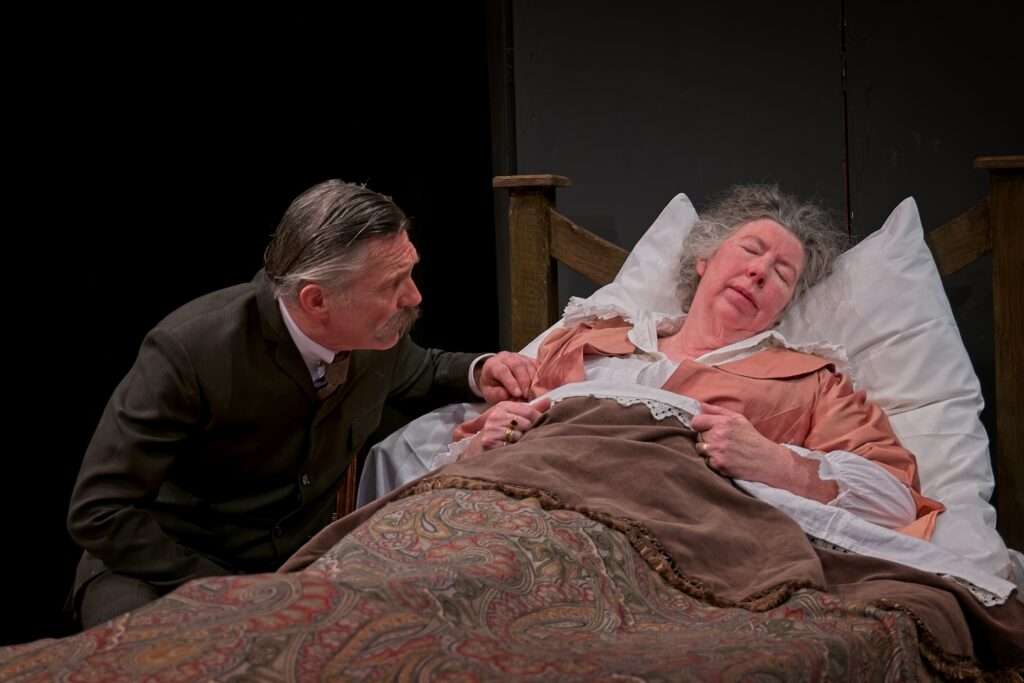
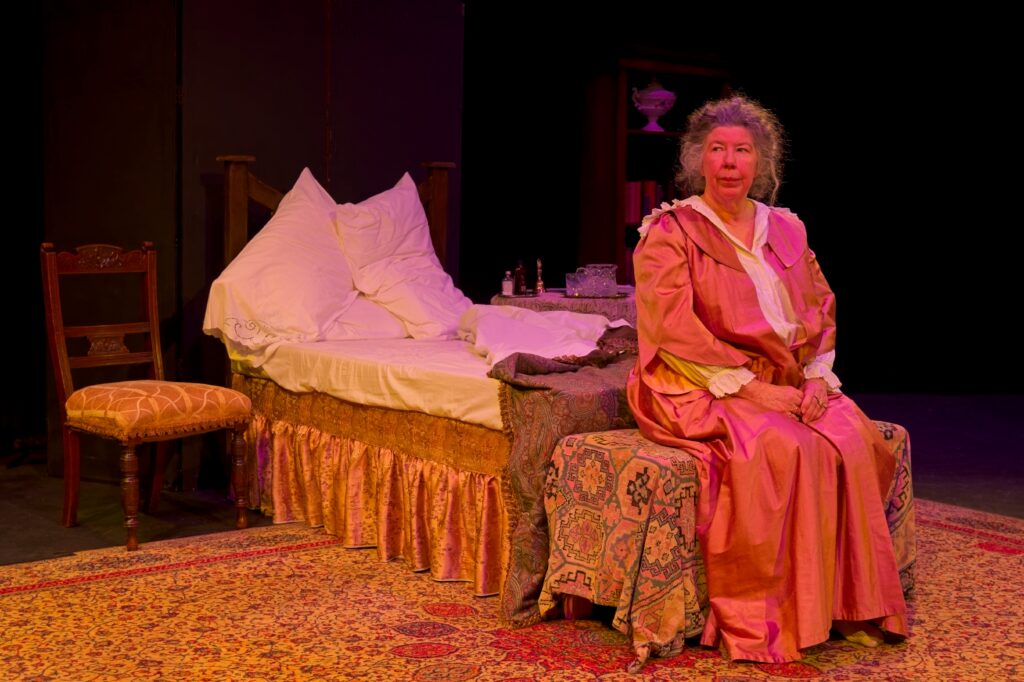
Jacqui Golding, as wife Alice, did such a good job of portraying a bronchial illness in Act I that my companion and I felt genuinely worried for her health!
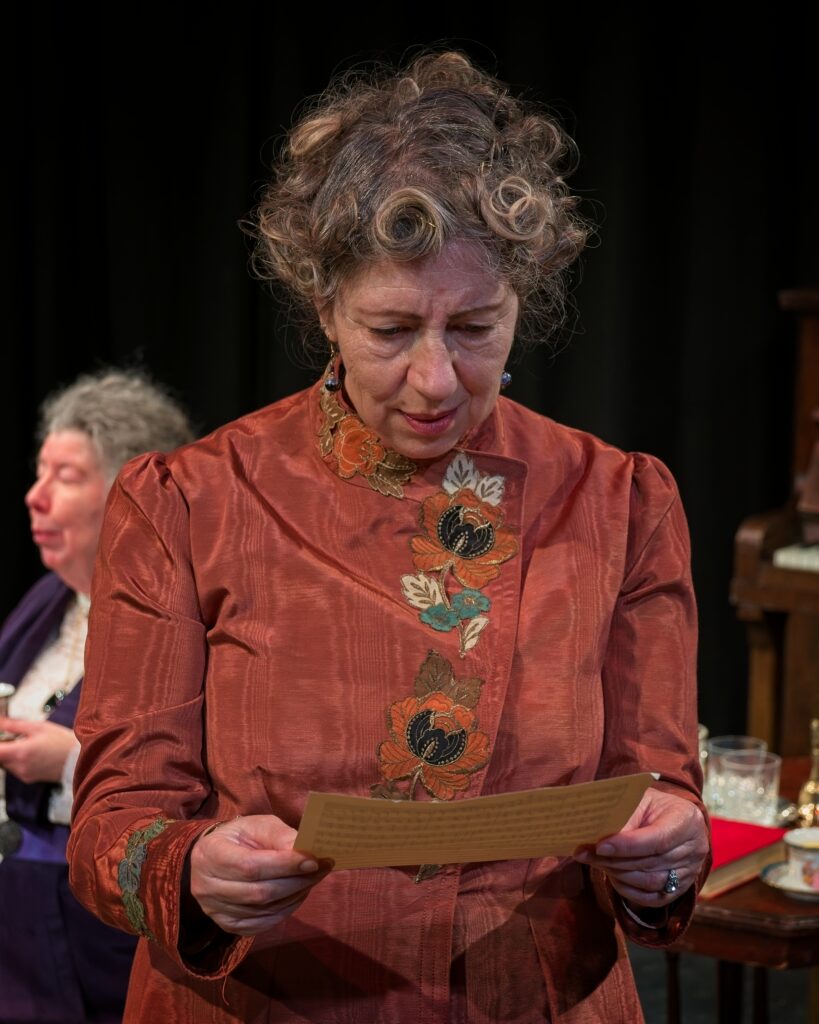
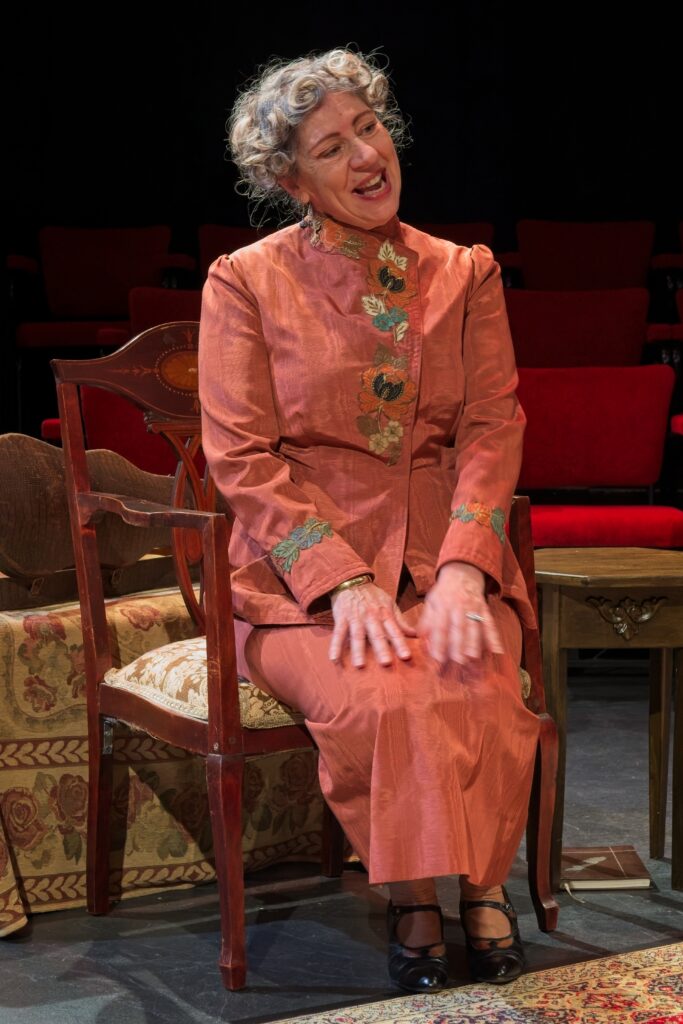
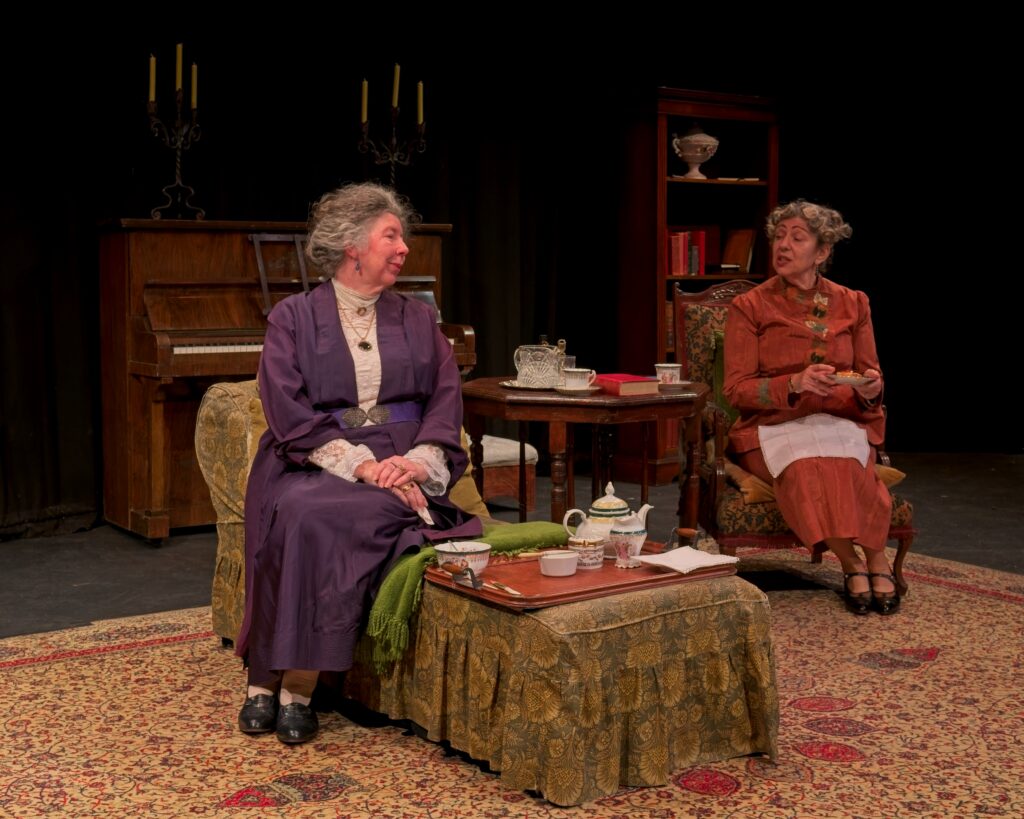
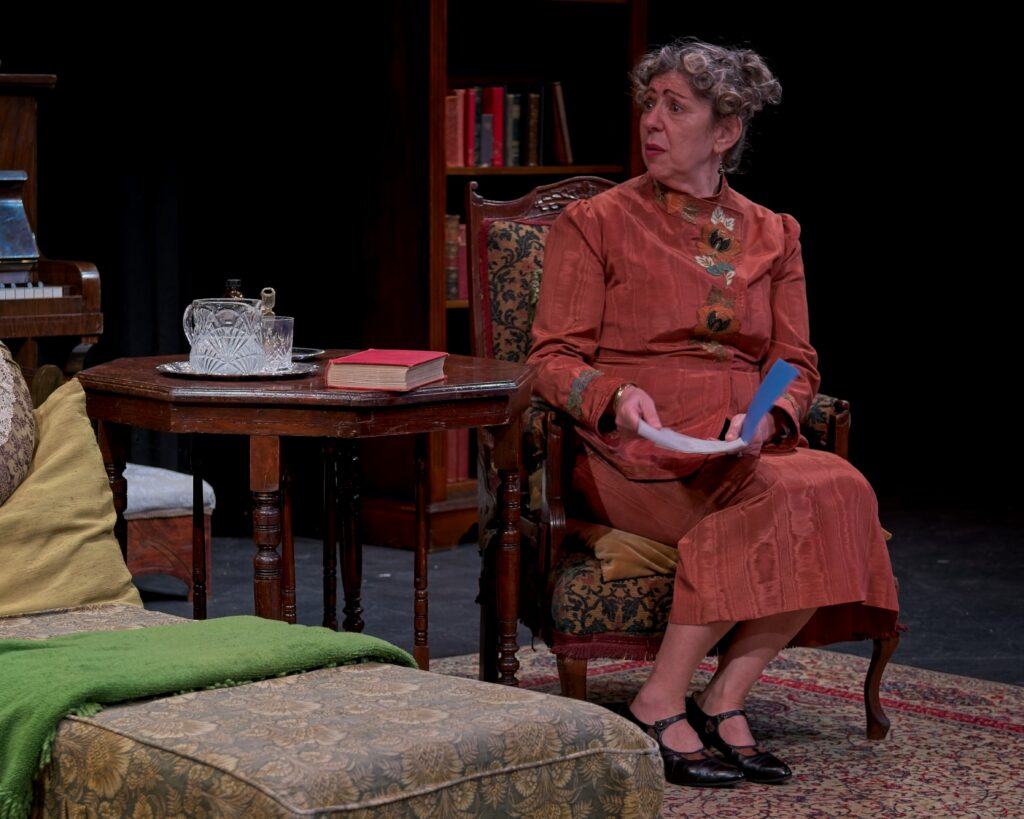
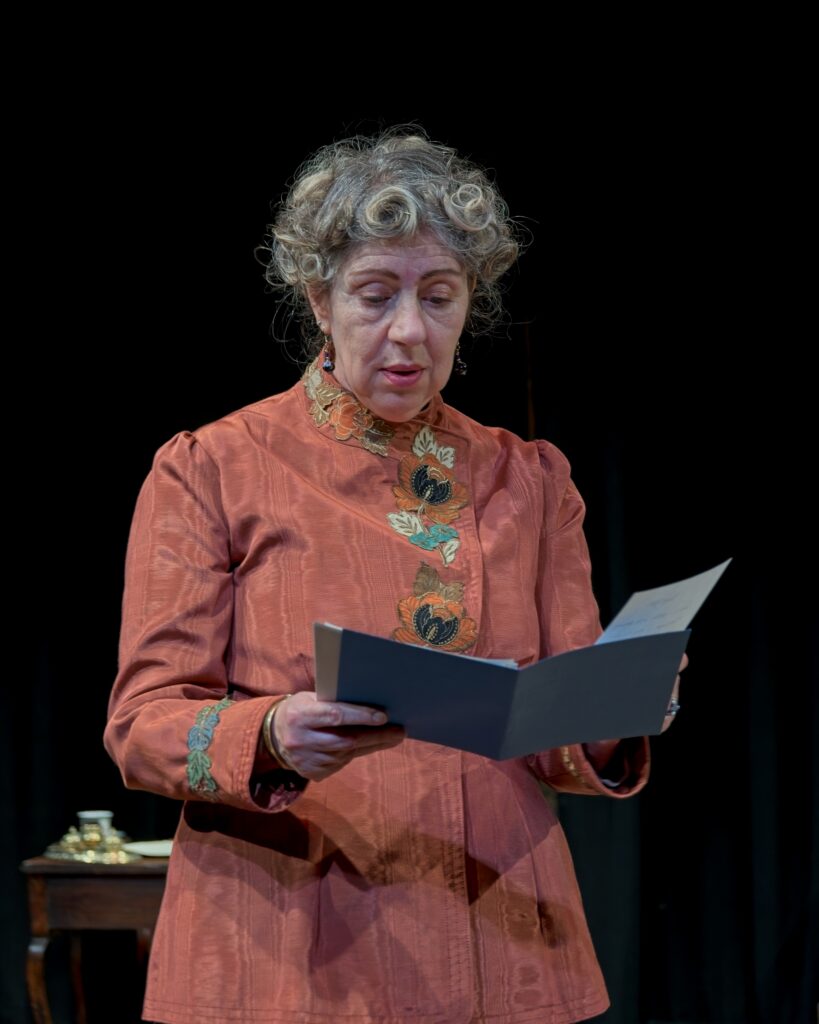
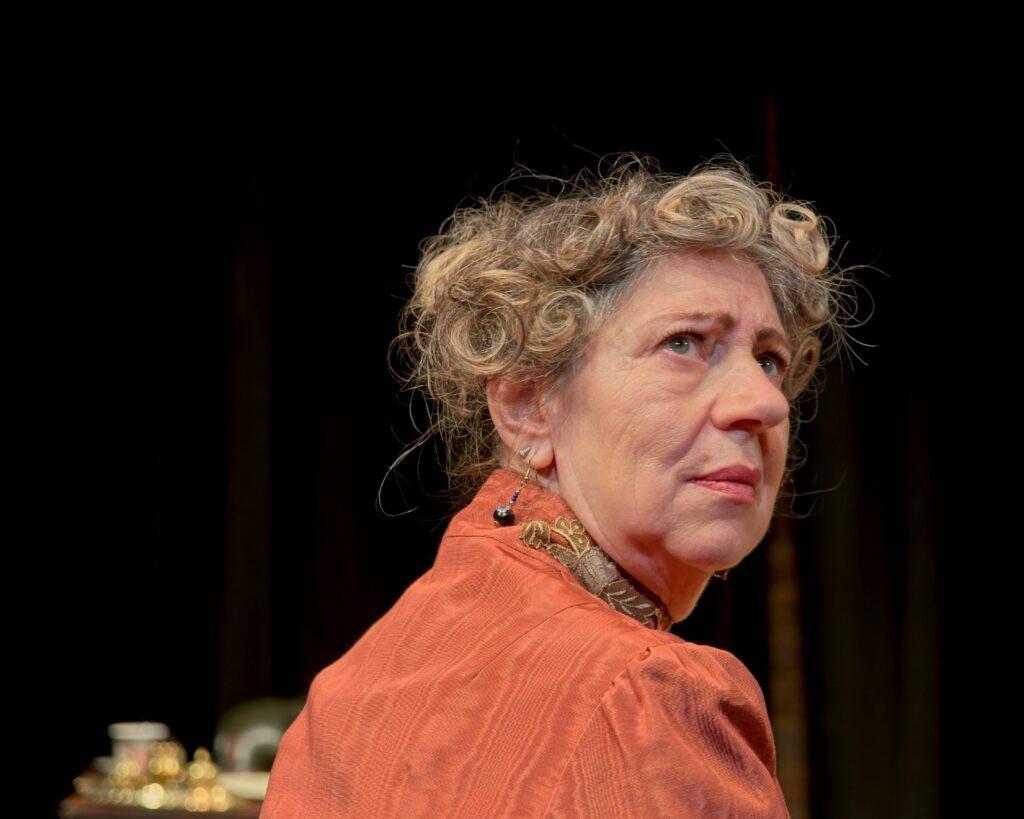
Suzanne Brower, as mistress Alice, probably had the hardest role to play as she only has one Act to establish her character, which she did successfully showing the compassionate and less desirable aspects of her personality.
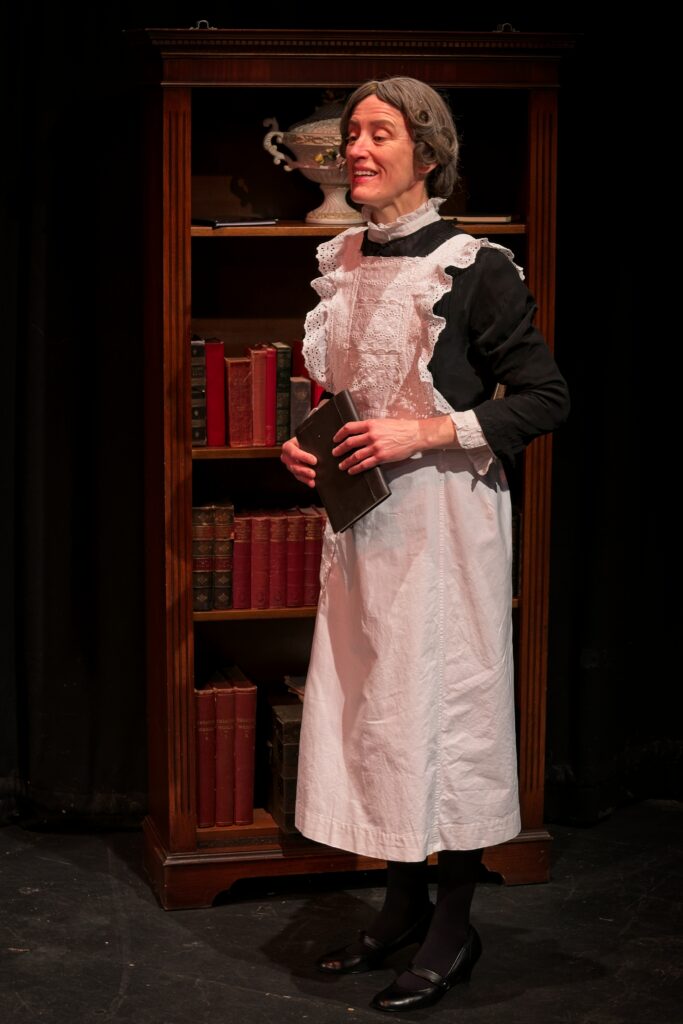
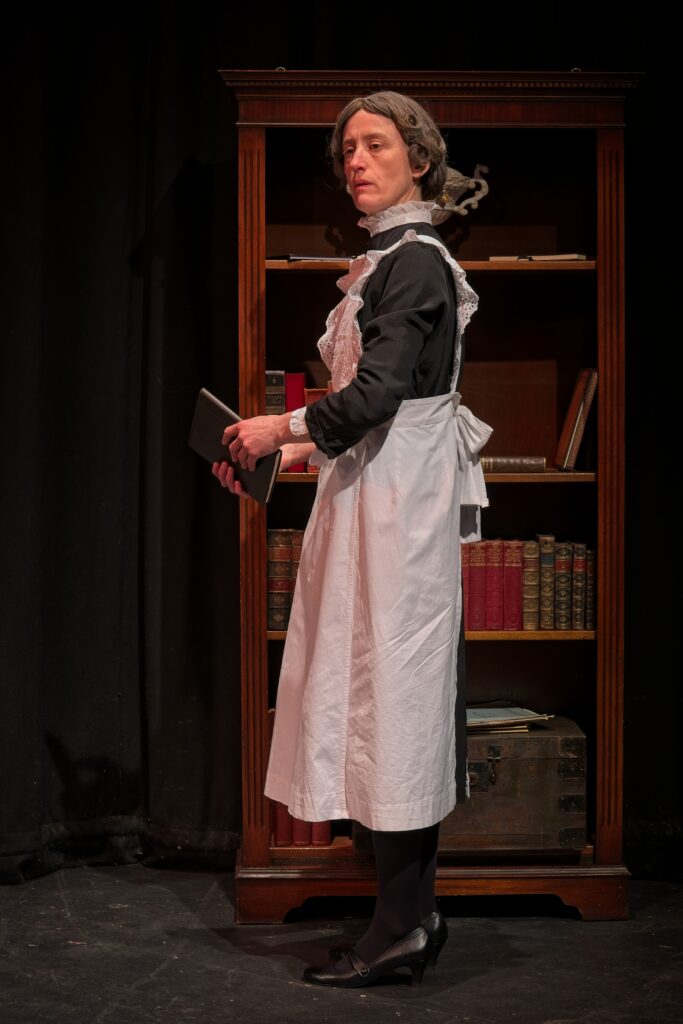
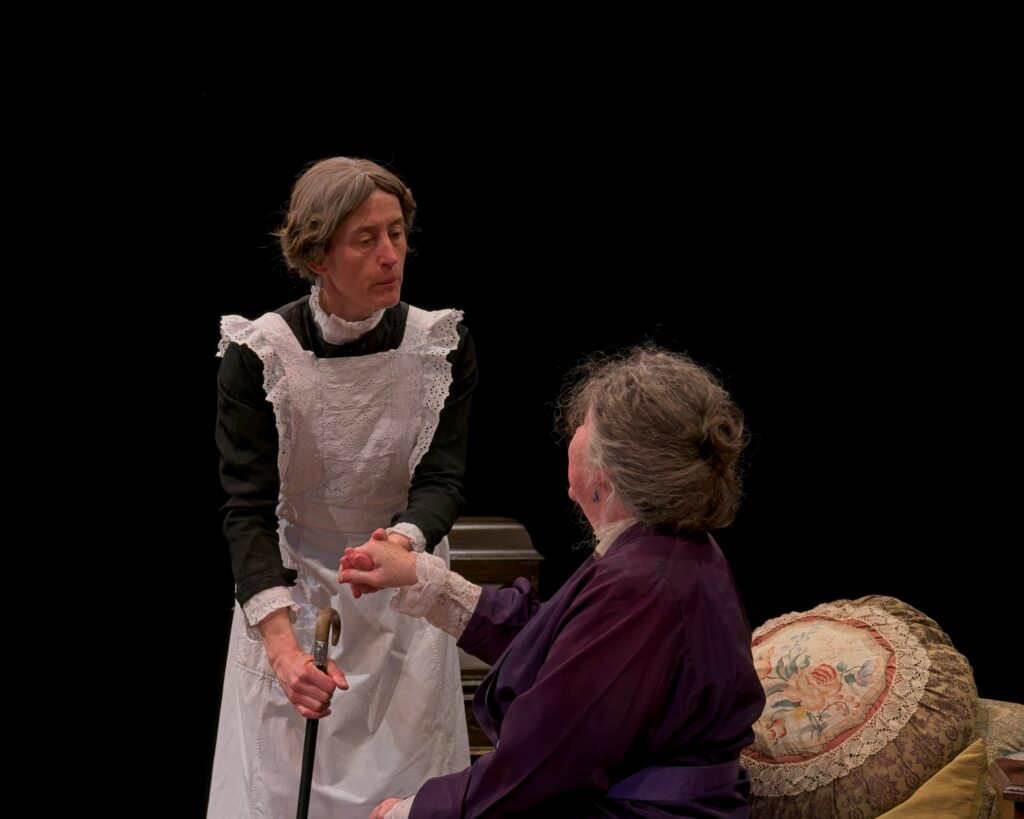
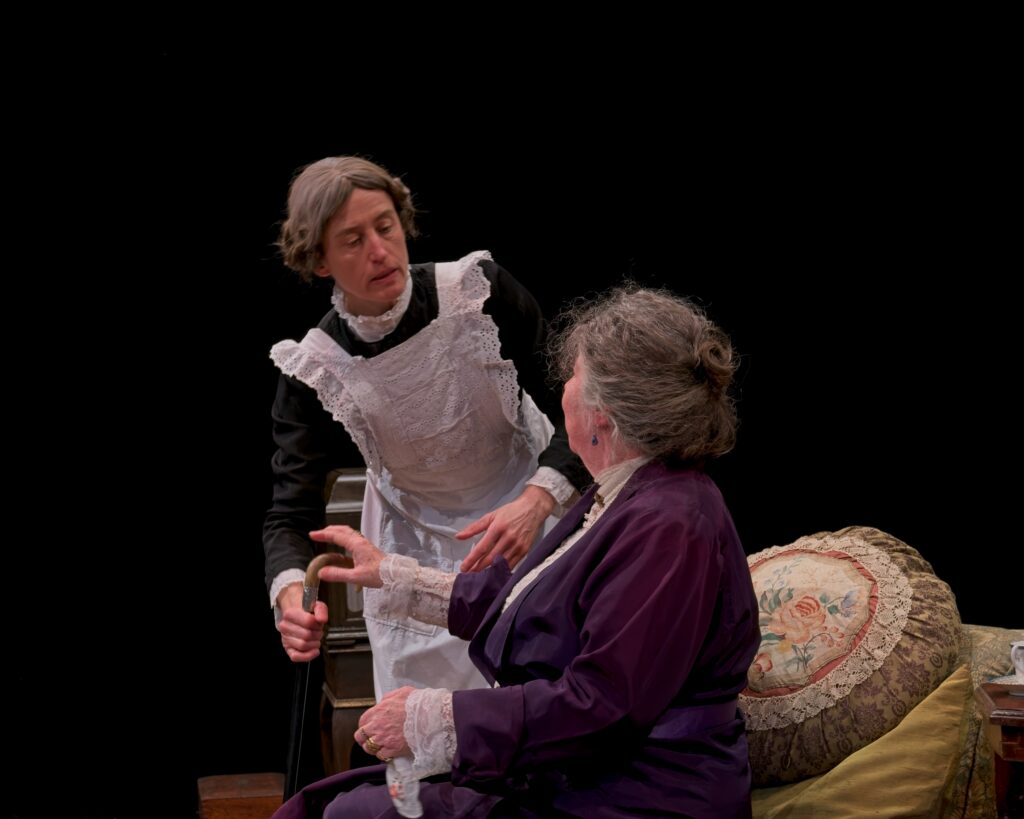
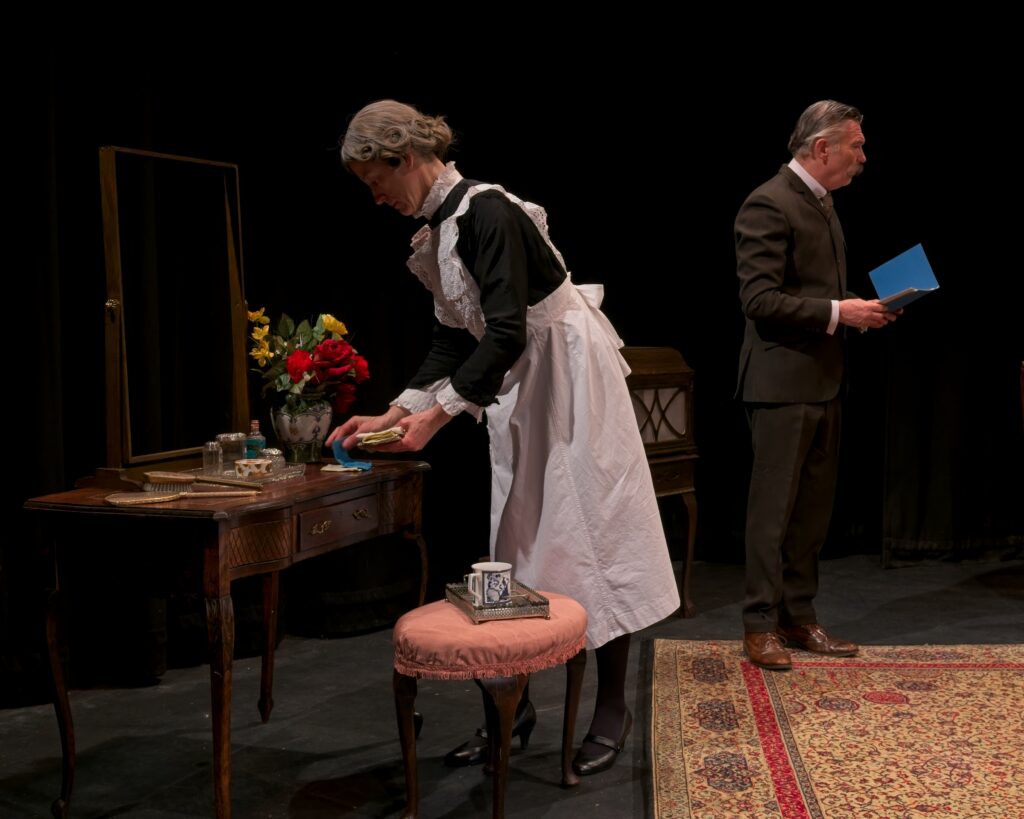
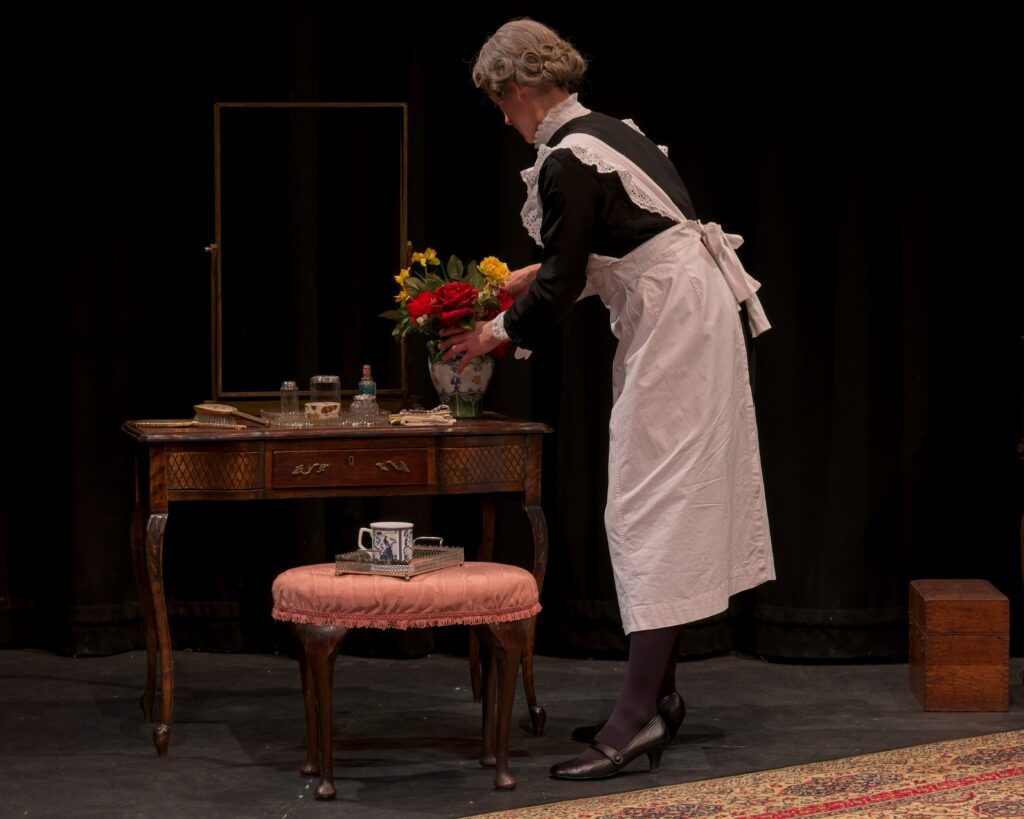
Deborah Cole commanded the role of maid Sarah throughout – her devotion to wife Alice was palpable.
The script is well constructed, and the author’s use of character-based dialogue has great merit. I loved some of the witty observational lines about musicianship and relationships. A favourite line was as mistress Alice looked at an unfinished score “I wonder what that’s not going to be!”
The husband and wife’s debate over whether music can say more than words has got me thinking and in fact began a debate between me and my own husband! Ultimately though, it was the emotionally charged Act II that was the author’s triumph – so touching and believable.
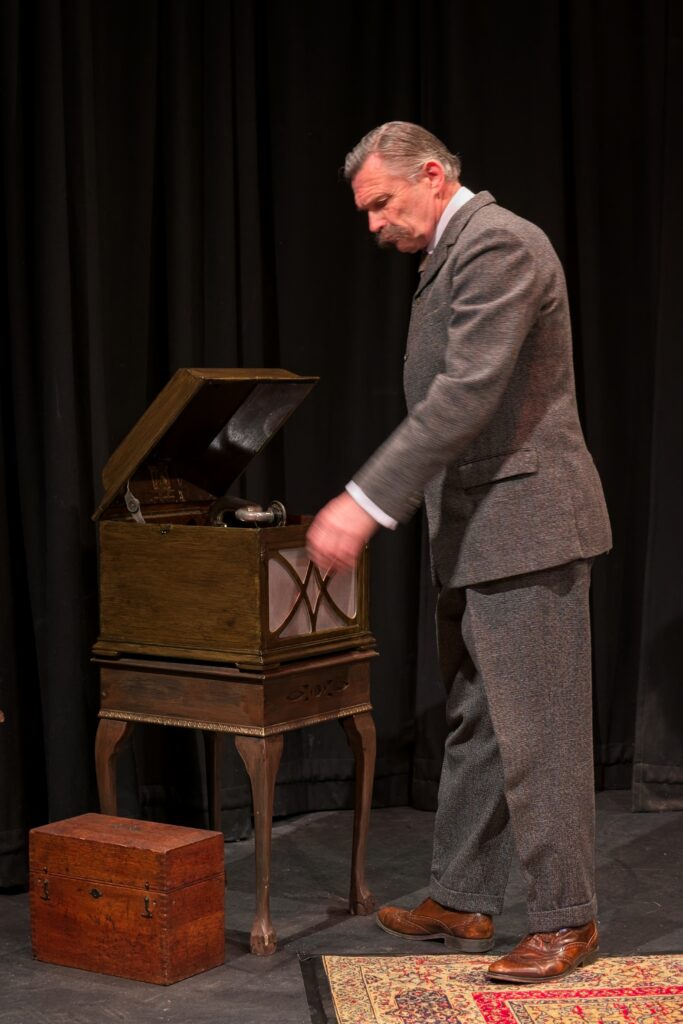
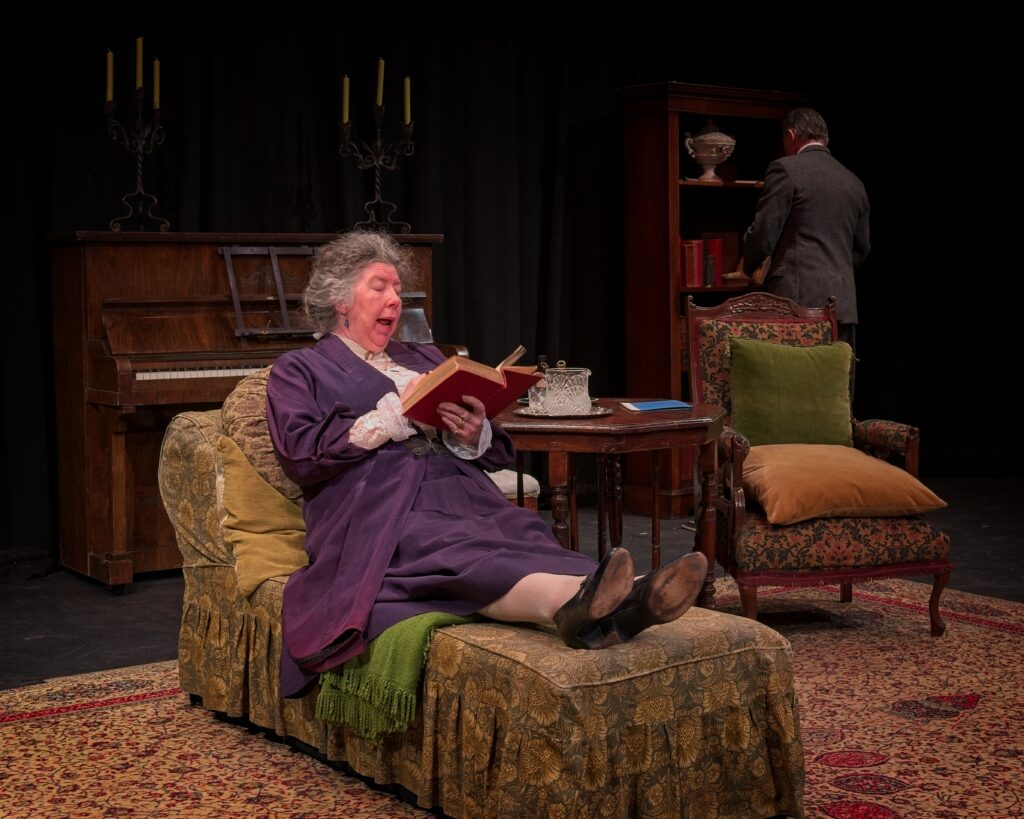
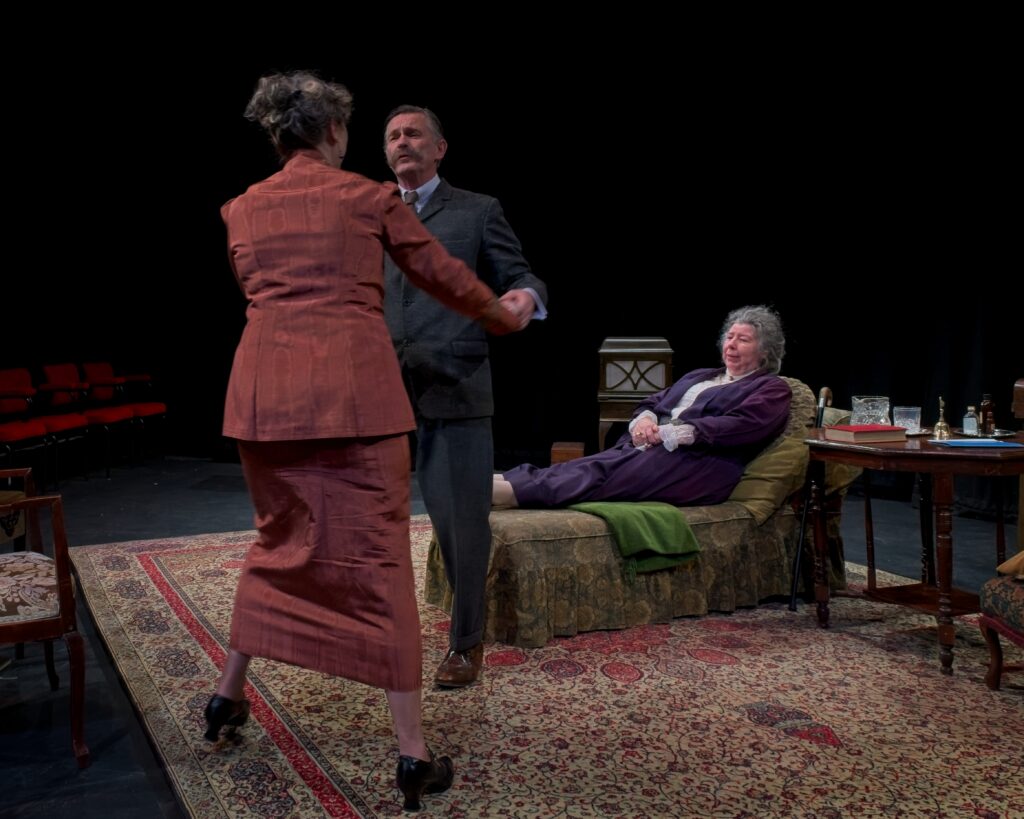
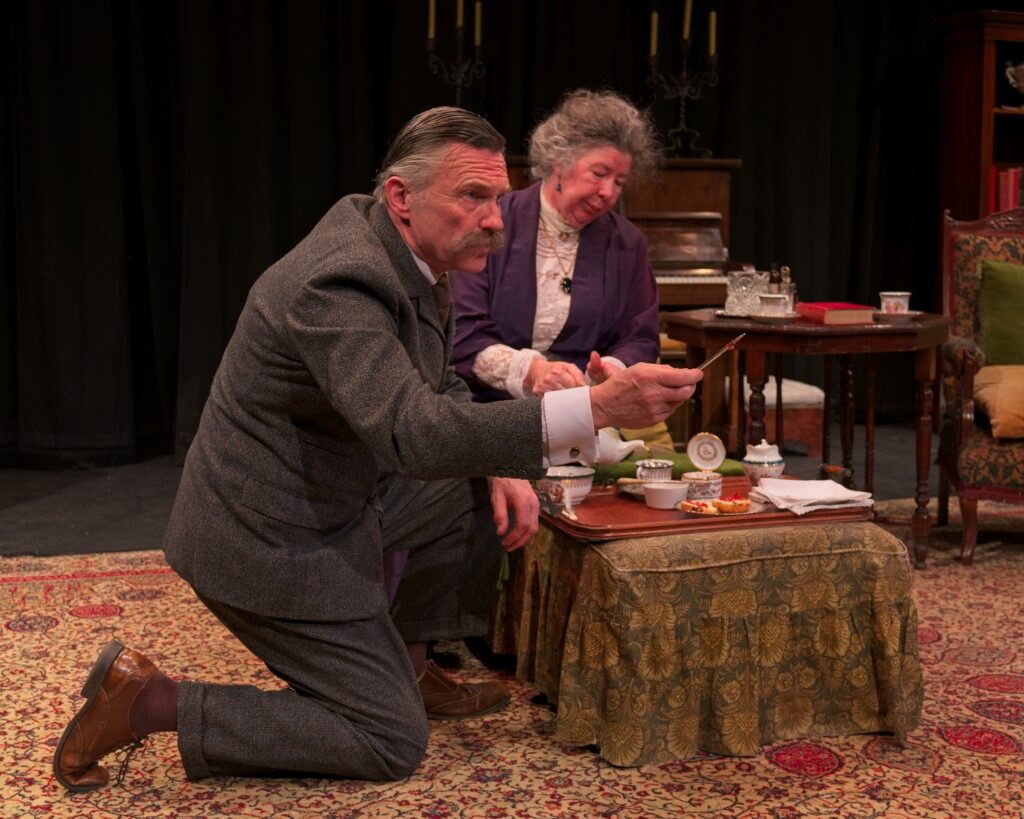
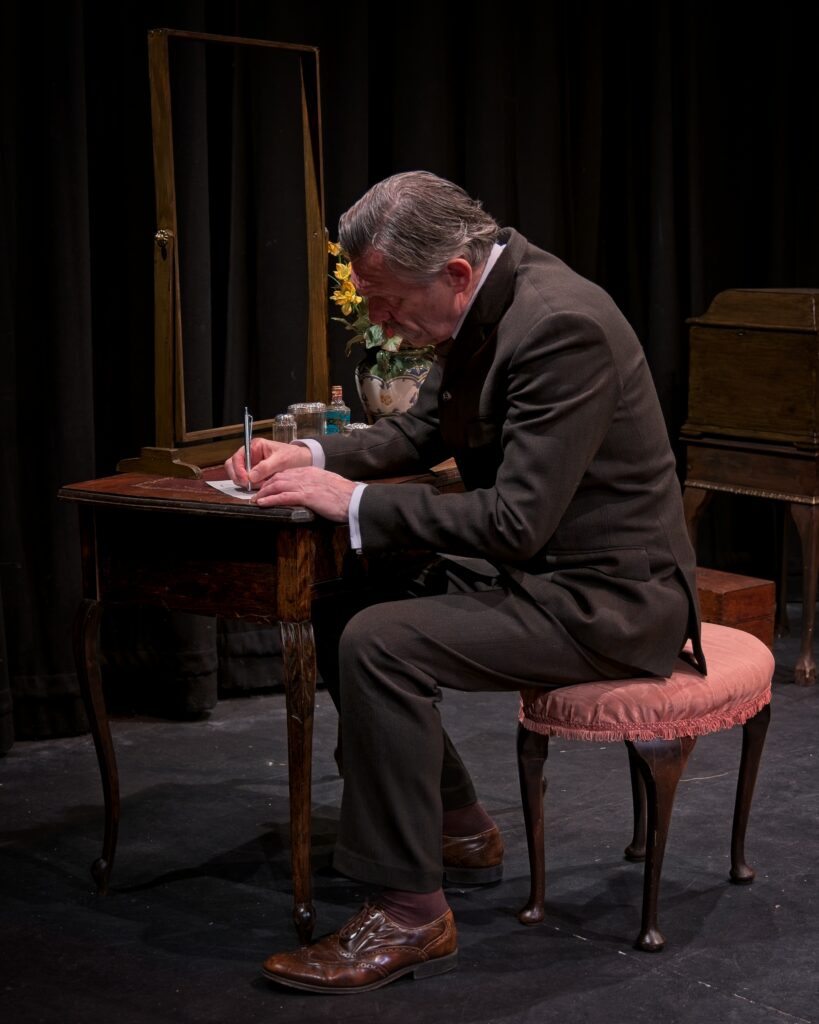
Choosing to stage ‘Elgar and Alice’ in the Abbey Studio space was a wise move from CoT, because the intimate nature of this domestic piece was more impactful for the audience, especially being set in the semi-round with seating on two sides. The props and stage furniture had been well researched/sourced and I loved the way some pieces were multifunctional such as a desk in Act I becoming a dressing table in Act II.
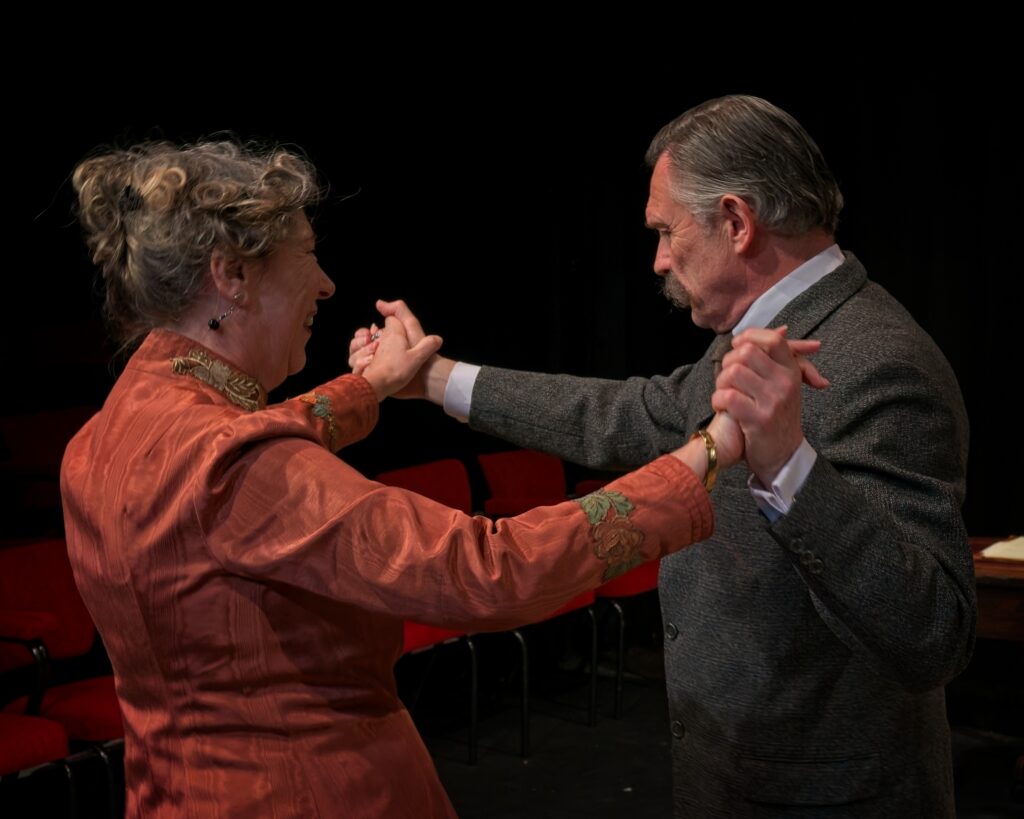
However, the star prop of the show was the side table that needed to be broken during Elgar’s dancing in Act I. I take my hat off to Dan Clucas for getting his foot caught up in it with the necessary precision to break the leg, and to Judith Goodban (Props) for rigging it to break and be mendable for each performance.
Tim Hoyle’s intention for ‘Elgar and Alice’ is that the audience go away “wanting to know more about the people being portrayed and want to listen to more of Elgar’s music”.
He has certainly succeeded in this regard, and I thank the whole company on and offstage for working together to tell an interesting story in such an engaging way. My message to the actors and aforementioned table is naturally to “Break a leg” for the rest of the run!