


16 Apr 2024
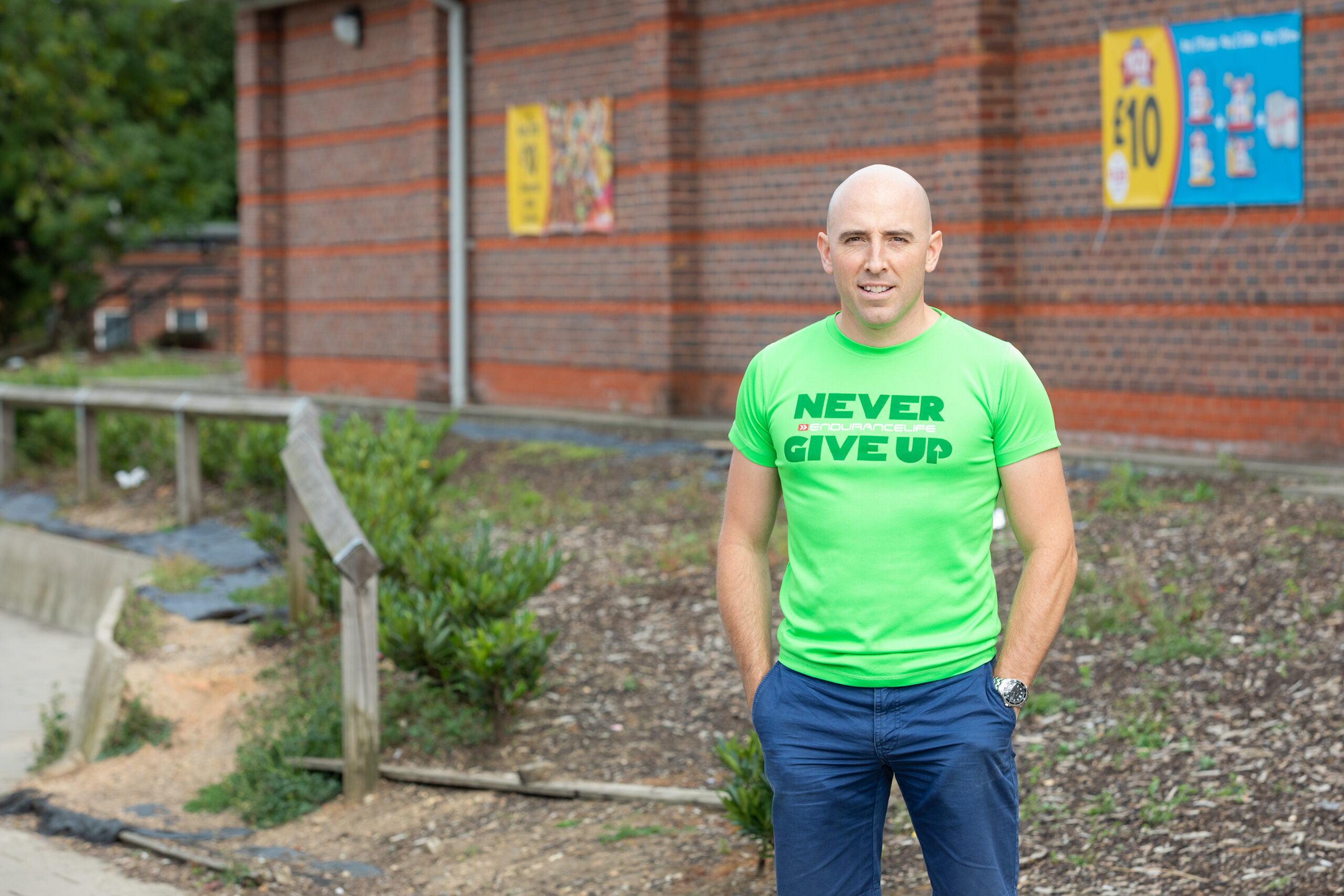
With a career spanning time in both the police and the Royal Navy, Matt Fisher has no reservations about calling on this frontline experience in campaigning to become the county’s next Police and Crime Commissioner.
But as a Green councillor for Clarence Ward in St Albans, he feels he also has the political background to accompany these skills.
After spending his formative years as a Sea Cadet, and following a gap year teaching in South Africa, Matt applied to join both the police and the Royal Navy, only to be rejected by both. He was successful on his second attempt, but in the interim became a Special Constable with Essex Police, serving in the military town of Colchester for a year.
“It was really insightful. I was young and impressionable and it gave me a really good understanding of policing on the ground,” he revealed.
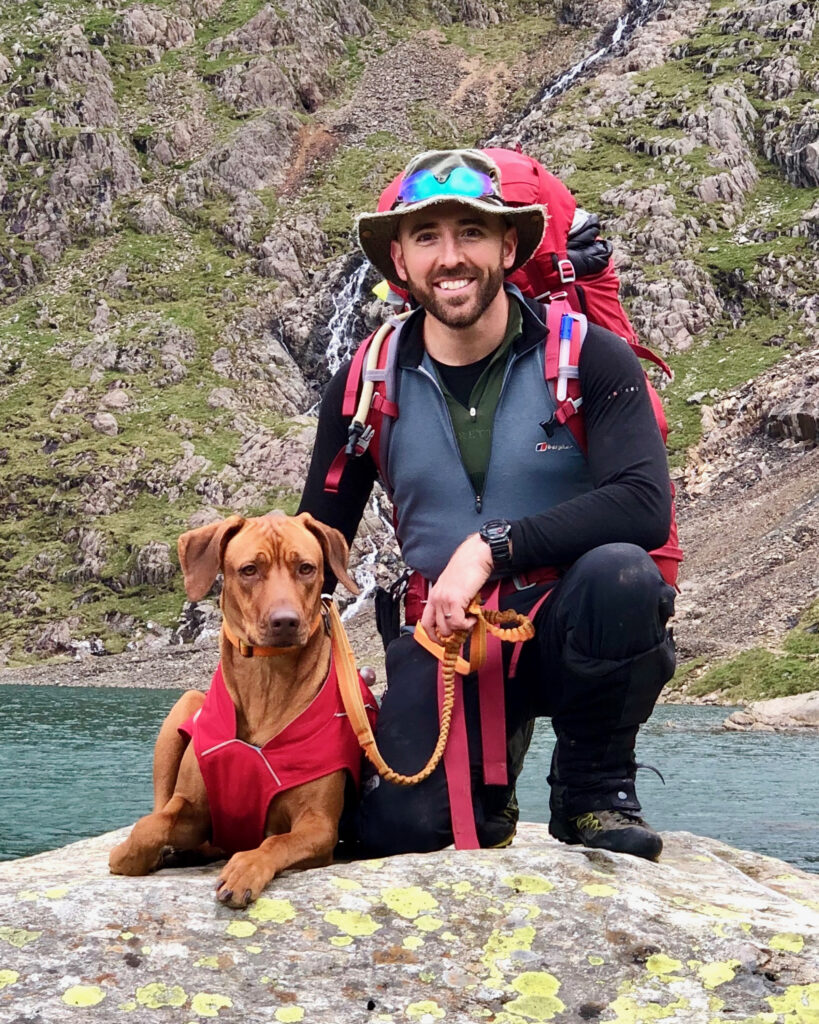
After a year of officer training at Britannia Royal Naval College in Dartmouth he passed out as an officer and trained to fly helicopters in the Fleet Air Arm. Although he had his civilian pilot’s licence, his role as Observer was essentially as commander of the aircraft, training to deploy troops and carrying out special duties, including tackling pirates near Mogadishu, Somalia.
After leaving the armed forces, Matt set up his own business, Photographic Synergy, based in London Colney, and was elected to SADC last year, a role he has eagerly embraced.
“I’m acting as a conduit, so I’m advocating for the right things to happen, and doing it in such a way as not to alienate or burn bridges. I feel that I’ve got a skill set that’s come from a fairly unique position.
“You know there’s a lot of conversation about arrogance in politics, and I think you need to not forget that when you are an elected as an official you are servile to the people – even more so as the police commissioner, when you’re the conduit of what the public arguably want from the police.”
Created to replace the old Police Authority, the position of Police and Crime Commissioner was established in 2012, and thus far has only been held by former county councillor David Lloyd.
Matt said that for him the role is a significant position of responsibility, privilege, and honour.
“It’s about representing, advocating for, and being accountable to the electorate and all residents of Hertfordshire. My focus will be on engaging with and understanding the diversity of our county to enable and shape our policing to better reflect our diverse communities. I aim to give a voice to all communities, embracing different cultures, and ensure our police force is representative and acting with transparency.”
He elaborated on the approach he would take should he be elected: “My time with Essex Police and the Royal Navy has instilled in me a sense of discipline, focus, and a deep understanding of community needs. The skills of honesty, humility, empathy, and respect are central to my approach. I believe in serving the electorate, working tirelessly to bring communities together. With courage and a compelling vision, I will use my experience to initiate positive change and address challenges creatively.
“My unique experiences have equipped me with a mix of world-class military leadership skills and an approachable manner. I bring a creative, innovative, and team-oriented leadership style, underpinned by strong morals and ethics.”
And what are his perceptions of the police today? “I don’t think policing is binary. If people overstep the line, you can’t just arrest your way out of things, and I think this is inherent in all of our understandings and observations of society. I think there’s been a huge degradation in community spirit, I think we’re breaking down as a society and I think part of that governance and part of that backbone to society is policing.
“We have a professional police force who police by consent, but there’s a lack of education and understanding from the public, and moreover there’s a lack of transparency, understanding and cultural awareness within the police. It’s a difficult time to be a police officer.
“In broad brush terms, I think we really need to go right back to basics as a police force and really understand the people we’re serving.
“For example, I think feel that young people don’t really feel like stakeholders in society, and so we need to be looking at the police force’s role in bringing up the community from a real grassroots level. It’s not them and us, we’re all in that community bubble together.
“When it comes to motivating people for change, you need to know what motivates you. You need to know what leads to belonging, rather than just what’s gone before with a police officer with a whistle, 50, 60, 70 years ago, running after a young disgruntled youth – the community’s moved on. It comes from a place of understanding and empathy, you know.
“We’ve had a really complex and difficult five or six years, and I think what it’s shown is that the police force isn’t well suited to the demands and the fractures and the challenges that are coming out of society, I think we’re on the back foot.
“We live in a democracy and I think people are proud of that concept and respect that, but I think they are losing sight of what that should mean. Policing is now much more reactionary, and I think we need to go back to that proactive and preventative approach. We need to really drill down to understand different cultures, different communities, different age groups.
“If you want to get the buy-in of the youth of today, quite literally work with them. Get them to come along, have a ride in a patrol car and see it from that perspective.”
He said the key policing issues for Hertfordshire include tackling anti-social behaviour, road safety, rebuilding trust in the police, strengthening neighbourhood policing, and addressing shoplifting, burglaries, violence against women and girls, racially motivated crimes, and online crime.
“Addressing these issues will involve a focus on education, community engagement, and forming strong partnerships.”
At this point in the conversation, Matt takes a piece of paper and rolls it into a tube, which he then holds up for examination: “This is where the police is now. I know this is a three-dimensional object, but to you, it looks like a rectangle; to me, it looks like a circle.
“To someone sitting there,” and he gestures to his right, “from that point of view, it looks like a cylinder. If we all change seats, we will understand the argument, we will understand that kind of conundrum that we’re in. But if you stay in that seat and you’re predetermined in your viewpoint, all that you’re ever going to see is the rectangle, and all I’m ever going to see is a circle.
“So I think we’ve got to do some creative thinking in order to bring about that awareness, that understanding and empathy, when it comes to the police.”
The election of Herts’ new PCC takes place on May 2. None of the other candidates for the role are local to St Albans, but include the following: Jonathan Ash-Edwards (Conservative), Tom Plater (Labour) and Sam Prendergast (Liberal Democrats).
