13 Feb 2025
Last week I attended the Champagne Castelnau Masterclass with Keith Isaac MW, general manager of Castelnau Wine Agencies, in the Bull Room at the Swan at the Globe, London. The Bull Room, a spectacular private dining space for up to 14 guests, offers stunning views of Shakespeare’s Globe and the River Thames, providing the perfect backdrop for this exclusive event. The session offered deep insights into the intricate processes and unique characteristics that define Champagne Castelnau. But most importantly if helped me choose my recommendations for Valentine’s Day!
Local Pressing and Fermentation
One of the standout points from the masterclass was the emphasis on local pressing. With 226 press houses, Champagne Castelnau ensures that grapes are pressed close to the vineyards to prevent oxidation and damage.
This local pressing is crucial for maintaining the quality of the juice, which is then kept separate by grape variety and village. The juice is transported to the winery in Reims for fermentation, where it undergoes a first fermentation by grape variety and village before the blending process begins.
Grape Varieties and Blending
Champagne Castelnau’s house blend typically consists of 40 per cent Chardonnay, 40 per cent Meunier, and 20 per cent Pinot Noir. This blend reflects their vineyard holdings, which are slightly overweight in Chardonnay and Meunier and underweight in Pinot Noir. The vineyards are classified into Grand Cru and Premier Cru, with Castelnau having 3.5 per cent of their vineyards as Grand Cru and 25 per cent as Premier Cru. This classification impacts the quality and characteristics of the final product.
Vineyard Locations and Characteristics
It takes premium quality grapes to create true character. Castelnau champagnes are sourced from across the vast selection of 150 of the region’s cru vineyards.
Prestigious grand crus from the Côte des Blancs and Montagne de Reims combine with a rich tapestry of crus from the Vallée de la Marne, Massif de Saint-Thierry and Côte des Bars, not forgetting the young, dynamic regions of Vitryat and Sézanne.
Meunier, Chardonnay and Pinot Noir come from the entire Champagne region and provide the Cellar Master with a rich portfolio of flavours.
The classification of vineyards in Champagne is based on a ladder system (rated 80- 100), which historically considered factors like transport costs and frost risk.
Today, sustainability is a significant focus, with all growers expected to be certified by the end of the year, which is five years earlier than required.
Winemaking and Aging
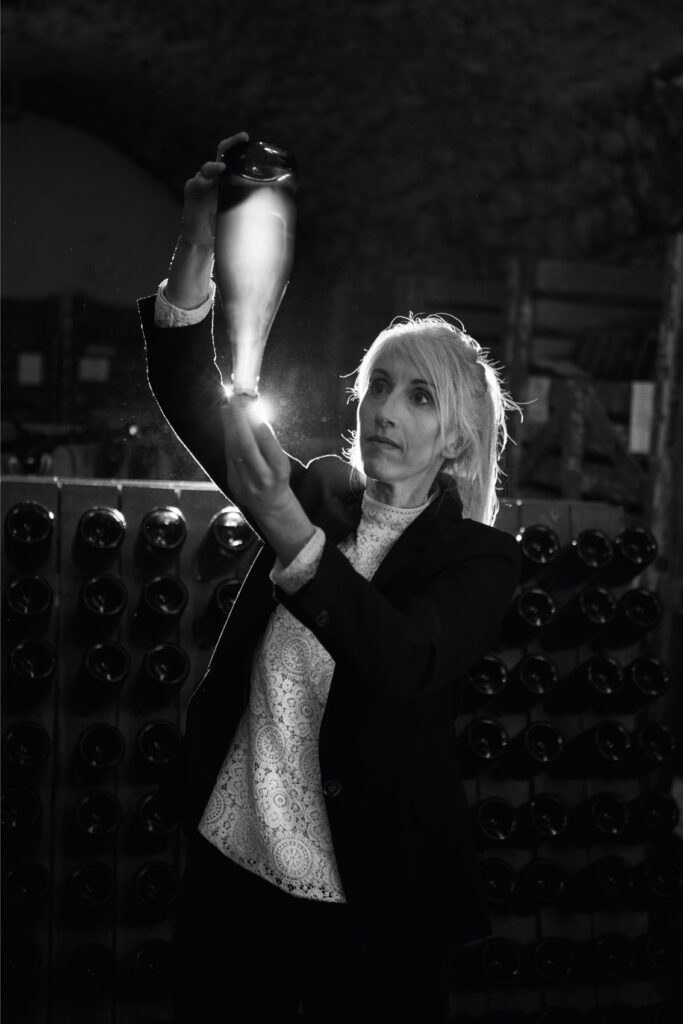
The current winemaker, Carine Bailleul, has been with the company for over 20 years, continuing the legacy of her female predecessors. The masterclass emphasized the importance of Chardonnay-based champagnes and extended aging on lees.
This aging process, known as autolysis, enhances complexity and refines the bubbles, contributing to the distinctive quality of Champagne Castelnau.
But you do need to be careful, whilst longer lees ageing develops richness, it also leads to a reduction in the mousse, hence ageing in magnum and jeroboam is much better, with the magnum being the sweet spot.
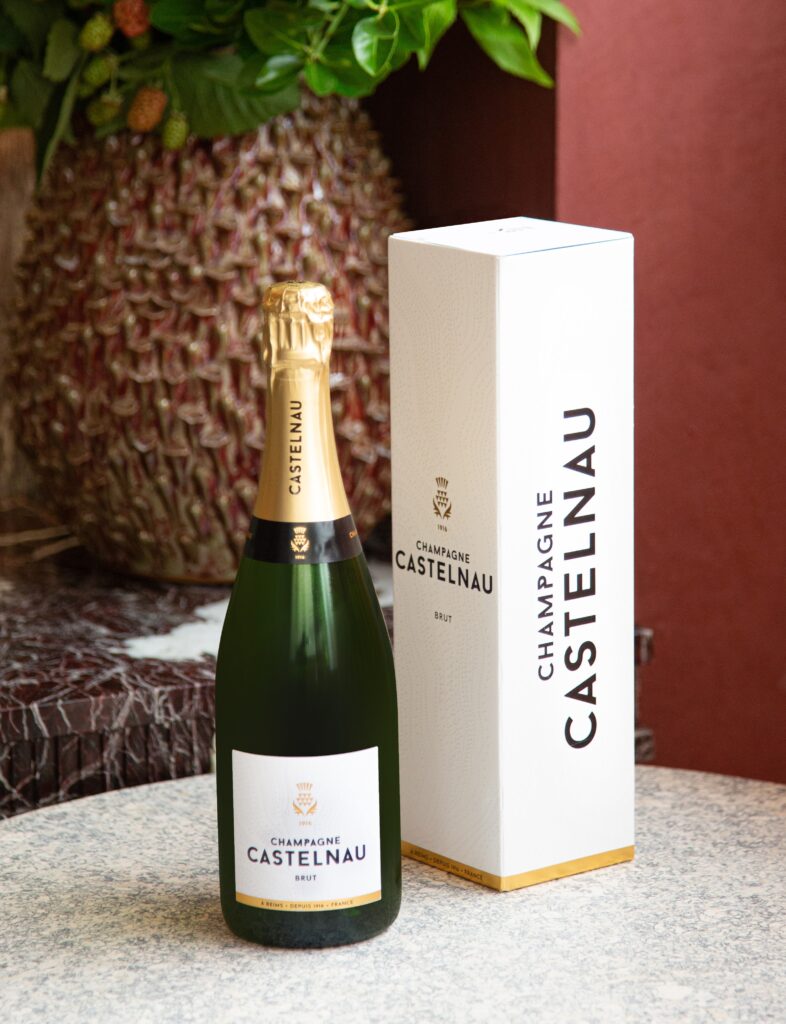
Champagne Castelnau BRUT NV
During the tasting session, we sampled several wines, starting with the Brut Réserve. This non-vintage champagne, described as having the spirit of a vintage, showed notes of lemon shortbread, red fruit, and brioche, with a creamy lemon finish. The base wine for this blend was from 2016, with reserve wines adding depth and complexity.
A blend of 40 per cent Chardonnay, 40 per cent Meunier and 20 per cent Pinot and with seven years on the lees, this was still really fresh but with much more richness and layers than most NV Champagnes.
Available from The Wine Society.
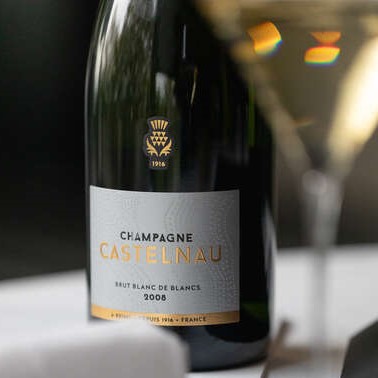
Champagne Castelnau Blanc de Blancs 2008
A Chardonnay of weight and structure rather than minerality. This vintage is
considered one of the best, praised for its complexity and aging potential with good ripeness and acidity. Those who say a large vintage – can’t make a great vintage have been proven wrong here. Aromas of lemon biscuit, mango, and pineapple, with a hint of minty freshness. The palate is rich and complex, with flavours of mango,
pineapple, and French pastry. The wine has a weighty structure and a long, complex finish.
Champagne Castelnau Blanc de Blancs 2007
A difficult and murky vintage, saved by better weather in August, despite this this vintage is noted for its freshness and elegance, showcasing the resilience of Chardonnay in challenging weather conditions.
The palate is crisp and elegant, with flavours of lemon zest, green apple, and a touch of almond. The wine has a refreshing acidity and a long, clean finish.
Champagne Castelnau Blanc de Blancs 2006
One of the top vintages, atypically round and ripe with aromas of lemon biscuit and a hint of French pastry. The palate is rich and creamy, with roasted nut brittle, praline, caramel and hazelnut but fresh and zippy, with a lemon shortbread underlying note.
The wine has a weighty structure and a long, complex finish. This vintage has been highly praised for its complexity and aging potential.
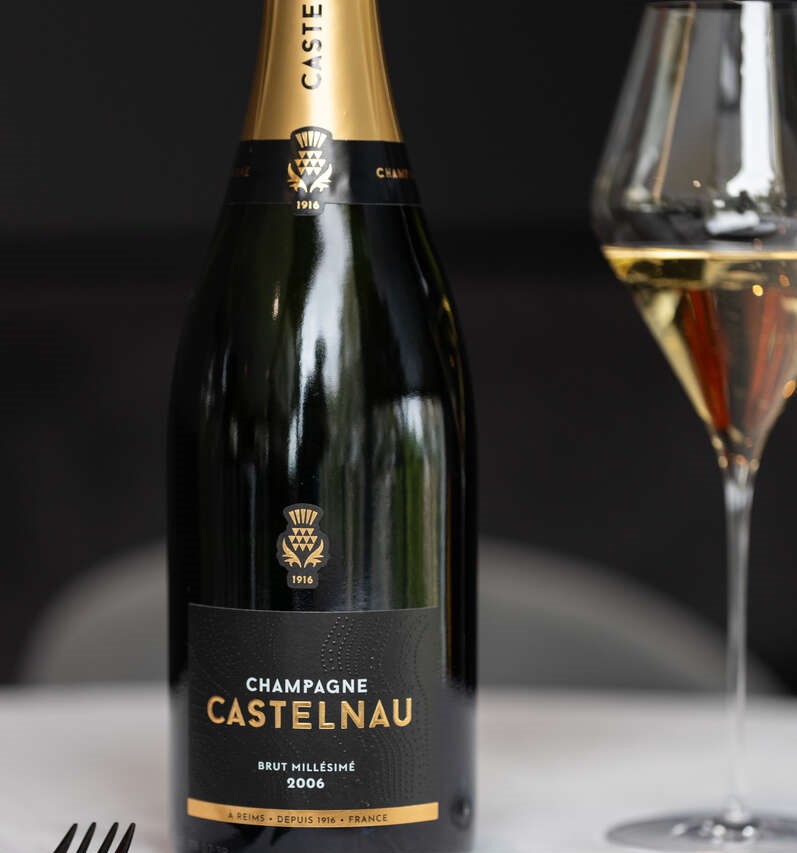
Champagne Castelnau MILLÉSIMÉ 2006
A blend of 50 per cent Chardonnay, 30 per cent Pinot Noir, and 20 per cent Meunier, with 18 months on the cork after disgorgement. I immediately enjoyed the richness of honey and brioche. The complex aromas of lemon are complemented by hints of stone fruit, white tobacco, and a touch of dried sap/mushroom.
The palate is equally rich, with flavours of roasted and toasted notes and citrus. The fruit profile includes lemon, candied citrus, and Mirabelle plums. The wine has a very long finish, maintaining its freshness despite its age.
This vintage has won numerous medals and trophies, including Canada’s Best Vintage Champagne, Decanter’s best Champagne in 2024 and accolades from the Champagne and Sparkling Wine World Championships.
Available from The Wine Society.
Champagne Castelnau 2003 Vintage (Oenothèque Collection)
This comes from the Oenothèque Collection – a made-up word meaning wine library, where Castelnau hold back a small amount of stock to release at a later date, demonstrating the art of long lees ageing. You have to be pretty lucky or well connected to get your hands on a glass of this.
2003 was an incredibly hot vintage – think heat wave and storms, leading to the earliest harvest since 1822. It’s super ripe, a fine mousse with lots of colour. Aromas of toasted and roasted notes, rich fruit aromas, lemon, candied citrus fruits, and Mirabelle plums.
The palate reveals honey and barley sugar notes, with a touch of nut brittle. The wine is rich and concentrated, with the lower dosage enhancing its freshness.
This vintage has won trophies in the Meininger and Falstaff competitions in 2017 and gold medals in UK competitions.
Champagne Castelnau 1992 Vintage (Magnum)
This 32 year old exhibits a deep amber colour with a fine, persistent mousse.
Aromas of honey, buttered toast, with a slightly burnt butter note (think frying apples in butter for an apple tart). The palate is rich and creamy, with flavours of cooked
butter, honey, and a touch of apple tart, and a long, complex finish.
This vintage has received high praise and numerous awards for its exceptional aging potential and complexity.
The Champagne Castelnau Masterclass provided a comprehensive understanding of the meticulous processes and dedication to quality that define their Champagnes.
From local pressing to sustainable practices and expert blending, every step is carefully managed to produce exceptional wines that reflect the unique terroir of Champagne.