19 Jun 2024
This month our local wine merchant, Cellar Door Wines, along with 14 other independent wine retailers, are putting the spotlight on Portugal (#JuneIsForIndies).
The wines of Portugal stand out for their wealth of grape varieties and diversity of terroirs, combined with the ancient wisdom and knowledge of its people.
With more than 250 indigenous varieties, Portugal is the European country with the greatest diversity of grape varieties per square kilometer.
Despite being a small country, it contains 14 wine regions producing unique and distinct wines.
Tradition is very much at the heart of Portuguese life, with friends and family gathering, particularly during mealtimes.
Always present, regardless of the dish or occasion, wine helps discover new flavours and makes every mealtime a truly unforgettable experience.
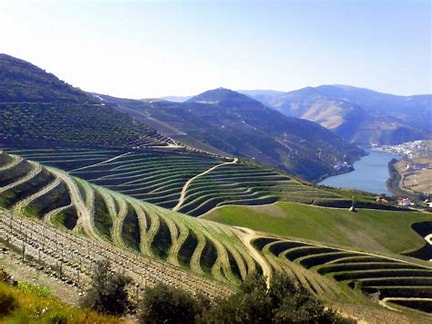
The first region I’m taking you to this week with my recommendations is Dao. Surrounded by the mountains of Caramulo, Bucaco, Nave and Etrela, this region is totally protected from the cold winds, summer rain from the Atlantic and storms.
The vineyards here lie high in the hills and have been in the same family for generations.
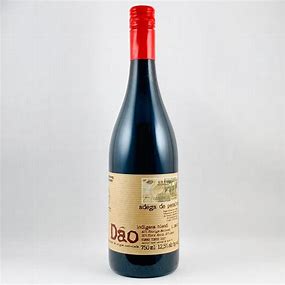
Adega de Penalva Dao Tinto 2017 (£10.95 at Cellar Door Wines)
Back in December 1960, the minutes of constitution of the Adega Cooperativa de Penalva do Castelo were drawn up. This simple and formal act, led by 11 winegrowers,
materialized the will of all to join hands for the common good and for Dão wine. In 1963 the project already had 43 members, but it was only four years later that this winery was able to vinify everyone’s grapes.
The Adega Cooperativa de Penalva do Castelo currently has about 1,000 members and annually receives grapes from more than 1200 ha of vineyards to produce an average of seven million litres of wine. It has the most modern technology for winemaking, aging and bottling of wines, being an unavoidable reference of Dão wines.
This wine is a wonderful blend of three indigenous grape varieties. Touriga Nacional, the noblest Portuguese variety providing Intense and thick colour wines, with complex aromas, persistent and robust, with high potential for aging and unmistakable mellow flavour.
Tinta Roriz, a very productive Iberian variety grown in most regions, producing very elegant and balanced wines with potential for aging. And Jaen, a grape with good yields typical of Dão, lending itself to elegant wines with intense colour and are very soft due to its weak acidity, with a preciously intense and delicate perfume. At seven years of age this wine is now mature and drinking beautifully. It’s Full bodied with smooth tannins and black fruits. It’s punching well above its weight when you consider the quality of wine you are enjoying at such a low price point.
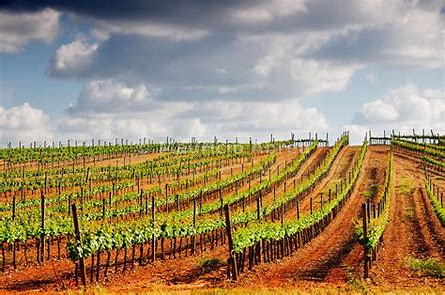
Next up is a white wine from the sun-drenched region of Alentejo, covering much of the southern half of Portugal. This region has some wonderful old vines that produce higher quality characterful wines that often dominate the wines list of Lisbon restaurants.
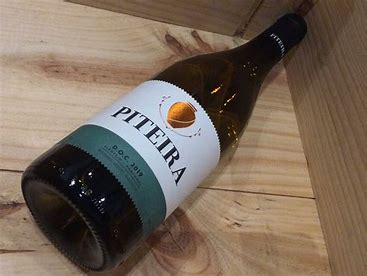
Piteira White Granja Amareleja 2019 (£12.95 at Cellar Door Wines)
The Granja Amareleja vineyards are located in the left bank of Guadiana River, where the soils are sandy and the temperatures the highest in Alentejo reaching over 40 degrees. This wine is also a blend of three indigenous grape varieties Rouperio, Arinto, and Diagalves. The Arinto grape makes elegant white wines with predominant flavours of apple and lemon, that are delicious with young and fresh but can gain complexity with age. It’s late ripening with the great advantage that it keeps its marked freshness even in the hot conditions of the Alentejo region. Rouperio, on the other hand, is high in alcohol and very aromatic and diagalves produces low-alcohol, low-acid white wines of simple quality with a grassy flavour.
The resulting wine from this blend is one with aromas of citrus fruit and green apple and a fresh, balanced acidity, followed by a pleasant lingering finish.