23 May 2024
Greece has a rich viticultural history dating back to around 3,000 BC. However, until the last few decades, its wines were relatively unknown beyond local consumption or tourist enjoyment.
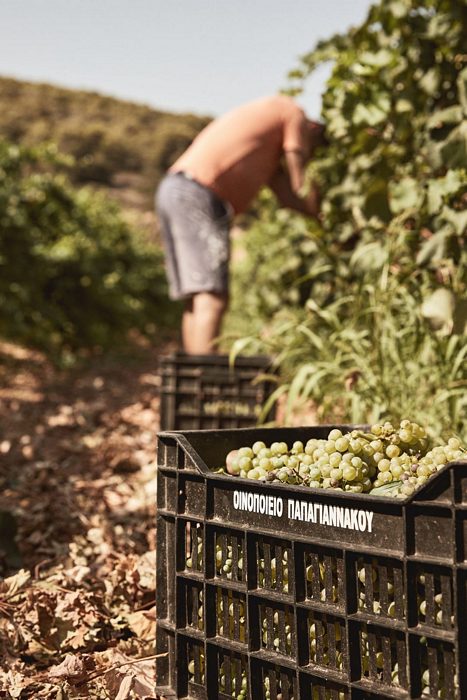
Recently, a renaissance has transformed Greek wine. Producers shifted from co-ops to bottling their own wines, using indigenous grape varieties from diverse terroirs.
The results are remarkable, and the next generation of winemakers continues this legacy.
Greece’s landscape is Europe’s third most mountainous, with over 150 inhabited islands. Vines thrive in challenging conditions, often growing in nutrient-poor soils on mountainsides. These harsh environments yield some of Greece’s finest grapes, contributing to the current fine wine renaissance.
Greek wine boasts a rich tapestry of indigenous grape varieties, each with its unique character. Let’s explore some of the local gems.
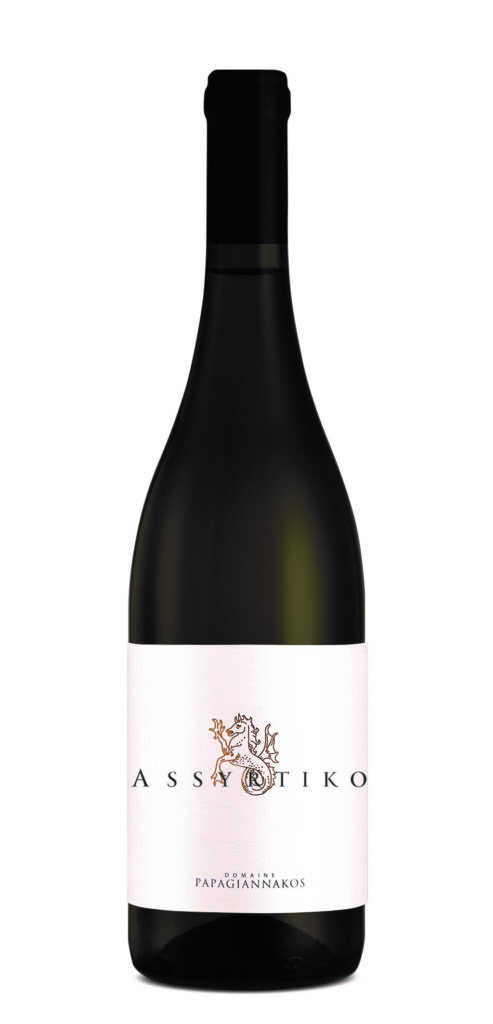
Pappagiannakos Assyrtiko 2022 Attika, Greece (£16.95 from Cellar Door Wines)
This easy-drinking Assyrtiko hails from Domaine Papagiannakos, an influential Greek winery situated about 20 miles from downtown Athens. Established in 1919 the winery has a century-old legacy.
The Papagiannakos family’s passion for viticulture and winemaking has been passed down through three generations. Vassilis Papagiannakos, the current steward was born and bred in Markopoulo, and grew up around the family winery. At that time the Savatiano variety was the winery’s sole focus – but later Malagouzia was introduced, along with Cabernet Sauvignon, Merlot and other varieties. Vassilis owns 10 hectares of vineyard in the Attica region, and maintains long-term leases on a further 20 hectares, with vines on average 50-60 years old.
Produced from 100% Assyrtiko grapes, the 50-year-old vines are grown on unirrigated limestone soil at around 100m altitude, in north-east Attiki. Grapes are typically harvested towards the end of August and matured in bottle for up to a year. It offers juicy ripe peach aromas, herbaceous undertones, a textured mineral palate with refreshing acidity, and a zesty, crisp character perfect for aging. It’s the perfect accompaniment to shellfish, fish and white meat.
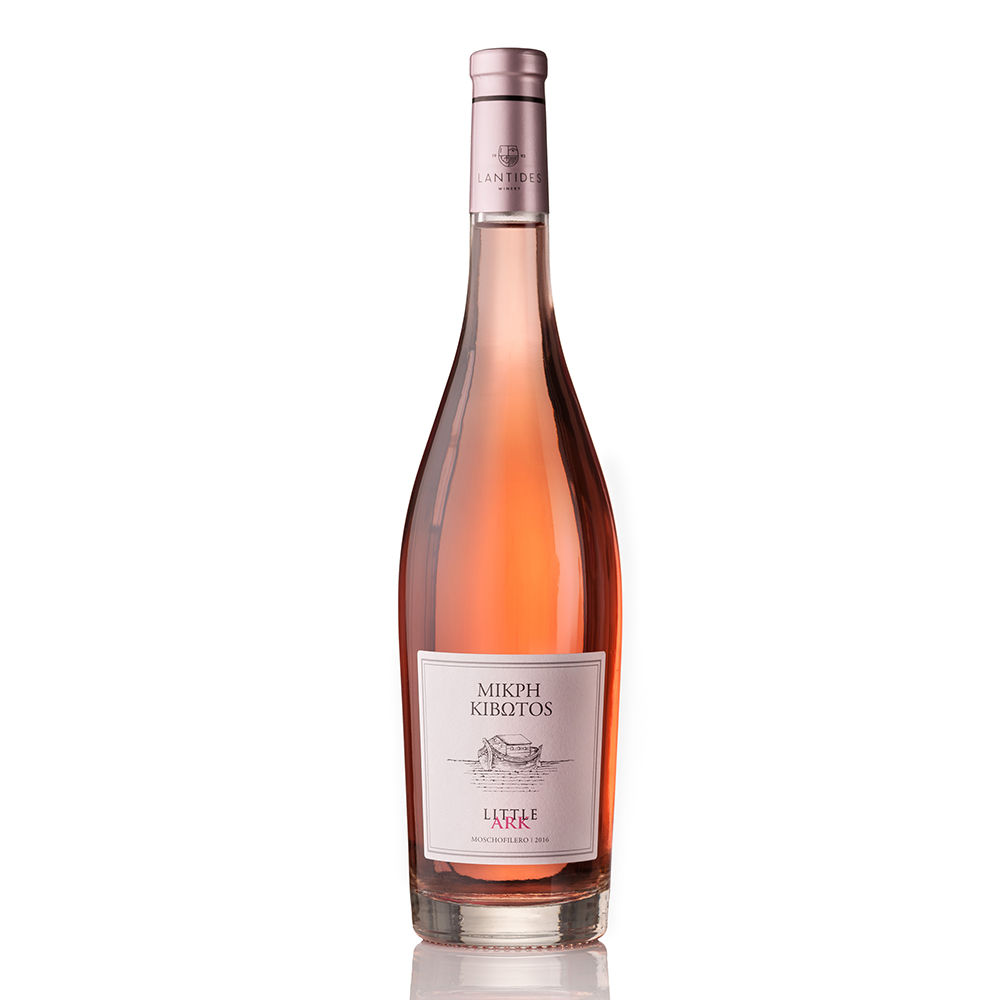
Mikph Kibotos Little Ark Rosé 2022 Attika, Greece (£17.95 from Cellar Door Wines)
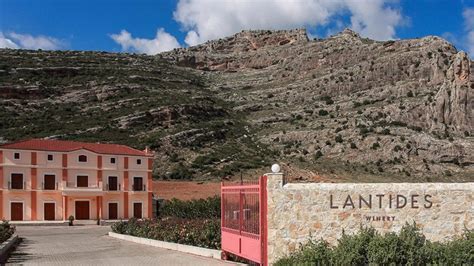
Lantides Estate was established in 1993 by Panikos Lantides, driven by a mission to promote high-quality Greek wines. The climate and soil of Nemea, in the heart of the Peloponnese, attracted him to cultivate fine grape varieties. Situated around the mountainous valley of Skoteini, Lantides Estate spans 25 hectares of vineyards. These vineyards lie at an altitude between 500 and 650 meters above sea level, creating an ideal terroir for grape cultivation.
The Mikph Kibotos Little Ark Rosé is made from 100% Moschofilero grapes, native to the Peloponnese Peninsula. The Peloponnese Peninsula’s diverse landscapes, from rugged mountains to fertile valleys, provide ideal conditions for vineyards. Here, indigenous grape varieties like Agiorgitiko (known for rich red wines), Moschofilero (producing fresh whites), and Mavrodaphne (used in sweet fortified wines) flourish.
This rosé offers elegant strawberry and cherry aromas with floral undertones. Its fresh, lingering finish pairs beautifully with Greek salads, shellfish, and grilled white fish.
If you’re eager to explore more of what Greece has to offer, head across to Cellar Door Wines. There, you can chat with Penny and her team, who are passionate about fine wines from all over the world, and will introduce you to their range of Greek wines.