War comes to Wheathampstead

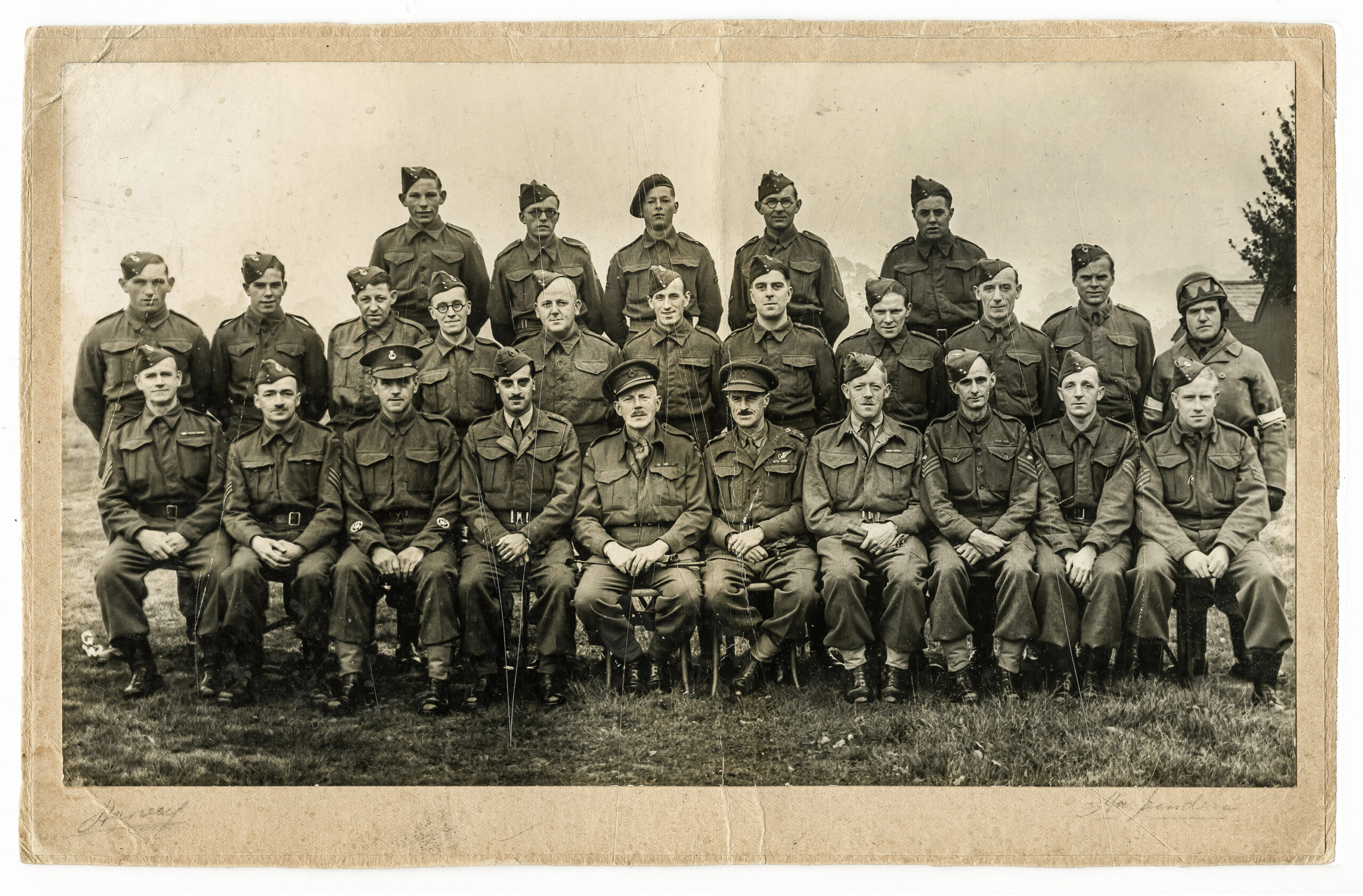
Home Guard October 1944 - The second two rows are one of two Wheathampstead 'sections' while the front row is made up of officers and senior NCOs from C Company, Hertfordshire 5th battalion. Students of body language will particularly enjoy Major Warren in the centre of the front row who was the commanding officer.

Life changed forever for the residents of the small village of Wheathampstead following the Declaration of War on Sunday September 3 1939.

The headquarters of the Home Guard was set up in the stables at the rectory and lookout posts established around the perimeter, and in the summer of 1940 the Battle of Britain was fought in the skies over the village.

In 1944 the first of Hitler’s Flying Bombs landed in a field at Down Green on Wheathampstead Road; about a week later another fell at the rear of Wheathampstead Church.

Any unexploded bombs were disarmed by R.N. Bomb Squad and blown up at a rubbish tip then on the Codicote Road.

When Prime Minister Winston Churchill announced ‘Victory in Europe’ at three o’clock on the afternoon of the 8th of May 1945, there was barely time for the jelly to set or organise a street party that day. The celebrations for the children therefore came later, possibly after sugar rations had been saved up.

The parish council was caught out by this announcement too. They had arranged to meet on the evening of May 8 to discuss arrangements for VE day celebrations as they thought the announcement would come in the following week.

They decided to organise a party for the children of the village, but it would be a few weeks later following the PM’s announcement.

You can discover many more fascinating stories about ‘Wheathampstead during the Second World War’ years at the History Society’s exhibition in the Memorial Hall, today and tomorrow (Saturday and Sunday May 10 and 11. Admission is free. Open 11am – 5pm each day.

Additional sources: Harpenden History Society, BBC WW2 People’s War

Vida Field (left) was evacuated by her family to the village in June 1940. Also in this photo is her her sister June (right) and family friend Sylvia (centre) who lived with them. Vida still lives locally. At one point during September 1939 nearly 500 evacuees were staying in Wheathampstead.
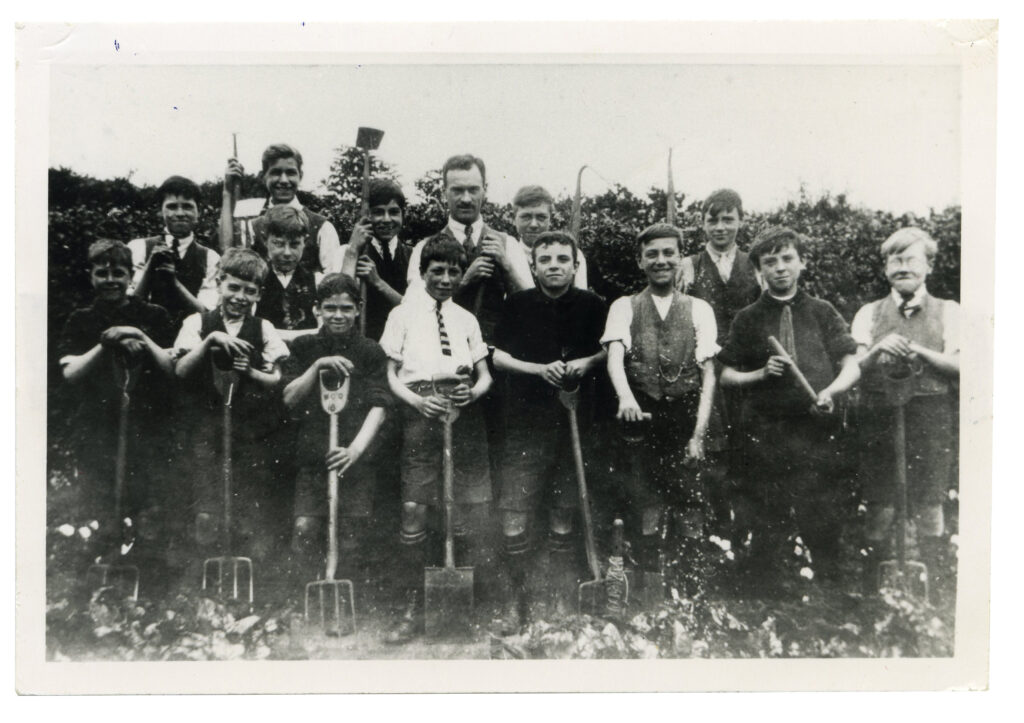
Mr. Houseden, the head teacher at St. Helen's school posing with his gardening club on the school allotment - according to later accounts by the boys Mr Houseden was a lot more enthusiastic about gardening than his pupils who regarded him as a slave-driver.
Mr. Houseden, the head teacher at St. Helen’s school posing with his gardening club on the school allotment – according to later accounts by the boys Mr Houseden was a lot more enthusiastic about gardening than his pupils who regarded him as a slave-driver.
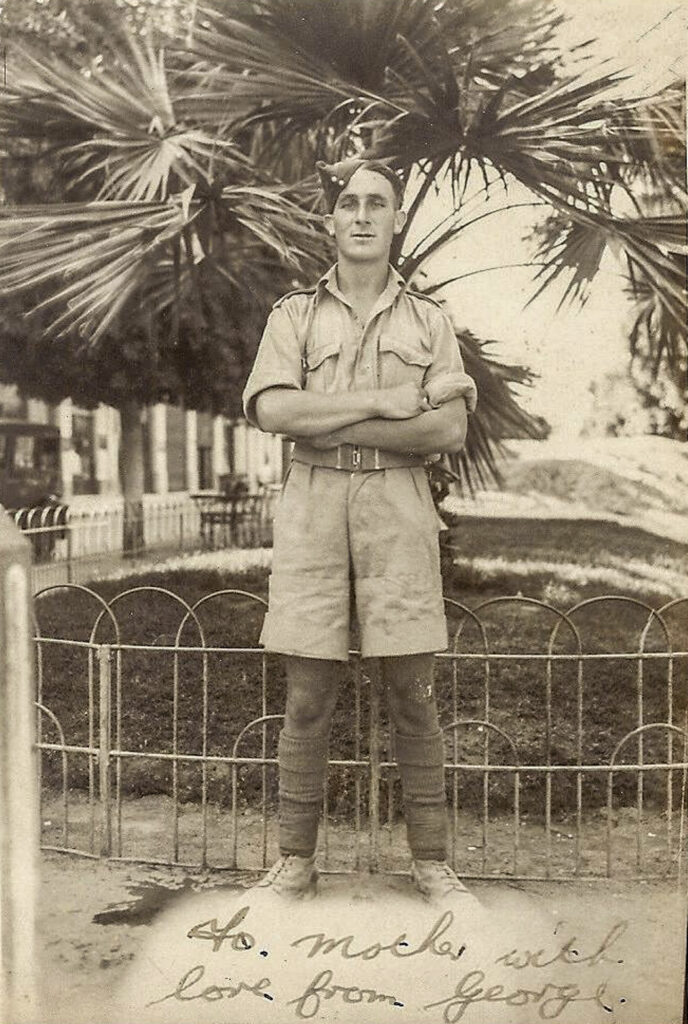
A postcard sent from Egypt to his mother from Lance-Bombardier George Swallow, Royal Artillery. Sadly, George was killed in Libya in May 1942.
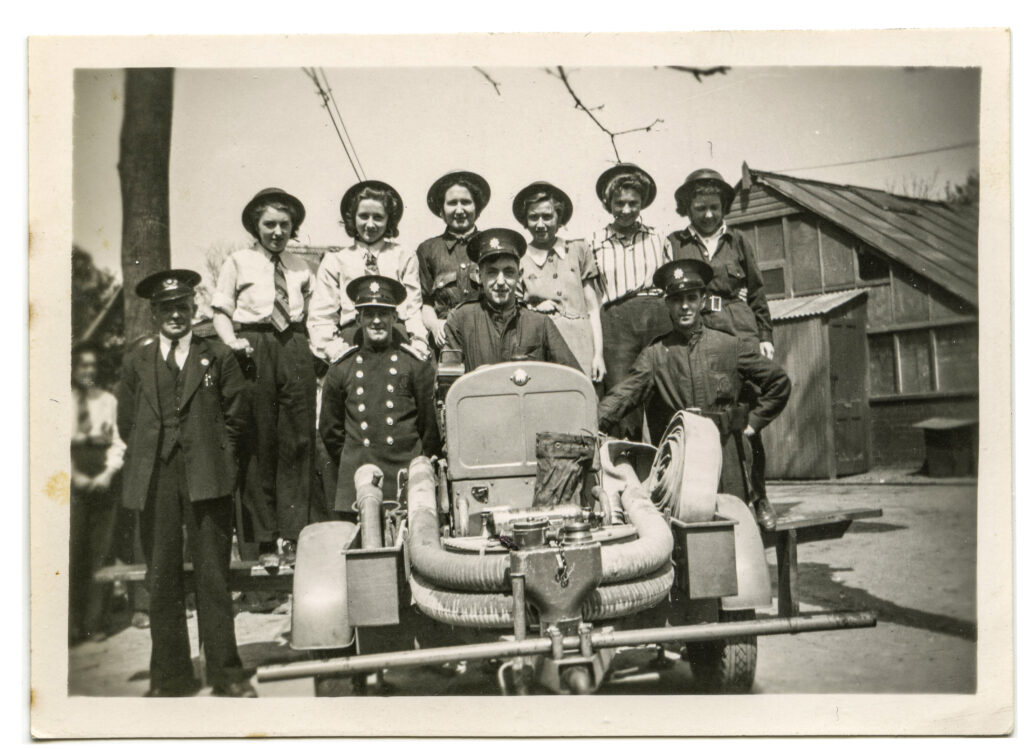
Volunteers for the Auxiliary Fire Service (who supported the Fire Brigade) posing in front of their pump - despite what the photo suggests the women were not allowed to operate the pump but staffed the telephone line.
Volunteers for the Auxiliary Fire Service (who supported the Fire Brigade) posing in front of their pump – despite what the photo suggests the women were not allowed to operate the pump but staffed the telephone line.


Contribute

You can help keep quality local journalism alive by making a one-off donation or set up a regular direct debit. Any contributions will help ensure the long-term future of the St Albans Times.