



09 Jul 2026
It’s OK To Say founder and CEO Stacey Turner, writing with Genta Lata, looks at systemic therapy
When we think about mental health, we often focus on the individual – their thoughts, feelings and experiences. While these are incredibly important, our wellbeing is also shaped by the relationships and systems around us. This is where systemic therapy comes in.
Systemic therapy is an approach that looks beyond the individual and considers the wider picture.
It recognises that people exist within interconnected systems such as families, friendships, schools, workplaces and communities. Rather than asking, ‘What is happening for this person?’, systemic therapy asks, ‘What is happening around this person, and how do relationships influence their experiences?’
Our relationships have a profound impact on our mental health and wellbeing. The way we communicate, respond to stress, manage conflict and support one another can shape how people feel about themselves and the world around them.
A systemic approach also recognises the limitations of structural systems within our mental health services, where people typically experience long waiting lists, short interventions, and a lack of trauma informed care.
Sometimes, these factors can even create barriers to accessing health care and can, consequently, lead to people falling through gaps in health care systems.
Systemic therapy can help us to collaboratively identify and understand how these external factors and wider systems have created difficulties for the individual. It encourages curiosity, compassion and healthier ways of coping with these everyday life, challenges and change.
At It’s OK To Say, we understand the difficulties in accessing the right services and we have developed an outreach programme in response to these challenges, with integrated therapeutic support across the lifespan at its very heart. Rooted in systemic principles, the programme recognises that lasting change happens when we recognise the wider systems around an individual, helping people to overcome barriers of accessing the right support.
Our outreach offer includes one-to-one therapeutic support alongside small, supportive group sessions delivered both at schools and other educational settings, organisations and at It’s OK To Say. These groups provide safe spaces for students, staff and parents to share experiences, listen to one another and grow in confidence together.
We also deliver practical wellbeing sessions and psychology-based programmes, including skilled workshops on topics identified by each setting. These can be tailored specifically for young people, teachers or families, ensuring that support is meaningful, relevant and responsive to local needs.
By bringing therapeutic support directly into our community and creating opportunities for connection and shared understanding, we aim to strengthen relationships, build resilience and promote wellbeing across the whole system.
We warmly invite individuals, families, parents, guardians and carers who may be seeking support, or wishing to learn more about our work, to get in touch. We also welcome contact from schools, colleges and other educational settings who are interested in exploring how our outreach programme and therapeutic support can be tailored to meet their needs.
Stacey says: “Systemic therapy reminds us that none of us exist in isolation. When we support not only the individual but also the families, schools and communities around them, we create environments where people feel understood, connected and able to thrive. Through our outreach programme, we are bringing that philosophy to life by making therapeutic support more accessible and empowering whole communities to grow together.
“Change happens when we keep conversations going and provide education alongside genuine opportunities for people to talk, reflect and work through things together.”
Our ever-growing team
At It’s OK To Say, we are incredibly fortunate to be surrounded by passionate individuals who share our vision of creating safe spaces, meaningful conversations and stronger communities. As our work continues to grow, so does our team.
We’re delighted to introduce Norgenta and Tanser, whose skills, experience and dedication will help us continue supporting individuals, families, schools and organisations across our community.
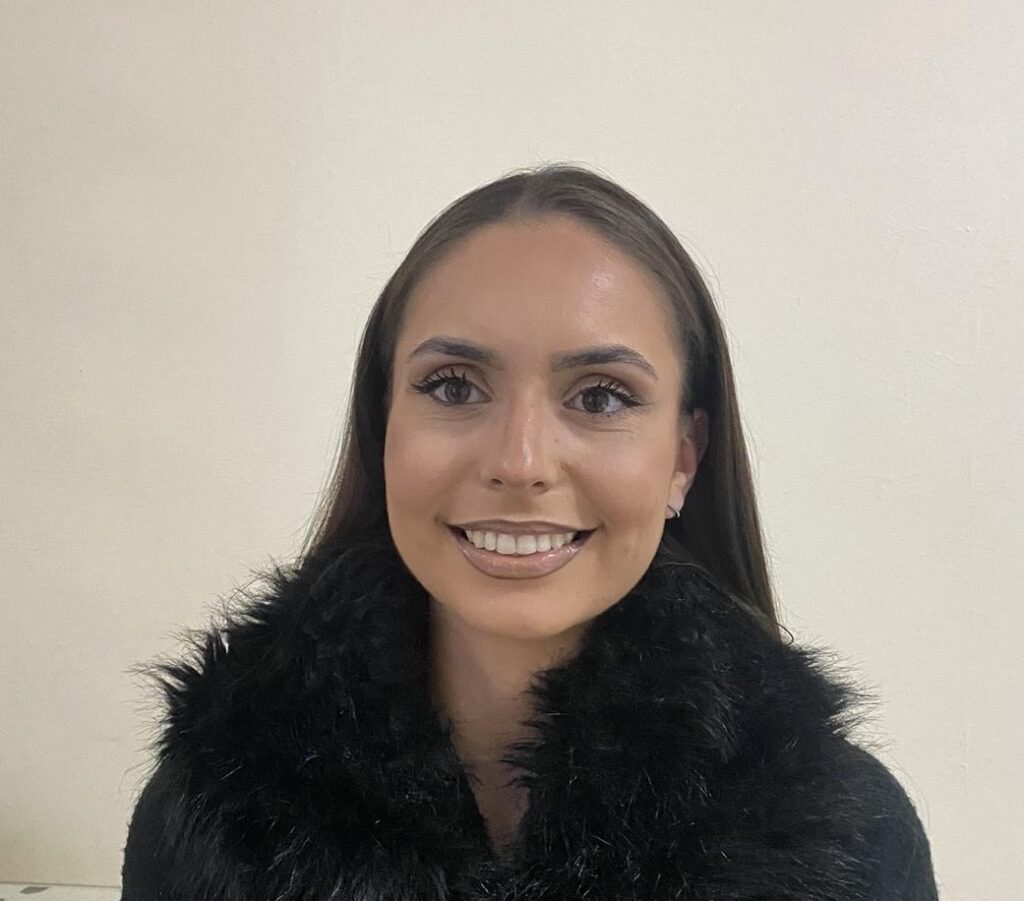
Genta (for short) says: “ My name is Norgenta Lata and I am a second-year trainee clinical psychologist at the University of Hertfordshire.
“Before beginning my doctoral training, I gained experience implementing trauma-informed approaches in both clinical practice and research. This strengthened my commitment to working in a compassionate, trauma-informed way and continues to shape my professional practice.
“Throughout my training, I have developed a particular interest in reducing inequalities in mental health care. While working within a community eating disorder service, I became aware of the significant overlap between autism and eating disorders, and the barriers many autistic individuals face in accessing effective treatment.”
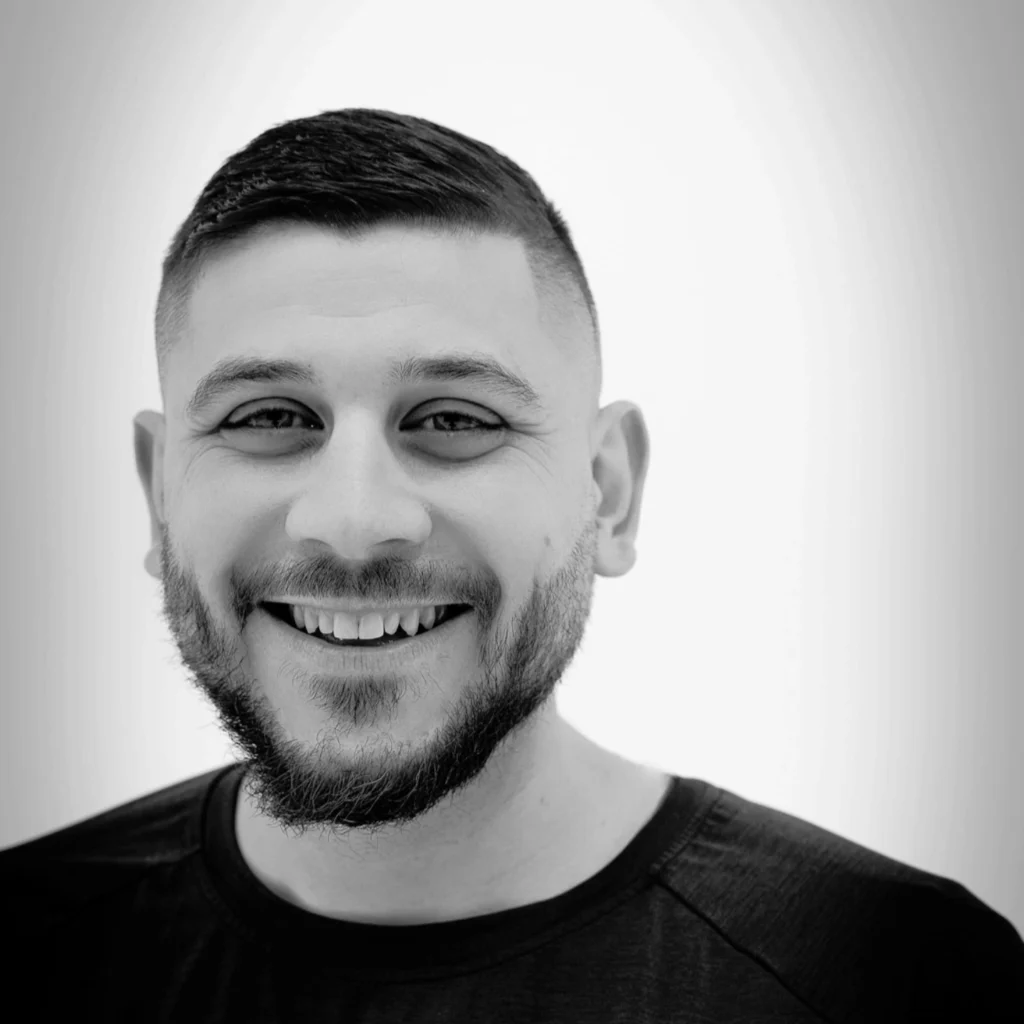
Tanser says: “I have been with It’s OK To Say for the past eight months as part of my clinical psychology doctorate at the University of Hertfordshire, where I am currently completing my final placement before qualifying as a clinical psychologist.
“I have more than 10 years’ experience studying and working within mental health services, including Danesbury Neurological Service, CAMHS West, and Talking Therapies.
“My clinical approach is grounded in Cognitive Behavioural Therapy (CBT), and I have supported people experiencing a range of difficulties including depression, anxiety, trauma, phobias and panic. I have also undertaken systemic work with families, including facilitating parenting groups and supporting family relationships, and have been working with individuals and families in clinical sessions while at It’s OK To Say. During this time I have worked alongside Stacey to help develop the organisation’s formal outreach programme, supporting the delivery of mental health education, early intervention and community-based support.
“I am passionate about creating spaces where people feel heard, understood and supported. I aim to bring honesty, curiosity and compassion to my work, and to meet each person where they are, at a pace that feels right for them.
“I am also committed to helping people develop practical tools they can use beyond therapy, supporting long-term wellbeing and resilience.
“This inspired my current research, Exploring Clinicians: Perspectives on Working with Comorbid Eating Disorders and Autism, which I am preparing for publication. My work explores the challenges clinicians encounter, the adaptations they make, and how services can better meet the needs of autistic individuals experiencing eating disorders.
“Alongside my clinical work, I am a trustee of The Ideas Partnership UK, a charity supporting marginalised communities in Kosovo to overcome barriers to education, healthcare and social inclusion. This role inspired me to make mental health education more accessible across languages and cultures. As part of this work, anxiety management resources I developed have been translated into Albanian and are now being used in schools across Kosovo. I also collaborated with the Embassy of Kosovo in London to advocate for the introduction of mental health education within Kosovo’s school curriculum.
“These experiences continue to fuel my passion for improving access to mental health education and support, particularly for those who may not yet have the tools, language or opportunities to advocate for themselves.
“Outside of my professional life, I prioritise wellbeing through walking, yoga, Pilates and spending time in nature. These practices help me stay grounded and remind me of the importance of mindfulness, balance and self-care.”
“Outside of my clinical work, I have a strong interest in health and wellbeing, including exercise, nutrition and maintaining balance in everyday life. I also have a passion for mixed martial arts and combat sports, which have taught me valuable lessons about discipline, emotional regulation and resilience under pressure.
“I understand that reaching out for support can feel difficult, and there is no expectation to share everything at once. We can take things step by step, working together in a way that feels safe and manageable.
“I am grateful to be part of the It’s OK To Say team and to contribute to its work within the community.”
Stacey adds: “It’s wonderful to build a team where our core values are aligned and we share a common ethos. Together, we are committed to creating safe spaces where people feel heard, supported and able to talk openly about their mental health and wellbeing.
“We currently have a small number of spaces available, which is rare, so please do get in touch if you’d like to talk things through, learn more, or make sense of everyday challenges or life-changing events.
“We’re here to support you in creating space for reflection, understanding and meaningful conversation.”
