


18 Sep 2023
Two years after water voles were reintroduced to the River Ver, the geographical range of the animals has approximately doubled year-on-year.
Herts and Middlesex Wildlife Trust, in partnership with the Ver Valley Society and a number of private landowners, reintroduced the rare mammal to a stretch of the river west of St Albans in August 2021, after an absence of 34 years.
Since the 150 water voles were released, a team of surveyor volunteers have monitored for field signs of occupation, including latrines and feeding sites.
The first data in 2022 reported a 238 per cent increase in range along the river and its watercourses, while this year’s findings show water vole occupancy in the Ver Valley has on average, more than doubled each year.
Josh Kalms, water vole officer at Herts and Middlesex Wildlife Trust, who has led the surveys, said: “Water voles are a key species in wetland ecosystems and their actions are important for maintaining healthy wetland ecosystems – they are mini ecosystem engineers with their burrowing and feeding helping our river banks and wetlands stay in good condition.
“It’s wonderful to see how well the water voles are doing on the River Ver, testament to the private landowners who saw the ecological benefit of the reintroduction and all the hard work that went in to managing the habitat prior to their release. For that, I must extend huge thanks to the Ver Valley Society, whose volunteers have been instrumental in this project from the early planning stages of the reintroduction. Indeed, many of those are now trained water vole surveyors and continue to be guardians of both the river and the species.
“Water voles are now occupying almost all of the River Ver between St Albans and Redbourn, with some travelling an additional 4.8km upstream. This year we counted more water vole field signs than the previous year and I’m thrilled to be able to share this amazing success story.”
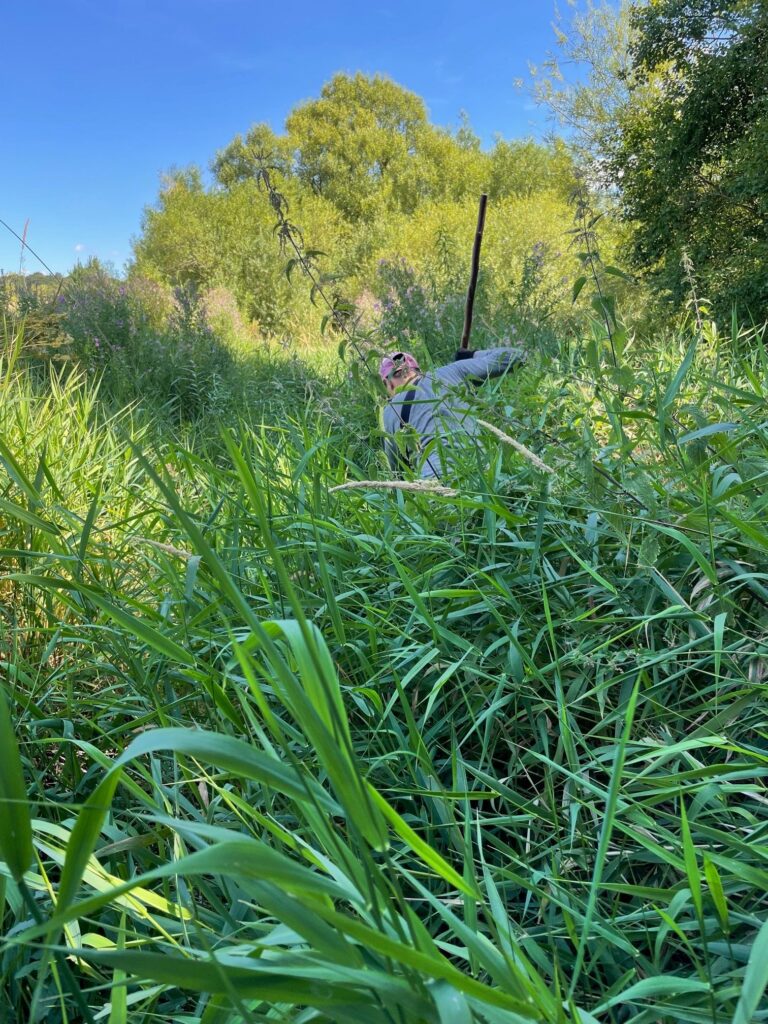
John Pritchard, chair of the Ver Valley Society said: “Our volunteers are delighted to be part of a very successful project and are thrilled to see water voles reappearing on their favourite stretches of the Ver.”
The project was made possible with funding from the Debs Foundation and Linder Foundation.
Water voles, which were once abundant in Herts rivers, are now the fastest declining mammal in the country and face extinction. Populations have declined by over 90% in the last 50 years due to habitat loss and because they are being preyed upon by American mink, an invasive, non-native species.
Local increases in the population have been noted in recent years where habitats have been improved or through carefully planned reintroduction programmes.
Herts and Middlesex Wildlife Trust is aiming to have water voles back in every river in Hertfordshire by 2030. To achieve this, they are looking for future reintroductions but these will only be possible with funding therefore if anyone would like to help fund, the trust would be delighted to hear from them. Likewise, if you are a landowner with a watercourse and would like to discuss the suitability of water vole reintroduction on your land, please get in touch with the Trust by emailing info@hmwt.org
